Buyer Fit Snapshot
| Best fit | Lamination for Printed Bags projects where brand print, material claims, artwork control, MOQ, and repeat-order consistency need to be specified before quoting. |
|---|---|
| Quote inputs | Share finished size, material target, print colors, finish, packing count, annual reorder estimate, ship-to region, and any compliance wording. |
| Proofing check | Approve dieline scale, logo placement, barcode or warning zones, color tolerance, closure strength, and carton packing before bulk production. |
| Main risk | Vague material claims, crowded artwork, missing packing details, or unclear freight terms can make a low unit price expensive after revisions. |
Fast answer: Lamination for Printed Bags: What It Actually Changes should be specified like a repeatable production item. The safest quote records material, print method, finish, artwork proof, packing count, and reorder notes in one written spec.
Production checks before approval
Compare the actual filled-product size with the drawing, then confirm tolerance on folds, seals, hang holes, label areas, and retail display edges. Reserve space for logos, QR codes, warning copy, and material claims before decorative graphics fill the panel.
Quote comparison points
Review material grade, print process, finish, sampling route, tooling charges, carton quantity, and freight assumptions side by side. A quote is only useful when the supplier can repeat the same color, closure quality, and packing count on the next order.
Lamination for printed bags looks like a finishing step. In practice, it changes how the bag survives the trip from press to shelf to customer hand. A design can leave production with sharp type, deep color, and a polished first impression, then lose that edge after a single carton rub or a damp delivery route. That is the point where lamination for printed bags starts to earn its keep: it protects the print, alters the surface feel, and gives the package a more deliberate retail presence.
At a basic level, lamination is a thin film or coated layer applied over printed bag stock to improve appearance, handling, or durability. It can deepen blacks, sharpen line work, and even out the way light hits the surface. It also adds resistance to scuffing, fingerprints, and light moisture exposure, all of which show up fast in warehouse handling, stacking, and fulfillment. Lamination for printed bags is not a cure-all, though. A weak substrate stays weak, and a poor seal does not become sound just because the surface looks nicer.
For buyers, the useful question is not whether lamination exists, but whether the finish fits the job. A gift bag, a retail carry bag, and a subscription mailer live through very different conditions, and lamination for printed bags should reflect that. The best specification usually balances image, protection, and cost without asking the material to do something unrealistic.
I have seen teams approve a beautiful proof, then discover during a press check that the untreated version picked up handling marks almost immediately. That kind of mismatch is common. The fix is rarely more decoration. It is usually a better match between the print, the substrate, and the finish.
Lamination for Printed Bags: What It Actually Changes
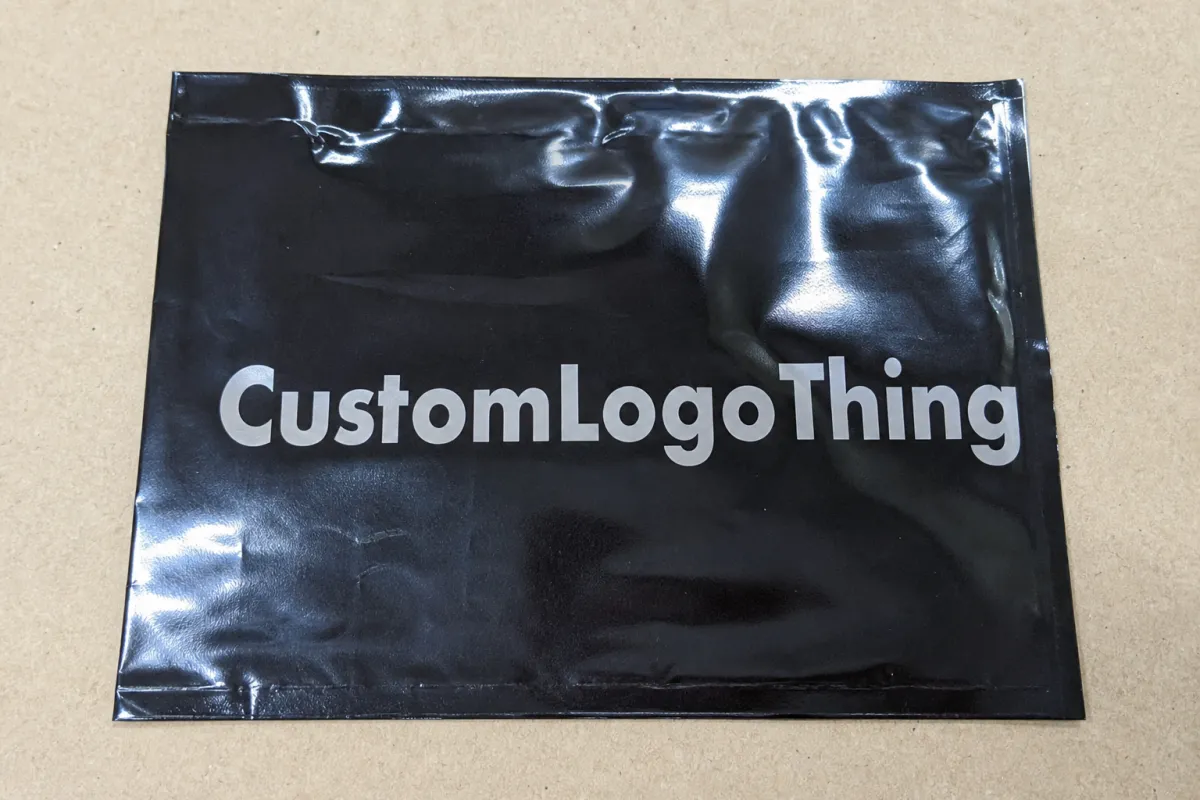
If you have ever approved artwork that looked excellent on screen, then watched the first production bags pick up scuffs before they reached the shelf, the purpose of lamination for printed bags becomes obvious. Bare printed surfaces are exposed. A pallet wrap rub, a retail associate gripping the top edge, or a customer carrying a bag through rain can dull the finish sooner than expected. Lamination for printed bags protects that visual investment.
The first change is visual. A laminated surface usually delivers richer color, denser blacks, and cleaner line definition because the film smooths the top layer and reduces the raw absorbency or texture of the stock. Gloss lamination pushes that effect further with a reflective finish that makes saturated colors feel louder. Matte lamination lowers glare and often reads as more restrained, which is why it shows up so often in premium retail packaging. Soft-touch finishes create a velvety feel that brands often reserve for cosmetics, specialty food, and higher-end gifting.
Function changes too. Lamination for printed bags tends to improve resistance to abrasion, fingerprints, and light moisture. That matters in ordinary use. Bags get stacked, counted, packed, unpacked, and handled by different people before they ever reach the end user. A surface that resists scuffing can reduce rejected goods and prevent the awkward moment when a premium bag arrives looking tired. It also helps printed graphics stay legible after contact with tape, bins, and corrugated edges.
The limits matter just as much. Lamination does not make a weak substrate stronger, and it does not turn a paper bag into a waterproof container. It also cannot repair ink adhesion problems or fix poor curing. If the print system underneath is unstable, the finish may expose the defect rather than hide it. Good lamination for printed bags begins with good print discipline, not just the right film.
For many buyers, the real decision is less about whether to laminate and more about what the bag must survive after production. A bag sitting on a boutique shelf may only need a light gloss or matte treatment. A bag that moves through fulfillment, gets packed into cartons, or still has to look polished after a long shipment often justifies the extra step.
Practical rule: if the bag has to survive handling before it gets admired, lamination for printed bags usually earns its place.
How Lamination for Printed Bags Works
The process sits inside a production chain, not beside it. Lamination for printed bags usually begins after printing has cured or dried enough for finishing, then moves into cutting, folding, sealing, and final bag conversion. If one stage slips, the finished bag carries the problem forward. Converters know this well, which is why the production details get so much attention.
At a high level, the printed surface receives a film or coating layer through heat, pressure, adhesive, or a combination of those forces. In thermal lamination, the film carries a heat-activated adhesive that bonds under controlled temperature and pressure. Pressure-sensitive films depend more on adhesive tack and the precision of nip pressure. Some shops use aqueous or coating-based systems to add surface protection without a full film layer, though those behave differently from classic film lamination for printed bags.
Three factors shape the bond: adhesive choice, pressure, and dwell time. Too much adhesive aggression can distort the stock. Too little pressure can leave edge lift or weak bond zones across large panels. Too short a dwell time can produce a bag that looks fine on the line and then curls, tents, or peels later. Many finish complaints turn out to be process complaints with a different label.
Ink behavior matters as much as the film. Lamination for printed bags performs best when inks are cured properly, well-adhered, and compatible with the top layer. Surface energy plays a role, as does the print method. Offset, flexographic, and digital systems can all produce laminated bags, but they do not respond identically to heat, adhesive chemistry, or pressure. A surface that feels dry may still be outgassing or sitting too fresh for a tight laminate stack.
Finish choices are part of the same stage. Gloss adds reflectivity. Matte reduces glare and can hide fingerprints more effectively. Soft-touch creates a tactile finish that feels closer to velvet than plastic. Textured laminations add grip and visual interest, though they also demand tighter quality control because the smallest inconsistency shows up faster in angled light.
When the process is controlled, lamination for printed bags behaves like a clear shield and a visual enhancer at once. When the process is rushed, it turns into waste. Sample approval and press-room discipline are not extras; they are part of the finish itself.
Key Factors That Affect Lamination Results
Bag stock changes the outcome more than many buyers expect. Paper, coated board, film-faced materials, and specialty substrates all react differently to heat, adhesive, and pressure. A slick coated stock may accept lamination cleanly, while an open or porous paper can need a more careful adhesive choice to avoid uneven bonding or visible surface show-through.
The print method matters just as much. Flexographic output can perform very well, but ink laydown and drying behavior need close attention. Digital print offers strong short-run flexibility, though some toner or ink systems need extra curing time before lamination. Offset can deliver fine detail and strong color control, but the surface chemistry still has to match the chosen laminate. Lamination for printed bags is not a matter of sticking a film on top; it is a matter of matching the whole stack so the layers behave as one.
End use should shape the specification. A bag sitting in a boutique has different demands from one stacked in a warehouse, shipped across the country, or carried in humid conditions. Scuff resistance, puncture resistance, and moisture resistance become more important as handling gets rougher. If the bag is likely to be reused, the laminate should also feel good in hand and hold up after repeated folding.
Design can expose weak points. Large solid ink fields, dense coverage, dark backgrounds, and very fine typography reveal waviness, silvering, and edge distortion more easily. The effect is stronger with matte or soft-touch finishes, which can look beautiful but also make quality issues more visible if the film is not laid down evenly. Lamination for printed bags rewards clean artwork and disciplined file prep.
Sustainability belongs in the decision too. Extra layers can affect sorting, recycling, or reuse. That does not automatically make lamination for printed bags the wrong choice, but it does mean the buyer should ask early. If recyclability matters, the substrate, adhesive, and finish need to fit the intended recovery stream. For broader packaging guidance, the FSC and EPA provide useful reference points on responsible material choices and waste reduction, even though local systems still determine the real outcome.
Some brands compare lamination with other decorative or protective effects such as UV coating, spot UV, foil stamping, embossing, or die cutting. Those finishes can work beautifully, but they solve different problems. UV coating and spot UV create contrast or spot gloss without a full film layer. Foil stamping and embossing add premium detail and texture. Die cutting shapes the form itself. Lamination for printed bags is mostly about surface durability and finish consistency, though it can pair well with those other effects when the design calls for it.
Another practical concern sits outside the design studio: if the bag will touch food-contact inserts, cosmetics, or gift items, ask about migration, odor, and rub-off behavior. The surface finish should support the product, not complicate it. A bag that looks refined but smells strong or sheds on contact can create more problems than it solves.
Lamination for Printed Bags Process and Timeline
Lamination for printed bags follows a predictable production flow, yet the timeline expands or shrinks depending on how much customization is involved. Artwork approval comes first. That sounds simple, but it is often where jobs slow down, because the finish selection changes how the artwork reads. Dark colors, delicate type, and full-bleed backgrounds deserve a careful proof review before anyone commits.
Material selection follows. The converter needs the substrate, the finish, the desired hand feel, and the final bag style. Sample approval comes next. A standard laminated bag may only need a physical sample to confirm color, glare, fold behavior, and scuff resistance. A more complex run, especially one with premium texture or special surface effects, usually benefits from a pre-production proof or a small pilot.
The lamination setup itself can be quick or unexpectedly involved. Film roll mounting, tension settings, adhesive calibration, heat control, and line speed all have to work together. A good operator can often tell early whether the surface is bonding cleanly, but the run still needs inspection after the first output. From there, the material moves into converting: trimming, die cutting, folding, gluing, handle attachment, and final packing. If the job includes embossing or foil stamping, those steps have to be sequenced carefully so the finish does not interfere with the decorative work.
Lead time usually follows three variables: quantity, complexity, and finish. A simple laminated bag in a standard size may move through in roughly 10-15 business days after proof approval if materials are already on hand. A more customized order with unusual dimensions, special adhesive requirements, or soft-touch film often needs 15-25 business days, sometimes longer if sample revisions are needed. Rush work is possible in some cases, though it usually costs more and leaves less room for correction.
Delays usually come from mismatched specs rather than machine trouble. Late artwork changes, inconsistent file setup, unclear finish notes, and sample revisions are the common culprits. Lamination for printed bags is easier to manage when the buyer confirms the material, size, and finish before the job enters production. The obvious steps still matter because they protect the schedule.
The production sequence is straightforward:
- Approve the art and finish direction.
- Confirm substrate, size, and bag construction.
- Review a physical sample or proof.
- Run the lamination setup and check bond quality.
- Convert, inspect, and pack the bags.
Each step protects the next one. Skip too much, and the finish becomes a guess. Lamination for printed bags works best when the timeline has room for real checks instead of optimistic promises.
For buyers comparing packaging performance against transit risk, standards such as ISTA can be useful. A laminated surface may look excellent on a table, yet the real test is how the bag behaves after vibration, compression, and drops. The finish should be chosen with those conditions in mind.
Lamination for Printed Bags Cost and Pricing Factors
Cost is usually where the conversation gets specific. Lamination for printed bags adds value, but it also adds material, labor, and setup. The biggest price drivers are film type, finish choice, bag size, print coverage, and converting complexity. A straightforward gloss laminate on a standard flat bag is generally less expensive than a soft-touch finish with heavy coverage, intricate trims, or secondary decorating steps.
Quantity is one of the strongest levers. Setup costs do not vanish because the run is small, so the unit price on a short order is almost always higher. As volume rises, those fixed costs spread out, and the per-bag price falls. A 500-piece run and a 5,000-piece run can feel like different projects even when the artwork is identical. Lamination for printed bags often rewards scale more than buyers expect.
MOQ matters for the same reason. If a converter has to bring in special film, set up a unique die, or tune the process for an uncommon substrate, the order has to carry those costs somewhere. Small custom runs can still make sense, especially for launches or limited editions, but the buyer should understand that the setup work is part of the price. The math becomes less forgiving at low volume.
A side-by-side view makes the tradeoffs easier to read.
| Finish Option | Typical Visual Effect | Relative Cost | Best Fit | Notes |
|---|---|---|---|---|
| Gloss lamination | Bright color pop, reflective surface | Lower to mid | Retail bags, promotional packaging | Shows fingerprints more easily than matte |
| Matte lamination | Soft, low-glare appearance | Mid | Premium gifting, boutique bags | Often hides scuffs better in harsh light |
| Soft-touch lamination | Velvety, tactile finish | Mid to higher | Luxury, cosmetics, high-end retail | Usually needs tighter handling control |
| Coating-based protection | Subtle surface enhancement | Lower to mid | Value-driven runs | May not match the durability of film lamination |
Secondary pricing factors deserve attention too. Sample development can add cost, especially if a few finish trials are needed. Special adhesives may be necessary for certain substrates, and those can push price upward. Rush production often raises labor cost because the line has to be resequenced. Premium inspection standards add a little more, though they are usually worth it for high-visibility retail work.
A practical working range helps buyers understand the structure. A simple mid-volume job might land around $0.18-$0.35 per unit, while a premium short run with specialty film and extra converting can sit higher. That is not a quote; it is a frame of reference. Lamination for printed bags should be priced as a tradeoff between upfront spend and downstream value. If better surface protection reduces scuffs, returns, or presentation failures, the finish may pay for itself in ways that never appear on the first invoice.
One common mistake is comparing film price alone and ignoring the rest of the stack. Adhesive behavior, line speed, inspection, waste, and setup all matter. A cheaper film that creates more rework can cost more by the end of the run.
Common Mistakes to Avoid With Laminated Bags
The first mistake is choosing a finish because it looks good in a sample photo rather than because it fits the actual use. Lamination for printed bags can look beautiful in a showroom and still disappoint in a warehouse if the surface marks too easily or reflects too much light. A glossy finish may suit a retail shelf and clash with a quieter brand system. Context decides the winner.
Skipping sample review is another common miss. A digital mockup cannot show how a bag folds, whether the laminate cracks on a crease, or how it feels when stacked against other product. A physical sample does that work. It reveals edge behavior, color shift, and the way light moves across the surface. If the bag needs to survive shipping, the sample should be handled the way the final units will be handled, not just admired on a desk.
Compatibility errors show up often as well. The wrong film on the wrong substrate can create bubbling, poor adhesion, or distortion after converting. Heat-sensitive stocks may warp. Heavier papers may need a different adhesive profile. Lamination for printed bags works best when the print method, substrate, and finish chemistry are discussed together rather than in separate conversations.
Artwork can become more visible after lamination, not less. Tight bleed, thin borders, tiny type, and poorly controlled edge artwork show every slight shift. That becomes more obvious when die cutting, window placement, or unusual fold geometry enters the job. Once the laminate is on, the eye catches misalignment faster. If the bag also includes foil stamping or embossing, the tolerance stack gets even tighter.
Laminate is not a substitute for structural design. Weak seams, poor handle reinforcement, and unrealistic moisture expectations will not disappear because the surface looks polished. I have seen buyers expect a laminated paper bag to behave like a sealed barrier pouch. That is not how the material works. Lamination for printed bags can improve resistance to light moisture, but it does not turn a paper structure into a waterproof shell.
A few checks are worth making before approval:
- Confirm the substrate and laminate are compatible.
- Review a real sample in daylight and store lighting.
- Check fold lines, edges, and handle areas for stress.
- Ask whether the finish affects recyclability or reuse.
- Verify whether additional decoration, such as spot UV, will change the surface feel.
These checks are not overkill. They are the difference between a bag that looks right once and a bag that performs the way the customer expects. The right finish should stand up to touch, stacking, and transit, not just a single approval photo.
Expert Tips and Next Steps for Better Results
The cleanest way to specify lamination for printed bags is to start with the real use case. Retail display, subscription fulfillment, trade show handouts, and protective shipping all point to different finish choices. A bag designed for a boutique entrance can prioritize appearance. A bag moving through a distribution center needs more abrasion resistance and less glare. Buyers who define the end use early usually get a better recommendation and fewer surprises later.
Samples should be compared under the same lighting where the bags will actually live. Store light, office light, and warehouse light do not behave the same way. Gloss can look vivid under one set of lamps and too shiny under another. Matte may look understated in one room and muted in another. Soft-touch has its own character altogether. Lamination for printed bags should be judged in the environment where the bag will be seen.
A simple production checklist can prevent a lot of back-and-forth:
- Bag size and structure.
- Substrate and print method.
- Desired finish: gloss, matte, or soft-touch.
- Artwork file status and bleed setup.
- Need for foil stamping, embossing, spot UV, or other decoration.
- Target quantity and lead time.
- Shipping and handling expectations.
That checklist makes quoting easier, and it also helps the converter recommend the right level of finish. Sometimes lamination for printed bags is the right move. Sometimes a lighter coating will do the job and keep the budget in better shape. A strong supplier should be willing to say that directly.
Another useful question is simple: where does the added value live? Is the laminate improving scuff resistance? Is it boosting shelf appeal? Is it protecting dark print from fingerprints? If the answer is vague, keep asking. The best packaging decisions connect the finish to a measurable outcome.
For reference, industry groups like ISTA can help if the bag will travel through a tough distribution path, and FSC guidance can help if paper sourcing and responsible forest materials are part of the brief. Neither replaces a production sample, but both provide useful context.
At Custom Logo Things, the next step is usually simple: gather the bag specs, define the use case, request a sample, and confirm the finish before production starts. That keeps lamination for printed bags aligned with the brand image instead of leaving it to chance. When the bag needs to look good, feel good, and survive real handling, the finish decision deserves that much care.
Done well, lamination for printed bags protects the print, improves the feel, and gives the entire package a more intentional look. Done carelessly, it adds cost without adding value. The difference usually comes down to matching the film, substrate, and production method to the actual job the bag must do. Before you approve a run, ask for a finished sample, inspect it in real light, and confirm that the construction, finish, and handling path all point in the same direction.
Is lamination for printed bags the same as a laminate finish?
The terms are closely related, though the exact wording can vary by manufacturer and process. In practice, both usually describe a protective or decorative layer added over the printed surface. It still helps to confirm whether the finish is film-based, coated, or another surface treatment before approval.
Does lamination for printed bags make them waterproof?
It can improve resistance to splashes, humidity, and light moisture exposure. It does not automatically make a bag fully waterproof or suitable for submersion. The base material, seams, and closure style also affect moisture performance, so the whole construction has to be considered together.
Which is better for lamination for printed bags, matte or gloss?
Gloss usually gives brighter color pop and a more reflective retail look. Matte reduces glare and can feel more premium or understated. The better choice depends on the brand image, handling conditions, and how the artwork needs to read under the light where the bag will be seen.
How does lamination affect the cost of printed bags?
Cost rises with specialty films, premium finishes, extra setup, and tighter production tolerances. Higher quantities usually lower the unit cost because setup expenses are spread across more bags. Even so, the right lamination for printed bags can save money by reducing scuffs, waste, and rejected product.
What should I ask for before approving lamination for printed bags?
Ask for a sample that shows the exact film, finish, and print combination you will receive. Check color, glare, fold behavior, and scuff resistance under real handling conditions. Confirm the production timeline, MOQ, and any limits on artwork or material selection before you sign off.
Related packaging resources
Use these related guides to compare specs, costs, quality checks, and buyer decisions before making the final call.

