Logo Patches Supplier Quote for event merch teams requests tend to arrive before the rest of the order is fully settled, and that is usually the right move. Patches are one of the few branded items that can be priced and approved before every garment detail is final, then attached later when the apparel mix, sizing, and sponsor approvals stop shifting. For event teams juggling staff uniforms, volunteer kits, retail pieces, and sponsor-facing gifts, that flexibility is worth real money.
A patch quote should do more than spit out a unit price. It needs to identify the construction, the backing, the finish, the setup work, and the expected turnaround once the proof is signed off. If it does not, the buyer is left comparing numbers that may not include the same assumptions. That is where budgets drift and schedules get messy.
Event merch is especially sensitive to timing. Artwork changes late. Quantity targets move after registration closes. Size curves can change when a venue team decides to add one more uniform tier. A well-built quote gives the buyer a stable reference point while the rest of the program keeps moving. That is the practical value of asking for a logo Patches Supplier Quote for event merch teams early instead of waiting for the final art lock.
Why event merch teams request patch quotes early
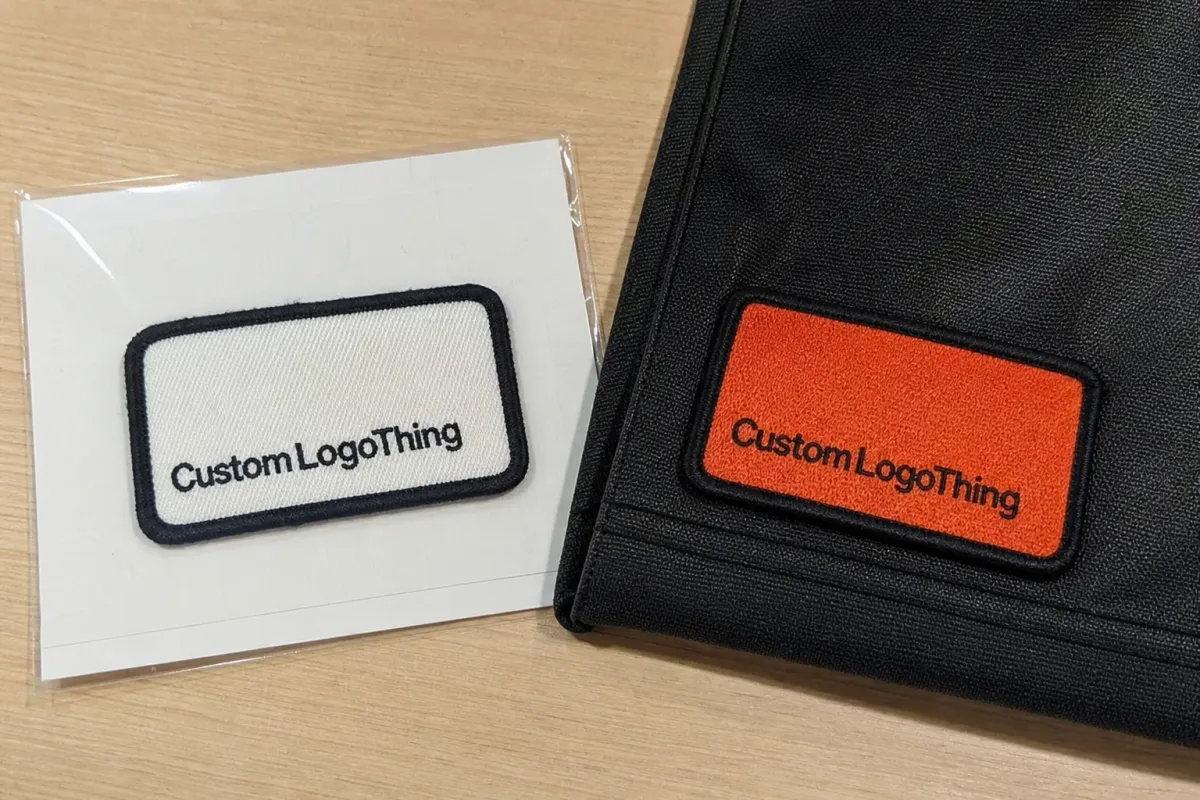
Merch buyers do not usually ask for patch pricing because they are ready to place an order. They ask because they need a budget that can survive the approval chain. Finance wants numbers. Marketing wants visual consistency. Operations wants a schedule that will not collapse in the last week. A Logo Patches Supplier Quote for event merch teams helps all three groups work from the same assumptions.
Patches are useful precisely because they decouple branding from the final garment decision. A sewn patch can be attached later. A heat-applied patch can move from item to item if the event plan changes. A Velcro patch can be swapped out on uniforms that rotate between crews or shifts. That kind of flexibility matters when the event calendar is already fixed but the inventory plan is still fluid.
There is also a small but important pricing advantage in quoting patches early. If the supplier sees the logo, the rough size, and the intended use before the artwork is refined, they can flag likely cost drivers before the buyer builds a budget on a false assumption. That can save a team from approving a design that looks inexpensive on paper but becomes costly once the detailed construction is chosen.
In practice, buyers use early quotes to answer a short list of questions:
- What unit price range fits the target quantity?
- Which patch construction matches the actual use case?
- How much proofing time will the artwork need?
- What can push the landed cost up or down?
The landed cost matters more than the headline price. Setup fees, digitizing, custom molds, packaging, and freight can change the real spend quickly. If a supplier hides those variables in the first conversation, the quote is not very useful. A complete Logo Patches Supplier Quote for event merch teams should make the cost structure visible enough to compare one option with another.
A patch quote is most useful when it explains the function of the item as clearly as the price. If the brief is precise, the quote is useful. If the brief is vague, the quote can only be a rough estimate.
There is another reason event teams like patches: inventory control. Instead of decorating every garment in advance, they can hold undecorated stock, then finish items closer to the event date. That reduces the risk of over-ordering the wrong size or committing to a sponsor layout that changes at the eleventh hour. It is not the answer for every program, but for fast-moving merch schedules it often keeps the budget under control.
Patch styles, backings, and materials that fit merch use
Patch construction changes both appearance and cost. Two logos that look similar on a screen can behave very differently once they are translated into thread, fabric weave, PVC, or molded texture. Buyers asking for a logo patches supplier quote for event merch teams should know the main options before comparing bids.
| Patch type | Best fit | Typical strengths | Quote impact |
|---|---|---|---|
| Embroidered | Classic branding, uniforms, giveaways | Raised texture, familiar look, durable for apparel | Usually driven by stitch count, size, and thread colors |
| Woven | Small text, fine lines, tighter logos | Cleaner detail than embroidery, flatter finish | Can be better for intricate art, but pricing rises with density |
| PVC | Outdoor gear, bold modern branding | Strong color blocks, weather resistance, dimensional look | Tooling and mold setup often affect the first order |
| Chenille | Varsity style, premium merch, team drops | Soft texture, high visual presence | Works best when the logo is large and not overly detailed |
| Leather | Caps, jackets, lifestyle merch | Premium feel, subtle branding | Material grade and debossing style affect price |
| Printed fabric | Gradients, tiny copy, full-color graphics | Best for art that would lose clarity in thread | Often the safer choice for complex art or color-heavy designs |
Backing choice deserves the same attention as the front design. Sew-on is the most durable permanent option. Heat-seal works well for garments that can tolerate press application. Velcro is practical for field staff, reusable uniforms, and items that need to be removed or swapped. Adhesive and pin-back are niche solutions, but they can make sense for short-term event use, gift packs, or packaging inserts.
Logo complexity changes the conversation too. Thin lines, tiny text, and soft gradients are common trouble spots. If the artwork is detailed, a woven or printed patch may produce a cleaner result than embroidery. That is not a downgrade; it is a production choice. Good suppliers usually say that directly because they have seen what survives the stitch path and what does not.
For teams comparing broader merchandise handling standards, the ISTA testing framework is a useful reference when items will ship in kits or pass through multiple handoffs. If the program includes fiber-based packaging or paper-backed components, the FSC system is worth reviewing for sourcing context. Neither replaces supplier vetting, but both help buyers ask better questions.
Key specifications to confirm before requesting a quote
The shortest path to an accurate number is a quote-ready brief. The more complete the request, the less back-and-forth the supplier needs before pricing can be trusted. A logo patches supplier quote for event merch teams becomes much more usable when the following points are locked in.
- Size: width and height in inches or millimeters
- Shape: round, rectangle, shield, custom die-cut, or freeform
- Construction: embroidered, woven, PVC, chenille, leather, or printed fabric
- Backing: sew-on, heat-seal, Velcro, adhesive, or pin-back
- Color count: number of thread or print colors
- Border: merrowed, laser cut, embroidered edge, or molded edge
- Artwork format: vector file, clean line art, or editable logo file
- Event date and shipping destination
Vector artwork is still the safest starting point. Clean lines help the supplier see where embroidery will hold detail and where it will blur. If the file is only a low-resolution image, the supplier may still be able to quote, but the proofing stage often takes longer and redraw costs can creep in. Pantone references help when a team needs repeatable color across multiple event locations or future reorders.
There are practical tolerances to keep in mind. Very small text can disappear in embroidery. Fine line work can break in woven or stitched patches. Large fill areas can pucker if the structure is too tight. None of that makes the project impossible, but it does affect how confidently a supplier can price it. Quote accuracy improves when the artwork matches the production method instead of fighting it.
Placement matters too. A patch for a jacket chest panel is not the same as a patch for a cap front, a tote bag, or a volunteer vest. The use case affects the size, the backing, and sometimes the border. Buyers get better numbers when they explain where the patch will live, not just what the logo looks like.
For a faster quote path, send the brief and artwork through our contact form with the event date, quantity, and backing preference. Clear requests reduce the number of clarifications and make the quote easier to compare.
Cost, pricing, MOQ, and what changes the unit cost
Patch pricing usually comes down to a small set of variables: size, construction, stitch count, border type, color count, backing, and order quantity. A logo patches supplier quote for event merch teams should show enough of those inputs that a buyer can understand why one option costs more than another.
As a general guide, a simple embroidered patch at a medium run can land around $0.18-$0.28 per unit for 5,000 pieces when the artwork is straightforward. More detailed woven patches, leather patches, or specialty PVC pieces may sit higher depending on tooling, finish, and color density. Smaller runs usually cost more per unit because setup is spread over fewer pieces. That is normal and predictable.
MOQ is not just a supplier preference. It often reflects the realities of the production line. If a design needs custom digitizing, a molded shape, or a specific edge treatment, the factory has to recover setup costs somewhere. The upside is that once the line is running, unit cost usually drops quickly as quantity increases.
Here is the cleanest way to think about the main cost drivers:
- Low detail, higher quantity: usually the lowest unit cost.
- Small size with fine text: may require woven or printed construction, which changes pricing.
- Special backing: heat-seal, Velcro, or pin-back can add cost.
- Rush timing: often adds a premium and can narrow the available options.
- Multiple ship-to locations: can increase handling and freight complexity.
Hidden costs deserve a careful look. Rush production can cost more than the patch itself. Split shipments to two or three event sites can erase savings from a lower unit rate. Individual polybags, set inserts, or kitting into themed bundles can also change the total. When a quote looks unusually cheap, those are the first line items to inspect.
A practical way to manage spend is to split the assortment. Use a premium patch on hero items such as jackets or staff-only apparel, then choose a simpler construction for standard tees or giveaway bags. That keeps the brand presentation strong without forcing every SKU to carry the same cost profile. It also makes it easier to compare a logo patches supplier quote for event merch teams across the full program instead of judging a single item in isolation.
Process, lead time, and proof approval from quote to shipment
The strongest patch programs follow a plain sequence. First comes RFQ review. Then the art is checked, the proof is prepared, the buyer approves the proof, production begins, finishing is completed, and the order is packed and shipped. A logo patches supplier quote for event merch teams should map to that workflow so the buyer knows where the schedule can move and where it cannot.
- RFQ review: quantity, size, construction, and event date are checked.
- Artwork check: the supplier confirms whether the design needs cleanup or simplification.
- Digital proof: the buyer reviews layout, colors, and border style.
- Sample or mockup: used when the event is high visibility or the logo is complex.
- Production: patch construction, backing application, and finishing.
- Packing and shipping: bulk cartons, polybags, or kitting as needed.
Typical turnaround after proof approval often falls in the 12-15 business day range for standard patch orders, though the actual schedule can move faster or slower depending on construction, quantity, and current production load. Rush orders are sometimes possible, but they usually narrow material choices and raise cost. The honest starting point is that proof approval is the moment the clock really begins.
For high-visibility event merch, a pre-production sample can be worth the extra time. It helps confirm color balance, edge finishing, and thread coverage before the full order runs. For internal staff items or low-risk giveaways, a digital proof is often enough. The right answer depends on how public the item will be and how expensive a miss would be.
Good suppliers keep milestones visible. That matters when the merch team is coordinating with an apparel vendor, a fulfillment house, or an event operations lead. If the patch slips, the decorated apparel slips with it. A supplier that communicates clearly about proof timing and shipment dates is doing real work, not just sending status emails.
When the order has to land on a fixed date, ask the supplier where the longest step sits. If the artwork is already clean, proofing may move quickly. If the design still needs redrawing or the backing choice is undecided, that will hold the order. A complete brief lowers the odds that a small unresolved detail creates a schedule problem later.
How a dependable patch partner supports event merch programs
Event merch teams need more than a factory number. They need a supplier that can quote accurately, flag art problems early, and keep repeat orders consistent. That matters even more when a logo patches supplier quote for event merch teams turns into a series of reorders across the year.
Dependable execution shows up in small but measurable ways. Questions get answered without delay. The proof matches the brief. Color expectations are realistic. Packaging reflects the actual distribution plan. Counts are checked before freight leaves. Those basics matter more than polished sales language.
Repeat reorders are another sign of a stable partner. Event programs often refresh the same logo for conferences, roadshows, seasonal activations, and volunteer campaigns. If the supplier stores artwork properly and records the build spec, the buyer does not need to rebuild the order from scratch each time. That saves time and helps preserve consistency across the program.
Packaging flexibility matters as well. Some teams need individual polybags. Others want sorted bundles for registration tables, VIP packs, or retail shelves. A supplier that can pack to the use case makes the program easier to manage. That is one reason buyers ask for a logo patches supplier quote for event merch teams instead of relying on a generic price list that ignores how the patches will actually be used.
If you are comparing suppliers, use the same brief with each one and line the responses up side by side. A useful quote should name the patch type, size, backing, quantity, proof steps, and estimated production window. If those details are missing, the lowest number may not be comparable. For a custom project discussion, you can contact our team with the art file and event timeline.
Next steps to secure an accurate quote and keep merch on schedule
Before requesting pricing, gather the basics: artwork, approximate size, target quantity, preferred backing, and event date. That is the fastest path to a clean logo patches supplier quote for event merch teams. If the team already knows where the patch will be used, include that too. A patch for jackets is not quoted the same way as a patch for caps or loose giveaway bags.
If the group is torn between two constructions, ask for two or three price tiers. A woven version, an embroidered version, and a PVC version can show very quickly where the best balance sits. That comparison is often more useful than a single line item because it reveals what the art and budget can realistically support.
Also confirm the shipping destination and the person who signs off on the proof. Lost time usually comes from waiting on approval, not from the production line. If the event involves multiple stakeholders, decide in advance who approves color, size, and backing so the order does not sit in email while the calendar keeps moving.
When the details are collected in one place, the quote is tighter, the proof is cleaner, and the order has a better chance of arriving on time. That is the real value of a well-built logo patches supplier quote for event merch teams: fewer surprises, better planning, and a merch program that stays under control from first estimate to final shipment.
What information should event merch teams include in a quote request?
Include artwork, approximate size, patch type, backing choice, quantity, color count, and the event date. It also helps to say where the patch will be used, because sew-on, heat-seal, and Velcro options often quote differently.
Which patch style is best for event merch teams ordering logo patches?
Embroidered patches suit classic textured branding and are common for uniforms and giveaways. Woven or PVC patches are better when the design needs fine detail, small text, or a smoother finish.
How does MOQ affect patch pricing for merch programs?
Lower quantities usually carry a higher unit cost because setup is spread across fewer pieces. Higher quantities often unlock better price breaks, especially when the design stays the same across the run.
What turnaround should a buyer expect after approving the patch proof?
Turnaround depends on construction, quantity, and current production load, but proof approval is the key milestone. Rush orders are sometimes possible, though they can add cost and may limit material or backing options.
Can one patch design be used across different event merch items?
Yes, the same patch can often be sewn onto shirts, jackets, bags, and caps if the size and backing are selected correctly. It is smart to confirm placement and attachment method for each item so the finished merch feels intentional and durable.
For teams that want a quote-first buying process, a complete brief is still the best tool available. The most accurate logo patches supplier quote for event merch teams comes from clear artwork, realistic quantity targets, and a firm delivery date, not from guesswork.


