Trade show apparel has a strange math problem. A team ordering 50 jackets for one event may see a very different Logo Patches Unit Cost for Trade Show Teams than a program buying 500 lanyards, and that gap is usually driven by size, backing, and setup, not just the patch itself. Buyers who focus only on the quoted unit price usually miss the real story: durability, reorderability, and whether the branding survives more than one event cycle.
That distinction matters because Trade Show Teams do not buy patches the way a retail brand buys merch. They buy for reuse, fast identification, and consistency across staff roles. In practice, a patch becomes a modular brand asset: move it from jackets to totes, swap it between seasonal uniforms, or reorder it for the next expo without redesigning the whole garment package.
The best comparisons are rarely glamorous. They look more like procurement spreadsheets than marketing mood boards. That is exactly why the details matter.
Why trade show teams should benchmark patch cost before ordering
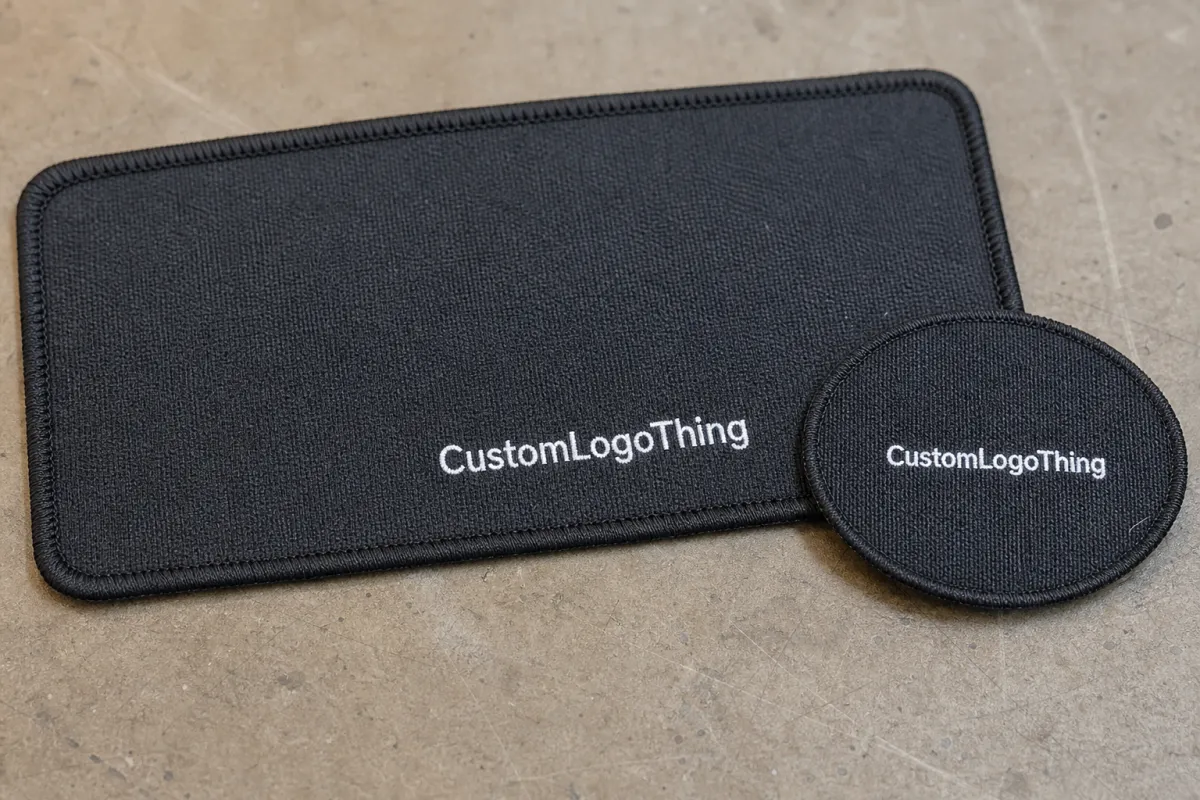
One booth team may need 50 jackets. Another may need 500 lanyards, aprons, and tote bags across a multi-day show circuit. Those are not the same buying problem, and the Logo Patches Unit Cost for trade show teams can swing sharply depending on quantity and application. A patch that costs more than expected at 50 pieces may become very efficient at 500, because tooling fees and setup charges are spread over more units.
The hidden trap is the quote that looks low on the first line and climbs once the details are added. Artwork revisions. Rush production. Premium backings. Special packaging. Each one can quietly push the final bill up. Buyers often compare headline unit cost, but the number that matters is total landed cost plus expected reuse.
There is also a practical reason patches often beat direct embroidery for event programs. Direct embroidery is permanent, which sounds efficient until the logo changes, a sponsor is added, or the garment needs to move to another campaign. Patches create a reusable layer. That means less replacement waste, easier rebranding, and better control for teams that rotate uniforms across shows.
“Buy the brand asset, not just the decoration.” That is the right mindset for trade show apparel, because consistency across teams usually matters more than saving a few cents on the first order.
For teams working under event deadlines, a patch is really a packaging-style decision in disguise: predictable specs, repeatable output, and less rework later. That is the kind of procurement logic that keeps budgets intact.
Patch styles, materials, and backing options for event apparel
Different patch styles solve different event problems. Embroidered patches are the familiar choice when you want texture and strong visibility from a few feet away. Woven patches handle smaller text better because the weave can capture finer detail. PVC patches are often chosen for a clean, modern look and good weather resistance. Leather patches read premium. Chenille is softer and more dimensional, though it is less common for formal booth uniforms.
Backing choice matters just as much as the front face. For trade show uniforms, the main options are sew-on, iron-on, Velcro, adhesive, and magnetic. Sew-on is the most secure. Iron-on is useful for permanent garment branding. Velcro is the strongest fit for temporary event apparel because teams can swap the same patch across multiple garments. Adhesive and magnetic options are more situational and tend to make sense for short-duration use, not repeated laundering.
Edge finish and stitch density can change both appearance and price. A merrowed border works well on thicker patches with clean edges. A laser-cut edge is better for unusual shapes or fine outlines. Higher stitch density usually improves visual fullness, but it also raises production time and can affect the unit cost. Better coverage costs more, and that tradeoff is usually visible in the final quote.
Placement should be standardized before ordering. A patch that looks balanced on a polo may feel oversized on an apron. The most common placements for event teams include:
- Shirts and polos: left chest or sleeve for staff identification
- Jackets: left chest, upper sleeve, or back shoulder for visibility
- Hats: front panel or side panel for quick recognition
- Tote bags: front center for walking-floor visibility
- Badges and lanyard holders: small woven or PVC marks for role separation
That standardization reduces ordering errors. It also makes reorders faster, which is where a supplier’s organization starts to matter more than its sales pitch.
Specifications that change logo patch pricing and durability
The biggest pricing drivers are straightforward: size, shape, attachment method, number of colors, and production method. But buyers often underestimate how much artwork complexity affects manufacturability. Fine text, gradients, tiny icons, and thin outlines can force a redesign, and redesigns cost time. Sometimes they cost money too, especially if digitizing or layout changes are needed.
If you want a cleaner quote, verify these specs before requesting one:
- Patch size: measured in inches or centimeters, not “small” or “medium”
- Shape: circle, rectangle, custom die-cut, shield, or script outline
- Border type: merrowed, heat-cut, laser-cut, or embroidered edge
- Color count: PMS targets, thread colors, or print colors
- Backing: sew-on, iron-on, Velcro, adhesive, or magnetic
- Fabric base: twill, felt, PVC, leather, or woven base
For readability, a good rule is simple: if the text cannot be read at the finished size on a proof, it will not read well on a jacket across a crowded expo floor. Minimum line width and minimum text size matter. So does simplification. A logo with a detailed skyline may need to lose background elements. A tagline may need to be dropped entirely.
Durability should match the event use case. If the uniform will be worn once and stored, the requirements are modest. If it will be washed repeatedly, fray resistance and wash resistance matter more. For apparel that goes through multiple shows, ask how the patch performs after laundering and whether the edge finish resists curling. A supplier should be able to speak plainly about this. If they cannot, that is a signal.
For teams that want to align with recognized material and shipping standards, it is worth checking references from industry bodies such as the International Safe Transit Association for transit testing and FSC if sustainable paper packaging is part of the kit. Those standards do not set patch pricing, but they do affect how safely and responsibly the order reaches the show floor.
There is also a practical artwork rule that saves money: avoid spec drift. If one buyer sends a logo in vector form and another sends a compressed screenshot two days later, the quote can change because the production team has to rebuild the file. That is not a supplier problem; it is a file hygiene problem.
Logo patches unit cost, MOQ, and quote factors
Here is the reality buyers need to plan for: Logo Patches Unit Cost for trade show teams falls as quantity rises, but only to a point. The quote is shaped by MOQ, production method, size, backing, and artwork complexity. Bulk pricing is common, yet it is not magic. The setup must still be paid for somehow.
For small runs, each patch carries more of the setup burden. That is why 50 pieces can feel expensive compared with 500. The supplier is spreading digitizing, machine setup, and color matching across fewer units. Larger orders usually drop the cost per piece, but the total order cost climbs, so teams should judge the purchase by total budget and expected wear, not only by the lowest per-unit number.
| Order profile | Typical cost behavior | What usually drives the quote | Best use case |
|---|---|---|---|
| 50 pieces | Higher cost per piece | Setup charges, small-run labor, proofing | Single show, pilot uniforms |
| 250 pieces | Moderate cost per piece | Backing type, size, color count | Regional event program |
| 500+ pieces | Lower cost per piece | Packaging, shipping, repeatability | Multi-event or seasonal rollout |
What should a buyer expect in real terms? For simple embroidered or woven patches, pricing often lands somewhere around $0.25 to $1.50 per piece at higher quantities, with smaller runs sitting noticeably higher once tooling fees and setup charges are included. PVC and leather options can price above that depending on detail, finish, and backing. These are working ranges, not promises. The exact quote depends on artwork, size, and delivery schedule.
Sample fees may appear for new designs. Some suppliers also charge mold fees for PVC or digitizing fees for embroidery. That is not necessarily a bad sign. Those charges reflect the production method. What matters is whether they are disclosed early and whether they disappear on repeat orders. A supplier who keeps your approved file and spec sheet on record can usually reduce friction on the next run.
A good comparison framework is simple:
- Unit cost: what each patch costs at the quoted quantity
- Total order cost: what you actually pay, including setup and shipping
- Cost per wear: total spend divided by the number of events or uses
That third number is the one many teams skip. It should not be skipped. A patch that lasts through four shows can be cheaper than a lower-priced option that fails after one event.
There is a second hidden variable: color matching. Standard thread colors are easier to source than a custom match to a brand guide that shifts under booth lighting. If the brand team expects exact reproduction, the supplier should confirm the tolerance before production starts. Otherwise, the order can be technically correct and still look off next to the rest of the uniform kit.
Process and turnaround: from artwork to delivered patches
The production path is usually predictable if the buyer is organized. Request the quote. Submit artwork. Approve the proof. Confirm size, backing, and finish. Then the supplier produces, inspects, and ships. Simple on paper. In practice, delays usually come from the buyer side, not the factory side.
Incomplete files are the most common slowdown. So are unclear PMS targets, last-minute sizing changes, and approvals that sit in inboxes for days. If the logo needs simplification, that also adds time. The fastest projects are the ones where the artwork is finalized before RFQ, not after.
Typical turnaround depends on style and volume. Simple patch orders often take about 12 to 15 business days from proof approval, while special backings, detailed artwork, or premium materials may push that longer. Rush orders are possible in some programs, but rush pricing is real. You pay for the schedule, not just the product.
One buyer tip saves a lot of pain: lock the uniform and the patch placement before final approval. If one team wears polos and another wears jackets, a patch that looks balanced on one garment may not work on the other. Reorders then become messy. Mismatched placement is the kind of detail that makes a polished event team look improvised.
For buyers comparing options, it helps to ask about inspection and shipping in the same conversation. Is there quality control photography? Are cartons labeled by size or department? Can they coordinate delivery to the event warehouse instead of the office? Small details, yes. But those details determine whether the patches arrive ready for the show or create another round of sorting.
Production capacity also shapes timing. A supplier may quote an aggressive lead time on a simple woven patch, then extend it once the order adds multiple backings or custom packaging. That is normal. It is better to know early than to learn three days before the freight cutoff.
How to evaluate suppliers for trade show-ready patch orders
Supplier selection should be blunt and practical. Start with the spec sheet. If a vendor cannot explain dimensions, backing choices, and finish options in plain language, keep moving. Clear proofing matters too. So does transparent pricing. You want to see what is included: artwork support, sampling, packaging, and shipping coordination. Hidden extras are where budgets go sideways.
What matters more than the sales pitch? On-time delivery, repeat-order consistency, and color match accuracy. A trade show team often reorders the same patch across multiple events, so the first order is not the only one that counts. A good supplier keeps the approved spec on file and reproduces it without drift. That consistency saves time and protects brand presentation.
Here is a simple supplier checklist:
- Do they provide a clear proof before production?
- Do they state MOQ by style and size?
- Do they explain setup charges and tooling fees up front?
- Do they offer repeat-order support?
- Do they show quality control photos or samples on request?
Working with a supplier that already understands event apparel also reduces errors. Patch size, finish, and placement are different on hats, polo shirts, jackets, and bags. A supplier with that experience is more likely to flag a sizing issue before it becomes a reorder problem. That is not a luxury. It is a cost control measure.
For broader industry context on materials and sustainability expectations, the Institute of Packaging Professionals is a useful reference point. Packaging buyers and apparel buyers face the same underlying issue: specification discipline lowers waste.
One practical test separates experienced vendors from sales-first vendors: ask what happens if the approved artwork needs to be resized after proofing. If the answer is vague, the ordering process will likely be vague too.
Next steps to place a clean, cost-controlled order
Before requesting quotes, gather three things: the final logo file, the target patch size, and the full garment or item list. That gives suppliers enough information to quote accurately instead of guessing. If the patch will move across multiple items, say so. The quote should reflect the actual use case, not just one shirt mockup.
Ask for two pricing tiers. One should reflect your first-run quantity. The other should reflect the likely reorder volume. That comparison often reveals whether the supplier’s bulk pricing truly benefits your program or whether the savings only appear after a threshold you will not reach.
Also ask for proof approval before production and get the deadline in writing. Confirm shipping time, and if the event date is tight, ask about a backup shipping option. If replacement policy matters to your team, make that explicit before paying. The cleanest order is the one with the fewest surprises.
My recommendation is straightforward: review the specs, compare quotes side by side, check the proof placement carefully, and place the order early enough to protect the event calendar. If you are sourcing logo patches unit cost for trade show teams, the best buy is rarely the lowest sticker price. It is the order that arrives on time, matches the uniform, and can be reordered without drama.
What affects logo patches unit cost for trade show teams the most?
Quantity, patch size, backing type, number of colors, and production method usually have the biggest impact on per-piece price. Rush timelines, special packaging, and complex artwork can raise the quote even when the base unit price looks low.
What MOQ should a trade show team expect for custom logo patches?
MOQ varies by patch style and supplier, but small runs usually cost more per patch because setup is spread across fewer pieces. Ask whether the quoted MOQ is tied to one design, one size, or one backing type so you can plan uniforms correctly.
Are iron-on or Velcro backs better for event uniforms?
Iron-on works well for permanent garment branding when the item will be worn and washed regularly. Velcro is better for temporary or reusable trade show apparel because teams can swap patches across garments.
How long does it take to produce custom logo patches for a show?
Turnaround depends on patch style, artwork approval speed, and order size, with special finishes typically taking longer. To protect your event date, confirm proof approval deadlines and shipping time before placing the order.
Can we reorder the same patch for future trade shows?
Yes, if the supplier keeps your approved specs and artwork on file, repeat orders are usually faster and more consistent. Keep the original size, color references, and backing notes unchanged to avoid mismatches across event teams.


