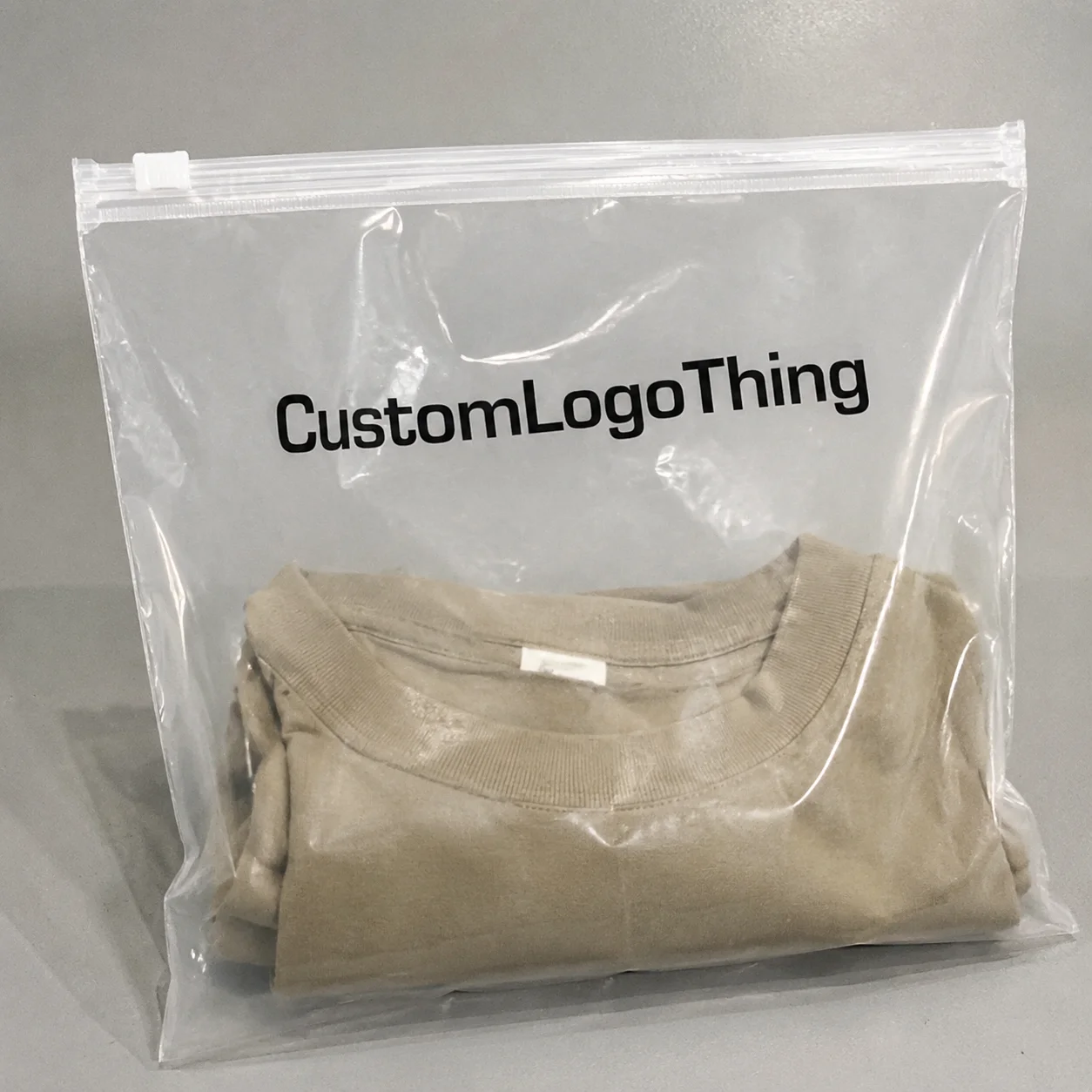
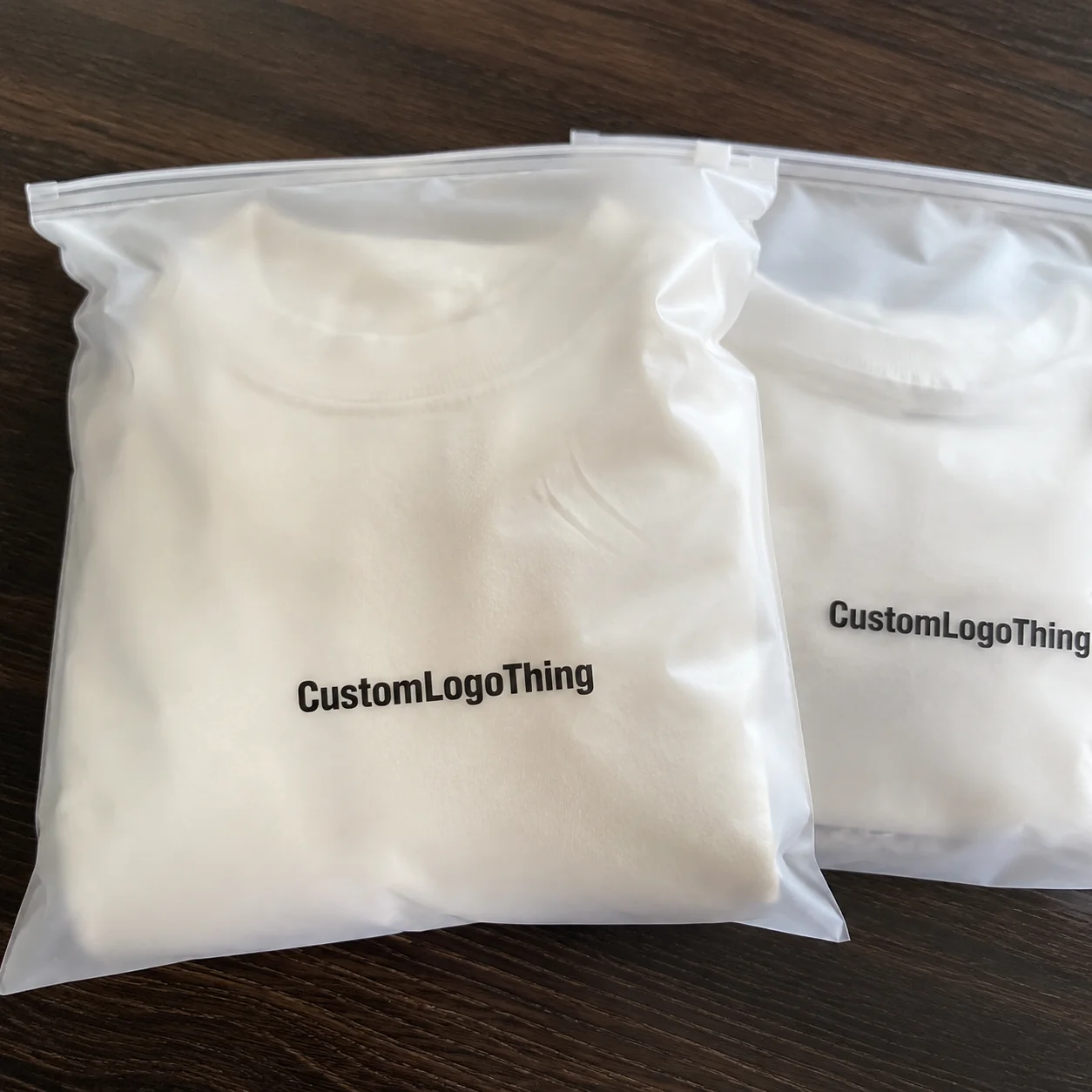
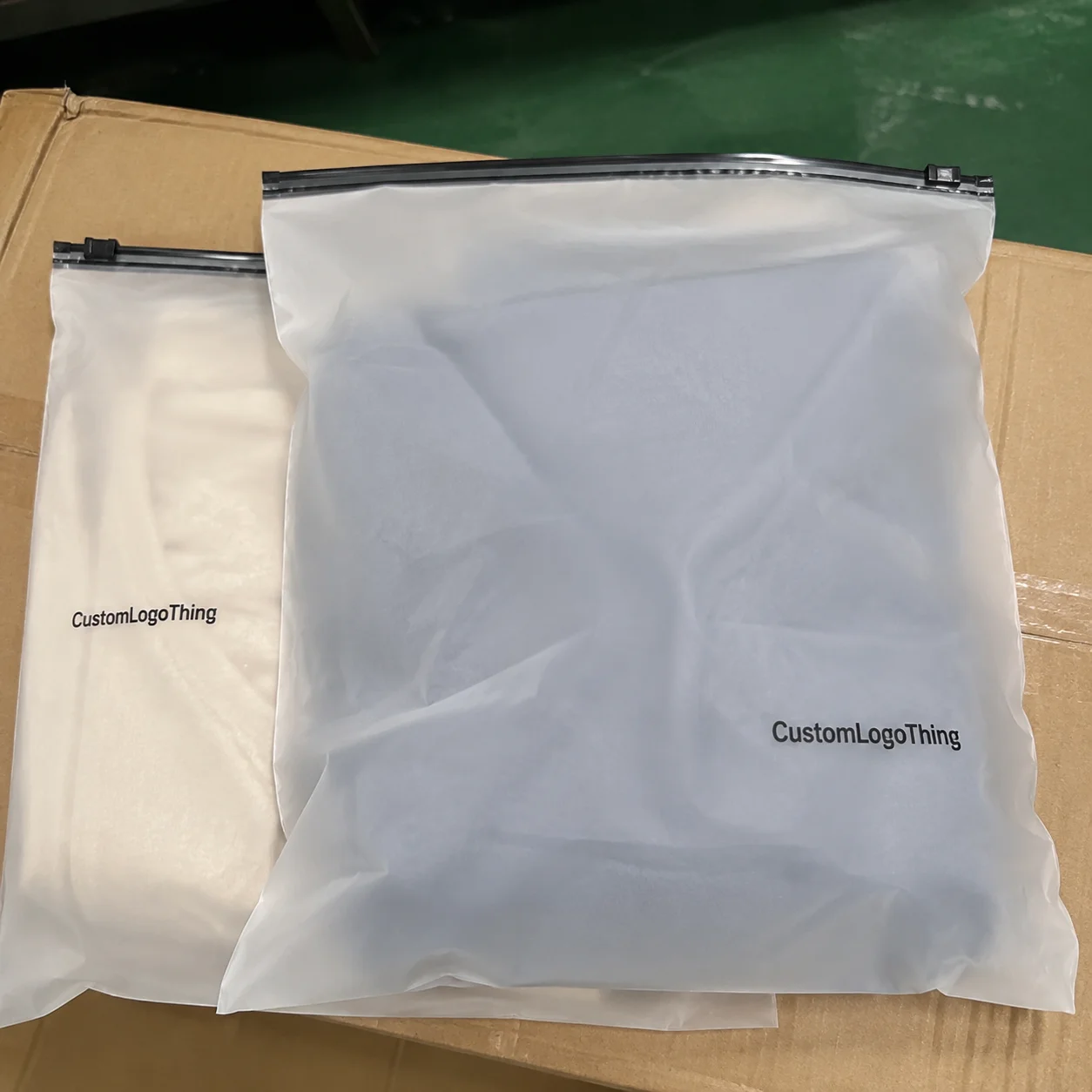
Buyer Fit Snapshot
| Best fit | Mailing Bags Pricing projects where brand print, material claims, artwork control, MOQ, and repeat-order consistency need to be specified before quoting. |
|---|---|
| Quote inputs | Share finished size, material target, print colors, finish, packing count, annual reorder estimate, ship-to region, and any compliance wording. |
| Proofing check | Approve dieline scale, logo placement, barcode or warning zones, color tolerance, closure strength, and carton packing before bulk production. |
| Main risk | Vague material claims, crowded artwork, missing packing details, or unclear freight terms can make a low unit price expensive after revisions. |
Fast answer: Mailing Bags Pricing: Quote Scope, Sample Proof, MOQ, and Lead Time should be specified like a repeatable production item. The safest quote records material, print method, finish, artwork proof, packing count, and reorder notes in one written spec.
Production checks before approval
Compare the actual filled-product size with the drawing, then confirm tolerance on folds, seals, hang holes, label areas, and retail display edges. Reserve space for logos, QR codes, warning copy, and material claims before decorative graphics fill the panel.
Quote comparison points
Review material grade, print process, finish, sampling route, tooling charges, carton quantity, and freight assumptions side by side. A quote is only useful when the supplier can repeat the same color, closure quality, and packing count on the next order.
Why Your Mailing Bag Bill Might Be Higher Than Expected
The first time I visited a polyethylene factory in Shenzhen, the sales manager pulled two mailing bags from a drawer. They looked identical. Same white color. Same dimensions. Same 2-mil thickness. But one's price was $0.14 per unit and the other's was $0.24. I asked him to explain. He held them up to the light. The cheaper one had inconsistent weld seams that split under moderate pressure. The expensive one had uniform heat seals that actually did what a poly mailer is supposed to do—protect the contents during transit.
That moment changed how I think about mailing bags pricing entirely.
If you've ever received a quote for custom mailing bags and thought "why does this cost so much more than I expected," you're not alone. When I was first sourcing packaging for my own brand, I budgeted around $500 for poly mailers and got quoted $1,200. The gap wasn't because suppliers were gouging me. It was because I had no idea what actually drives the cost of mailing bags. (Cue the dramatic sad trombone.)
This mailing bags pricing guide covers a transparent breakdown of every factor that affects what you pay. We'll go through material costs, setup fees nobody warns you about, the real impact of color printing, and why quantity matters so much. By the end, you'll know exactly why your quote looks the way it does—and how to negotiate better pricing for your next order.
Understanding Mailing Bag Pricing Structure
Before we get into specific numbers, let's establish how mailing bags pricing actually works. Most suppliers quote on a per-unit basis, but that single number hides a lot of complexity. It's like the iceberg that sank the Titanic—only 10% is visible.
When you look at the pricing structure, you need to understand three core components: material costs, production costs, and logistics costs. Material costs depend on the type of plastic—LDPE (low-density polyethylene) is the most common and typically the cheapest, while HDPE (high-density polyethylene) offers superior strength at thinner gauges. Biodegradable options exist too, but expect to pay 20-40% more than standard LDPE. (Yes, being environmentally friendly costs extra. Surprise, surprise.)
The production side gets more interesting. Suppliers calculate their per-bag rate based on how many units fit into each production run. A machine running for 8 hours producing 50,000 bags has different economics than one producing 10,000. This is why volume matters so much. Basically, the factory wants to minimize the number of times they have to stop the machine, clean it, and start over.
Real numbers from supplier quotes I've seen recently:
| Material Type | Typical Cost Range (Base) | Best Value Threshold |
|---|---|---|
| Standard LDPE (white) | $0.08 - $0.18 per bag | 10,000+ units |
| HDPE (enhanced durability) | $0.12 - $0.22 per bag | 5,000+ units |
| Recycled LDPE | $0.10 - $0.20 per bag | 7,500+ units |
| Biodegradable/Compostable | $0.15 - $0.35 per bag | 10,000+ units |
These numbers assume no custom printing. Add branding, and you enter a completely different pricing tier that we'll cover shortly.
What most first-time buyers miss is that suppliers rarely quote a flat per-bag rate. Your invoice might show the unit price, but then there's usually a setup fee, a film/artwork preparation charge, and sometimes a minimum quantity surcharge for orders below their threshold. Understanding this breakdown is essential when comparing quotes from different suppliers. Honestly, I wish someone had explained this to me before I had a minor meltdown over my first invoice.
Key Factors That Impact Your Mailing Bags Pricing
Now we get to the heart of this mailing bags pricing guide. I've identified five primary factors that determine what you'll pay. Understanding each one helps you make smart decisions about where to spend and where to save.
Size and Dimensions
Custom-sized mailing bags cost more than standard sizes. Here's why: standard sizes like 6"x9", 9"x12", and 14.5"x19" are cut from existing tooling. When you specify a non-standard dimension—say, 10.5"x15.25"—suppliers need to either modify existing equipment or create new cutting dies. That tooling cost gets passed to you.
I've seen tooling fees range from $150 for simple dimension tweaks to $800+ for completely custom shapes. If you're just starting out and working with a tight budget, stick close to industry-standard sizes. You can always switch to custom dimensions later once you've validated your product fits. (Unless you really, really want that oddly specific 11.25" x 14.75" mailer, in which case, start saving.)
Thickness (Mil Gauge)
Thickness directly impacts durability and cost. Poly mailers typically range from 1.5 mil to 4 mil. A 1.5 mil mailer works fine for lightweight items like apparel or soft goods. But if you're shipping anything with edges—books, electronics, jewelry—you want at least 2 mil, preferably 2.5.
The trade-off is straightforward: each 0.5 mil increase adds roughly 8-12% to your material cost. A 2 mil mailer at $0.12 per unit becomes $0.14 at 2.5 mil. That sounds small, but multiply it by 10,000 units and you're looking at a $200 difference.
My recommendation? Don't cheap out on thickness. I've had clients who switched from 1.5 mil to 2 mil and saw their damage returns drop by 60%. The savings on damaged goods far outweigh the marginal cost increase. Your customer's unboxing experience shouldn't include finding their product spilled across their doorstep because the bag decided to quit mid-transit.
Color and Printing
This is where mailing bags pricing gets complicated fast. Blank white mailing bags are the budget option. Add printing, and costs escalate quickly.
Single-color printing (typically one Pantone color or black) uses a screen printing process. Setup involves creating screens, mixing ink, and calibrating the machine. That setup fee typically runs $50-$150 per color. For a 5,000-unit order, that adds $0.01-$0.03 per bag just to cover setup.
Full-color process printing (4-color CMYK) requires a different approach—usually flexographic or rotogravure printing. Setup fees can hit $300-$500, and there's typically a minimum order quantity of 5,000-10,000 units to make the process economically viable.
When advising clients on this, I usually say: if your brand color is critical, invest in single-color screen printing. The Pantone matching fee is worth it. If you're trying to print a complex logo with gradients, prepare to pay significantly more or simplify your design. Or, you know, redesign your entire brand identity around printing-friendly gradients. (That was a joke. Please don't actually do that.)
Add-Ons and Features
Every "extra" feature on a mailing bag costs money. The main options to consider:
- Tamper-evident adhesive seals: Adds $0.01-$0.04 per unit. Essential for e-commerce brands that want customers to know if the package was opened before delivery.
- Vent holes (punch holes for breathability): Usually $0.005-$0.01 per unit. Needed if you're shipping items that might generate moisture.
- Matte vs. glossy finish: Lamination costs add $0.02-$0.05 per unit. Matte feels premium; glossy photographs better.
- Wallet pockets (pouch inside for invoices): Adds $0.02-$0.03 per unit. Useful for returns but not always necessary.
- Peel-and-seal strips: Standard on most poly mailers, but if you want resealable functionality, expect a 15-20% premium.
The point isn't to eliminate all add-ons—it's to make conscious decisions about which features actually matter for your product and customer experience. I once had a client who insisted on matte lamination AND a wallet pocket AND vent holes AND tamper-evident seals... for mailing lightweight silk scarves. The per-unit cost was insane. The scarves didn't need any of it. Sometimes restraint is your friend.
Order Quantity
This factor alone can double or halve your per-unit cost. Volume pricing in the mailing bags industry is aggressive.
Discount structures I've observed across multiple supplier negotiations:
- 500 units: Base price
- 1,000 units: 5-8% discount
- 2,500 units: 12-15% discount
- 5,000 units: 20-25% discount
- 10,000+ units: 30-40% discount
The exact percentages vary by supplier and material, but the pattern is consistent. Suppliers need to recoup their setup costs. Running a machine for 2 hours to produce 500 units is economically painful. Running it for 8 hours to produce 10,000 units is profitable. (And happy suppliers = better customer service for you. Trust me on this.)
If you have storage space, buying in bulk makes financial sense. But be honest about your cash flow and storage capacity. A 40% discount means nothing if you're paying for warehouse space to store a two-year supply of mailing bags. I've seen businesses get seduced by the price break, overextend their cash flow, and then panic when they couldn't make payroll because $15,000 was sitting in a storage unit wrapped in plastic.
How to Get Accurate Mailing Bags Pricing (Step-by-Step)
Now that you understand what drives costs, let's talk about actually getting accurate quotes. I've helped dozens of clients through this process, and the methodology matters.
Step 1: Define Your Specifications Completely
Before you email a single supplier, nail down every detail: exact dimensions (width x length + flap), material type and thickness, color requirements, quantity needed, and any add-on features. Vague requests get vague answers. "I need some poly mailers with my logo" will result in a quote that doesn't match your final order.
Create a one-page spec sheet. Include your brand guidelines, Pantone color codes, and the address where samples should be shipped. When suppliers see this level of detail, they take you more seriously—and the quotes you receive will be more accurate.
Step 2: Request Quotes From Multiple Suppliers
I always recommend getting at least three quotes, but they need to be comparable. Send the exact same specifications to each supplier. If Supplier A quotes on 2 mil thickness and Supplier B quotes on 2.5 mil, you're not comparing apples to apples.
When I was sourcing for a subscription box client, I received four quotes for what seemed like the same order. One supplier's quote was $0.14 per unit—but that was for 1.5 mil mailers with no adhesive seal. Another quoted $0.19 for 2 mil with a peel-seal closure. Same "order," completely different products. I nearly signed with the first supplier before I caught it. The lesson: read every line. Every. Single. Line.
Step 3: Break Down the Numbers
When comparing quotes, don't just look at the per-bag price. Request itemized costs:
- Unit price
- Setup/tooling fees
- Artwork/design preparation charges
- Shipping costs and lead times
- Payment terms and deposit requirements
A supplier quoting $0.12 per bag with a $300 setup fee might be more expensive than a competitor quoting $0.14 per bag with no setup fee—at least for smaller orders. Calculate the total cost, not just the unit rate. This is basic math that somehow trips up half the people I work with. No judgment—I was one of them once.
Step 4: Ask About Volume Discounts and Lead Times
Never accept the first quote as final. Ask suppliers directly: "What would pricing look like if we increased the order to X units?" or "Do you offer annual pricing for recurring orders?"
Lead times matter too. A supplier offering 7-day turnaround might charge 15-20% more than one requiring 21 days. If you're on a tight deadline, that premium is worth it. But if you can plan ahead, you can avoid the rush fees. (And honestly, nothing tests a business relationship quite like a last-minute packaging emergency. Take the extra time. Your future self will thank you.)
Step 5: Negotiate Based on Volume Commitments
This is where things get interesting. If you're planning to order mailing bags regularly—and you should be, if you're running an e-commerce operation—use that to your advantage.
I negotiated with our main supplier by committing to quarterly orders of 7,500 units each. In exchange, they locked pricing for 12 months and waived the setup fee for reorders. Total savings over a year: roughly $1,400. That's real money that went back into product development. Fourteen hundred dollars. Do you know how many espresso machines that buys? (A lot. The answer is a lot.)
Negotiate. Suppliers want repeat business. Present your projected volume honestly and ask what they're willing to do for a committed relationship.
Common Pricing Mistakes to Avoid
After years of working with packaging suppliers, I've seen these mistakes repeatedly. Learn from them so you don't repeat them.
Choosing Lowest Price Without Quality Verification
That $0.08 per unit quote from an unknown supplier? There's usually a reason it's cheap. Maybe the weld seams are weak. Maybe the thickness is inconsistent. Maybe they use cheaper resin that degrades faster in storage.
Always request samples before placing large orders. A $200 sample order upfront saves you from a $20,000 mistake later. I test samples by filling them with items of comparable weight to what I'll actually ship, then simulating shipping stress—dropping, stacking, light pressure. Is it scientific? Not exactly. Does it work? Absolutely.
Ignoring Setup Fees
First-time buyers often focus exclusively on unit price. Then they get the invoice and wonder why it's 30% higher than expected. Setup fees—sometimes called tooling charges, film costs, or preparation fees—can be substantial.
Ask upfront: "What are all the fees associated with this order?" Get it in writing. A reputable supplier will provide a complete cost breakdown before you commit. If they hem and haw about "variable costs" and "case-by-case pricing," that's a red flag. Walk away. Or at least walk away from that particular quote.
Not Factoring in Shipping Weight
Poly mailers are lightweight but bulky. A pallet of 10,000 standard 9x12 mailers might weigh only 200 pounds—but it takes up significant trailer space. Shipping costs are often calculated on dimensional weight (how much space it takes) rather than actual weight.
I once worked with a client who chose an overseas supplier because their unit price was $0.03 cheaper per bag. By the time they paid sea freight, customs duties, and expedited shipping to meet their launch date, they paid $2,400 more than they would have with a domestic supplier. They still talk about this. At Thanksgiving. To everyone. The lesson: always calculate landed costs, not just unit price.
Overlooking Minimum Order Quantities
Most suppliers have MOQs (minimum order quantities). Custom-printed mailing bags typically require 1,000-5,000 units minimum. Some suppliers won't even produce custom designs below 2,500 units.
If you need only 500 custom mailers for a limited campaign, you might be forced to buy 2,500 or pay a premium for a smaller run. Factor this into your decision—sometimes it makes more sense to use blank stock for small runs and save custom printing for when you can meet the MOQ. Your brand will survive with an unprinted bag for one product launch. Your budget might not survive a 5x minimum order you don't need.
Forgetting Exchange Rate Volatility
If you're working with overseas suppliers, exchange rates can turn a good deal into a bad one. I've seen clients budget $0.15 per unit when the exchange rate was favorable, then face a 15% cost increase three months later when the currency shifted.
When possible, lock in pricing in your local currency or negotiate prices in USD to remove exchange rate uncertainty from your calculations. Currency fluctuations are unpredictable enough without them torpedoing your packaging budget.
Pro Tips for Reducing Your Mailing Bags Cost
I've covered what to avoid. Now let's talk strategy for getting better pricing on your mailing bags.
Consolidate Orders to Hit Better Volume Thresholds
If you're ordering 3,000 units monthly, consider ordering 9,000-12,000 units quarterly instead. That consolidation moves you into a higher volume discount tier. Calculate whether the upfront cash outlay and storage costs make sense against the per-unit savings.
For some businesses, this math doesn't work. For others, it's the single biggest optimization they can make. I can't tell you which category you're in—you'll have to run the numbers. (Or hire someone to run them for you. Just kidding. Kind of.)
Stick to Standard Sizes When Possible
Custom dimensions sound appealing for a "perfect fit," but they cost more. I've had clients redesign their packaging to fit standard mailer sizes, saving thousands annually. Before requesting custom dimensions, ask yourself: "Is this fit critical to customer experience, or am I optimizing for aesthetics?"
If you're curious about standard options, check out Custom Poly Mailers in our catalog—we offer multiple standard sizes with customization available.
Limit Colors for Screen Printing Savings
Every additional color adds setup time, screen creation, and potential alignment issues. A one-color print job might take 2 hours to set up. A three-color job could take 6 hours. That labor gets passed to you.
If your brand allows it, simplify your design to one or two colors maximum. You can often achieve brand recognition through clever use of negative space and strategic color placement rather than adding more ink colors. Think about the Amazon logo, for example. (The smile arrow, not the text.) That's one color, minimal complexity, instantly recognizable. Now look at your busy multicolor design and ask yourself if it really needs all those hues.
Build Supplier Relationships
This is the single most underrated cost-reduction strategy. When you place regular orders with the same supplier, you become valuable to them. They know your order history, your quality standards, your deadlines.
I've had suppliers call me when they had excess production capacity, offering significant discounts to fill that machine time. One call saved me 25% on a 10,000-unit order. That kind of relationship advantage doesn't come from chasing the lowest quote every time.
Be a good customer. Return calls promptly. Pay on time. Don't ghost suppliers when you don't need them. (Yes, people do this. Yes, it's as awkward as it sounds.) When you do need something urgent, they'll prioritize you over someone who only calls when they want something.
Consider Regional Suppliers
Shipping costs and lead times favor suppliers closer to your fulfillment operation. A domestic supplier might quote $0.16 per unit versus $0.12 from overseas—but when you factor in freight, duties, and longer lead times, domestic often wins on total cost.
According to the International Safe Transit Association, packaging supply chain efficiency increasingly rewards geographic proximity. Longer shipping routes mean more handling, more potential for damage, and longer lead times that tie up your working capital.
I source from a mix: domestic suppliers for urgent needs and high-volume ongoing orders, international suppliers for very large orders where I have planning lead time. The key is doing the math on total cost, not just unit price. I've been burned enough times to know that cheapest isn't always cheapest.
Your Mailing Bags Pricing Action Plan
Alright. We've covered the theory. Time to convert this into action. No more excuses. Let's go.
Audit Your Current Packaging Spend
Before you can improve, You Need to Know where you stand. Calculate your current cost per mailing bag including everything: unit price, shipping, storage, damage rate from inadequate protection. If you're using 2-mil mailers that tear 3% of the time, factor in replacement costs.
You might discover that the "cheapest" option is actually the most expensive when you account for all costs. This happens more often than you'd think. I've seen it dozens of times. Usually the person is embarrassed, but there's no reason to be—we all started somewhere, and this stuff isn't taught in business school.
Get Detailed Quotes With Itemized Costs
When you request new quotes, demand itemization. Every line item. Setup fees, tooling, shipping, the works. When suppliers see you're scrutinizing their pricing, they'll often tighten their numbers. Nobody wants to be the supplier with the inflated line items.
Request Physical Samples
Never place a large order without seeing, touching, and testing physical samples first. Most suppliers provide samples for the cost of shipping. If a supplier refuses to send samples, that's a red flag—walk away. This isn't a dating app where you're afraid to ask too much. They're trying to sell you thousands of dollars worth of product. Samples are part of due diligence.
Calculate Total Cost Including Shipping
Build a comparison spreadsheet. Include:
- Unit price
- Setup fees
- Estimated shipping cost per unit
- Lead time (and the cost of capital tied up in that time)
- Expected defect/damage rate
Add these together to get your true cost per bag. This is the number that matters, not the quoted unit rate. I know someone who built a whole pricing model in Google Sheets with conditional formatting to highlight the best option. He calls it his "mailing bag calculator." He shows it to everyone. Is it a little nerdy? Yes. Has it saved him thousands? Also yes.
Lock In Pricing With a Supplier Relationship
Once you've found a quality supplier at a fair price, invest in that relationship. Commit to regular orders, pay on time, provide clear communication. In exchange, ask for locked pricing, waived setup fees on reorders, or priority production slots.
The goal is predictable budgeting. If you know you'll need 50,000 mailing bags over the next 12 months, you want to know that cost upfront, not get surprised by price increases every quarter. Predictability is underrated. It lets you build accurate financial projections, which lets you make better decisions about everything else.
Review Annually
Packaging material costs fluctuate based on resin prices, fuel costs, and market competition. Set a calendar reminder to review your mailing bags pricing each year. Even if you're locked into a relationship, market conditions change. What was a good price last year might be negotiable this year.
I review our packaging contracts every January. It's become a ritual—along with getting our FSC certifications renewed, it's part of how we maintain both our competitive edge and our environmental commitments. Is it my favorite day of the year? No. But neither is doing taxes, and we all still do those.
How Much Do Mailing Bags Cost? (Your FAQ Answered)
How much do Poly Mailers Cost Per unit?
Standard White Poly Mailers without printing typically range from $0.08 to $0.25 per bag depending on size, thickness, and order quantity. Custom Printed Mailers with single-color branding usually cost $0.15 to $0.50 per bag, with setup fees of $50 to $300 added on top. Prices decrease significantly once you hit 10,000+ units—in some cases dropping below $0.10 per unit for standard blanks. When comparing mailing bags pricing, always factor in these volume discounts and any additional features you require.
What is the minimum order quantity for custom mailing bags?
Most suppliers require 1,000 to 5,000 units for custom-printed mailing bags. Some offer 500-unit minimums if you're using standard colors without custom branding. Blank stock—unprinted mailing bags in standard sizes—is often available in 100-unit increments from stock suppliers, though unit pricing will be higher than bulk orders.
Are biodegradable mailing bags more expensive?
Yes, typically 20-40% more than standard LDPE options. The premium varies by certification level—truly compostable bags certified to industrial compost standards cost more than bags simply labeled "biodegradable" without verification. At higher volumes, though, the price gap narrows. We saw biodegradable options drop from a 35% premium to a 22% premium once we hit 10,000-unit orders with a certified supplier.
How do shipping costs affect total mailing bag pricing?
Poly mailers are lightweight but take up significant space due to their bulk. This means shipping is often calculated on dimensional weight rather than actual weight. For large orders, domestic suppliers often provide a better total cost when you factor in freight, customs duties, and the lead time required for overseas shipping. A supplier quoting $0.03 per unit cheaper might not be cheaper once shipping is included.
Can I get a better price on mailing bags if I negotiate?
Absolutely. Always negotiate, especially for orders over 5,000 units. Offer annual volume commitments in exchange for locked pricing. Reference competitor quotes to leverage better deals. I've successfully negotiated setup fee waivers, volume discounts, and priority lead times just by being upfront about what competitors quoted
FAQ
What should I verify before ordering Mailing Bags Pricing?
Confirm the product size, material, print method, quantity, sample route, packing count, and delivery date. A clear packaging spec is easier to quote, easier to approve, and easier to reorder.
How many samples should I review before bulk production?
At minimum, review one production-grade sample or proof that shows scale, color, logo placement, finish, and packing fit. For high-volume orders, keep the approved sample as the reference standard.
What usually changes the final cost?
Material grade, printing method, finish, tooling, quantity, packing method, revision count, and freight assumptions can all move the final price.