Matte zipper Bags for Bakeries Unit cost is usually the first number buyers ask for, but the answer only makes sense after the pouch structure is pinned down. Size, film gauge, zipper style, print coverage, and order quantity all move the price. So does the product itself. A bag holding biscotti behaves differently from one holding soft rolls or oily snack mixes, and the packaging needs to reflect that difference rather than hide it.
Matte finishes earn their place in bakery packaging for practical reasons, not just appearance. Under bright shelf lighting, matte surfaces reduce glare and keep the logo, flavor name, and ingredient copy readable. They also photograph better for ecommerce and social listings, where a shiny pouch can throw reflections across the panel. That matters more than many buyers expect, because the same package now has to sell in-store and on a screen.
The better question is not whether matte looks premium. It usually does. The useful question is whether the finish helps the product move cleanly through filling, display, and repeat opening. If the answer is yes, the package is doing work. If not, the buyer is paying for style with no operational return.
Why matte zipper bags outperform glossy pouches in bakery cases
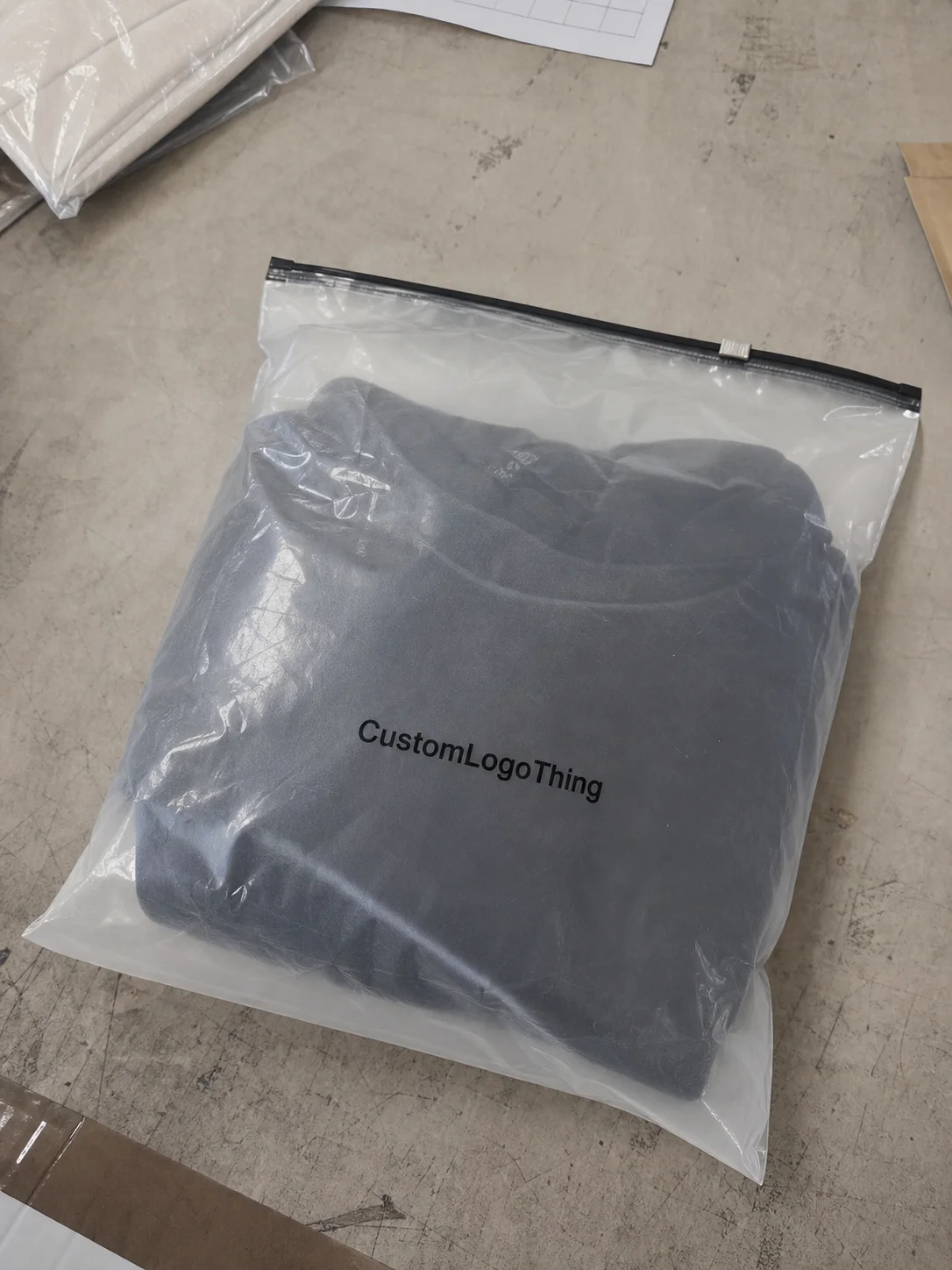
Glossy film can look sharp in a proof and disappointing under store lights. The reflection can wash out a brand mark or make a white nutrition panel harder to read. Matte pouches behave differently. They soften the surface, hold type more evenly, and make small-format packaging feel less cluttered. For a bakery case, that often translates into better legibility at a glance.
There is also a merchandising angle. Bakery shelves are usually dense with competing textures: cardboard boxes, clear clamshells, paper bags, laminated wraps. A matte zipper bag cuts through that noise without shouting. It gives the package a restrained, finished look, which suits cookies, crackers, pastries, tea biscuits, and small-batch snack mixes that depend on trust and cleanliness more than volume.
Resealability matters after the first purchase. A customer may open the bag at home, close it twice a day, and carry it around in a lunch tote. If the zipper holds and the seal remains intact, the package extends shelf life and reduces stale-product complaints. That convenience can justify a higher shelf price because the buyer is getting storage and presentation in one format.
Matte is not automatically the right choice. Dark inks on matte film can look dense and elegant, but heavy ink coverage can also expose scuffing if the film is soft or the carton pack is rough. A glossy pouch may be better for certain high-shine brands or for products that are sold primarily by price rather than feel. The right finish depends on where the bag will sit, how it will be handled, and what kind of signal the bakery wants to send.
In practice, matte pouches tend to perform best where the package has to carry a premium signal without becoming fragile. That is a narrow lane, but a valuable one.
What a bakery zipper bag needs to do after the first sale
A bakery bag is only successful if it keeps working after it leaves the display. The first sale is not the end of the job. The pouch still has to resist grease, hold shape in transit, stay closed after opening, and avoid seal creep under normal handling. If any one of those fails, the package becomes a complaint instead of a container.
Different bakery products stress a pouch in different ways. Cookies and biscotti are relatively gentle on the film but can create crumbs that interfere with the zipper track. Granola and snack mixes are more punishing because the pieces press into corners and can abrade the inside of the pouch. Soft pastries and buns are a different problem again: they need more headspace and a mouth that opens wide enough for fast loading without creasing the top seal.
Moisture sensitivity changes the equation further. Freeze-dried treats and crisp baked goods need strong moisture control. A simple pouch that looks fine in a mockup can fail once the product sits on a counter for several days. The packaging may still look clean, but texture loss has already happened. That is why a bakery should match the barrier level to the actual product life, not to a generic “food-grade” label.
The zipper deserves real scrutiny. A light-duty profile may be enough for small snack items, but repeated opening can stress the interlock. A more defined zipper profile, a better heat-seal window, or a wider closure zone may cost a little more and save a lot later. Buyers often focus on the printed face and treat the closure as a commodity. That is backwards. A weak closure can turn an otherwise solid pouch into dead inventory.
For pack-out, the bag also has to cooperate with the line. If the top opening is too narrow, fillers slow down. If the gusset collapses before sealing, operators start compensating by hand. That inconsistency shows up in labor cost before it shows up in returns. Packaging that seems slightly oversized on a drawing can be exactly right on the floor.
Material, seal, and print specs that affect performance
Most of the cost lives in the structure below the printed surface. A common bakery format uses PET/PE, sometimes with a matte outer layer or matte lamination over a printed film. That stack gives a clean surface and a workable heat seal. If the product needs more protection from oxygen or moisture, a barrier layer can be added. That can improve shelf life, but it also raises material cost and often tightens the supplier’s minimums.
Film thickness is one of the easiest specs to misunderstand. Two pouches can have the same dimensions and wildly different behavior if one uses a lighter gauge and the other uses a heavier one. Thicker film usually improves puncture resistance, stand-up stability, and resistance to corner damage, especially for products with sharp edges or dense fill. It also increases raw material spend. That is why a buyer comparing quotes should never stop at pouch size alone.
Seal geometry matters just as much. A narrow seal area can be enough for a light snack, but once the product gets heavier or the zipper line is close to the top, seal strength becomes a real production risk. Suppliers should be able to tell you what seal target they use and how they verify it. ASTM F88 is a common reference for seal strength testing, while leak screening methods can vary by structure and product. For transit testing, many teams use ISTA procedures because they give a repeatable way to simulate shipping abuse. If the packaging program includes paper-based cartons or display boards, FSC certification is a simple way to specify responsible sourcing where it matters.
Print is a quiet price driver. A one-color logo on matte film is straightforward. Full-bleed art, fine type, multiple spot colors, and white underprint all add complexity. Tight registration raises the rejection risk and can increase waste on press. In other words, a cleaner design often costs less to run and is easier to keep consistent from batch to batch.
Food-contact compliance and dimensional tolerance matter more than most proofs suggest. A pouch that is a few millimeters off can still look acceptable on a screen and still cause trouble on a filling line. It may bridge at the opening, wrinkle during sealing, or leave too little headspace. For irregular bakery items, a small pilot fill is worth more than a polished rendering.
Matte zipper bags for bakeries unit cost: what drives the quote
The phrase matte zipper Bags for Bakeries unit cost sounds simple, but the quote behind it is built from several layers. Size is the obvious one. A larger pouch uses more film and usually demands a stronger zipper or broader seal zone. Beyond that, the material stack, the print method, the finish, and the conversion steps all push the number up or down.
MOQ is one of the strongest cost levers. A short run carries more setup cost per piece because artwork handling, press setup, proofs, and waste are spread across fewer bags. A larger run lowers the unit cost, sometimes sharply, but only if the bakery can actually use the inventory. Ordering 20,000 bags because the unit price is better can be a bad decision if the SKU changes in six months.
Tooling and setup fees also need to be separated from the bag price. Some suppliers charge plates, cylinders, or general setup as one-time costs. Others build those charges into the unit price and make the quote look cleaner than it is. A fair comparison requires the same spec, the same shipping terms, and the same treatment of sample and tooling fees. Otherwise the buyer is comparing three different deals and pretending they are one.
The cheapest pouch is not the cheapest package if it leaks, wrinkles, or forces a reprint. A useful quote shows what is included, what is excluded, and what can change after artwork approval.
| Option | Typical MOQ | Indicative cost per piece | What drives the price |
|---|---|---|---|
| Matte flat pouch, one-color logo, no window | 3,000 to 5,000 | $0.18 to $0.32 | Simple print, lower ink coverage, lighter structure |
| Matte stand-up pouch, one window, two to four colors | 5,000 to 10,000 | $0.28 to $0.48 | More conversion steps, extra material, stronger shelf presence |
| Heavy-gauge barrier pouch, full-bleed print, specialty zipper | 10,000+ | $0.35 to $0.65 | Higher film cost, more setup, tighter production control |
Those figures are directional. Freight, cartons, destination, and payment terms can change the landed cost enough to matter. A bag that looks inexpensive ex-factory may not be cheap once shipping, customs, and carton handling are included. Buyers should ask for a landed quote or at least a quote that breaks out freight and packaging charges separately.
Matte itself is usually not the biggest price swing. In many cases, the larger cost change comes from the laminate stack or the order volume, not the finish alone. A supplier who blames the matte surface for a large price jump should be able to explain which layer changed and why. If that explanation is vague, the quote needs a second pass.
There is also a useful comparison that buyers often miss: a slightly better film and closure can reduce damage, which lowers waste. If a bakery throws away 3 percent fewer bags because the pouch stands better on the line or survives transport more reliably, the unit cost may look higher on paper and lower in practice. Packaging economics do not end at the invoice.
Production steps, lead time, and approval checkpoints
A clean program starts with the specification sheet. The supplier should confirm pouch dimensions, fill weight, zipper direction, print area, finish, and delivery destination before quoting is finalized. That sounds basic. It is also the point where many mistakes begin, because one side is thinking of a stand-up pouch and the other is pricing a flat bag with the same face size.
Artwork review is the next gate. If the design is already locked, the proof cycle can move fast. If the bakery is still adjusting ingredient copy, claims, or flavor variants, the schedule stretches. First-time artwork usually takes longer because every approval passes through more people than the printer. Production is rarely the bottleneck; decision-making is.
Lead time depends on how custom the pouch is. A reprint on an existing structure is faster than a new laminate, a new zipper profile, or a custom-shaped pouch with a matte finish and full coverage art. Larger orders also take longer simply because the press time and conversion time are longer. Buyers should ask for production time separately from transit time so they do not confuse factory completion with delivery.
Before the order is released, three checks matter more than the rest: final dieline approval, a real fill test, and confirmation of pack-out method. That last point is easy to skip and hard to fix later. If the bakery product is crumbly, oily, or irregular, it can behave differently in a real pouch than it does in a sample pack. A test fill catches those problems before they turn into waste.
- Approve the final dieline before print.
- Confirm the seal area and zipper style against the fill weight.
- Review the matte finish under store lighting, not just under office lighting.
- Check carton counts and freight terms before release.
If a supplier cannot explain where the time goes, the schedule is incomplete. A short promise with no breakdown is less useful than a longer lead time with clear checkpoints. For packaging programs, predictability beats speed with surprises.
What to expect from a bakery pouch supplier
A good supplier does more than take an order. It translates a bakery product into a manufacturable pouch without padding the spec or cutting corners. That means practical advice on material, realistic MOQ guidance, and a quote that separates tooling, freight, and sample charges instead of hiding them in one line.
That level of detail matters because bakery packaging is rarely one SKU for long. A brand may need one pouch for biscotti, another for soft cookies, and a third for seasonal snack assortments. If each item is treated as a one-off, the program becomes expensive and inconsistent. If the supplier can group the family by shared film, shared zipper style, or shared print logic, the buyer usually gets better pricing and a cleaner shelf look.
The sample stage should do real work. A proof catches layout errors. A physical sample catches handling issues. A filled sample catches the problems that a mockup cannot show, such as zipper interference, awkward product corners, or a top seal that sits too close to the fill line. Those checks are not bureaucracy. They are how a buyer avoids paying twice.
There is a quality control side too. Ask how the supplier checks seal width, registration, zipper alignment, and pouch dimensions at production. A reasonable answer should mention in-line checks, lot sampling, or release criteria. If the process sounds vague, the risk is higher than the quote suggests. Good packaging vendors can describe control points without sounding defensive.
For buyers, the value is not just print quality. It is consistency. A bakery that sells by weight, date code, and shelf presentation cannot afford a pouch that shifts from batch to batch. The supplier’s job is to make the spec repeatable.
Next steps to request an accurate bakery bag quote
If you want a quote that reflects reality, send the complete spec set. The most useful details are pouch size, product weight, print colors, finish preference, zipper type, quantity, and destination. Photos help too, especially if the product is irregular, greasy, delicate, or sold in mixed bundles. A bakery item that looks simple in a note can be difficult in a pouch.
Stepped pricing is worth asking for. Request the same pouch at two or three quantities so you can see where the unit cost drops enough to justify a larger buy. That is the cleanest way to evaluate matte Zipper Bags for Bakeries Unit cost without overordering on the basis of a small pricing gap. If the savings are real, the volume will show it. If not, the lower MOQ may be the smarter move.
If several flavors or seasonal variants are planned, quote them together. Shared tooling, shared film structure, and a common zipper type often create better bulk pricing than sending each SKU separately. A supplier can also show which parts of the program are fixed and which parts scale with quantity. That makes internal approval easier because operations and marketing are looking at the same numbers.
Send this information:
- Pouch size and fill weight.
- Artwork files or at least logo and label copy.
- Preferred matte finish, zipper type, and whether a window is needed.
- Estimated order quantity and any repeat volumes.
- Shipping destination for landed pricing.
That is usually enough for a supplier to quote a pouch that fits the product, the line, and the budget. A good quote does not just answer how much each bag costs. It shows whether the bag can be made at scale, packed without trouble, and sold without embarrassment.
How does matte finish change bakery pouch unit cost?
Matte finish can add cost if it requires a specialty laminate or an extra conversion step, but the increase is usually smaller than the effect of pouch size, film thickness, and print complexity. In many programs, MOQ and barrier requirements drive the quote more than the surface finish itself.
What MOQ is typical for custom bakery zipper bags?
MOQ depends on structure, print method, and whether the pouch is a standard shape or a custom build. Smaller runs can make sense for test launches, but the unit cost usually improves once the setup charges are spread across a larger order. Stepped pricing is the best way to see the break points.
Which bakery products work best in matte zipper bags?
Cookies, biscotti, crackers, granola, snack mixes, pastries, and other packaged baked goods work well in Matte Zipper Bags if the structure is matched to the product. Oilier or heavier items may need a thicker film or a stronger barrier layer to protect the seal and keep the pouch looking clean.
How long does production usually take after artwork approval?
Lead time depends on the level of customization, the order size, and the supplier’s production schedule. A simple reprint moves faster than a new structure with special print effects. Ask for production time separately from shipping time so you know when the bags will actually arrive.
What information should I send to get an accurate quote?
Send pouch dimensions, product weight, print requirements, finish preference, zipper style, quantity, and destination. If possible, include photos of the product and notes on the packing method. That gives the supplier enough context to recommend a structure before quoting the job.


