A hat can carry a logo, survive a press drop, and still look clean in a selfie. That is why the Mesh Trucker Hats wholesale supplier for cosmetics brand buyers is judged less on catalog size than on how well the cap ships, photographs, and repeats across orders. Beauty teams are not only buying headwear. They are buying a branding object that has to sit beside packaging, hold up under lights, and avoid becoming the weak link in a launch kit.
Mesh Trucker Hats work because they are lighter than many structured caps, easier to flatten in packing, and less likely to arrive crushed in mailers or freight cartons. That matters for influencer kits, pop-up merch, staff uniforms, retail counter giveaways, and loyalty drops. One bent brim or scuffed front panel can make the whole package feel underplanned. The best supplier understands that the cap is part of the brand story, not a leftover line item.
Why Cosmetics Buyers Use Mesh Trucker Hats in Launch Kits
The search for a mesh Trucker Hats Wholesale Supplier for cosmetics brand buyers usually starts with logistics, not fashion. Hats need to look good on camera, fit in a mailer, and survive hand-packing, stacking, and warehouse handling. A mesh-back cap helps because it cuts bulk and weight while keeping a recognizable silhouette. For a brand sending 500 kits or 5,000, that difference affects carton count, shipping cost, and the number of replacement units you may need to hold back.
Cosmetics teams also use caps for different jobs, and the build should change with the use case. Influencer kits often need a cleaner front panel and sharper logo placement because the cap will be photographed with product and unboxed under bright lighting. Staff uniforms need comfort, repeat wear, and an adjustable closure that does not loosen after a few shifts. Pop-up merch can tolerate bolder contrast and more trend-driven styling. Retail counter giveaways usually need simpler decoration and easy replenishment. The question is not only what looks good on a mockup. It is what holds up once the order is in circulation.
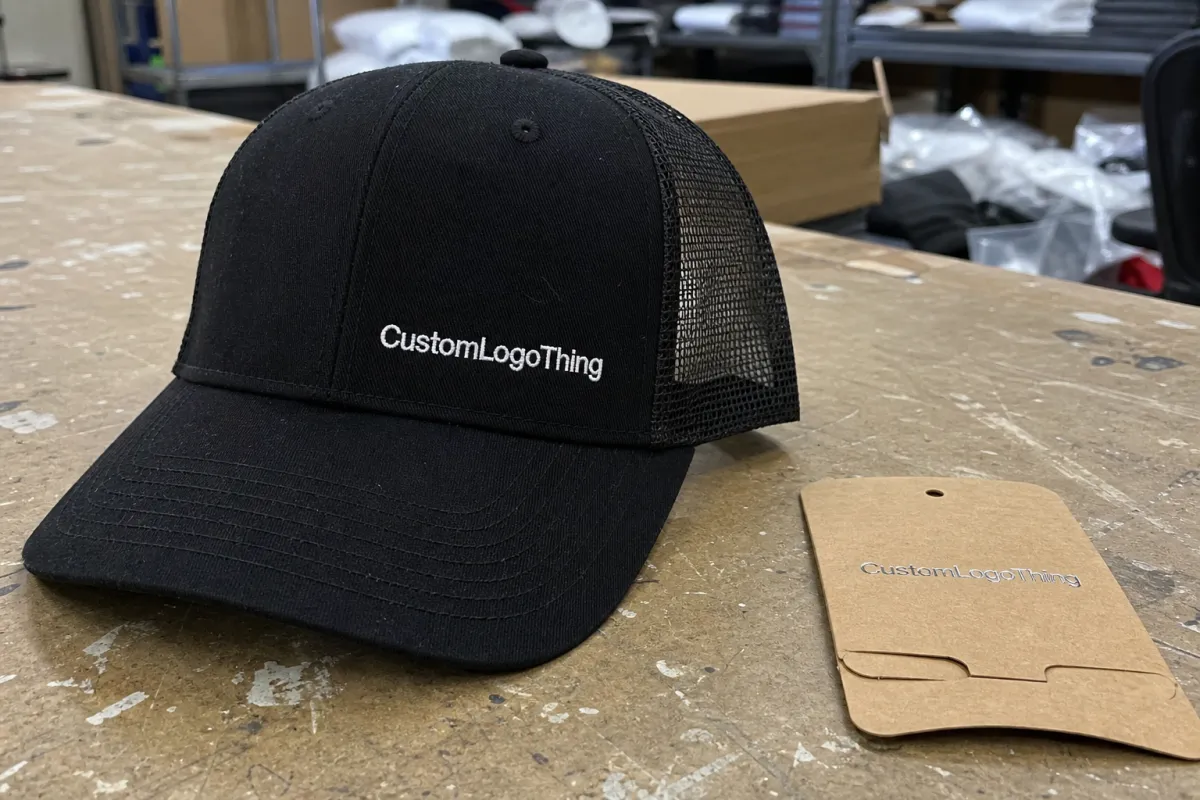
One practical advantage is that mesh trucker caps support brand recognition without demanding complicated packaging. They can ship flat, photograph well beside skincare jars or color cosmetics, and still feel deliberate if the color blocking is controlled. A black front panel with white embroidery reads differently from a cream cap with tonal mesh, and that difference changes how polished the product feels on shelf or in a feed.
A low quote stops being useful the moment uneven stitching, weak structure, or a poor packing format turns every carton into a rework project.
Another reason beauty buyers keep returning to this category is speed. Caps are easier to approve than many apparel items because the size range is flexible and the decoration surface is simple. That does not mean they are automatic. It means the decisions that matter are concentrated in fewer places: front panel build, mesh density, closure type, and the quality of the decoration file.
Panels, Mesh Density, and Decoration That Hold Up on Shelf
Build quality starts with the front panel. A stiffer front gives the cap shape and improves shelf presence, while a softer front feels more casual but can collapse in transit. Mesh density matters too. Open mesh breathes better, but if it is too loose, the cap can read as cheap or distort under photography. Cosmetic brands usually want a middle ground: enough airflow to make the cap comfortable, enough structure to keep the logo readable in retail displays and social content.
The brim shape changes the mood. A gently curved visor feels familiar and easy to wear. A flatter visor reads more streetwear-driven and may suit a bolder launch or a younger audience. Closure type changes the experience as well. Plastic snapbacks are common because they are adjustable and inexpensive. Fabric straps and metal buckles can feel more premium, but they add cost and can extend the production schedule. Sweatband quality is easy to ignore, yet it influences comfort, fit retention, and how the cap feels after several hours of wear.
Decoration choices by use case
Embroidery is usually the safest choice for durability. It holds up through handling and gives the logo texture that looks strong on a front panel. Woven patches work well if the design includes fine text, small symbols, or a more premium badge-like finish. Heat-applied graphics can make sense for smaller runs or seasonal drops, but buyers should verify adhesion, edge lift, and color stability before approving a full order. For beauty brands, clean logo placement and strong contrast matter more than a decorative flourish that only works in a digital mockup.
That is why a cosmetics-focused supplier should be able to advise on logo size, stitch density, and panel color. A 2.25-inch embroidered mark on a dark front panel often reads better than a larger graphic spread across busy color blocking. Small choices like that influence visual branding more than most teams expect. They also affect how a hat looks after shipping compression, because a crowded layout tends to reveal flaws faster.
Material pairing matters as much as decoration. Cotton twill fronts accept embroidery well and hold saturated color. Brushed polyester can feel smoother and more uniform from lot to lot. Polyester mesh keeps weight down and dries quickly, which helps if the hats are intended for outdoor events or active staff use. A mixed-material cap is common because it balances structure, wearability, and price.
Sizing, Materials, and Build Specs Buyers Should Lock In
Before sampling starts, buyers should pin down the spec sheet. Crown height, panel count, visor curve, mesh composition, closure hardware, and sweatband type all affect fit and quote stability. If those choices are still floating after the first sample, the order can drift in price and timeline. That is a common procurement mistake: the artwork gets approved, but the physical build stays vague.
For most wholesale runs, a cotton twill or brushed poly front with polyester mesh on the back is a practical combination. Cotton twill gives a familiar hand feel and good color saturation. Polyester mesh is lighter, dries faster, and is easier to keep consistent across production lots. Adjustable snap closures remain the default for a reason: they fit a wide range of head sizes and reduce return risk. If the cap will be used for staff uniforms or event wear, the sweatband and interior seam finish matter just as much as the logo.
Fit testing should not be skipped. A sample should be worn by different people, including those with fuller hair, braids, or larger head sizes. That sounds basic, but a cap that feels fine on one person can ride too high or pinch at the closure on another. Cosmetics buyers often underestimate this because the order is treated as promotional, yet the end user still judges comfort the same way they judge packaging: if it feels awkward, the brand feels less considered.
Color control deserves its own note. Black, white, and neutral tones are easier to hold consistently, but they also show oil marks, dust, and lint more readily. Brighter colors can look strong in social content, though they may be harder to match across dye lots. When a launch depends on a precise palette, ask the supplier how they handle Pantone references, approved swatches, and acceptable variation. A vague “close enough” answer is not enough for a brand that cares about visual consistency.
Thread weight also matters more than buyers expect. Thin thread can make embroidery look sparse, especially on textured fabric. Heavy thread can make a logo look bold, but it may distort small lettering. The right balance depends on the size of the logo and how much distance the cap needs to read from. A mark that looks crisp at arm’s length can fall apart on camera if the thread count is too low.
Wholesale Pricing, MOQ, and Unit Cost Breakpoints
Pricing for a Mesh Trucker Hats wholesale supplier for cosmetics brand buyers should be broken into controllable variables. Order size, decoration method, number of colors, custom labeling, and packaging format all move the number. The base cap may be inexpensive, but a dense patch, metal closure, or branded insert can change the final unit cost quickly. Buyers who want clean comparisons should ask for line-item pricing, not one blended number that hides the real cost structure.
MOQ usually follows the decoration method. Small embroidery runs may start lower but carry a higher per-piece rate. Larger runs bring the unit cost down because setup is spread across more units. That trade-off is normal. A 300-piece test order can be useful if the brand is validating a new visual direction, while a 3,000-piece replenishment order usually makes more sense once the design is settled and demand is known. For many beauty launches, the right answer is not the lowest MOQ; it is the MOQ that matches forecast confidence.
Directional pricing helps buyers spot inflated quotes. A blank stock mesh trucker cap can sit in a low wholesale range, while a decorated version moves upward once thread, patching, labels, and packing are added. In many programs, the finished unit lands several dollars above the blank base once the order includes branding and fulfillment-ready packaging. That spread is normal. What matters is whether the supplier can explain each step clearly.
| Decoration Option | Best For | Typical Add-On | Notes |
|---|---|---|---|
| Embroidery | Core logos, durable wear, long shelf life | $0.24-$0.60 per unit | Best for clean brand recognition and repeat orders |
| Woven patch | Detailed art, premium feel, tighter linework | $0.35-$0.90 per unit | Good for cosmetics branding with fine text or icons |
| Heat-applied graphic | Smaller runs, seasonal artwork, quick launches | $0.18-$0.40 per unit | Check adhesion and finish before bulk approval |
| Custom label or insert | Retail, gifting, premium presentation | $0.05-$0.25 per unit | Useful for brand consistency across kits and shelves |
Those figures are directional, not universal. A 5,000-piece order with one-color embroidery and standard snap closures can price very differently from a 1,000-piece order with custom patching and branded packaging. Even freight assumptions can move the total enough to change supplier rankings. The pattern is consistent, though: stitch count, patch complexity, and special labeling change the quote more than the base cap itself.
Buyers should also ask whether the supplier charges separately for sample development, digitizing, mold fees, or artwork revisions. Those charges are common and not inherently bad, but they need to be visible before approval. Hidden setup costs create friction later, especially when multiple departments are comparing bids. A quote that seems inexpensive until the second page is not really inexpensive.
Production Steps, Proof Approval, and Turnaround Timeline
A clean order follows a predictable path: brief, quote, artwork review, mockup or sample, approval, bulk production, inspection, and dispatch. That sounds simple, but delays usually begin with one missing detail. If the logo file is low resolution, the Pantone reference is unclear, or the placement note is vague, the proof cycle stretches. The fastest orders are rarely the most rushed. They are the most prepared.
For planning purposes, proofing can take a few business days if the artwork is ready. Bulk production often runs in the 12-20 business day range after approval, depending on order size and decoration method. Add custom packaging, individual polybagging, or special labeling, and the schedule extends. Buyers should ask for a milestone list with proof date, production start, inspection window, and ship date. That is not extra bureaucracy. It is how a sourcing team avoids guessing.
A physical sample is worth the time whenever the order includes dense embroidery, a premium patch, unusual color matching, or a new closure type. Flat artwork may be enough for a simple one-color run. Once the structure changes, the sample becomes a better predictor than a digital proof. That is especially true for mesh caps, because the contrast between the front panel and back panel can hide or exaggerate details depending on lighting.
Inspection should focus on more than logo placement. Buyers need to check thread tension, panel symmetry, mesh consistency, snapback function, and whether the sweatband sits straight. On larger orders, carton sampling matters too. One mixed carton can slow down a warehouse team and create avoidable inventory questions. A supplier that inspects for both cosmetic defects and packing accuracy is worth more than one that only checks the logo from a distance.
If the hats are going into a larger retail program or a 3PL network, confirm transit and carton expectations early. The goal is not to turn a cap shipment into a lab project. The goal is to reduce crushed boxes, loose packing, and returns caused by poor carton performance. In cosmetics, even an accessory order contributes to the overall reliability of the launch.
Packaging, Carton Labeling, and Shipment Readiness
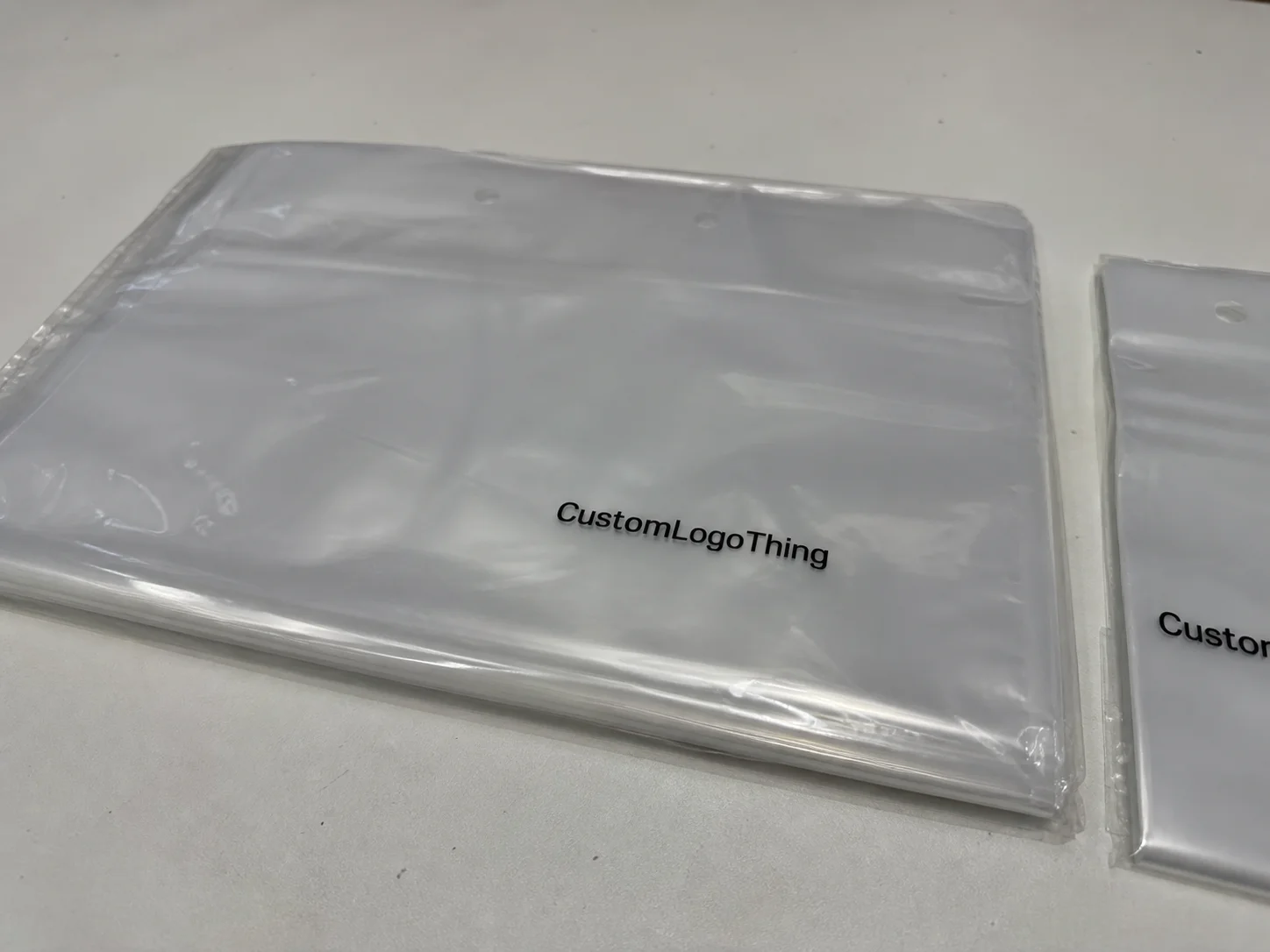
Packaging is not an afterthought for cosmetics channels. Clean polybagging, clear size labels, and retail-ready cartons make receiving faster and reduce sorting errors. If the hats are going into influencer kits, the packing format should support presentation. If they are headed to distribution centers, the pack-out should support efficiency. The same product can need two different standards, and a supplier who understands that saves your team time.
Carton counts, master pack configuration, SKU labels, and barcode placement should be confirmed before freight booking. A warehouse team does not want to open a mixed carton and sort by guesswork. That creates labor cost and, in the worst cases, inventory mismatch. For premium programs, tissue wrap, insert cards, or grouped packing can make the unboxing feel deliberate without changing the core product. Small details stack up quickly in beauty because consumers notice whether a package feels assembled or assembled carefully.
Paper inserts and hang tags can also support sustainability goals if you choose FSC-certified stock. See the standards and certification framework at FSC if your brand needs documentation for sourcing claims. That matters more when the hat is part of a wider eco-positioned launch and the buyer has to justify materials in internal review or retailer paperwork.
A shipment-ready order should answer three questions: How does it ship? How does it store? How does it present? If those three are clear, the order is much easier to receive, repack, and distribute across retail or PR channels. If one of them is vague, the downstream team absorbs the cost.
There is also a practical issue many teams miss: carton weight and stacking behavior. A lightweight hat can still be damaged if the pack-out allows the brim to deform under pressure. Ask whether cartons are sized to limit crush, whether hats are nested or flat-packed, and whether the supplier has a preferred fill method. These are minor choices on paper. They affect complaint rates later.
What a Cosmetics-Focused Hat Supplier Should Prove
Not every factory or trading team can support cosmetics buying well. A good partner should prove consistency first. Ask for color matching controls, sample photos from prior runs, inspection checkpoints, and repeat-order reliability. Broad claims about being a great supplier do not matter if the logo shifts, the mesh color varies, or the cartons land with inconsistent counts.
Speed matters, but communication matters just as much. Customization depth matters, but packing accuracy can matter more. A lower quote is meaningless if the supplier cannot hold spec across the full order. That is especially true for a mesh trucker hats wholesale supplier for cosmetics brand buyers, because beauty brands tend to care about color harmony, visual branding, and consistent presentation more than many commodity apparel buyers do.
Strong suppliers usually handle small test runs and larger replenishment orders without changing the spec every time. They know where drift happens: crown height shifting by a few millimeters, mesh color changing between lots, or closure hardware arriving with a different finish. Those are small differences on paper. On shelf, they can change the way a cap reads under bright retail lighting.
Quality control should cover more than the logo. Buyers should ask how the supplier checks seam strength, embroidery registration, back-closure function, and panel alignment. A cap with an excellent front graphic but a crooked visor still fails the brand test. Cosmetics buyers are rarely forgiving about presentation, and they should not be. The accessory has to look intentional from every angle, including the side profile and the rear closure.
One useful filter is simple: does the supplier offer a clear answer when you ask what could go wrong? If they can describe the likely failure points and how they control them, the partnership is usually more dependable than one built on vague promises.
Next Steps for a Faster Quote and Cleaner First Order
Send a focused request package. Include the logo file, target quantity, preferred colors, decoration method, packaging needs, and delivery window in the first message. That allows the supplier to price the job without guessing. It also shortens proofing, because the artwork team has less room to interpret what you meant.
Ask for a side-by-side quote that separates cap cost, decoration cost, packing cost, and freight assumptions. Buyers make better decisions when the numbers are broken out. A total price can look attractive while hiding expensive add-ons in labeling or packaging. Side-by-side comparison also helps internal stakeholders understand why one supplier appears cheaper on paper but more expensive in practice.
Buyer checklist:
- Confirm the exact cap spec before sampling.
- Approve logo placement, stitch count, and decoration method.
- Match carton labels to warehouse requirements.
- Request proof timing and shipment milestones in writing.
- Review packing format for influencer kits or retail shelves.
For cosmetics teams, the cleanest first order usually starts with restraint. Keep the first colorway simple, approve the structure before adding extras, and avoid stacking too many custom features into one launch. A cap that does one job well is more useful than a complex version that slows approval and increases rework. That is especially true in beauty, where timing and presentation often matter more than novelty.
Reorder potential should also be part of the first conversation. A supplier that can repeat a spec without changing materials or hardware saves time on the second and third runs. The first order tests whether the product is right. The second order tests whether the supply chain is real.
What should cosmetics brand buyers ask a mesh trucker hat supplier before ordering?
Ask for the exact spec sheet, not just a price. Confirm crown shape, mesh type, closure, decoration method, and packaging assumptions. Sample photos or a physical sample are worth requesting because they show fit, logo placement, and color match before bulk production starts.
What is the usual MOQ for wholesale mesh trucker hats?
MOQ varies by decoration method, color count, and whether the supplier uses stock or custom components. Smaller minimums usually carry a higher unit cost, while larger runs reduce price per hat. Ask whether the MOQ applies per style, per colorway, or per logo version so you can forecast accurately.
How long does production take after artwork approval?
Production time depends on sample approval, order size, and whether custom packaging or special labeling is required. Clean artwork and final specs help the factory move faster because the proof stage is shorter. A milestone schedule with proof, production, inspection, and shipment dates is the safest way to manage expectations.
Which decoration method works best on mesh trucker caps?
Embroidery is usually the most durable option for repeated handling. Woven patches can create a more premium look and handle fine details well. Heat-applied graphics may work for smaller runs, but they should be checked for adhesion and finish before the full order is approved.
Can a wholesale supplier pack hats for influencer kits or retail shelves?
Yes, if the supplier can follow carton labeling, pack counts, and grouping instructions before freight booking. Influencer kits often need presentation packing, while retail orders usually need cleaner SKU and barcode labeling. Share warehouse or fulfillment requirements early so the packing format matches your receiving process.
What quality checks matter most before shipping?
Check logo placement, thread tension, panel symmetry, mesh consistency, snapback function, and carton counts. For cosmetics orders, color matching and presentation matter as much as structural checks because the hat is usually viewed alongside branded packaging.