Order Boutique Paper Bags for Beauty Brands That Sell
For beauty labels, Boutique Paper Bags for beauty brands are often the first physical proof that the brand is worth a premium price. At a salon counter, in a fragrance gift set, or tucked under a checkout lane, the bag quietly tells a customer whether the rest of the experience will feel refined, giftable, and worth keeping.
That signal starts before the product is even opened. Texture, stiffness, handle comfort, print clarity, and even the sound of the paper all shape perception, which is why a good bag can support pricing far better than a generic carrier ever will. If you want to see how presentation changes across product categories, the Case Studies page is a useful place to compare real packaging decisions. For brands ready to turn a concept into a spec, the contact page is usually the fastest next step.
What Boutique Paper Bags for Beauty Brands Signal on Shelf
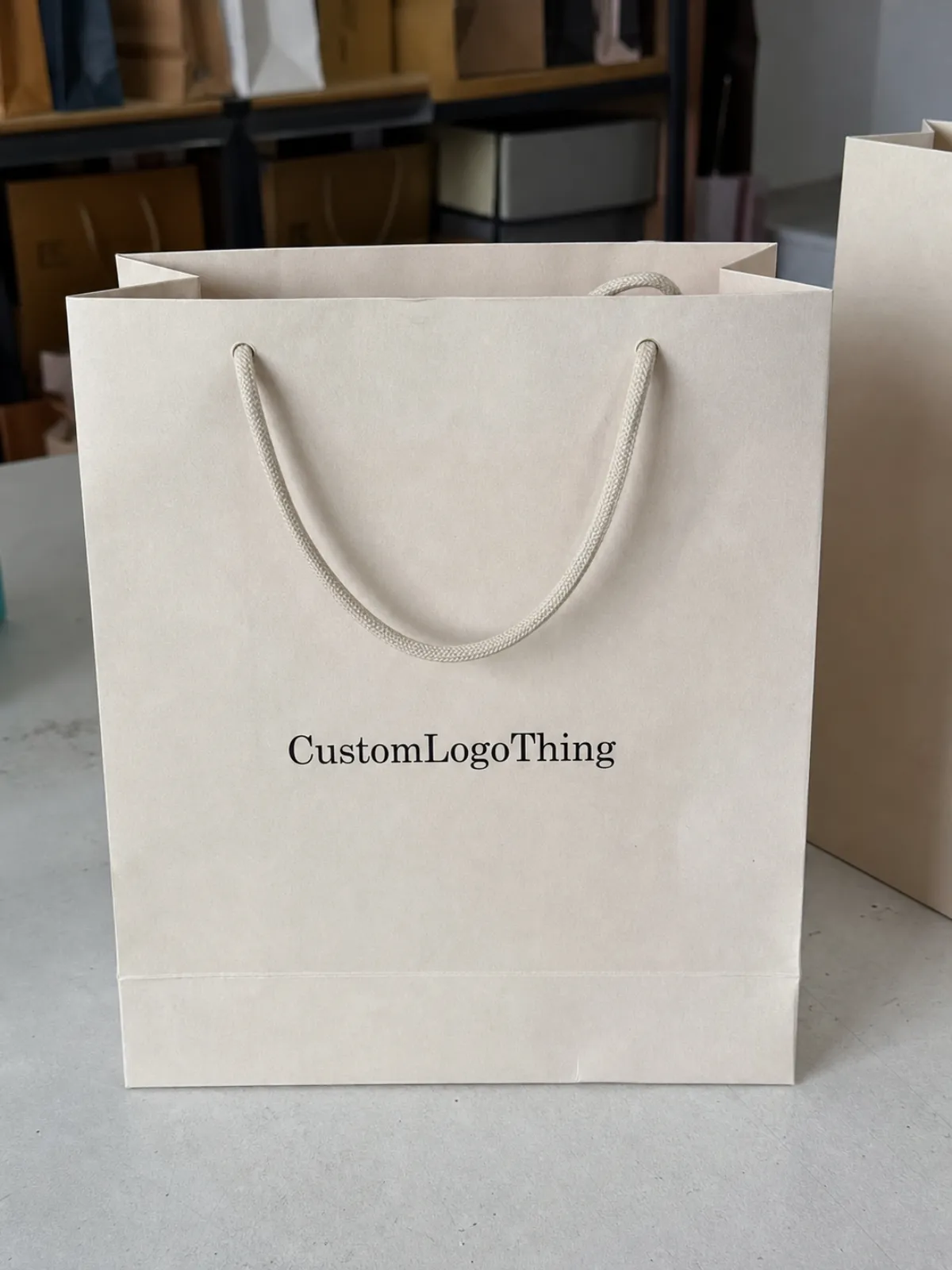
A paper bag is not just transport. In beauty retail, it is part of the product story, and customers read it very quickly. A stiff, neatly printed bag with clean handles suggests careful formulation, careful merchandising, and a brand that pays attention to details beyond the bottle or compact.
That matters most for purchases that feel personal. Skincare routines, makeup gifts, fragrance sets, and promotional kits are rarely impulse buys in the same way as everyday goods. The shopper is often judging whether the item feels luxurious enough for self-use, gifting, or social sharing, and Boutique Paper Bags for beauty brands can reinforce that judgment before the box is opened.
There is a practical side too. Beauty packaging travels through handoffs, shopping baskets, car seats, and stacked retail bags. The bag must hold its shape, resist corner crush, and survive one or two awkward lifts without collapsing. In practice, that means presentation and durability need to work together, not compete.
A boutique bag only feels premium if the structure and the print agree with each other. Pretty artwork on a limp bag still reads cheap.
For brands that sell into salons or gift counters, the bag often becomes the final impression after a consultation or service appointment. That is why many buyers choose a slightly heavier paper than they first expected, even if it adds a bit to unit cost. The extra body makes the bag feel deliberate instead of disposable.
Paper, Handles, and Finish Choices That Shape the Bag
Paper choice sets the tone immediately. Lighter boutique-grade sheets can work for compact items, but they show scuffing faster and can wrinkle at the gusset if the contents press outward. Heavier boards, often in the 200gsm to 350gsm range depending on construction, feel more stable in the hand and hold a cleaner sidewall for print.
Handles change the experience just as much. Paper twist handles are economical and dependable. Cotton rope handles feel more elevated and usually carry weight more comfortably. Ribbon handles add a giftable note that works well for fragrance or event sets. Die-cut handles look clean and modern, but they ask more from the board strength and top reinforcement.
Finish choice is where many beauty buyers make their strongest brand statement. Matte feels restrained and editorial. Gloss sharpens color contrast. Soft-touch has the warm, velvety feel that customers often associate with luxury. Foil, spot UV, and embossing should be used with restraint, because one tactile detail usually reads more premium than three competing effects layered together.
| Option | Best Use | Typical Feel | Relative Cost Impact |
|---|---|---|---|
| Paper twist handle | Small retail bags, samples, lighter gift sets | Practical, clean, familiar | Lower |
| Cotton rope handle | Skincare sets, higher-value purchases | Substantial, comfortable, premium | Medium |
| Ribbon handle | Fragrance, gifting, launch events | Soft, elegant, highly giftable | Medium to higher |
| Die-cut handle | Minimalist beauty packaging | Clean, modern, retail-friendly | Lower to medium |
A useful way to think about it: lightweight retail bags suit single compacts or small tubes, while reinforced bags make more sense for boxed skincare sets, layered gift purchases, or anything with a taller profile. A bag that looks beautiful but bows under load is not doing the brand any favors.
For material-source questions, many buyers look for FSC alignment or recycled content targets. If you need a broader industry reference point for packaging and material conversations, packaging.org is a helpful starting place.
Cost and Pricing: What Drives Boutique Bag Quotes
Pricing is usually driven by a handful of variables, and the quote can move a lot once those choices are locked in. Paper weight, bag size, print coverage, handle type, surface finish, reinforcement, and the number of artwork setups all affect the final number. Two bags that look similar from three feet away can still land in very different price brackets.
Small runs often cost more per bag because setup, die-cutting, printing, and finishing overhead are spread across fewer units. That is not a penalty; it is simply how the production math works. If a brand orders 1,000 bags instead of 5,000, the same press setup and finishing time has to be absorbed by a much smaller quantity.
For Boutique Paper Bags for beauty brands, a practical pricing framework often looks like this:
- Simple boutique bag: one or two colors, standard stock, paper twist handle, modest print area.
- Mid-tier presentation bag: thicker stock, rope or ribbon handle, full-wrap print, matte or gloss finish.
- Premium gift bag: heavier board, soft-touch or laminated surface, foil or emboss detail, reinforced top and base.
As a rough planning guide, simple custom boutique bags can land around $0.35 to $0.80 per unit at 5,000 pieces, while more premium versions with soft-touch, foil, or ribbon handles often move into the $0.85 to $1.60 range. Smaller orders can rise well above that, especially if the finish package is complex or the bag size is unusually large. These are planning numbers, not promises, because every dieline and artwork setup changes the equation.
MOQ matters, but it should not be the only lens. The real question is whether the bag supports sales, reduces damage, and strengthens perceived value at the point of purchase. A slightly higher bag cost can be easier to justify if it helps a brand protect a higher-margin product line or makes a gift set feel genuinely giftable.
Process and Timeline: From Dieline to Delivery
The cleanest projects follow a predictable sequence. First comes brief intake, where the manufacturer learns the product type, quantity, target market, and the brand’s visual direction. Then the size is confirmed, a dieline is prepared, artwork is checked, material is selected, and a sample or proof is reviewed before full production starts.
Delays usually happen in the same places. Artwork arrives incomplete. Logo files need cleanup. Sizing is still being debated after the quote has already been issued. Or the buyer realizes late in the process that the bag also needs to carry a heavier carton than originally described. Each of those turns a straightforward order into a back-and-forth cycle.
Sample timing and production timing are not the same thing. A printed sample may take a few business days, while full production often runs 12 to 20 business days after proof approval, depending on finish complexity and order size. If foil, embossing, or special laminations are involved, that window can stretch a little further.
The safest way to protect a launch date is to confirm the non-negotiables early:
- Exact bag dimensions and usable interior space.
- Handle style and reinforcement points.
- Surface finish and print coverage.
- Delivery address, carton count, and receiving constraints.
- Final artwork files, not placeholders.
Brands that work this way usually avoid the expensive late-stage scramble. They also give Custom Logo Things or any packaging partner a real chance to check fit, structure, and cost before production gets locked.
Sizing and Structure for Skincare, Makeup, and Gift Sets
Sizing is easier to manage if you think in three buckets. Small bags work for single items like lip products, sample kits, or compact skincare. Medium bags suit bundled cosmetics or a pair of boxed items. Larger bags are better for skincare sets, seasonal gift purchases, and retail bundles that include multiple formats.
Inside dimensions matter more than the outside footprint. A box with a pump, jar, or decorative cap often needs a little extra breathing room, especially if tissue paper or filler is going inside the bag too. Too tight, and the artwork can wrinkle near the top fold. Too loose, and the bag starts to look wasteful or undersized for the product value.
These structural details improve performance in the store:
- Reinforced tops: help the bag hold its shape and resist handle pull.
- Flat bottoms: improve stability at checkout and in gift wrapping areas.
- Side gussets: create room for boxed items without crushing corners.
- Board inserts: make heavier bags stand up better on shelves and counters.
There is also a visual balance to protect. A bag that is too large makes the contents look sparse, while one that is too small can strain handles or distort the logo placement. In beauty packaging, proportion matters because customers notice it instinctively, even if they cannot explain why one bag feels right and another does not.
If a brand is planning a full product launch, I usually recommend testing one or two sample configurations with actual cartons rather than relying only on mockups. That small step often catches the problems that cause the most frustration later.
Common Ordering Mistakes That Push Costs Up
The biggest mistake is approving size before checking the product itself. A carton that seems simple on paper can change once a closure style, neck height, or insert is added. Even a small shift in height can change whether a bag needs to be resized or reinforced.
Artwork issues also drive cost. Low-resolution files, logos placed too close to folds, and overly ambitious finish stacks can all create extra setup or remake risk. If a logo crosses a handle cutout or lands awkwardly on a gusset, the press team has to work harder to make the art behave.
Skipping a physical sample is another expensive shortcut. A mockup may look acceptable on screen, but the real bag can still feel thin, print darker than expected, or show handle movement that clashes with the brand tone. That is especially painful on launches, because the reprint clock is rarely generous.
Common cost triggers include:
- Changing the bag size after the quote has already been built.
- Requesting multiple special finishes on the same small run.
- Using artwork that needs major cleanup or vector rebuilding.
- Choosing a handle style that requires extra reinforcement.
- Rushing production without leaving room for proof corrections.
The cheapest quote is not always the best value if it creates shipping damage, weak presentation, or a poor unboxing experience.
For beauty brands, one bad bag can undo a lot of careful product work. If the packaging feels flimsy, customers remember that feeling more than the discount they got for choosing the lowest bid.
Expert Tips for Premium Branding and Lower Waste
One of the cleanest ways to elevate a bag is to narrow the visual palette. A focused color system makes the bag feel connected to cartons, tissue, labels, and shelf signage instead of competing with them. Strong brands often rely on one accent tone, one background tone, and very disciplined logo placement.
Finish discipline matters too. A single strong tactile element, such as soft-touch with a simple foil mark, can feel richer than a bag packed with gloss, spot UV, and multiple metallic effects. Too many finishes can make a beauty bag feel busy, and busy is rarely the right word for premium.
Sustainability should be decided early, not added at the end. If recycled content, FSC-style sourcing preferences, or recyclability goals are part of the brief, they should guide paper and coating choices from the start. Some finish packages make recycling harder, so the environmental story has to be honest rather than decorative.
Practical ways to reduce waste and keep future orders predictable:
- Standardize a few bag sizes instead of creating a new size for every SKU.
- Keep handle choices consistent across product families.
- Reuse the same print setup where seasonal artwork allows it.
- Build around product families, not one-off promotions.
- Confirm carton sizes before finalizing the bag dieline.
That kind of planning helps the next reorder move faster. It also means the brand can scale without rebuilding every specification from scratch.
For beauty companies that care about launch consistency, boutique paper bags for beauty brands should be treated as part of the packaging system, not an isolated accessory. The strongest results usually come from brands that think in families of packaging rather than one perfect bag in isolation.
Next Steps for a Quote-Ready Bag Spec
If you want a fast, accurate quote, gather four essentials first: bag dimensions, target quantity, artwork files, and the product weight or package type the bag must hold. Those details give the manufacturer enough information to judge structure, finish, and unit cost without guessing.
Whenever possible, send a real product sample or exact carton measurements. A physical sample removes a lot of uncertainty around fit, handle load, and the amount of extra room needed at the top. For beauty kits with unusual shapes, that step can save both time and money.
A one-page spec sheet usually works best. Include paper stock preference, handle style, finish requests, print areas, the launch date that matters most, and any shipping restrictions the receiving location has. The clearer the brief, the fewer corrections later.
If you are weighing boutique paper bags for beauty brands, think about the bag as part presentation, part protection, and part cost control. A clean spec sheet gets you to the right balance faster, and that is usually what separates a bag that merely carries product from one that helps sell it.
What paper weight works best for boutique paper bags for beauty brands?
A mid-to-heavy stock is usually the safest choice when the bag needs to feel premium and carry boxed skincare or multiple items without flexing. If the bag is only holding a light retail purchase, a lighter sheet can work, but top and base reinforcement still helps with durability.
How much do boutique paper bags for beauty brands usually cost?
Price depends on size, paper weight, print coverage, handle type, finishes, and order quantity, so two similar-looking bags can quote very differently. Small runs usually carry a higher unit cost because setup and finishing expenses are spread across fewer bags.
How long does production usually take for custom boutique paper bags?
Lead time depends on whether artwork is ready, whether samples are needed, and how complex the finish package is. Approval speed is often the biggest variable, so brands should plan for both sample time and full production time before locking a launch date.
Should beauty paper bags use matte, gloss, or soft-touch finishes?
Matte often feels understated and modern, gloss can make color pop, and soft-touch gives the most tactile premium feel. The best choice depends on the brand identity, the packaging line, and how much scuff resistance the bag needs during retail handling.
What should I send for an accurate boutique bag quote?
Send target dimensions, quantity, artwork files, preferred paper stock, handle style, finish requests, and the product weight or carton size the bag must hold. If possible, include a physical sample or exact measurements so fit, structure, and cost can be checked before production begins.

