Bucket Hats Unit Cost Breakdown for Resort Retail Shops
For a buyer building a workable bucket hats unit cost breakdown for Resort Retail Shops, the first surprise is how often a bucket hat feels more premium than a plain cap even when the construction is only a little more involved. The brim gives the product shape, the crown gives it room for decoration, and the finished hat still stays small enough for checkout racks, gift shelves, and beachside display tables.
That combination matters in resort retail because the item has to move quickly, display cleanly, and protect margin without taking over too much floor space. Guests buy on impulse, families often buy multiples, and seasonal assortments need replenishment without a long wait. If the cost drivers are clear before ordering, the hat stops being a guess and starts becoming a planning tool.
This article breaks the pricing the way a practical buyer would use it: fabric, structure, decoration, packaging, freight, minimum order quantities, and the landed cost that shapes shelf price. The goal is simple. You want a hat that looks right on the table, sells at the intended price, and avoids hidden setup charges or avoidable handling costs.
Why resort shops move bucket hats so well
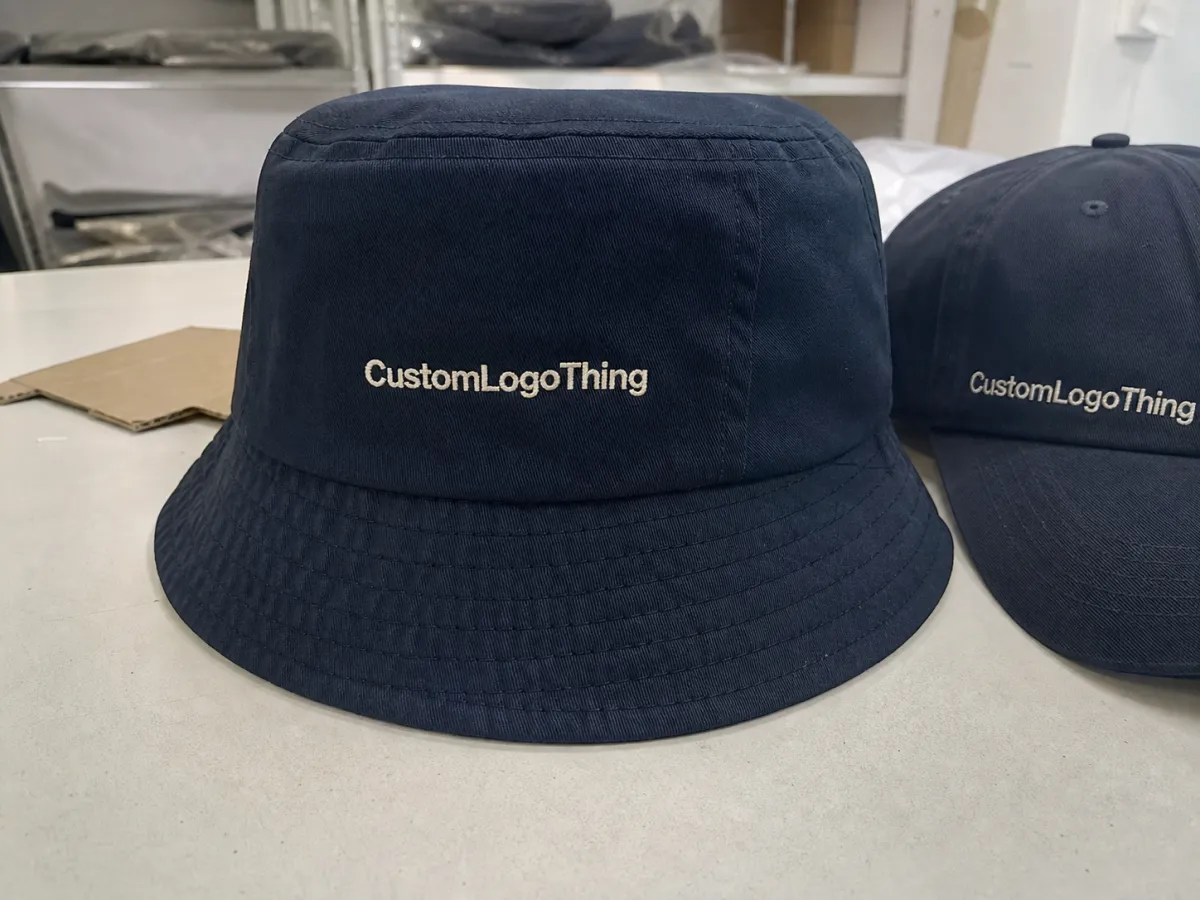
Bucket hats tend to outperform more rigid headwear in resort stores because they feel useful, casual, and giftable at the same time. A cap usually leans toward one specific look. A bucket hat gives you a broader silhouette, more decoration space, and a style that reads as both practical and relaxed. For guests walking in from the pool, the beach, or a tour shuttle, that mix is easy to justify at the register.
Small-footprint items are where many resort shops make money efficiently. A bucket hat does not need a garment wall or a size ladder to get noticed. It can sit in a basket, stack in a corrugated display tray, or hang on a simple pegboard without looking crowded. That helps with checkout placement, where impulse buying is strongest.
The product also works across a wider guest mix. Adults buy it for sun protection, teens buy it for style, and families often buy matching colors without needing separate product lines for every age group. That flexibility is one reason the pricing breakdown matters so much; the right build lets you serve more buyers with one assortment instead of splitting inventory into too many narrow styles.
A bucket hat is a small item with a strong shelf story. If it looks tidy, wears well, and feels worth the ticket price, it usually earns its space fast.
From a retail buyer’s point of view, the real questions are not only what the hat costs to make, but how quickly it turns, how often it needs replenishment, and how risky it is to overbuy before peak season. A lower unit cost is good, but only if the style still looks strong enough to sell at the resort price point.
Choosing fabric, shape, and feel for retail
Fabric choice sets the tone for the whole program. Cotton twill is a common starting point because it feels familiar, holds embroidery well, and usually presents a clean retail surface. Washed cotton adds a softer, more relaxed handfeel, which can work nicely for beach clubs and boutique properties. Polyester brings color consistency and faster drying, while nylon blends make sense for lightweight sunwear or activity-focused properties where moisture and packability matter.
Silhouette changes the retail impression just as much. A classic downturned brim feels easygoing and familiar. A shorter fashion brim gives the hat a sharper, more styled look. A wider brim adds more sun coverage and pushes the product closer to practical accessory than souvenir. Crown structure matters too: an unstructured crown feels casual, while a semi-structured crown keeps the profile neat on display and after packing.
The small construction decisions are where buyers can accidentally add cost. Panel count affects sewing time. Eyelets add ventilation and a little visual rhythm. A built-in sweatband improves comfort in hotter climates. Brim stiffness matters if the hat has to hold its shape after travel or sit on a table without collapsing. Each choice affects the cost per piece and the way the product reads at retail.
- Cotton twill: steady retail look, strong embroidery performance, usually easy to position in mid-tier resort shops.
- Washed cotton: softer handfeel, more relaxed style, useful for beach and lifestyle assortments.
- Polyester or nylon: lighter weight, faster dry time, better for active or sun-heavy use cases.
- Canvas blends: firmer feel, good structure, often slightly higher perceived value.
Decoration should match the guest and the shelf price. A single front embroidery works well for clean logo programs. A woven patch can feel more elevated without adding much visual noise. Side hits are useful when the front is intentionally minimal. Under-brim art or all-over print can create a stronger souvenir look, but those options usually move the quote upward faster than a simple logo.
Specs that protect display quality and margin
A clean spec sheet saves time and money. Before asking for pricing, confirm crown depth, brim width, fabric weight, sweatband material, seam tape, size range, and overall shape. Those details are not filler. They control how the hat sits on a shelf, how it feels on the head, and whether the sample you approve matches the bulk run.
One-size styles are common because they simplify buying and reduce SKU complexity. Adjustable sizing can work for general resort retail, especially when the price point is moderate and the guest mix is broad. Sized runs make more sense for higher-end programs, waterparks, or properties that want a more tailored fit and are willing to manage deeper size planning. The right choice usually depends on volume, average ticket, and how much inventory risk you can carry.
Quality checks matter just as much as the aesthetic. Ask about stitching density, colorfastness, edge finish, and shape retention after light packing. If a hat arrives crushed, the shelf presentation drops immediately. If the brim warps after handling, the item stops looking like a finished retail product and starts looking like a commodity.
Packaging is part of the retail experience, not an afterthought. Flat-packed cartons reduce freight volume. A lightly stuffed presentation helps hold the crown shape. Individual polybags protect the product during transit, and barcode stickers or hangtags make receiving easier at store level. For paper inserts or hangtags, some buyers prefer FSC-aligned material choices, which you can review through FSC. For carton handling and transit planning, packaging teams often consult distribution guidance from ISTA.
If a resort group runs several locations, consistency becomes the real quality metric. A hat that looks slightly different from carton to carton creates extra work on the merchandising side. A disciplined spec sheet makes the pricing comparison easier because you are comparing real builds, not loose descriptions.
Bucket hats unit cost breakdown for resort retail shops
The clearest way to quote a custom bucket hat is to break the price into the pieces that actually drive it. Start with the blank body, then add decoration, labels, hangtags, packaging, freight, and any duties or import handling. If the quote only gives one all-in number, you lose the ability to see where the margin is being spent and where you might save it.
Here is the structure I like to see in a buyer-friendly quote:
- Blank body: fabric, sewing, brim construction, sweatband, and basic finishing.
- Decoration: embroidery, patch application, print, or woven label attachment.
- Setup charges: digitizing, screen prep, plate fees, or art preparation.
- Packaging: polybags, inserts, hangtags, barcode labels, master cartons.
- Freight and duty: inland freight, export handling, ocean or air movement, customs costs if applicable.
MOQ changes the math quickly. A small run spreads setup charges across fewer hats, so the unit cost rises even if the material spec stays the same. Once you move into higher quantities, the blank body price often drops, decoration labor becomes more efficient, and bulk pricing improves. That is why two quotes with the same decoration can still land in very different places.
| Build type | Typical MOQ | Unit cost at 500 pcs | Unit cost at 2,000 pcs | Best use case |
|---|---|---|---|---|
| Cotton twill, single embroidery, polybag | 300-500 | $2.35-$3.25 | $1.65-$2.15 | Core resort souvenir with clean shelf appeal |
| Washed cotton, woven patch, hangtag | 500 | $2.80-$3.85 | $1.95-$2.60 | Boutique retail and higher perceived value |
| Polyester or nylon, print, branded trim | 500-1,000 | $2.55-$3.50 | $1.75-$2.40 | Lightweight, active, or sun-focused assortments |
| Premium brim structure, patch + label package | 1,000 | $3.90-$5.20 | $2.85-$3.75 | Upscale resort boutiques and premium gift shops |
Those numbers are directional, not fixed. Decoration method, stitch count, panel count, trim selection, and shipping mode can move the final number in either direction. A dense embroidery hit costs differently from a small woven patch. A full front graphic is not priced the same as a simple one-color logo. If you want a cleaner premium look, expect tooling fees and art setup to be part of the conversation.
What should you request in the quote? At minimum: unit price by quantity tier, sample cost, digitizing or plate fees, packaging detail, freight estimate, and re-order pricing. That last point matters because a resort shop often reorders after seeing what actually sells, not before. If the first run performs, you want pricing that still works for replenishment.
For shelf pricing, work backward from the target margin. If the hat needs to retail at $24 to $32, the landed cost has to leave room for store labor, shrink, and markdown risk. A $0.20 difference in packaging may matter on a very large run, but a freight swing or a decoration change often has a larger effect on total margin. This is the part of the bucket hats Unit Cost Breakdown for resort retail shops that gets missed when buyers only compare blank-body pricing.
There is also a practical limit to how much complexity a resort shop should add. A hat with four decoration locations, special trim, and custom packing may look good on a proof, but it can turn into a headache if the sell-through is uncertain. Simple, well-executed builds usually give better return on floor space.
Lead time, sampling, and production checkpoints
The cleanest production flow starts with artwork intake and spec confirmation. After that comes proofing, sample approval, bulk production, finishing, packing, and shipment. Simple logos and clear placement notes move faster. Vague artwork, missing Pantone references, or last-minute changes slow everything down because each revision has to be checked against the body, the decoration method, and the carton plan.
In practice, a straightforward custom bucket hat run often takes 12-20 business days after sample or proof approval, depending on quantity and decoration complexity. More detailed builds, especially those with multiple trims or heavier embroidery, can stretch beyond that. If the order is tied to a seasonal launch, allow buffer time instead of planning against the fastest possible schedule.
Quality checkpoints should be visible, not hidden. Buyers should expect stitch review, alignment checks, trim verification, and carton packing inspection before shipment. A well-run order also keeps an eye on pack count, barcode accuracy, and carton marks so receiving at the resort side stays simple. That kind of control reduces surprises in multi-store rollout programs.
Shipping choice changes both timing and landed cost. Air freight is useful when the launch date is fixed and the assortment is small enough to justify the premium. Sea freight is usually better for larger replenishment orders or early buys, where cost per piece matters more than speed. A thoughtful program often mixes the two: sample and first delivery by air, then deeper replenishment by ocean once demand is proven.
Peak-season bookings need earlier planning than off-season restocks. If you wait until the retail floor is already busy, you may pay more for faster transit or settle for a construction that is easier to source but not quite right for the guest. The better move is to lock artwork and packaging early, then give production enough time to keep the quote stable.
What buyers should expect from a good supplier
Resort retail depends on consistency. The same logo size, the same brim shape, the same carton count, and the same finish across reorders matter more than a flashy sample that cannot be repeated at scale. A good supplier should quote the repeat order the same way as the first order, with the setup fees clearly separated from the running price.
Clear quoting also matters. A buyer should be able to compare body options, decoration methods, and packaging choices without sorting through vague estimates or hidden add-ons. That makes it easier to choose the right assortment for the target shelf price, especially when the store needs a clean margin and cannot afford overbuilt product.
The supplier should also help match the spec to the venue. A luxury beachfront property may need a softer handfeel, more restrained color palette, and premium labeling. A family resort may need brighter colors, stronger visual blocking, and a lower landed cost so the accessory still feels attainable at checkout. Good guidance keeps the program aligned with the guest experience instead of pushing a spec the retailer cannot support.
Packaging coordination matters too. Multi-location resort groups often need the same look across stores, and they need cartons that are easy to receive, sort, and display. A clean pack-out plan can save a surprising amount of floor time later. That is one more reason the pricing breakdown should include packaging decisions, not just sewing and decoration.
The best suppliers do not just sell hats. They help buyers protect margin, avoid rework, and choose a build that fits the retail plan. That is the standard resort buyers should expect when they are placing a seasonal order with real sell-through pressure.
How to quote a clean order
The fastest way to get a useful quote is to define the retail target first. Decide the shelf price, the desired quantity, and the decoration method before comparing samples. If you begin with the price target, the quote can be shaped around margin from the start instead of trying to rescue margin after the fact.
Gather the basics before you request pricing:
- Logo files in vector format.
- Preferred body color and fabric.
- Brim shape and crown profile.
- Packaging and barcode needs.
- Ship window tied to the resort calendar.
Ask for at least two quantity tiers. A 500-piece quote and a 2,000-piece quote often tell very different stories about unit cost, setup charges, and bulk pricing. If the style is likely to sell through, the higher tier may give you a much healthier margin. If the item is experimental, a smaller run can reduce risk even if the per-piece number is higher.
Before release, approve the artwork placement, sample details, and carton spec in writing. That small step prevents avoidable rework later. It also keeps the final product aligned with the retail plan, which matters when the same item is going to multiple properties or stores.
For resort retail teams, the right approach is to use the Unit Cost Breakdown as a working checklist: choose the body, define the decoration, confirm packaging, compare landed cost, and place the order with enough lead time to protect the launch.
Frequently Asked Questions
What drives bucket hat unit cost for resort retail shops?
The biggest drivers are fabric choice, decoration method, MOQ, and how much packaging or labeling is included in the quote. Smaller runs cost more per piece because setup and proofing are spread across fewer hats. Freight and duties can also move the landed cost enough to affect the final shelf price.
What MOQ gives the best bucket hat pricing for resort retail?
The best MOQ is usually the one that balances unit cost with sell-through risk at your store volume. Larger quantities often lower the price sharply once setup charges are spread out, but they only make sense if the style will move. Ask for pricing at two or three tiers so you can compare margin before you commit.
Which decoration keeps resort bucket hat cost under control?
Simple embroidery or a single patch placement usually keeps costs more predictable than full-coverage print or multi-location decoration. Fewer thread colors, fewer stitch changes, and smaller artwork placements usually help the quote stay lower. If the hat needs a premium look, a clean woven label or modest embroidery often strikes the best balance.
How long is the lead time for custom bucket hats?
Lead time depends on artwork approval, sampling needs, order quantity, and whether the shipment moves by air or sea. Simple art and a fast approval cycle shorten the schedule, while revisions and specialty trims add time. Seasonal resort launches should book earlier than replenishment orders to avoid missing the retail window.
Can we mix colors or sizes in one resort bucket hat order?
Yes, but mixing too many colors or size variations can raise the unit cost by splitting production into smaller lots. A focused color palette usually works best for retail because it keeps the assortment clean and easier to display. If multiple properties need different looks, ask for a shared base spec with separate colorways to protect pricing.
For resort buyers who want the right balance of appearance, durability, and landed cost, the smartest path is a clear spec, a clean sample, and a quote built around the actual unit economics rather than a rough guess.

