Order custom gift Paper Bags Bulk before the shelf runs dry, not after. The real cost is usually the rush reorder, the sample that does not match production, or the freight bill that shows up after the launch date is already fixed.
For retailers, cafes, boutiques, and event teams, paper bags are part of the packaging system, the checkout flow, and the customer handoff. If the bag is flimsy, inconsistent, or the wrong size, the whole presentation suffers. That is why experienced buyers treat custom gift Paper Bags Bulk as a supply decision, not a last-minute errand.
The best programs are usually simple: one or two core sizes, a repeatable print setup, a finish that fits the product, and enough stock to avoid panic orders. The same logic applies if you also buy Custom Packaging Products or manage Wholesale Programs: fewer variables usually means fewer mistakes.
Why bulk gift bags beat piecemeal buying for real stores
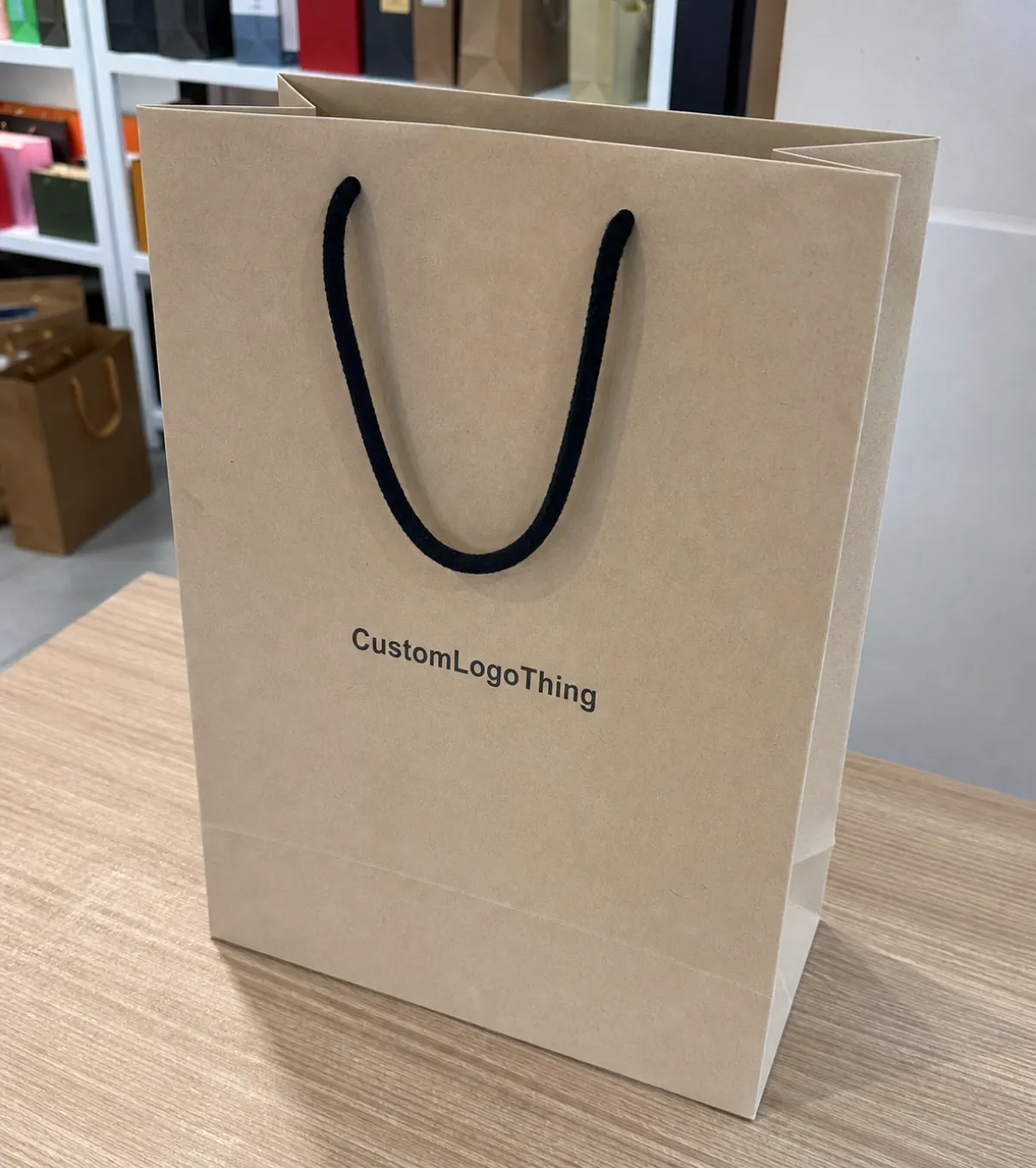
The math is straightforward. Small repeat orders usually carry higher per-unit freight, more setup charges, and more chances for the spec to drift. Buy piecemeal and you also risk mixed paper tones, different handle styles, and cartons nobody wants to sort through during a rush.
A single bag format can cover more uses than many buyers expect. One well-chosen size can handle retail sales, gift wrapping, event handouts, and seasonal packaging without creating storage chaos. That matters because the bag is often the last physical touchpoint before the customer leaves.
There is also a hidden labor cost. Mixed sizes and colors slow staff down, packing errors creep in, and checkout lines move more slowly than they should. A clean bulk order keeps stock predictable and keeps the handoff tidy.
For retailers that treat packaging as part of the product, bulk buying usually makes more sense once the bag becomes a regular customer touchpoint. That is especially true for boutiques, cafes selling boxed treats, and event programs where consistency matters as much as capacity.
Pick the right bag style, size, and finish for the job
Start with structure, not artwork. Flat Paper Bags work for light items and simple handouts. Gusseted shopping bags handle depth and fit apparel, bakery goods, and boxed gifts better. Luxury gift bags usually use heavier paper, stronger handles, and a more polished surface. Reinforced carry bags are the workhorses when load strength matters as much as appearance.
Size is where many orders go wrong. The smallest bag that fits the item cleanly is usually the right answer. Oversizing wastes paper, increases shipping volume, and makes the pack look lazy. Too small, and the bag bulges at the top or creases around the sides. For candles, leave enough height for the product and any tissue or filler. For cosmetics and small gift sets, keep the fit close enough that the contents do not rattle around.
Handle choice changes both the look and the cost. Twisted paper handles are economical and fine for most retail programs. Ribbon handles add a softer, more giftable feel. Cotton rope looks sturdier and more upscale, but it adds cost. Die-cut handles suit flatter products or tighter budgets, though they are not the first choice for heavier loads.
Finish changes perception quickly. Natural kraft feels practical and honest. Coated white gives sharper print and cleaner color. Matte lamination softens glare and usually reads as more premium. Gloss lamination makes color pop but can show scuffs and fingerprints more readily. If you are building package branding, the finish should support the product, not fight it. The same principle applies to custom printed boxes: choose the surface that helps the design do its job.
| Bag Type | Typical Use | Print / Finish | Best For |
|---|---|---|---|
| Natural kraft twisted-handle bag | Light retail and gifting | 1-color to 2-color print | Simple, cost-sensitive branded packaging |
| Coated white rope-handle bag | Boutique retail and events | Full-color print, matte or gloss | Sharper graphics and cleaner presentation |
| Luxury laminated gift bag | Premium gifting | Foil, embossing, spot UV | Higher-end retail packaging and launches |
| Reinforced carry bag | Heavier product packaging | Heavy board, patched handles | Load strength and repeat use |
Paper weight, handles, inserts, and print specs that matter
Paper weight is the difference between a bag that holds up and one that makes a customer nervous on the walk to the car. For light gifting, 150gsm to 200gsm can work. For standard retail carry bags, 210gsm to 250gsm is safer. If the bag needs to support bottles, boxed sets, or repeated handling, ask for heavier board or reinforced construction.
Do not judge the sample by appearance alone. Thin stock can photograph beautifully and still fold too easily under load. Ask for the actual gsm or paper thickness, then match it to the heaviest likely product, not the prettiest one. If the bag is meant for candles, glass jars, or stacked items, a weak build is false economy.
Handle construction deserves more attention than it usually gets. Folded tops, glued patch inserts, cardboard bottoms, and proper rope knots all improve load performance. These are the details that keep the bag from tearing at the top seam or sagging once a customer lifts it.
Print specs should follow the brand goal and the budget. One-color logos are cheaper and usually cleaner on kraft. Full-color art works better on coated paper with a smooth surface. Foil, embossing, and spot UV can add depth, but only if the bag size and design have enough breathing room. A crowded logo on a small bag looks like a production error, not a branding choice.
For sourcing and testing references, buyers often look at ISTA for distribution testing logic and FSC when paper sourcing needs to align with sustainability claims. Those references do not replace product judgment, but they help separate real specs from vague sales language.
Custom gift paper bags bulk pricing, MOQ, and quote drivers
Price starts with quantity, then changes with paper grade, size, handle type, print count, finish, and packing method. If a quote leaves out those details, it is not very useful. It is a guess with branding attached.
MOQ is tied to setup cost. Smaller runs cost more per unit because press time, die cutting, gluing, and handling do not shrink just because the order is small. A practical starting range for simple bags is often 500 to 1,000 pieces per size and print version. Once foil, lamination, or specialty handles enter the spec, the minimum usually rises.
Here is a realistic comparison for custom gift Paper Bags Bulk orders at common production volumes:
| Spec | Typical MOQ | Approx. Unit Price | Notes |
|---|---|---|---|
| Simple kraft bag, 1-color print, twisted handle | 500-1,000 pcs | $0.18-$0.38 | Good for basic retail packaging and events |
| Coated white bag, 2-color or full-color print | 1,000-3,000 pcs | $0.32-$0.68 | Cleaner graphics, stronger branded packaging |
| Laminated luxury bag, rope handle, foil logo | 1,000-5,000 pcs | $0.65-$1.40 | Premium look, higher setup and finishing cost |
| Heavy reinforced carry bag, custom size | 1,000-5,000 pcs | $0.55-$1.10 | Best for heavier product packaging |
Compare quotes on the same basis: exact size, material, print area, handle type, finish, carton packing, and shipping terms. Add sample fees and freight before comparing landed cost. Factory price alone is a narrow number.
The lowest quote is not automatically the best value. Weak paper, sloppy glue lines, dull ink, and cheap handles cost more later than they save upfront. A buyer can shave a few cents per bag and lose more through damaged stock, slower packing, and customer complaints.
Production steps and lead time from artwork to delivery
The workflow should be simple: send specs, review artwork, confirm structure, approve proof, produce, inspect, pack, ship. If a supplier cannot explain those steps clearly, expect delays later. Confusion in the quote stage usually grows into missed dates during production.
For simple printed bags, proofing may take 1 to 3 days if the artwork is clean and the dimensions are fixed. Production commonly runs about 10 to 25 business days, depending on quantity and finish. Basic kraft bags move faster. Specialty handles, multi-step decoration, and laminated surfaces slow things down. That is normal.
Artwork approval is where most schedules slip. The usual causes are low-resolution logos, missing bleed, vague placement notes, or a customer who is still deciding on dimensions. Lock the size first, then finalize the artwork. Reworking both at once is how calendars get damaged.
Samples matter. A pre-production sample can catch a color shift, a handle issue, or a size mismatch before the full run starts. For a launch, a seasonal retail push, or anything with a fixed public date, sample approval is worth the time. For repeat replenishment, keeping a reference sample on file helps future runs stay consistent.
Transit time deserves its own line in the schedule. Sea freight, ground freight, and split deliveries can take longer than manufacturing itself. Buyers who plan backward from the in-hand date avoid panic. Buyers who plan from the approval date often end up paying for faster shipping and more stress.
How to compare suppliers without paying for avoidable mistakes
Ask for specifics, not broad promises. Exact board weight, handle construction, print method, carton count, and packing standard all matter. If the answer sounds vague, the quote probably is too. A supplier should be able to say whether the bag uses glued patch handles, reinforced tops, or a standard fold without guessing.
Check whether they can show dielines, sample photos, and load-strength or print-alignment test results. If they reference standards, that is useful. For shipping durability, some buyers use ISTA-style testing logic, and for paper sourcing they may ask for FSC documentation. That does not guarantee perfection, but it does show the supplier understands the difference between a marketing claim and a usable spec.
Use this short comparison list before signing anything:
- Match the exact bag size, paper weight, handle style, and finish.
- Confirm print method, color count, and artwork placement.
- Ask for carton packing details and master carton dimensions.
- Review sample quality for folds, glue lines, and logo sharpness.
- Compare landed cost, not factory price.
Communication speed matters too. A supplier that responds clearly to proof changes usually saves more money than one that is slightly cheaper but slow and careless. In packaging, delay becomes missed launches, extra freight, and staff time spent cleaning up someone else’s mistakes.
Quality control should not feel optional. Straight cuts, consistent folds, strong adhesive, and clean logos are the baseline. If those are missing, the bag does not support retail packaging. It weakens it.
Shipping, packing, and storage choices before your order lands
Paper bags usually ship flat packed, which saves space and lowers freight. For larger orders, cartons can be palletized to reduce damage and make receiving easier. Some buyers also ask for inner boxing inside master cartons so storage stays cleaner once the pallets arrive. The right format depends on order size, storage space, and how quickly the bags will be used.
Moisture protection matters more than many teams expect. Paper absorbs humidity, and that can warp edges or weaken glue over time. If the order will sit before a seasonal launch, keep it in a dry area and avoid stacking it directly against damp walls or floors.
For larger bulk orders, pallet freight can reduce unit shipping cost if cartons are stacked correctly and the receiving team knows what is coming. Check whether they want 10 cartons, 50 cartons, or one consolidated delivery. Nobody enjoys reworking a dock plan because the shipment arrived before the space was ready.
- Confirm carton counts before shipment.
- Ask for master carton dimensions and gross weight.
- Label cartons by size, print version, and destination if you have multiple locations.
- Plan split shipments early if the order needs to feed several stores or event sites.
If you manage retail packaging across multiple outlets, storage and distribution belong in the quote. Not after the quote. In the quote.
What to send for a fast quote and first-run approval
The cleanest quote request is the one that does not force anyone to guess. Send the bag size, quantity, paper color, handle style, print colors, finish, and delivery location. Add the intended use too. A launch bag, a holiday bag, and a daily retail bag do not always need the same build.
Artwork should be vector format whenever possible. AI or PDF is best because logos stay sharp at production size. Include Pantone or CMYK references, clear placement notes, and bleed requirements. If the artwork is not finalized yet, send the dieline first and avoid redesigning around a file that was never meant for print.
Also include the timeline. Is this for a store opening, seasonal gifting, or replenishment? That single detail changes how the schedule should be handled. A program that needs ongoing stock may fit a wholesale structure, while a one-time promotion may call for a tighter custom run.
Before the first production run, confirm the proof, request a sample if the bag is new, and approve only after dimensions and print are verified. That is the point where small mistakes are still cheap. After production starts, they stop being small.
What is the usual MOQ for custom gift paper bags in bulk?
MOQs usually start lower for simple kraft bags and rise for full-color prints, specialty finishes, or custom handles. A practical starting range is often 500 to 1,000 pieces per size and print version, though exact minimums depend on setup complexity. If you need several sizes, ask whether the supplier can combine them under one program instead of treating each size as a separate run.
How do I estimate the price of custom gift paper bags bulk orders?
Unit price is driven by quantity, paper thickness, bag size, handle type, print colors, and finishing. The lowest quote is not always the best value if the bag collapses, scuffs easily, or slows packing at the store. Ask for landed cost, not just factory price, so freight and sample charges do not surprise you later.
How long does production usually take for custom gift paper bags in bulk?
Artwork proofing may take 1 to 3 days if the files are ready and the spec sheet is clear. Production commonly runs around 10 to 25 business days depending on volume, print method, and finish complexity. Add transit time separately, because delivery can take longer than the manufacturing run.
What artwork files should I send for bulk custom gift paper bags?
Vector files like AI or PDF are best because they keep logos sharp at production size. Include outlined fonts, clear placement notes, and exact color references such as Pantone or CMYK values. If the layout is still uncertain, ask for a dieline before finalizing the artwork.
Can I approve a sample before placing a full bulk order?
Yes, and for most buyers that is the sensible move, especially if the bag has a new size, print layout, or premium finish. A pre-production sample helps confirm structure, handle strength, and print quality before the main run starts. Sample fees may apply, but they are usually cheaper than correcting a full order that missed the mark.

