Ribbed Winter Hats Material and Sizing Guide
Ribbed Winter Hats look straightforward until you place an order at scale. The yarn, stitch density, cuff depth, and crown height all affect how the hat fits, how warm it feels, and how it holds shape after repeated wear. A sample that looks right on a table can feel tight, shallow, or overly loose once it is worn.
That is why Material and Sizing need to be decided together. A small change in fiber content, rib tension, or finished dimensions can alter comfort, decoration placement, and the final unit cost. For buyers, the important question is not whether the hat stretches, but whether it stretches and recovers the same way every time.
Ribbed Winter Hats Material and Sizing Guide: What Stretch Really Means
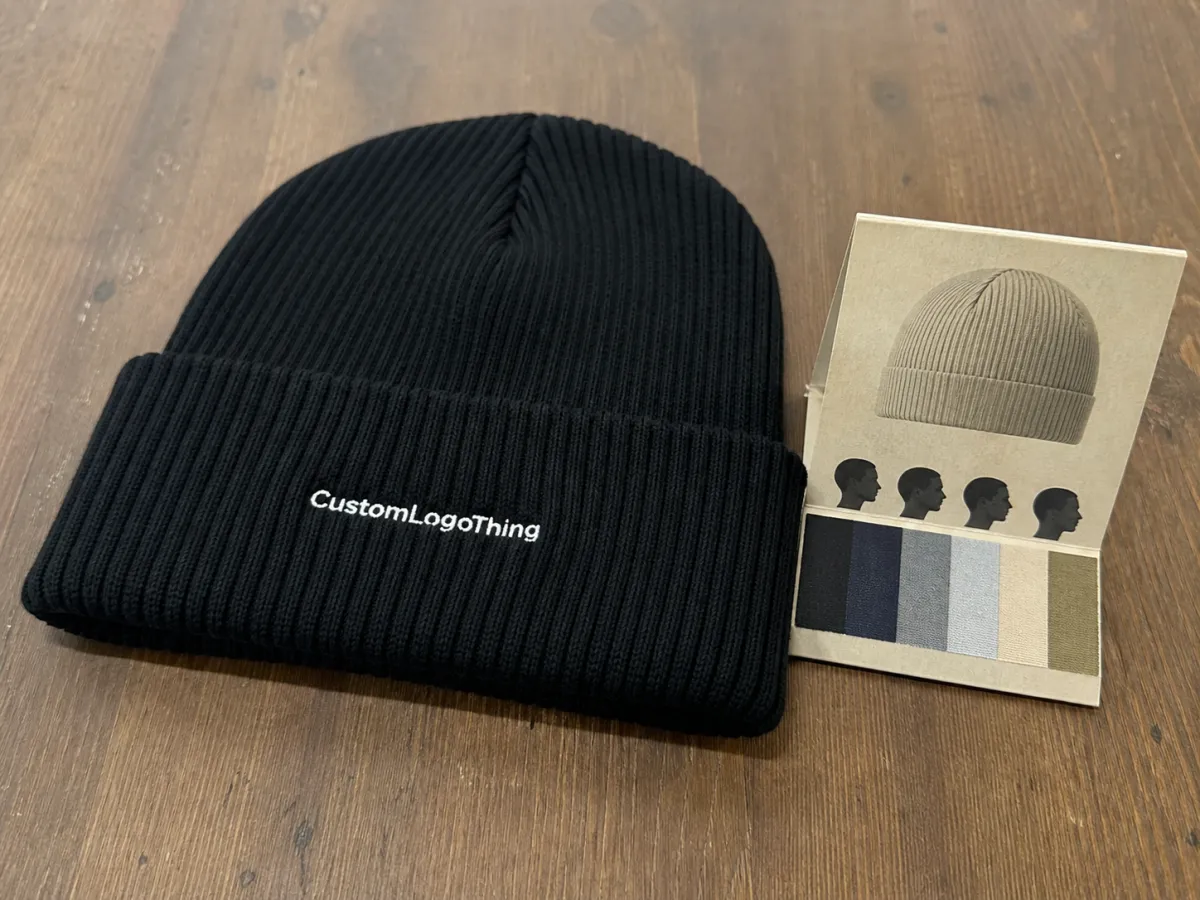
Rib construction creates vertical columns that expand and return to shape. That stretch is useful, but recovery matters just as much. A hat can fit a wide range of heads and still be a poor choice if it grows after a few wears or loses its outline in transit.
Stretch is also about height, not only width. A shallow beanie may fit around the head but sit too high on the ears or crown. A taller body can feel more relaxed, but too much height can create bunching, especially under a folded cuff. Buyers should confirm relaxed width, stretched width, cuff depth, and full body height in the spec sheet.
A sample can pass a visual check and still fail in wear if the rib recovery is weak or the crown height is off by a fraction of an inch.
The practical test is repeatability. A good ribbed hat should look and feel similar after packing, unpacking, and daily wear. If it stretches easily but does not spring back, that is a fit problem, not a styling preference.
How Rib Construction Affects Warmth, Recovery, and Wear
Rib knitting traps air between the columns, and trapped air is one of the best natural insulators in apparel. That is why a dense ribbed beanie can feel warmer than a thicker-looking flat knit. It does not have to be bulky to block cold air well.
Recovery depends on yarn choice and machine tension. Tighter knit settings usually hold shape better, but too much tension makes the hat feel restrictive at the forehead and ears. Softer settings improve comfort at first touch, but they can lead to growth and sagging over time. Buyers should define the acceptable stretch range before sampling starts.
Wear behavior also shows up in details that photography hides. A cuff that rolls too easily changes the look and reduces usable depth. A shallow crown may sit flat instead of rounded. Loose ribs can bunch under embroidery or patch work. These issues are often minor in isolation, but they matter when the hat is worn every day.
Climate and use case should shape the spec. A promotional beanie for a mild market does not need the same grip as a retail style for freezing weather. That choice affects yarn weight, stitch density, and the amount of warmth the wearer actually feels.
Material Choices That Change Handfeel, Durability, and Comfort
Most ribbed winter hats are made from acrylic, wool, wool blends, or recycled yarns. Acrylic is common because it is soft, consistent, and usually the most economical at scale. It also tends to produce predictable samples and bulk results, which helps when the order has tight approval timelines.
Wool offers stronger natural warmth and a more premium handfeel, but quality varies. Good wool is breathable and insulating; lower-grade wool can feel scratchy and may need more careful handling. Wool blends often split the difference, giving better warmth and recovery than basic acrylic without the higher cost or itch risk of pure wool.
| Material | Feel and Warmth | Durability and Recovery | Buyer Consideration |
|---|---|---|---|
| Acrylic | Soft, light, and broadly comfortable | Good shape retention when knit well | Common for larger runs and lower unit cost |
| Wool | Warmer, more breathable, naturally premium | Strong insulation, but can felt if care is rough | Best for colder markets and higher perceived value |
| Wool blend | Balanced warmth with less itch risk | Usually better recovery than pure wool | Good middle ground for retail and gifting |
| Recycled yarns | Varies by source, often soft and modern | Depends on fiber mix and knit tension | Useful for sustainability messaging and sourcing goals |
Recycled yarns are a useful option when sustainability goals matter, but the label alone does not guarantee performance. Spin quality, fiber length, and blend ratio matter more than the marketing description. A recycled yarn that is poorly spun can pill faster than a standard acrylic, while a well-made recycled blend can perform very well.
Material also affects decoration. Acrylic and wool blends usually provide a stable base for embroidery and woven labels. Softer knits can distort if the stitch count is too heavy or if a patch adds too much weight. If the hat body is the structure, the decoration has to work with it, not against it.
Pilling, breathability, and lining are worth checking early. Lower-cost yarns can pill after friction in a bag or coat pocket. A lining may improve comfort in colder conditions, but it also adds cost and can slightly change fit. Those details matter because they affect real-world wear, not just the approval sample.
Packaging can support the material story without changing the garment itself. Kraft sleeves, FSC certified cartons, and limited plastic are common options when the program needs a cleaner presentation. For broader recycling context, the EPA's materials guidance is a useful reference: EPA recycling guidance. For packaging materials and sourcing claims, FSC remains a recognizable standard for responsibly managed wood-based inputs.
How to Size Ribbed Beanies for Adults, Youth, and Gift Sets
The best sizing method starts with head circumference, but it should not end there. Compare the target measurement to relaxed width, stretched width, cuff depth, and full body height. A one-size beanie can cover a broad range, but that does not mean it is right for every program.
For many adult ribbed beanies, a relaxed opening around 18 to 20 inches flat, with comfortable stretch into the low-to-mid 20s, is a common starting point. The exact range depends on yarn content and knit tension. A denser knit feels more secure; a looser knit feels easier to wear but may lose shape sooner.
Body height is as important as circumference. A shallow beanie can fit around the head and still miss the ears. A taller body can create a relaxed look, but it may bunch if the cuff is worn low. Cuff height should be measured in both folded and unfolded states so the approved spec matches the finished product.
Youth sizing needs separate attention. Simply shrinking an adult pattern can make the hat look tight or out of proportion. Shorter crowns and slightly narrower openings usually work better. For mixed-age gift sets, a forgiving knit often performs better than a sharply graded size range because it reduces the chance of returns.
One common error is inconsistent measurement language. Some suppliers measure hats folded, others unfolded. That single difference can make a correct-looking spec sheet produce the wrong result in bulk. The same issue can happen with decoration placement if artwork height is not measured from the same reference point.
Cost, MOQ, and Quote Factors That Change Unit Cost
Unit cost usually moves with five variables: material, knit gauge, dimensions, decoration, and packaging. A basic acrylic ribbed hat with a woven label will usually price below a wool blend with embroidery, a custom patch, and retail folding. Custom-dyed yarn or an unusual cuff profile can raise cost again because the order becomes less efficient to run.
MOQ changes the math as well. Larger volumes spread sampling and setup across more units, so the unit price drops. Smaller runs carry more overhead per piece. Multiple colors, several size grades, or repeated revisions can also increase the minimum because they reduce line efficiency.
Read quotes for what they include, not just the headline price:
- Sampling: confirm whether fit samples, yarn approvals, and revisions are included.
- Decoration: check whether embroidery, patches, labels, or tabs are separate line items.
- Packaging: verify bulk packing, retail folding, sleeves, or gift presentation.
- Freight: clarify whether pricing is ex-works, FOB, or landed to your warehouse.
- Extras: look for setup fees, color-matching charges, or carton overage allowances.
Packaging can move cost more than many buyers expect because it adds labor and materials. Standard corrugated cartons are the baseline for shipping. Kraft inserts or sleeves add presentation value without much weight. If the hats are intended for retail or gifting, packaging should be decided as part of the quote, not after production starts.
Lead time can influence price too. Tight schedules leave less room for yarn sourcing, sample revisions, and production smoothing, which raises risk and often raises cost. A cheaper quote with more schedule pressure may not be the better decision if the delivery date is fixed.
Production Steps and Lead Time From Sample to Shipment
Production usually follows the same sequence: spec confirmation, sample knit, approval, bulk knitting, quality inspection, packing, and shipment. The sequence is simple; the timing is not. If the yarn is standard and the design is straightforward, sample turnaround can be quick. If the order needs custom color matching, special decoration, or a revised fit, the schedule extends.
For a simple stock-yarn order, 12 to 18 business days after sample approval is a common working range. Custom work can take longer depending on yarn availability, knitting complexity, and decoration. Freight is separate and should be planned backward from the delivery date, especially for seasonal programs.
Quality control is where the paper spec becomes a real product. That check should include dimensions against the approved sample, color consistency, stitch evenness, label placement, seam cleanliness, and carton count. Random pull tests and size checks help catch tension drift before the whole lot is packed.
Packaging can add time when the order uses printed inserts, retail folding, or FSC certified materials. If transit testing matters, ISTA-aligned practices are useful for cartons that will be stacked or handled multiple times: ISTA. That is especially relevant for gift sets or retail-ready packs, where the outer carton has to protect the knit without crushing presentation.
Common Mistakes Buyers Make With Fit, Fiber, and Spec Sheets
The biggest mistake is assuming one size means one outcome. It does not. Two ribbed hats with the same listed circumference can feel completely different because one uses heavier yarn and tighter tension while the other uses a looser rib and softer recovery. That is why the ribbed winter hats Material and Sizing guide has to be tested on a physical sample.
Incomplete spec sheets create the next layer of problems. Buyers often list color, logo placement, and quantity, but leave out relaxed measurements, stretched measurements, body depth, cuff instructions, and the final placement of decoration. If the measurement reference point is unclear, the bulk run can still be technically correct and practically wrong.
Wash behavior is easy to ignore and hard to fix later. Wool-heavy knits may soften after washing, while budget acrylic can lose shape if care is rough. Heavy patches and dense embroidery can also alter drape, making one side sit differently from the other. Soft goods usually fail in small visible ways: a curled cuff, a slanted label, a crown that no longer sits right.
Another common error is approving decoration before approving fit. That is backwards. If the hat sits too high, the logo placement changes. If the body is too short, the label appears crowded. Fit first, decoration second. That order saves rework later.
If the spec sheet does not describe how the hat behaves when stretched, folded, and worn for a full day, the sample is doing too much of the thinking.
Next Steps: Measure, Sample, and Approve the Final Spec
Start with the wearer, not the product sheet. Measure the target head size, decide the acceptable fit range, and choose the fiber blend that matches the market. Then confirm relaxed width, stretched width, body height, and cuff depth. Those numbers turn a vague winter hat request into a repeatable order.
For any important program, review two samples. A fit sample answers the comfort question. A pre-production sample confirms decoration, labels, and final color. Those are not the same test, and they should not be approved as if they were.
Before release, confirm the full spec:
- Dimensions: relaxed size, stretch range, body height, and cuff depth
- Material: acrylic, wool, blend, or recycled yarn source
- Decoration: embroidery, woven label, patch, or tab placement
- Packaging: bulk pack, retail fold, kraft paper sleeve, or gift box
- Timing: sample approval, production window, freight method, and delivery date
The ribbed winter hats material and sizing guide comes down to three checks: measure accurately, sample honestly, and approve only when fit, feel, and finish all match the job the hat has to do. That is how the order stays useful after delivery, not just impressive in the approval stage.
What is the best material for ribbed winter hats?
Acrylic is usually the most cost-effective and consistent option for larger orders. Wool offers stronger natural warmth and a more premium feel, while blends and recycled yarns can balance comfort, durability, and sustainability goals.
How do I size ribbed winter hats for adults?
Start with head circumference, then compare it to the hat's relaxed and stretched measurements rather than relying on one-size language. Check cuff height and body depth as well, since a hat can fit around the head and still sit too shallow or too tall.
Do ribbed winter hats run large or small?
They often look forgiving because of the stretch, but the real fit depends on rib tension, yarn weight, and recovery after wear. A sample is the safest way to see whether the hat will feel snug, loose, or balanced in bulk production.
What affects the price of ribbed winter hats most?
Material, knit gauge, decoration method, and packaging usually drive price more than anything else. MOQ and sampling matter too, because lower quantities and more setup steps tend to push the unit cost up.
How long does production usually take for ribbed winter hats?
Lead time depends on whether the spec is final, whether the sample needs revisions, and how complex the yarn or decoration choices are. Allow time for approval, bulk knitting, quality checks, packing, and shipping so the order is not rushed at the end.

