Most mailer problems do not start with printing; they start with vague material specs, and that is why a clear fitness studio Custom Poly Mailer bags material spec guide saves time, reduces reprints, and keeps shipments from showing up torn, stretched, or poorly sealed. A fitness studio shipping apparel, towels, resistance bands, or membership kits needs a bag that handles real transit abuse while still supporting branded packaging and a clean unboxing moment.
From a buyer’s point of view, the job is simple to describe and harder to execute: the mailer has to protect the contents, present the brand well, and stay efficient on postage. If you order Custom Poly Mailers without defining film structure, opacity, closure style, and print coverage up front, you can end up paying for changes that should have been settled before artwork ever hit the proof stage.
For studios that also sell retail packaging, class merch, or welcome kits, the mailer becomes part of package branding, not just a shipping shell. A good spec sheet keeps the job moving, and it gives the supplier enough detail to recommend the right material instead of guessing.
Fitness Studio Custom Poly Mailer Bags Material Spec Guide: What to Define First
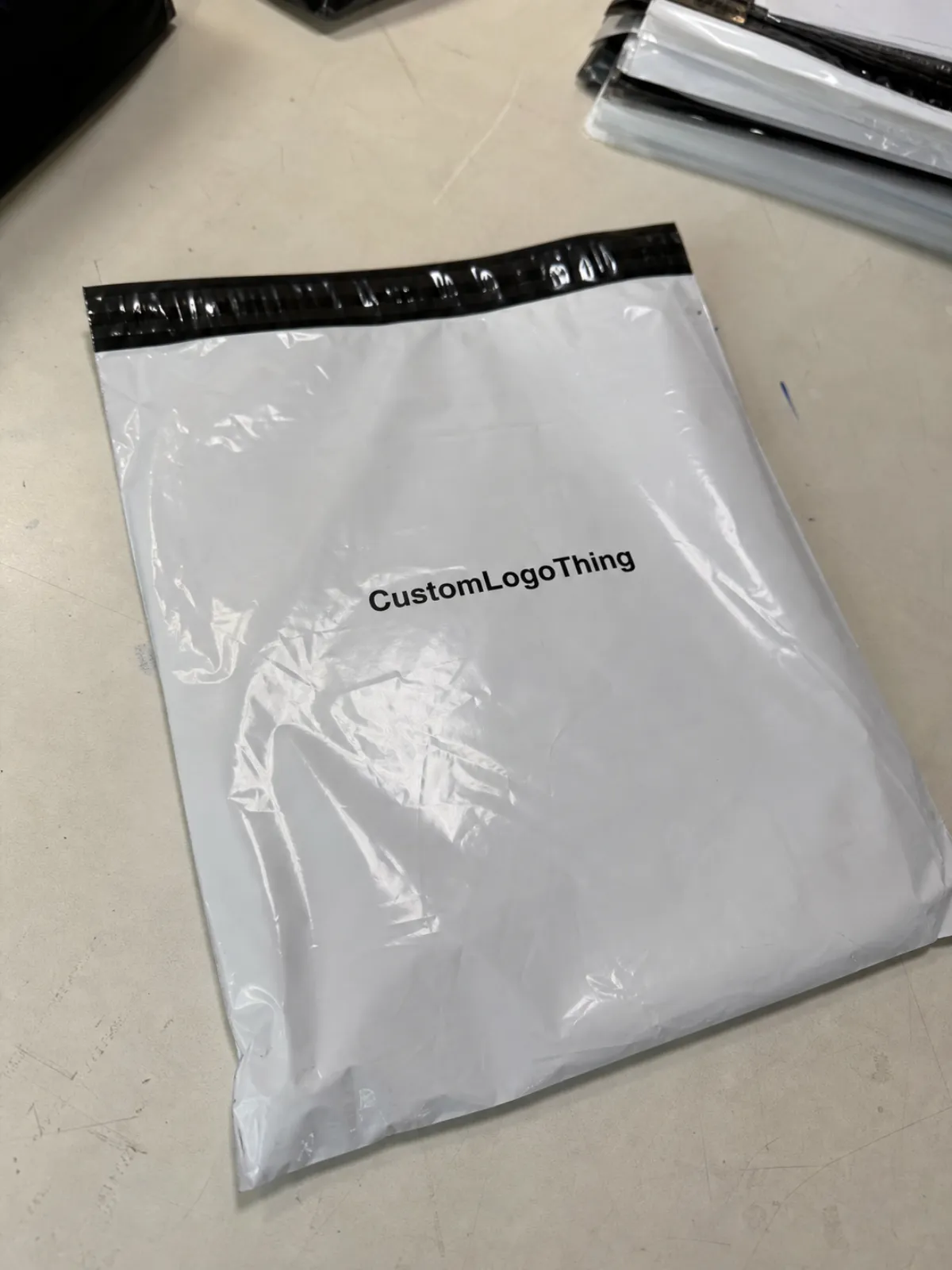
If the phrase fitness studio Custom Poly Mailer Bags material spec guide sounds formal, that is because the details matter more than most people expect. A poly mailer is usually the last piece a customer touches before opening the order, so it needs to feel intentional, not improvised. For fitness studios, the common contents are lightweight apparel, folded towels, socks, shaker bottles, and branded welcome inserts, which means the mailer has to balance strength, appearance, and shipping cost instead of chasing the thickest film available.
The first choices are the ones that shape everything else. Start with single-layer or co-extruded film, then decide how much opacity you need, what type of closure will be used, and whether the bag needs one-sided or two-sided branding. If the studio ships only tees and leggings, a simpler structure may work. If the same mailer may carry zipper pouches, accessories with hardware, or several folded garments, the spec should move toward better puncture resistance and stronger seals.
In practice, a buyer should think about the package the way a packaging engineer would: what is the worst thing that can happen in transit, and what part of the bag prevents that failure? That mindset leads to better product packaging decisions than simply asking for the cheapest printed option. It also helps keep the order aligned with the rest of the brand system, whether the studio uses kraft paper inserts, custom printed boxes, or a mixed kit of mailers and cartons for different order sizes.
Practical goal: get a mailer that opens cleanly, holds its seal under stress, and presents the logo clearly enough that the package feels like part of the studio experience, not an afterthought.
How the Film Structure, Seal, and Closure Work Together
Most Custom Poly Mailers are made from LDPE or co-extruded polyethylene films, and those layers do different jobs. One layer may focus on print clarity, another on toughness, and a third on slip, so the bag can run smoothly through packing and sortation. Film gauge, measured in mils or microns, tells only part of the story. A 2.5 mil bag with weak seal construction can fail faster than a well-built 2.0 mil bag that was properly designed for the shipment profile.
Seal strength deserves as much attention as film thickness. Sharp zipper pulls, corners of boxed accessories, and metal hardware from resistance gear can all stress the bottom or side seams during carrier handling. If the seal line is narrow, inconsistent, or too close to the edge, the bag can split even though the film itself looks fine. That is why many buyers ask for sample testing with an actual packed product rather than relying on a flat sheet spec alone.
Closure style changes how the bag performs after the initial ship. Self-seal adhesive strips are common and efficient, but tamper-evident strips give a clearer sign if the package was opened in transit. Dual-seal designs can be useful for returns or repacking, especially for fitness studios that allow exchanges on branded apparel. A cleaner closure can also support repeat use, which matters for customer perception and for any internal sorting or kitting workflow.
Print finish matters too, even though it does not change the shipping function. White ink opacity, gloss, and matte finish all influence how a logo reads on dark or translucent film. A matte bag can feel more premium and reduce glare in photography, while a gloss finish may make bold graphics pop. Either way, the artwork should be planned around the film, not forced onto it.
“The best mailer spec is the one that still looks right after a real shipment, not just on a proof screen.”
For broader packaging standards, it helps to check common testing and sustainability references such as ISTA for transit testing and EPA recycling guidance for disposal context. Those references do not pick a material for you, but they do keep the spec grounded in real shipping and end-of-life conditions.
Key Material Factors That Change Durability, Appearance, and Feel
Thickness is the first number buyers ask about, but it should never be the only number. For many fitness studio orders, a range around 2.0 to 3.0 mil is common, though the right answer depends on bag size, contents, and how much abuse the package will take in transit. A lightweight tee kit may ship well in a thinner film, while a bulkier bundle with towel rolls or accessories may need a heavier structure. If the bag is oversized, though, extra gauge can add cost without adding much real protection.
Opacity is the next decision. A fully opaque white or black mailer protects privacy for apparel and membership kits, and it can make the logo stand out more consistently. A semi-opaque or translucent bag may be acceptable for lower-risk shipments, but buyers should be sure the contents will not show through in an awkward way. For premium package branding, the bag should look deliberate on arrival, not like a generic shipping sleeve that happened to get a logo.
Surface finish changes the tone of the whole order. Gloss gives energy and contrast. Matte feels softer and often photographs better. If the studio is already using coordinated retail packaging, the mailer should echo that look so the brand system feels connected across channels. That kind of consistency matters whether the team is shipping from the front desk or from a fulfillment partner.
Print method affects price and visual quality as well. Simple one-color branding is usually the most economical, while full-coverage graphics or multiple inks raise setup and production complexity. If the artwork needs a heavy white underlay, expect that to influence both cost and lead time. Buyers who want to keep spend tight often choose a restrained mark that still looks sharp against the film instead of trying to cover the entire bag with art.
There is also a sustainability angle, and it should be handled honestly. Recycled content, downgauged film, and recyclable structures can all be useful, but the spec still has to meet shipping demands. A lighter structure that fails too often creates more waste than a slightly heavier bag that arrives intact. For guidance on material sourcing and responsible fiber systems in broader packaging, FSC remains a useful reference point, even though poly mailers themselves are a different material family than paperboard or kraft paper.
Custom Poly Mailer Bag Process and Lead Time for Fitness Studios
The process usually begins with the basics: finished size, material structure, print area, closure style, and shipment use case. That information lets the supplier narrow the build before artwork is finalized. If the studio sends a logo first and the dimensions later, the proof cycle often slows down because the print layout has to be reworked around the actual die size and seam locations.
Artwork readiness can make or break the schedule. Files that are not print-ready, wrap too close to a seam, or place small text too near the edge tend to create extra proof rounds. A logo that looks great on screen may fail once it is stretched across a real mailer panel, especially if the design uses fine type or a border that has to stay aligned from side to side. This is where a clean packaging design file saves real time.
Lead time is usually made up of four parts: proof approval, setup or plate work, production queue, and transit. A common turnaround for a custom order can fall around 12-15 business days after proof approval, but that changes with quantity, print complexity, and the shop’s current workload. Freight can add several more days, especially if the order is shipping to multiple locations or to a fulfillment partner that receives goods in staged windows.
Planning around launches matters. If the studio is running a membership drive, seasonal apparel drop, or a welcome-kit refresh, the mailers should be ordered early enough that proof revisions do not collide with the campaign start. A missed deadline here is not just a packaging problem; it can affect merchandising, customer onboarding, and the way the brand shows up at the point of sale.
If the order is part of a larger packaging rollout, it can help to review Custom Packaging Products alongside mailers so the team can coordinate inserts, labels, or companion items without creating a mismatch between shipping packs and in-studio presentation.
Cost, MOQ, and Quote Factors That Change Your Price
For custom mailers, price is driven less by one single number and more by a stack of choices. Bag size, film thickness, ink count, print coverage, and whether the graphics are on one side or both sides all influence the final quote. A smaller bag with a one-color logo may land in a very different price band than a larger, fully printed mailer with a white ink base and a matte finish.
MOQ, or minimum order quantity, is where many buyers get surprised. Lower quantities usually carry a higher unit price because setup costs are spread across fewer pieces. Larger runs often improve economics, especially for studios that ship regularly and know the design will not change often. A buyer comparing quotes should match the quantity across vendors or the numbers will not mean much.
| Option | Typical Build | Common Use | Relative Unit Cost |
|---|---|---|---|
| Basic branded mailer | 2.0-2.5 mil, one-color print, self-seal | Apparel, lightweight inserts | Lower |
| Mid-tier mailer | 2.5-3.0 mil, 1-2 colors, stronger adhesive | Mixed apparel, towels, accessory kits | Moderate |
| Premium mailer | Heavier film, higher opacity, matte finish, dual-seal | Membership kits, higher-touch branded packaging | Higher |
Hidden costs matter too. Extra proof rounds, specialty closures, rush production, and freight to multiple locations can push the final spend higher than the base quote suggests. A low-looking unit price can also hide a simpler build, weaker film, or a different closure that is not actually comparable.
Honestly, the cleanest way to compare vendors is to line up exact specs and ask for the same assumptions every time. If one quote includes test samples, another excludes freight, and a third uses a different gauge, the cheapest number may not be the best value. For buyers who manage multiple package formats, that same discipline helps across custom printed boxes, mailers, and any corrugated cardboard shipper that joins the kit later.
Step-by-Step Spec Checklist Before You Request Quotes
Before sending a request, start with the item that ships most often. Fold the apparel, towel, or accessory bundle the way it will actually go into the mailer, then measure the finished pack rather than guessing from the flat product dimensions. That simple step prevents oversized bags, poor fill, and wasted postage.
Next, choose the film structure and thickness based on weight, puncture risk, and privacy needs. If the studio wants a recycled-content story, say so early, but keep the performance target clear. Eco-minded choices are best when they are matched to the real shipment, not treated as a separate decoration on the order.
Then define print requirements, closure style, and monthly volume. A supplier can only quote accurately if the same assumptions are used across each option. If the team wants a self-seal strip, a tamper-evident closure, or a dual-use return strip, that should be written into the request, not left for a later conversation.
The most useful quote request includes six items:
- Finished bag dimensions
- Actual packed contents
- Target film gauge or performance target
- Print colors and coverage
- Closure type
- Estimated monthly or annual quantity
Ask for a sample or spec sheet before final approval, then test it with a real packed product. Check seal integrity, print clarity, and how the mailer handles being picked up, stacked, and moved around a packing table. If the order is part of a broader procurement plan, one good spec sheet can keep every reorder aligned across the studio’s product packaging system.
A final note on standards: if the shipment is more delicate than it looks, request transit testing against the right profile and ask whether the supplier is referencing common package testing practices. That is where ISTA-type thinking helps, even if the final order is still a simple mailer.
Expert Approval Tips and Next Ordering Steps
The easiest way to keep reorders clean is to keep one internal spec sheet that records size, film thickness, ink count, closure type, finish, and the approved artwork version. That sheet becomes the reference point for future production and keeps one team member from ordering a slightly different build six months later. In a fast-moving studio, that kind of documentation saves more than just time; it preserves consistency in package branding.
For a first run, ask for a sample pack or digital proof review and compare it against a real packed product before production release. If the logo sits too close to a seam, if the matte finish looks flatter than expected, or if the adhesive strip feels weak under handling, it is far better to catch that early than after the whole order is printed. That is especially true for fitness studios that want the mailer to feel like part of the brand, not a generic shipping layer.
Timing should follow the inventory calendar, not just the marketing calendar. If the apparel drop, membership kit, or onboarding program is already locked, order the mailers before the pressure hits. Rush charges and rushed approvals can be avoided with a little scheduling discipline, and the final result usually looks better too.
For studios ready to quote, gather product dimensions, volume, artwork files, and your approved fitness studio Custom Poly Mailer Bags material spec guide before you start shopping prices. That one step makes the conversation faster, the quotes easier to compare, and the final bag far more likely to arrive looking and performing the way it should.
What thickness is best for fitness studio custom poly mailer bags?
Choose thickness based on what ships most often. Lightweight apparel usually needs less film than items with zippers, hardware, or boxed accessories, and puncture risk matters more than chasing the highest gauge number. Ask for a packed sample test so the thickness matches real handling, not just a spec line on paper.
How do I compare quotes for custom poly mailer bags accurately?
Compare identical specs only: size, film gauge, ink coverage, closure style, and quantity. Then check whether freight, setup, proofing, and rush charges are included. A lower quote may reflect weaker film or a different closure, so confirm the full build before making a decision.
What affects lead time for a custom fitness studio mailer order?
Artwork readiness is usually the biggest schedule factor because incomplete files extend proofing. Quantity, print complexity, and the current production queue also matter, and shipping time can be just as important as the press run. Planning early keeps launch dates from slipping.
Do I need opaque film for fitness studio mailers?
Opaque film is helpful when you want privacy for apparel, membership kits, or branded welcome packs. If the contents are not sensitive and you want a lighter look, a different opacity may still work. The right choice balances privacy, appearance, and material cost.
What should I send with my quote request for custom poly mailer bags?
Send finished dimensions, expected contents, estimated monthly quantity, and preferred closure style. Include print files or logo references, plus notes on colors, finishes, and any recycled-content preference. Share your target ship date so the supplier can quote a realistic timeline and production slot.

