The home fragrance Embroidered Baseball Caps material sample guide is not about admiring a neat mockup and calling it done. It is about finding out whether the cap still works once embroidery stiffens the front panel, the crown settles into shape, and the fabric starts behaving like a finished product instead of a render. That gap sounds small on a screen. In production, it can decide whether the cap feels considered or accidental.
For home fragrance brands, the bar is higher than “looks okay.” Candles, diffusers, room sprays, and gift sets already rely on packaging to signal taste and control. A cap sitting beside those products has to carry the same visual discipline. If it looks flimsy, cheap, or overworked, it weakens the rest of the launch.
A sample is cheaper than a mistake. It catches problems in thread density, crown structure, panel balance, and packaging fit before hundreds or thousands of units are committed. That is the part buyers remember after the first shipment arrives.
A sample is not a souvenir. It is a decision tool.
What the sample really tells you
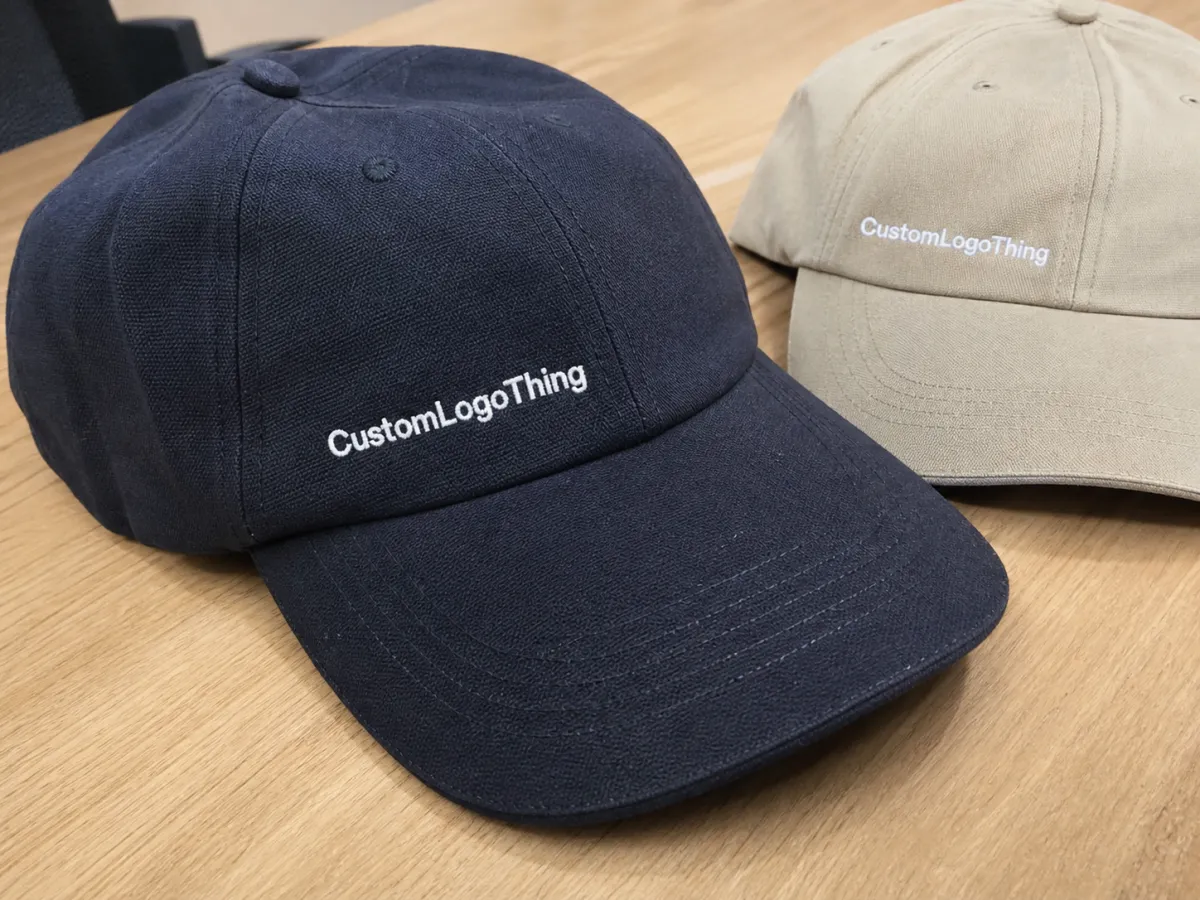
A fabric swatch tells a limited story. It can show color, weave, and handfeel. It cannot show how the front panel reacts after embroidery pulls on it, how the cap sits on a head, or whether the logo becomes crisp and dimensional rather than bloated. A full sample is the first honest read on the cap body, the stitch structure, and the finish.
The home fragrance Embroidered Baseball Caps material sample guide should therefore focus on four things at once: handfeel, shape, color accuracy, and logo clarity. Those are easy to separate in theory and annoyingly linked in production. A fabric that feels soft can collapse under embroidery. A structured front can improve logo visibility while making the cap feel too rigid for everyday wear.
That tradeoff matters more in merch tied to fragrance than it does in a generic promotional item. Home fragrance products are usually bought for mood, scent, and atmosphere. The cap has to borrow some of that same precision. If the embroidery looks heavy or the crown collapses after a few wears, the merch stops reading as premium and starts reading as leftover budget.
There is also a difference between checking a sample visually and checking it as a product. A render can hide distortion. A photo can hide stiffness. A real sample shows whether the bill curves correctly, whether the crown height feels balanced, and whether the closure sits cleanly at the back. That is the question that matters.
If the cap will ship as part of a boxed set, look at presentation too. A cap packed in corrugated cardboard, wrapped in kraft paper, or paired with FSC certified inserts gives a much better read on final presentation than a loose cap tossed into a polybag. The protection also matters. A structured front panel can crease in transit if the carton is too small or the insert is too soft.
One more practical point: sample fabric can look slightly different once it is cut and stitched. Grain direction, panel tension, and embroidery coverage all affect the final result. Buyers who only judge by a flat swatch often miss the reason the decorated sample feels different. That is not a design issue in the abstract. It is a construction issue.
How the sample review process works
The cleanest sample process is simple and, frankly, a bit unglamorous. You send the brief. The supplier checks the artwork. Fabric and trims are confirmed. A sample gets built. Then the sample is reviewed against clear standards, not vague reactions. If revisions are needed, they are marked precisely. Only after that does bulk production start.
Here is the usual sequence:
- Share the artwork, Pantone targets, cap style, closure preference, and target quantity.
- Confirm fabric, thread colors, trim details, and any logo placement measurements before sampling begins.
- Review the physical sample in hand, not only through photos or a short video.
- Send revision notes with exact changes: placement, density, stitch direction, color, shape, or comfort.
- Approve a revised sample or restart if the build misses the spec in a meaningful way.
The first thing to verify is obvious: logo size, placement, and thread match. The second layer is more revealing. Check the sweatband, the closure, the inside seam finish, the eyelet placement, and the way the front panel holds shape after it has been worn and handled. A cap can look polished on a table and still feel awkward after ten minutes on the head.
Compare the sample against the materials you already trust. That means Pantone references, packaging proofs, fragrance label artwork, and any launch board you used to define the collection. If the cap is supposed to sit alongside candles in a cream box or diffuser refills in a matte carton, the sample should be judged in that same visual context. Otherwise, the review becomes guesswork.
Approvals should be binary whenever possible. Accept it, request revisions, or reject it. Ambiguous feedback creates extra rounds, and extra rounds burn time faster than most teams expect. A supplier cannot fix “make it feel more elevated” unless that sentence is translated into measurable changes.
Shipping deserves its own check. Ask how the cap will be packed for sample transit. If the crown needs structure, the inner support matters. If the brim is curved, it needs protection from pressure. Transit standards from groups like ISTA are useful because they focus on what actually happens during parcel handling, not what looks neat in a showroom.
Fabric, stitch, and structure factors that change the result
Fabric choice changes the cap more than many buyers expect. Cotton twill is the safest middle ground: durable, familiar, and usually stable under embroidery. Brushed cotton has a softer surface and can feel more refined in hand. Canvas is heavier and gives the cap a sturdier look, though it can also make the finished piece feel bulkier. Poly blends can reduce cost and hold shape well, but they are easier to get wrong if the fabric weight is too light.
Weight matters. A lighter fabric may be more comfortable in warm retail environments, but it can pucker under dense embroidery. Heavier fabric gives the stitch more support, though it may feel stiff right out of the box. The right choice depends on whether the cap is meant for casual merch, event staff, or retail gifting.
Stitching is where a lot of good ideas break down. Stitch density, underlay, fill direction, and thread count all affect whether the logo looks sharp or swollen. Dense lettering can distort the panel, especially on small logos with tight spacing. A lighter stitch pattern may preserve the cap shape but soften the edge definition. Neither result is automatically wrong; the right one depends on the artwork and the fabric beneath it.
There is a practical limit to how much detail a cap should carry. Thin serif fonts, tiny taglines, and packed logos often lose clarity once stitched. If the text is too small, the solution is usually not “stitch harder.” It is to simplify the artwork or increase the logo area. That is a production constraint, not a creative failure.
Structure changes the look again. An unstructured cap feels relaxed and casual. A mid-profile cap gives a better balance between comfort and shelf presence. A structured front, usually supported with buckram or a similar insert, gives the embroidery more lift but can feel stiffer on the head. Crown height, panel construction, and lining all affect fit more than many first-time buyers predict.
Do not ignore the wear details. A sweatband that scratches, a closure that digs in, or eyelets that sit oddly can ruin an otherwise strong sample. If the cap is meant to be worn for pop-ups, retail shifts, or event staffing, comfort becomes part of the brand impression. A beautiful cap that people avoid wearing is not a success.
Small finish details often reveal whether the sample came from a serious build or a loose shortcut. Check seam allowance consistency, back closure stitching, and the alignment of the center seam with the logo. Uneven finishing is easy to miss in the sample stage and much harder to defend after bulk production starts.
Packaging language should stay aligned too. If the fragrance line uses recycled content, kraft paper sleeves, or biodegradable cartons, the cap should not feel like it came from a different brand. Buyers notice when one item in the set looks off. The whole package needs a shared logic.
If sustainability claims matter to the brand, ask for FSC certified paper options for inserts or shippers. It is a small detail that can support the story without adding visual clutter. A corrugated carton with post-consumer waste content can still feel premium if the print, proportions, and inner protection are handled carefully. More on paper certification is available through FSC.
Cost, MOQ, and unit price drivers
Cap pricing is not mysterious. It is a stack of choices. You pay for the sample itself, digitizing or setup, fabric grade, embroidery complexity, trims, finishing, and freight. If a quote looks unusually low, one of those layers has probably been reduced somewhere.
For a realistic benchmark, many custom embroidered cap samples land around $25-$80, depending on decoration size, revision count, and whether the artwork needs extra setup work. Bulk unit pricing often sits in the $4-$15 per cap range, with the lower end tied to simpler builds and larger quantities. Premium fabric, cleaner finishing, or more complex embroidery can move the number quickly.
MOQ changes the math. Lower minimums usually cost more per unit because setup cannot be spread across as many pieces. Higher volumes can unlock better fabric options, cleaner trim details, and more favorable labor rates. None of that is a sales tactic. It is just how sewing production works.
| Sample Option | Typical Cost | What You Learn | Best Use |
|---|---|---|---|
| Fabric swatch | $5-$15 | Color, weave, weight, basic handfeel | Early fabric screening |
| Decorated cap sample | $25-$80 | Embroidery quality, fit, structure, finish | Most buyer approvals |
| Pre-production sample | $40-$120 | Final construction before bulk run | Launch-critical orders |
To compare quotes properly, strip out the noise. Does the price include digitizing? How many stitch colors are included? Is the closure a basic adjustable strap or a better-finished metal buckle? Are labels, sweatbands, and interior tape included, or quietly excluded? That is where budgets drift.
Two quotes can look close and still deliver very different products. One factory may be using heavier cotton twill, denser stitching, and tighter interior finishing. Another may be using a thinner shell and simpler trim. Those are not equivalent offers, even if the top-line number looks friendly.
Sampling fees sometimes get credited against bulk orders. Sometimes they do not. Ask directly. That detail affects whether you treat the sample as sunk cost or as part of the production budget. It also clarifies whether revision rounds are included or billed separately.
Production steps, timeline, and turnaround expectations
A realistic timeline keeps everyone calmer. The standard sequence is quote, artwork prep, sample build, sample review, revisions if needed, bulk approval, production, and shipping. If anyone skips the review stage and jumps straight into bulk, they are usually buying problems in quantity.
Typical timing looks like this: a first sample often takes 7-14 days, a revised sample may take another 5-10 days, and bulk production often lands in the 2-4 week range after approval. Add shipping time, and the schedule can widen quickly. Caps are sewn objects. They still take time to cut, stitch, press, inspect, and pack.
Delays usually come from a small set of causes. Slow feedback stretches the calendar. Unclear artwork creates wrong assumptions. Material substitutions change the look and force a recheck. Busy seasons back up the queue. None of that is dramatic, but all of it costs time.
If the cap needs to ship with a fragrance launch, a retail drop, or a seasonal campaign, build in buffer time. A sample approved on paper is not the same as a finished product on the shelf. That gap matters more than teams usually budget for.
Pack-out planning should stay aligned with production planning. If the cap will go into a boxed set, confirm insert size, outer carton dimensions, and any print changes early. A clean sample packed in kraft paper inside an FSC certified mailer tells you more about final presentation than a loose sample ever will. Recycled materials and post-consumer waste content are straightforward asks, not edge cases.
The most useful shipments are still the plain ones. A properly sized corrugated cardboard shipper, enough internal support to hold the crown, and simple labeling do more for review quality than decorative packaging ever will. The point is to receive a sample that still looks like a sample after transit, not a flattened apology for one.
Common mistakes that waste sample rounds
The biggest mistake is giving a vague brief and pretending it is precise. “Make it premium” is not a spec. Neither is “close to this image.” A supplier needs the file, the target Pantone values, the cap profile, the closure type, the quantity, and the deadline. If that sounds tedious, good. Precision is cheaper than guessing.
Another problem is approving from photos only. Lighting changes thread sheen, fabric tone, and even the apparent size of the logo. A cap that looks balanced in a bright phone photo can feel too tall, too stiff, or too busy in hand. If the sample matters, check it in natural light and again indoors before signing off.
Chasing the lowest quote is a classic way to waste time. The low bid often hides a thinner fabric body, fewer stitch colors, simpler finishing, or a more generic closure. Then the team wonders why the cap feels cheap. The price already answered that question.
Overloading the cap with detail is another predictable trap. A busy logo, small text, and too many thread colors can make the cap harder to stitch cleanly. It may also slow production and increase the chance of revision. Simplifying the embroidery often improves the result more than adding another round of feedback.
For fragrance brands, the stakes are visual as much as functional. Merch has to look intentional on shelf, in a gift set, and on social photos. If it only survives a spreadsheet, it is not ready. The home fragrance Embroidered Baseball Caps material sample guide should help catch that problem before bulk production, not after customers do.
If the sample feels like a compromise, the bulk order will feel like one too.
Next steps for a faster, cleaner approval
Start with a one-page spec sheet. Put the artwork files, target quantity, cap style, closure choice, color standards, deadline, and budget range in one place. The fewer scattered emails involved, the fewer chances there are for thread-color confusion or sizing drift.
Ask for two price paths if you are comparing value. One version should hit the target budget, and another should show a better fabric or cleaner finish so you can see what the upgrade actually buys. A side-by-side comparison is more useful than a long email about quality.
Use a pass-fail checklist during review. Keep it simple and mechanical.
- Shape: crown height, panel balance, and front structure feel right.
- Comfort: sweatband, closure, and interior finish do not irritate.
- Stitch sharpness: logo edges stay clean and readable.
- Color match: fabric and thread sit close to target references.
- Shelf appeal: the cap looks premium next to the rest of the product line.
Once the checklist is set, approvals move faster because everyone is judging the same thing. Not mood. Not preference drift. Actual criteria. That is the difference between a smooth sample cycle and one that eats the schedule in tiny, avoidable pieces.
Use the home fragrance Embroidered Baseball Caps Material Sample guide as the reference point for the brief, the sample review, and the final approval. If the sample answers the right questions, you are close. If it only looks good in one photo, keep going.
What should a home fragrance embroidered baseball cap sample include?
It should include the actual cap body, embroidery, closure, sweatband, and any label or trim that affects the final look. A useful sample also shows the final stitch density, thread color, and crown structure, not just a loose fabric swatch.
How much does an embroidered cap sample usually cost?
Many samples fall around $25-$80, but complexity, digitizing, and rush timing can push the price higher. Some suppliers credit the sample fee back on the bulk order, so ask before you assume the fee is sunk cost.
How long does the sample and approval process usually take?
A first sample often takes 7-14 days, with revisions adding another 5-10 days depending on the change list. After approval, bulk production commonly needs 2-4 weeks, plus shipping time and any customs delay.
Which fabric works best for premium-looking embroidered baseball caps?
Cotton twill and brushed cotton usually give a premium handfeel, while heavier canvas adds structure and a more substantial look. Thin or low-density blends can save money, but they often make dense embroidery feel cheap or distort the crown.
What details should I send for accurate pricing on custom cap samples?
Send the artwork file, target Pantone colors, cap style, quantity, closure type, and deadline in one message. Add notes on packaging, label placement, and whether you want a value sample or a premium construction comparison.

