Candle Embroidered Baseball Caps Unit Cost Review & Quote
If you are working through a candle Embroidered Baseball Caps unit cost review, the blank cap is only the starting point. The real price movement comes from embroidery complexity, stitch count, placement, thread colors, and how much setup the order needs before the first cap is even sewn. Two quotes can look close at a glance and still land in very different places once production is underway.
That gap catches buyers off guard. A plain cap with a small front mark is usually efficient. Add a candle illustration with thin outlines, flame detail, extra color changes, or a design that crosses a seam, and the labor picture shifts quickly. The cap itself may be inexpensive. The decoration is where the quote becomes less predictable.
The right way to review this kind of order is to treat it as a spec problem, not a guessing exercise. You want the finished product defined clearly enough that the supplier can price actual work, not an optimistic placeholder. A quote that shows blank cost, setup charges, digitizing, and expected MOQ behavior is far more useful than a low number with missing context.
That is especially true with embroidered headwear. Thread does not behave like print. It has rules, limits, and a habit of exposing vague artwork. A candle motif can look elegant in a mockup and still become costly if the stitch path is dense or the artwork is too fine for the crown shape. The smartest review focuses on where those extra cents are coming from before anyone approves sampling.
Why the unit cost moves faster than the blank cap price
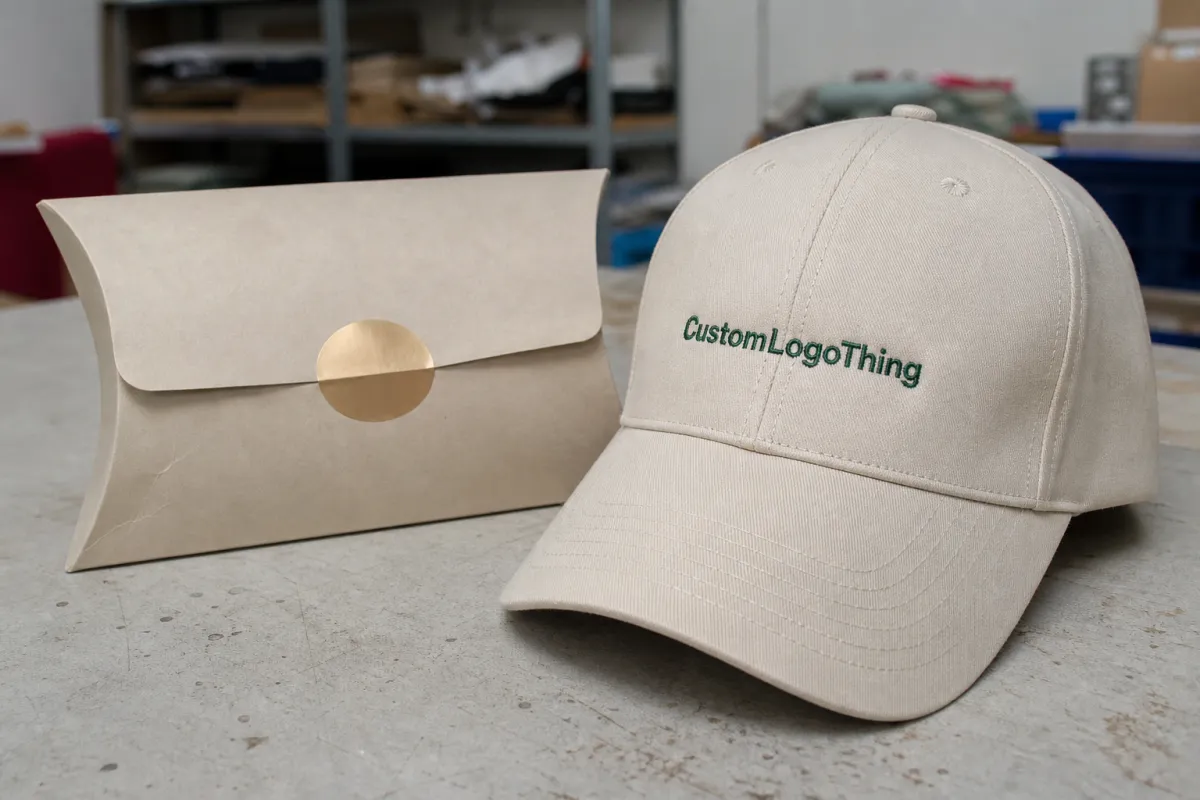
The blank cap is the easy part to compare. A standard cotton twill or brushed chino cap may vary only a little from one source to another. Finished cost moves much more after embroidery enters the picture. In a candle Embroidered Baseball Caps Unit Cost Review, the biggest swing usually comes from labor, not fabric.
A simple logo with one or two thread colors is efficient. A candle design with narrow linework, flame gradients translated into thread, or a fine outline wrapping near a seam is not. Every extra pass through the machine adds time. Every correction in digitizing adds risk. Every placement that sits awkwardly on a curved panel makes the operator work more carefully. That care costs money.
Rejection risk matters too. A design that looks neat on a flat mockup can distort once it meets an unstructured front panel or a deeper crown. If the thread pulls the fabric, if a flame shape loses definition, or if the seam interrupts the artwork, the line may need adjustment or rework. Rework is one of those costs buyers rarely see in the quote line by line, yet it shows up immediately in the final per-piece price.
Many buyers start with blank cap comparisons because they are simple. That approach is fine for shelf stock. For custom embroidery, the cheaper blank can disappear behind a higher digitizing fee, heavier stitch time, or more demanding setup. A $0.30 difference in the cap body is easy to erase once the decoration work starts, especially on smaller orders.
“A clean candle graphic is cheap to run. A candle graphic with tiny lines, multiple colors, and seam-crossing placement becomes a production decision, not just a design choice.”
That is why a serious review starts with artwork quality and production feasibility. If the supplier cannot tell you which part of the design is driving cost, the quote is incomplete.
What this embroidered baseball cap package needs to include
A clean quote starts with a plain spec. Baseball cap style. Embroidery method. Candle artwork placement. Closure type. Crown structure. Bill shape. Panel construction. If the design sits only on the front panel, say so. If it also appears on the side or above the closure, say so. Ambiguity is the fastest way to get a quote that looks useful and turns out to be wrong.
The package also needs to define the cap body. A structured or unstructured crown, a curved or flat bill, and a closure choice all influence the final price. Plastic snapbacks are usually the lowest-cost option. Metal buckles tend to feel more retail-ready and can add a little to the total. Fabric straps with metal hardware sit somewhere in the middle, depending on finish and sourcing.
The embroidery spec should be specific enough to digitize without interpretation. Buyers should provide:
- Artwork file in AI, EPS, or clean vector PDF if available
- Target size for the candle graphic, preferably in inches or millimeters
- Thread colors with Pantone references if brand accuracy matters
- Placement such as center front, left front panel, side panel, or above the closure
- Detail level if the candle needs lettering, texture, or fine flame lines
Cap color availability is another variable buyers often underestimate. Black, navy, beige, and other standard shades are usually easier to source. Specialty dyed colors, washed fabrics, or uncommon panel treatments may need longer lead times and a higher minimum. If the blank is hard to source, the embroidery price is no longer the only issue.
The candle artwork itself can be the bottleneck. Fine lines, tiny text, gradients, and shaded fills do not translate well into thread unless the digitizer simplifies them. Sometimes that simplification improves the result. Sometimes it changes the character of the design more than the buyer expects. That is the tradeoff with embroidery: the technique rewards strong shapes and punishes fragile ones.
For buyers who care about retail presentation and shipping durability, packaging matters too. Inner polybags, tissue, and carton sizing all affect how many caps fit in a carton and how well the brim holds its shape in transit. Good packaging does not need to be expensive, but it does need to be consistent. For broader packaging guidance, resources from the Packaging School / packaging.org and ISTA can help frame shipping expectations.
Stitch count, fabric, and trim specs to lock first
If the goal is a stable quote, lock the technical spec before chasing multiple suppliers. The most useful fields are usually the least glamorous. They are also the ones that stop pricing from drifting.
Stitch count is the first lever. More stitches mean more machine time. A small candle icon with a clean outline may stay within a manageable range. Add dense fill, a second outline, or interior flame texture, and the stitch count rises fast. That increase can change the unit price noticeably, especially on lower quantities where setup costs are spread across fewer caps.
Fabric weight matters as well. A standard cotton twill cap in the mid-200gsm range is familiar and easy to price. Heavier brushed cotton or washed canvas can feel better in hand, but those fabrics may respond differently under the needle. Softer materials are more likely to pucker if stabilizer support is not right. Structured caps usually give embroidery a cleaner base because the front panel holds shape better than a soft crown.
Panel construction is not a minor detail. Six-panel caps are common. Five-panel caps are often chosen for a flat, modern front. If the candle artwork crosses a seam, the digitizer has to do more work to keep the image legible. That can mean more sampling, more adjustments, and a greater chance of wasted time. Labor again.
Backing type also matters. Some buyers want a clean interior finish with no scratchy backing showing through. That may call for a softer backing material or a more carefully hidden stabilizer. For retail use or premium gifting, that finish can be worth the small increase. For a promotional giveaway, the extra cost may not make sense. There is no value in spending on hidden detail that the end user will never notice.
Trim choices are where the cap starts to feel more finished. A woven label, metal slide buckle, matching underbill, or better thread quality can shift the product from giveaway to retail. Each change adds some cost, but the increase is not always dramatic. A small per-unit bump can create a better margin later if the cap is sold as a higher-value item.
Thread quality deserves direct attention. Standard polyester embroidery thread is usually the right baseline because it holds up well in wear and washing. For a candle motif, especially one that should feel polished or boutique, the thread sheen can sharpen the graphic and help the design read from a distance. Better thread is not decorative excess. It is part of keeping the linework crisp.
One simple rule helps keep pricing honest: if the design changes the stitch path, it changes labor. If it changes labor, it changes the quote.
Unit cost, pricing, MOQ, and the main quote levers
A useful candle embroidered baseball caps unit cost review should break the quote into pieces buyers can actually control: blank cap cost, embroidery setup, stitch time, packaging, and freight. If a supplier gives only one opaque per-cap number, the comparison is too vague to trust.
For a typical custom run, the following ranges are realistic guideposts rather than promises:
| Order type | Typical MOQ | Unit cost range | What usually changes the price |
|---|---|---|---|
| Simple front embroidery | 50-100 pcs | $3.20-$5.40 per piece | Blank grade, one-color logo, basic closure |
| Candle artwork with moderate detail | 100-300 pcs | $4.80-$7.80 per piece | Stitch count, thread colors, digitizing, placement |
| Retail-ready finish with premium trims | 300-1,000 pcs | $6.20-$9.50 per piece | Metal buckle, woven label, tighter QC, custom pack-out |
Those ranges move with fabric selection, cap structure, and finishing requirements. They also move with the factory schedule. If production is busy, the quote may be firmer. If the order is small and highly detailed, setup work weighs more heavily on each unit. That is normal. It is also why the lowest number on a spreadsheet is not always the best order decision.
MOQ changes pricing in a predictable way. Lower quantities carry a larger setup burden per cap. A 50-piece run with custom embroidery can look expensive beside a 500-piece run because digitizing, calibration, and proofing are spread across fewer units. Larger quantities usually reduce bulk pricing because the fixed work gets diluted.
A few quote levers matter more than buyers expect:
- Fewer thread colors usually means less handling and lower setup complexity
- Simpler placement on the front panel is cheaper than a side-panel or seam-crossing design
- Standard closures like plastic snaps often cost less than metal hardware
- Existing digitizing for repeat orders can reduce setup fees and shorten approval time
- Standard packaging keeps carton count and pack-out labor under control
Digitizing fees deserve a clear line item. Some suppliers call them setup charges, some call them artwork preparation, and some hide them inside the unit rate. The label matters less than the fact that the work exists. If a quote is vague about this step, expect the missing cost to show up later.
It is easy to be drawn toward the lower quote with the cleaner headline number. But if that price excludes proofing, overstates the blank cap quality, or assumes a simpler embroidery path than the artwork really allows, the final bill can creep upward fast. A quote at $5.80 with clear inclusions can be better than a messy $5.10 estimate that leaves half the work unspoken.
Process, timeline, and production steps from proof to ship
The production flow is straightforward if the artwork is clean. First comes artwork review. Then digitizing. Then a proof or pre-production sample. Then bulk run. Then inspection, packing, and dispatch. The more decisive the buyer is early on, the less the schedule slips later.
For a custom embroidered cap order, a standard timeline often falls in the 12-20 business day range after proof approval. Simple embroidery with standard blank colors can move faster. Dense candle artwork, a new cap shape, or specialty trims can push the schedule longer. Rush production may be possible, but it usually raises the unit cost and narrows material options.
The biggest delays are predictable. Slow artwork revisions. Unclear files. Late responses on sample approval. Buyers sometimes assume the factory is holding things up, when the real issue is a PNG file being treated like production-ready vector art. That does not work. The digitizer needs clean files and clear instructions, not guesswork.
Before sampling starts, confirm these items:
- Cap color and cap style
- Exact candle artwork size and placement
- Thread colors or close matches
- Closure type and trim requirements
- Quantity split by color or size, if any
Inspection should not be treated as an afterthought. Cap orders need checks for stitch consistency, panel alignment, thread tension, and count verification before cartons leave the floor. If the order is going to retail shelves or an event, ask about carton labeling and inner packing too. A careful production run can still arrive looking careless if the pack-out is sloppy.
Shipping deserves a practical note. Hats are not fragile in the way glass is fragile, but poor packing can still crush brims or deform crowns. Carton strength and cube efficiency matter when the order travels a long distance. That is one more reason to ask how the caps are packed, not just how they are made.
Good factories do not promise magic. They give you a schedule, show the proof, explain what changed if the sample needs revision, and keep the order moving. That is the behavior that keeps a project from drifting.
Why a factory quote beats a generic reseller estimate
A factory quote is better because it is specific. A reseller estimate often removes the details that actually drive cost, then adds them back later as extras. That is not real pricing. It is a surprise bill with better branding.
For a candle embroidered baseball caps unit cost review, direct factory quoting reduces confusion around setup charges, digitizing, labeling, and carton packing. You can see whether the price includes proofing, whether the sample fee is credited against bulk production, and whether freight is separate. Those details matter more than a vague per-cap number.
A useful quote also gives you a path for quality control. Look for these checkpoints:
- Stitch inspection for thread breaks, tension issues, and clean edges
- Panel alignment so the candle artwork sits where it should
- Color consistency across the whole run, especially when multiple thread colors are involved
- Final count verification before packing and dispatch
If a supplier can explain those checks in ordinary language, that is a strong signal. It usually means they are used to repeatable orders rather than one-off guesses. That matters more than polished sales language. Buyers need caps that look intentional, not random.
For sustainability-minded projects, it is reasonable to ask about packaging materials, carton content, and any sourcing standards that matter to your program. If FSC-related materials or recycled cartons are required, bring that up early. It is much easier to build them into the order before sampling than to retro-fit them after approval. For reference, the FSC site offers certification basics and chain-of-custody context.
A factory quote also helps with reorders. If the digitizing file, spec sheet, and approved sample are on record, the next run is usually faster and often cheaper. That is where long-term value shows up: not in the first number, but in the repeat order that does not require a fresh round of clarification.
Next steps to lock specs and request the right quote
If you want a quote that is actually useful, send one clean request with the cap style, candle artwork, target quantity, preferred colors, and delivery deadline. That gives the supplier enough information to build a real number instead of a placeholder.
For a better comparison, ask for two versions: a lean spec and a premium finish. That exposes the cost difference between a basic production cap and a more retail-ready option with better trims or packaging. The comparison is more useful than another round of “best price” promises.
Also confirm whether the sample fee is credited back on bulk production. Ask whether freight is included or billed separately. Confirm whether the artwork has already been digitized for a previous order, because that can reduce setup work on a repeat run. Small clarifications like these save more time than buyers expect.
The cleanest way to think about it is simple: a good quote answers what the cap is, how it is decorated, how many you need, and when you need them. A stronger quote also tells you where the price can move if you change the candle art, the closure, or the finish. That is the information that helps you make a real buying decision.
For anyone sorting through candle embroidered baseball caps unit cost review questions, the fastest path is still the same: a tight spec sheet, a realistic MOQ, and a proof approved before bulk production starts. Get those three pieces right, and the numbers stop wandering.
FAQ
What drives candle embroidered baseball caps unit cost the most?
Stitch count and embroidery density usually move pricing more than the cap blank. Complex placement, extra thread colors, and artwork that crosses a seam add labor. Higher MOQ spreads setup cost across more units, which usually lowers the per-cap price.
What MOQ should I expect for candle embroidered baseball caps?
MOQ depends on the factory setup, but small custom runs usually cost more per unit. Standard blanks and simple logos support lower entry quantities. If you want a cleaner finish with better trims, a larger MOQ is often the better value.
How long is the production timeline after approval?
Most timelines start after artwork and sample approval, not after the first inquiry. Simple embroidery orders move faster than dense or highly detailed candle designs. Rush options may exist, but they usually raise the unit cost and narrow material choices.
Can I change the cap color, thread color, or logo placement?
Yes, but each change can affect fabric availability, embroidery setup, and final pricing. Thread color changes are usually simple; placement changes can require new digitizing. If you want the best quote, confirm all color and placement choices before sampling.
What should I send to get an accurate quote fast?
Send the logo file, target quantity, cap style, preferred colors, and delivery date. Include where the embroidery should sit and how large it should be. The cleaner the spec sheet, the faster the quote and the fewer avoidable revisions.


