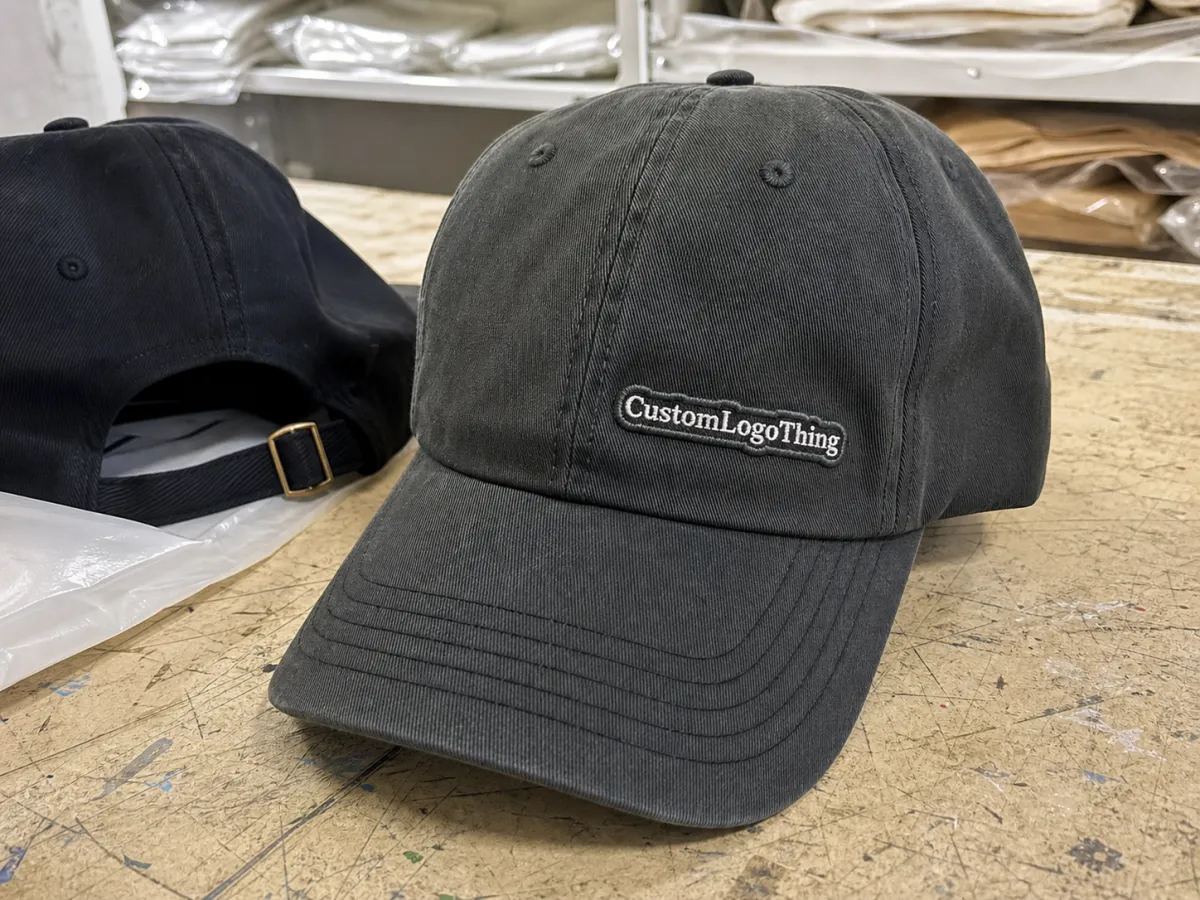
A wine club Embroidered Baseball Caps Unit Cost Review matters because a cap keeps working after the tasting notes are gone and the box has been recycled. One good cap shows up at pickup events, on members driving home from the vineyard, and in casual photos that continue to circulate without any extra media spend. That makes it a packaging decision as much as a merch decision.
The economic comparison is not as obvious as it looks. A folded card or insert is cheaper on day one, but a cap can keep generating impressions for months, sometimes longer. If the goal is retention, staff presentation, or a member gift that feels worth keeping, the real question is not the lowest quote. It is what the landed cost buys in visibility, wear life, and perceived value.
Why a Wine Club Cap Beats Another One-Time Insert
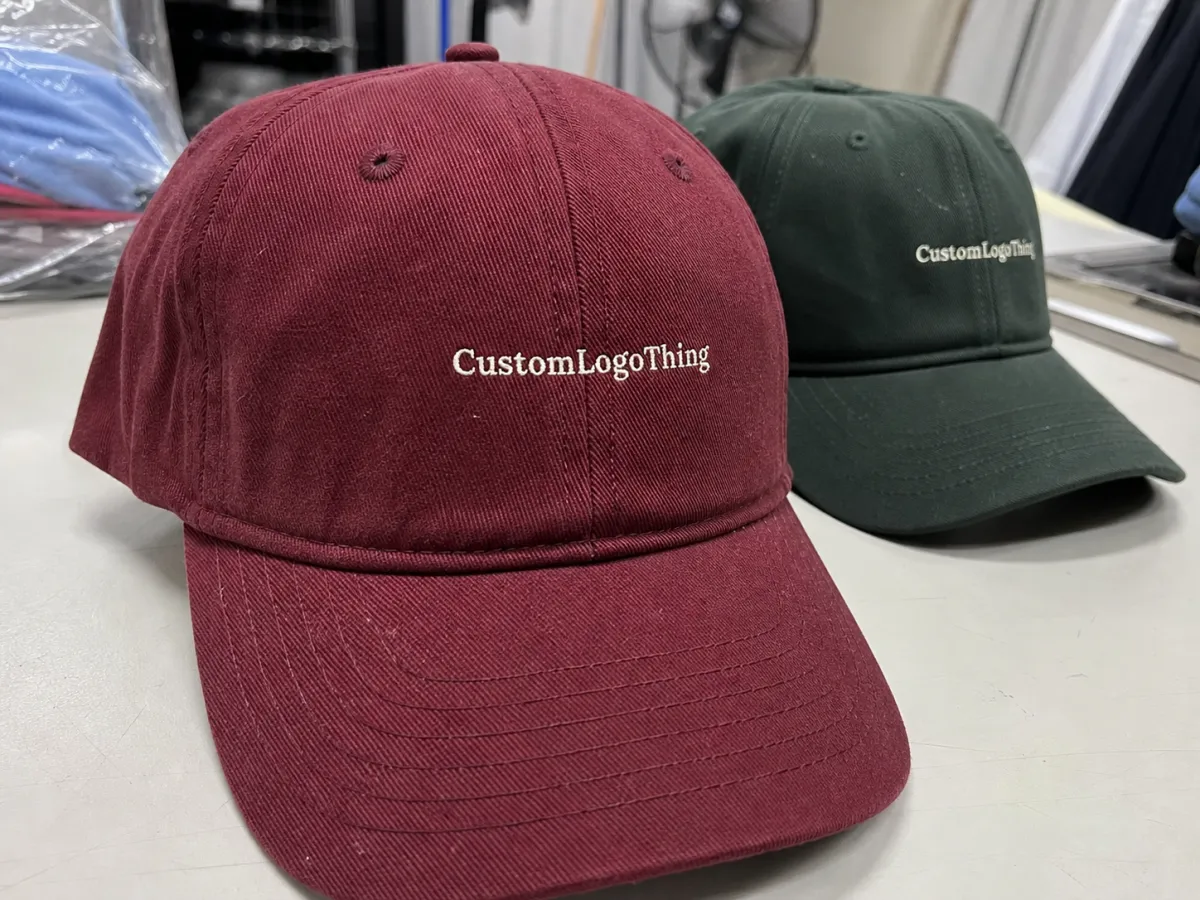
Wine clubs send a lot of small-touch items: tasting notes, postcards, bottle tags, inserts, maybe a sticker when the budget is tight. Those pieces do their job once. A cap behaves differently. It enters a routine, which means the brand keeps getting exposure without another print run.
That matters because a wearable item acts more like a retail SKU than a disposable insert. It has to look good out of the box, hold up through regular use, and still feel acceptable months later. That is a higher standard than paper, and it should be priced that way.
There is also a social layer that buyers sometimes underestimate. Caps show up in tasting-room photos, on staff during events, and in the background of member posts. The exposure is not guaranteed, but it is common enough to influence the economics. That is why cost per impression often tells a more useful story than sticker price alone.
For clubs ordering 100, 300, or 1,000 units, the spread between a flat insert and an embroidered cap narrows faster than many teams expect. Bulk pricing usually improves enough that the decoration reads as a premium gift rather than a loose expense. The key is to compare the right costs: blank, decoration, setup, and freight.
The low quote is rarely the low landed cost. With embroidered caps, the real number includes the blank, digitizing, setup, packaging, and shipping.
That is why a wine club Embroidered Baseball Caps Unit Cost review is worth doing before art approval or launch dates are locked. The wrong assumption early in the process can turn a promising merch idea into an expensive surprise later.
Embroidered Cap Builds That Hold Up in Tasting Rooms
Not every cap wears the same way. A tasting-room cap needs a blank that keeps its shape, takes thread cleanly, and still looks tidy after repeated handling. The big variables are the crown, panel structure, visor shape, and closure. Those details affect both the look and the cost per piece.
Structured 6-panel caps are usually the safest option for a cleaner logo face. They give embroidery a flatter canvas and tend to keep their shape better in merchandising or staff use. Unstructured 5-panel caps feel softer and more relaxed, which suits a club with a casual, outdoor identity. Neither is inherently better. They signal different things.
Profile matters too. Low-profile caps sit closer to the head and often feel more retail-forward. Mid-profile caps give more room for embroidery, which helps when the logo includes text or a secondary mark. If the artwork is wide, a little extra front-panel space can keep the design from looking cramped.
Decoration choice changes both appearance and wear life. Flat embroidery is the most versatile path for winery logos, especially when the art has small type or a detailed icon. 3D puff adds more shelf presence, but it is less forgiving on fine detail and tends to work best for short text or bold initials. Side hits and back-strap branding are useful when the front panel is already busy.
Durability is where low-quality blanks tend to show themselves. The cap should survive regular washing without thread loosening or the front panel collapsing. That means buyers should ask about thread type, stitch density, and blank construction before they get distracted by a low unit price. A cheap cap that loses shape quickly creates a worse brand impression than no cap at all.
If the same cap is being used as a staff uniform and as a member gift, the blank has to do double duty. It should look presentable in a box and still feel comfortable on a long event day. Caps that look acceptable in photos but feel flimsy in use usually cost more in replacements than they save at the start.
Fabric, Fit, and Decoration Specs Buyers Should Lock Down
Before asking for a quote, the buyer should lock the basics. Material, panel count, closure type, sweatband quality, and colorway influence the price more than many teams expect. The same logo can land very different numbers depending on whether the cap is a brushed cotton twill snapback, a garment-washed chino cap, or a recycled poly blend built for a more retail look.
Fit is not a small detail. A club serving a wide audience usually wants an adjustable closure: snapback, strapback, or hook-and-loop. A fitted cap looks sharper, but it adds size complexity and usually narrows the buying pool. For member gifts, adjustable is the safer path unless the club has very specific sizing data.
Embroidery constraints need to be set early as well. Most logos can be adapted for thread, but tiny serif type, thin outlines, and delicate gradients often need simplification. A logo that looks perfect on a screen can become muddy on a curved panel if the stitch count is too low or the smallest text falls below practical embroidery limits.
- Confirm the art file: vector preferred, with text converted to outlines.
- Set the thread colors: primary logo colors plus backup shades if needed.
- Choose the front structure: flat, structured, or relaxed.
- Decide the closure: snapback, strapback, fitted, or hook-and-loop.
- Define the finish: matte, washed, rope, or classic retail look.
For small logos, the rule is simple: the fewer fine details, the cleaner the result. A good supplier will point out when a line is too thin, when a font will clog, or when a secondary mark should move to the side panel. That guidance is part of the value, because every correction made before production reduces risk later.
Buyers should also ask whether the blank includes a comfortable sweatband and whether the inner seams are neat enough for repeated wear. Those details never show up in a quote line by line, yet they are obvious in use.
Wine Club Embroidered Baseball Caps Unit Cost Review: Pricing, MOQ, and Cost Drivers
This is where the numbers start to matter. A wine club embroidered baseball caps unit cost review should split the blank cost from the decoration cost, then add setup charges, digitizing, packaging, and freight. If a supplier gives one blended number without those parts, the buyer loses control over margin and loses the ability to compare options cleanly.
For a simple one-color or two-color logo, the most common cost drivers are easy to rank. Blank cap price comes first, then stitch count, then quantity. Digitizing is usually a one-time fee, often around $25-$90 depending on complexity. Setup charges may be similar, especially if the order uses multiple decoration locations. In custom embroidery, those fees are the closest thing to tooling.
MOQ changes the quote shape fast. At lower quantities, the same decoration setup gets spread across fewer units, so cost per piece rises. At higher quantities, the buyer usually sees better bulk pricing because the setup burden is diluted. For many programs, the jump from 100 to 300 units can reduce the per-cap cost by 15% to 25%, though that depends on stitch count, blank selection, and how many thread changes the art requires.
| Cap Style | Typical MOQ | Typical Cost Per Piece at 100 | Typical Cost Per Piece at 300 | Typical Cost Per Piece at 1,000 | Best Fit |
|---|---|---|---|---|---|
| Unstructured 5-panel cotton twill | 50-100 | $4.80-$7.25 | $4.10-$5.80 | $3.45-$4.80 | Casual club gifts, relaxed brand look |
| Structured 6-panel snapback | 50-144 | $6.50-$9.25 | $5.70-$7.80 | $4.90-$6.50 | Retail-style merch, staff wear |
| Premium rope or recycled retail cap | 100-144 | $8.75-$13.50 | $7.90-$11.20 | $6.70-$9.50 | Premium club drops, higher perceived value |
Those ranges are not promises. They are the kind of pricing bands buyers should expect when the quote includes realistic decoration instead of just a blank hat. The final number can move if the logo is dense, the cap color is custom-dyed, the order needs multiple stitch colors, or the club wants added presentation like tissue wrap or a branded belly band.
The practical move is to request three tiers every time. Ask for a low MOQ version, a mid-volume version, and a better bulk pricing version. That makes the savings curve visible and helps the team decide whether to prioritize quantity, finish, or margin. For clubs selling the cap as merch, that comparison is often the difference between a viable retail line and an item that misses its target.
If the order includes several wine labels or club tiers, ask for pricing by variant. A quote that shows one logo on one cap says very little about the actual spend if the winery plans to split the order across three colors or two member groups. Variant pricing exposes hidden setup costs faster than a long email chain.
Process, Timeline, and Proof Approval
A clean process is usually the difference between a predictable order and a scramble. The typical flow starts with art review, then digitizing, then a proof, then sample approval if the logo is complex or the buyer wants to check stitch behavior in person. After that comes production, packing, and shipment.
Lead time depends on what is already locked. If the logo file is vector-ready, the thread colors are confirmed, and the cap style is already chosen, many orders can move in 12-15 business days after proof approval. Add a sample, multiple decoration locations, or custom labeling, and the schedule stretches. Late approvals are still the most common avoidable delay.
Small art issues also slow things down. Missing font files, low-resolution artwork, or unclear brand colors can add days to the process. A supplier may need to redraw parts of the logo, simplify fine text, or adjust the stitch angle so the mark sits correctly on the panel. None of that is unusual, but all of it takes time.
One practical way to protect the timeline is to choose one internal decision maker. If three people can change the proof, the job often stalls. It sounds basic because it is. A single approval path keeps the order moving without unnecessary back-and-forth.
If the caps are going into retail cartons, gift boxes, or an outer shipper that has to survive transit, ask about packout design and handling resistance. For broader packaging reference, ISTA methods are useful for drops, vibration, and distribution testing. If a paper insert, swing tag, or box component needs certified sourcing, the Forest Stewardship Council standards are the obvious place to start.
That may sound like a lot for a cap order, but the point is control. Buyers who define the approval path early usually spend less time chasing the schedule later.
What a Cap Supplier Should Deliver Before Production
Strong suppliers do more than quote a number. They make the order easier to approve by clarifying what is in scope, what is not, and where the risks sit. That starts with transparent pricing for the blank, decoration, and shipping. It continues with a proof that shows logo size, placement, thread colors, and any simplification required for embroidery.
Quality should be visible and measurable. The embroidery should be centered, the panel alignment should be consistent, and the stitch tension should not distort the fabric. A cap that arrives with puckering or crooked placement creates a very different impression from a cap that looks retail-grade out of the box.
Packaging matters too. A wine club cap is often part of a gift moment, not just a line item. If it arrives folded badly, crushed, or mixed with loose packing material, the presentation drops fast. A supplier that understands presentation will think through tissue, bagging, folding method, and carton fill so the cap reaches the member in the right shape.
Good partners also tell the buyer what not to do. If a logo is too detailed, they should say so. If a puff embroidery choice will blur a small serif font, they should push back. If the MOQ is tied to a specific cap color or decoration location, they should state it up front rather than hide it in the second email. That sort of honesty saves time and protects the brand.
For a buyer comparing vendors, one useful question is simple: who is quoting the blank, who is handling digitizing, and who is owning delivery dates? The best answer is usually one company, one timeline, and one person accountable for the handoff. Anything less increases the odds of a missed launch or a surprise fee.
That is why a strong partner is not just selling hats. They are managing detail, and detail is what keeps the final unit cost from drifting.
Next Steps for a Cleaner Quote and Faster Approval
Buyers can speed up the quote process with a short checklist. Send the logo file, target quantity, preferred cap style, color palette, shipping destination, and required delivery date. If there are multiple club tiers or seasonal drops, list each version separately so the supplier can quote by variant instead of guessing.
It also helps to ask for two or three scenarios instead of one. A lower MOQ option, a standard bulk pricing option, and a premium finish option will usually reveal where the real tradeoffs sit. Maybe the retail-style cap is only a little more expensive. Maybe the lower MOQ path is too costly to resell. Maybe the fastest timeline comes with a higher setup charge than expected. Those answers matter more than a generic yes or no.
Confirm the approval chain before production starts. If thread colors need sign-off from a marketing lead, a wine club manager, or a brand director, document that route early. The worst delays often come from simple uncertainty about who is allowed to say yes.
For wineries comparing options, the useful takeaway is practical: use the wine club Embroidered Baseball Caps unit cost review to compare quote structure, then choose the version that fits margin, schedule, and member experience. If the number is clear and the proof is clean, the order usually moves quickly. If either one is vague, the quote is not ready yet.
What affects wine club embroidered baseball caps unit cost the most?
Stitch count, cap blank quality, and order quantity usually move the price more than anything else. Setup, digitizing, packaging, and freight can change the landed cost even when the decoration price looks stable. Simple logos on standard blanks are usually the lowest-cost path.
What MOQ should I expect for wine club embroidered caps?
MOQ varies by supplier and cap style, but lower quantities generally carry a higher per-unit price. Ask whether the minimum applies per colorway, per logo, or per decoration location. If you need several wine labels or club tiers, request separate pricing by version.
How long does the process usually take for embroidered baseball caps?
Timeline depends on art readiness, proof approval speed, and whether a sample is required. Orders move faster when the logo is vector-ready and thread colors are confirmed early. Rush service may be possible, but it often increases cost and reduces flexibility.
Can you embroider a winery logo with fine text on baseball caps?
Yes, but very small text and thin lines may need cleanup to stay readable on curved panels. Flat embroidery usually handles detail better than puff embroidery for compact logos. A proof should show any simplification before production starts.
What files do I need for an accurate quote on custom wine club caps?
Send a vector logo if possible, plus the target quantity, cap style, and preferred colors. Include shipping location and the date you need the caps in hand so the quote includes realistic timing. If you want multiple options, ask for pricing across two or three unit-cost tiers.