If you are buying headwear for a restaurant, the first number on the quote is rarely the whole story. A cap that looks inexpensive on paper can become a poor buy once you factor in embroidery, freight, packaging, and how long it actually stays presentable on the floor. That is why the restaurant Embroidered Baseball Caps Unit Cost Review matters: it separates sticker price from real value. A hat worn fifty times by a host, server, or patio team member behaves very differently from a giveaway that never leaves a drawer.
There is also a brand issue hiding inside the cost issue. Guests notice uniform details before they notice most operational details. A cap that holds its shape, keeps the logo crisp, and looks consistent across a team reads as part of the restaurant’s identity. A flimsy cap does the opposite. The savings disappear quickly if the uniform looks tired after a few weeks.
The useful comparison is not blank cap versus blank cap. It is unit cost versus wear life, consistency, and presentation. That is where embroidered headwear often beats cheaper promo hats. The upfront spend can be higher, but the cost per wear is frequently lower once you account for durability and repeat use.
Why embroidered caps often beat cheap promo hats
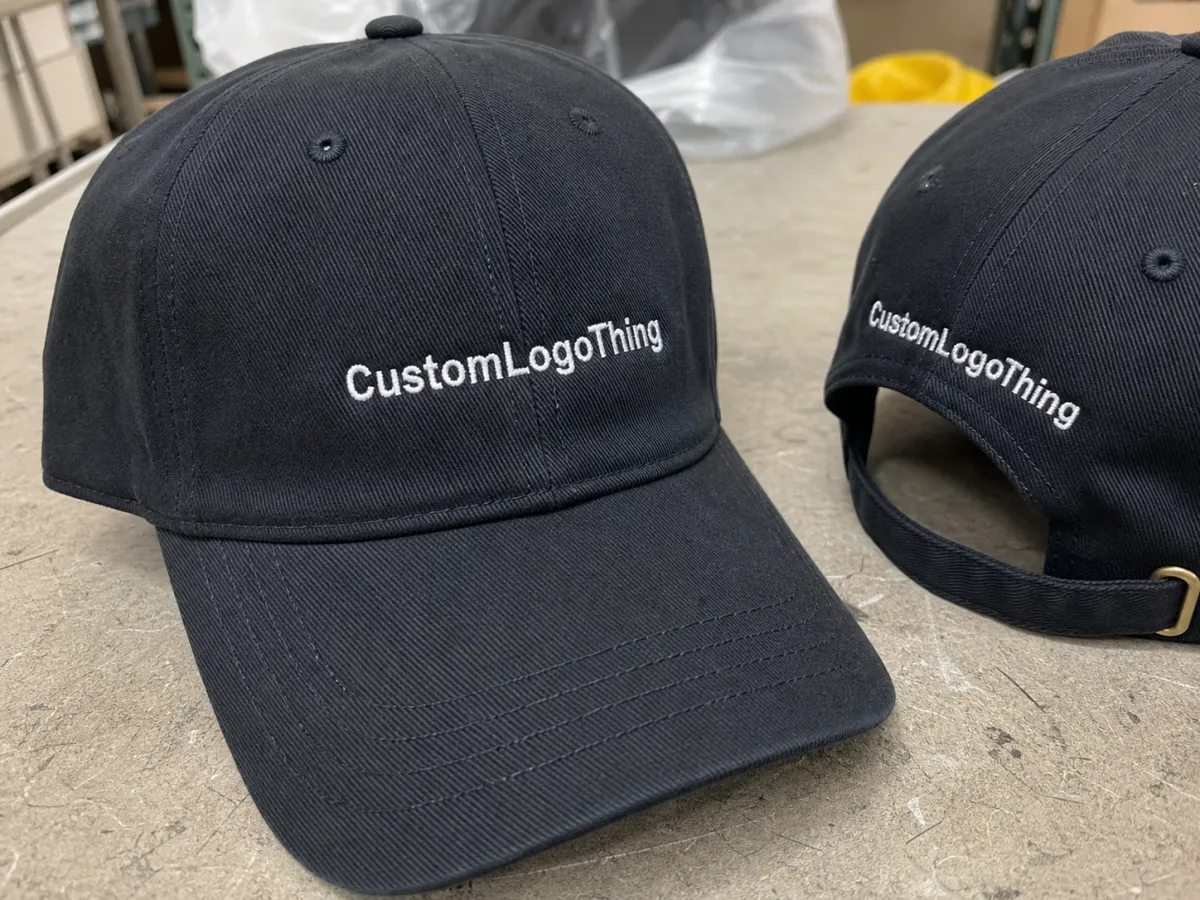
Cheap promo hats win the quote and lose the season. A $3.00 to $4.50 blank cap may look easy to approve, but if the brim warps, the crown sags, or the color fades under kitchen heat and sun, it stops doing its job. That pushes the real unit cost higher than it looked at the start. A better-built embroidered cap in the $6.50 to $12.00 range can stay in rotation long enough to justify the extra spend.
Restaurants usually buy custom caps for three reasons. Staff uniforms need a cap that looks intentional beside aprons, shirts, and name badges. Retail programs need something guests will actually wear outside the restaurant. Event and catering teams need a piece that survives travel, packing, and long shifts without looking beaten up. The same cap can sometimes serve all three roles, but only if the spec is chosen carefully.
There is a simple way to think about the economics:
- Promo cap: low opening price, shorter life, weaker brand signal.
- Uniform cap: mid-range price, dependable wear, steadier presentation.
- Retail-ready cap: higher finish standard, stronger resale potential, better shelf appeal.
A hat is expensive if it sits unused. It is cheap if it stays on heads for months.
Service environments are rougher than they look from the outside. Hosts are in guest view all day. Patio staff deal with sun, sweat, and moisture. Catering crews bounce between vehicles, storage rooms, and event space. In those conditions, the cap is not just decoration. It is a piece of working equipment that has to stay presentable.
Material choice matters here. Cotton twill feels familiar and usually stitches well. Polyester blends dry faster and can handle heat and moisture better, though the surface sometimes shows embroidery slightly differently. Brushed cotton feels softer at the outset, but it can show wear sooner if the order is meant for daily service. Mesh-backed trucker styles breathe better, while solid-front structured caps usually hold logos more cleanly. None of those is automatically right. The best choice depends on how hard the hat will be used and whether it needs to live on staff heads or retail shelves.
A final point on value: a cap that keeps its shape can support retail markup. A cap that looks worn too quickly cannot. That difference is easy to miss when comparing quotes, and it is usually where buyers overspend without realizing it.
Build details that decide how the cap looks on day one and day ninety
The construction choices show up fast. A structured crown gives the front panel more support, which helps embroidery sit flat and clean. An unstructured cap feels softer and more casual, but it can lose definition if the logo is large or the fabric is too light. For restaurants that want a neater look, structure usually wins.
Panel count changes the canvas. Six-panel caps give a familiar baseball shape. Five-panel styles create a wider front surface and can work better for broader marks or cleaner wordmarks. The visor matters too. A curved brim is the safer everyday option for staff. A flatter brim leans more retail or streetwear. Choose the silhouette before you start talking embroidery, because the decoration needs the panel shape to be right.
Closure style affects both fit and inventory control. Snapback works well when the team size changes often. Strapback gives a slightly cleaner appearance. Fitted caps feel premium, but they complicate stocking because size runs become a real issue. For most restaurant orders, adjustable closures reduce headaches.
Embroidery itself changes the cap’s comfort and lifespan. Front-only decoration is still the most practical choice because it keeps the logo visible and the stitch count under control. Side hits can support a small brand mark, an anniversary, or a secondary identity. Back embroidery is subtler and often useful when the cap is worn in guest-facing service, but it adds cost for a detail many guests will never notice.
Logo engineering matters more than buyers expect. Fine lettering below about 4.5 mm can fill in or disappear, especially on textured fabric. Tight curves and tiny counters may need to be simplified so the thread can follow them cleanly. More stitches are not automatically better. Over-dense embroidery can stiffen the front panel and make the cap less comfortable during long shifts.
Thread choice deserves a closer look. Standard rayon thread gives a clean finish and strong color options. Polyester thread tends to handle washing, moisture, and sun exposure better, which is useful for uniforms. If the restaurant brand uses exact pantone expectations, ask how close the thread chart can get before approving the mockup. A navy cap with thread that skews green or teal will look wrong no matter how neat the stitching is.
Practical wear details are worth specifying early. A terry sweatband helps in hot kitchens and summer patios. Embroidered eyelets can improve ventilation, though the finish quality varies by factory and blank body. Buckram backing inside the front panels increases structure; lighter construction feels softer but may not hold a logo as cleanly. Small choices like those often decide whether a cap still looks sharp after ninety days.
Quality control should be visible, not implied. Ask how the supplier checks stitch alignment, color consistency, and panel centering before bulk packing. If the logo sits too high, too low, or off-center by even a small amount, a restaurant run can look uneven very quickly. The proof file is only half the battle. The physical sample tells you whether the embroidery is actually readable on the chosen cap body.
For orders that need retail-grade packaging or shipping across multiple locations, carton planning matters more than most people expect. If you need fold marks, hang tags, barcodes, or store-by-store labeling, the order should be designed around that from the beginning. It is easier to build the packing plan into the quote than to fix it after production starts. For sustainability-minded programs, checking FSC material options and ISTA transit guidance can help reduce damage and unnecessary rework.
Specs to lock before you request samples or mockups
Before anyone quotes the job, lock the cap style. A dad cap, trucker cap, snapback, low-profile structured cap, and curved-brim baseball cap all land in different price bands and behave differently in production. If the team includes multiple roles, a single adjustable style usually creates the least friction. If the hats are meant to feel premium on retail shelves, the blank body and finishing details need more attention.
Artwork is the next gate. Send a vector file if possible: AI, EPS, or PDF with outlined fonts. If the logo exists only as a JPEG or PNG, ask for digitizing first. Good embroidery starts with a good stitch map. The supplier should be able to tell you the minimum text size, whether gradients need to be simplified, and how many thread colors the artwork will really require. Small lettering and thin outlines cause most of the trouble.
Think about who is wearing the cap. Kitchen staff usually need better sweat control and a fit that does not feel tight after a long shift. Front-of-house teams often care more about appearance and consistency. Event crews need a cap that adjusts fast and survives repeated packing. One order can serve all three groups, but only if that variation is acknowledged before production begins.
Packaging and labeling should be written into the quote. If the caps need to ship to multiple stores, ask for carton counts, location labels, and piece counts. If retail is part of the plan, confirm whether the hats will be polybagged, tagged, folded a certain way, or packed for shelf presentation. Those details affect labor and freight. They also change the landed price more than many buyers expect.
A simple pre-quote checklist keeps revisions down:
- Cap style, closure type, and crown structure.
- Logo file, placement, and finished size on the front panel.
- Target quantity and the price tiers you want compared.
- Thread colors and any brand-matching priority.
- Packaging, labeling, and ship-to locations.
That list is basic for a reason. Most quote problems begin when the supplier is assuming the wrong cap, wrong decoration size, or wrong packing method. A complete brief saves more time than a long back-and-forth later.
Restaurant embroidered baseball caps unit cost review: pricing, MOQ, and quotes
The cleanest way to read a restaurant embroidered baseball caps Unit Cost Review is to separate the blank body from the decoration. A $4.00 cap can turn into a $9.00 to $12.00 finished hat once embroidery, digitizing, and freight are included. That is normal. The variables are quantity, stitch count, thread changes, and whether the logo is embroidered directly or applied as a patch.
For most restaurant programs, MOQ is driven by the blank body and packaging more than by embroidery alone. Standard stock caps with simple front decoration often start around 50 to 100 pieces. Special colors, private-label packaging, or unusual panel construction can push the minimum to 250 or more. The lowest advertised price usually belongs to the largest order tier, so buyers should compare breakpoints, not just the headline number.
| Order tier | Direct embroidery cost per piece | Typical MOQ | Best fit |
|---|---|---|---|
| 50-99 pcs | $9.50-$15.50 | 50-100 | Small pilot run, staff test, quick replacement order |
| 100-299 pcs | $7.25-$11.80 | 100-150 | Single-location staff uniform order |
| 300-999 pcs | $5.10-$8.90 | 200-300 | Multi-unit rollout, event inventory, light retail |
| 1,000+ pcs | $4.30-$7.20 | 500-1,000 | National program, retail launch, lower cost per piece |
Those ranges are useful market cues, not guarantees. A dense logo with 6,000 to 8,000 stitches costs less than a large badge with 10,000 to 14,000 stitches, simply because machine time changes. More thread colors add changeovers. A patch may reduce stitch time, but it often adds separate setup costs and changes the final look. That trade-off is worth discussing before anyone approves a sample.
Setup fees are where the quote can become unclear. Digitizing usually runs $20 to $60 and may be waived at higher quantities. Sample units often cost more than production units because the supplier is absorbing setup labor across only one or two pieces. Freight then sits on top, and for smaller orders it can move the landed price more than the decoration itself. If the quote does not separate those pieces, ask for a revised version that does.
Direct embroidery is usually the most straightforward finish. Chenille patches, woven patches, and applique can be better for certain logos, especially when the design includes small text or a more textured brand mark. They are not automatically cheaper. In many cases they are more expensive, but they can produce a cleaner result on a cap with a difficult surface. The right answer depends on artwork, target use, and how closely the cap needs to match the rest of the brand system.
For fair comparison, request three tiers in every quote: a low tier, a middle tier, and a high tier. A supplier that gives you 100, 300, and 1,000-piece pricing is showing where the breakpoints actually sit. That makes it easier to decide whether the test order or the full rollout makes more sense. It also prevents false savings, which often show up only after shipping and setup are added.
One final point: ask whether the quote includes one logo position only. A second decoration location, such as a side mark or back mark, is rarely free. Good quotes say that clearly. Vague ones do not, and the difference usually appears later as an added charge.
Production process and turnaround: proof to freight
A clean production flow usually starts with logo review, then digitizing, then a digital mockup, then final approval. That sequence sounds standard because it is. Still, it matters. If the artwork gets approved before stitch direction, logo scale, and panel placement are checked, the proof can look fine while the finished cap feels off in hand. The best suppliers slow down at the approval stage so the run does not speed into a mistake.
For a standard stock-cap order, production often lands in the 7 to 12 business day range after proof approval. Add transit and the total can still work for a restaurant rollout, especially if the blanks are already in inventory and the artwork is clean. Complex jobs need more time. Special colors, mixed packaging, or high-stitch logos can add several days. Rush production is possible, but only if the cap body, thread, and machine capacity are already aligned.
The common delay points are predictable: artwork revisions, out-of-stock blanks, last-minute quantity changes, and late color-matching decisions. Buyers can avoid most of them by settling the basics early. Is the logo placement fixed? Is the exact cap color non-negotiable? Are all locations receiving the same carton count? If those answers change late, the schedule usually slips.
Shipping handoff deserves more attention than it gets. Ask for the ship window, carton count, and tracking expectations before production begins. If the order is split across locations, confirm whether the supplier can label cartons by store or by role. That matters in a rush. It also matters when the caps are headed to a back room, a retail shelf, or an event kit where one missing carton can break the plan.
If the order supports more than one use, the packing plan should reflect that. Front-of-house teams may need immediate distribution. Retail stock may stay sealed until launch. Event inventory may need a specific count per box. A supplier that notices those differences is usually paying attention to the operational side, not just the decoration side. That is exactly what a restaurant buyer should want.
What a dependable cap supplier should prove before you reorder
The first order is the easy one. The reorder tells you whether the supplier can repeat the same quality without hand-holding. That is why reliability matters more than a small price gap. If embroidery density shifts from run to run, or the cap body drifts in shade, the restaurant loses consistency. On staff, that looks sloppy. In retail, it weakens trust.
A dependable supplier should be able to explain how repeatability is controlled. Fabric sourcing consistency, stitch inspection, logo placement checks, and packed-order verification are the basics. No fancy language required. Just a process. If the answer is “we will handle it later,” that is a signal to slow down.
Reorder stability matters most for restaurants adding locations or refreshing uniforms every quarter. It matters for retail, too, because the cap that sold well once may need to be reproduced with the same thread colors and the same placement six months later. Replacing mismatched caps costs more than the tiny savings that came from a vague vendor the first time.
The right supplier does not only quote the first run. It protects the next three.
Clarity is a test of competence. A strong supplier will tell you if the artwork needs simplification, if the logo is too small for clean stitches, or if a patch will work better than direct embroidery. That kind of honesty saves money because it prevents expensive revisions. It also helps avoid a proof that looks good on screen and fails on the cap.
One more useful signal is how the supplier explains finish versus price. A reliable quote can tell you why a heavier twill costs more, why a better closure may be worth it for retail use, and why a premium blank body holds embroidery better over time. That turns the quote into a decision tool instead of a sales sheet.
Next steps to request a clean quote and avoid revisions
If you want fewer revisions, send the basics first: logo file, cap style, target quantity, preferred colors, delivery deadline, and any packaging requirement. That is enough for a good supplier to quote accurately and enough for you to compare options without guessing. If the order splits between staff issue and resale, say so early. The finishing plan may change.
Ask for three price tiers and one mockup or sample approval step. That is the cleanest way to compare bulk pricing against a smaller test run. It also shows where the real savings appear. Sometimes 100 caps is the smartest first move because you can validate fit and stitching before scaling. Sometimes 300 pieces is the better choice because the unit cost drops sharply and the launch calendar is tight.
Internal sign-off should stay simple. Operations should approve fit and quantity. Marketing should approve logo size and placement. Purchasing should confirm freight, setup charges, and payment terms. If retail is involved, someone should also confirm the packaging standard. That split keeps one team from creating work for another.
For restaurants, embroidered caps are usually not just merchandise. They are visible equipment, brand signage, and sometimes retail inventory. The restaurant embroidered baseball Caps Unit Cost Review works because it forces the right comparison: not blank price, but delivered value, repeatability, and wear life. If the quote is clear, the sample looks right, and the supplier can repeat the result, the cap earns its place quickly.
How do I compare restaurant embroidered baseball cap unit cost across quotes?
Compare the landed price, not just the cap price. Add setup, digitizing, freight, and any packaging charges, then make sure each quote uses the same cap style, stitch count, and quantity tier. Ask for pricing breakpoints so you can see where the cost per piece actually drops.
What is a realistic MOQ for embroidered restaurant baseball caps?
MOQ depends on the blank cap inventory, decoration complexity, and packaging needs. Stock bodies with simple front embroidery can start near 50 to 100 pieces, while special colors or private-label packaging often push minimums higher. Ask whether MOQ changes if you add custom thread colors or retail-ready labeling.
How long does production usually take after proof approval?
Standard orders often move in about 7 to 12 business days after proof approval, then shipping adds transit time. Clean artwork and in-stock blanks keep the schedule tight. Complex embroidery, out-of-stock bodies, or late revisions can add several days, so ask for a written timeline with proofing, production, and transit separated.
Can you match a restaurant logo thread color exactly?
Thread matching is usually close, but the final look depends on the thread chart and the cap fabric color. For brand-critical colors, request a mockup or sample before production. If the logo has gradients or tiny details, ask whether slight simplification is needed for clean embroidery.
Should staff caps and retail caps be ordered in the same run?
Ordering together can reduce setup duplication and keep branding consistent, but the use cases are not identical. Staff caps may need simpler packaging and different fit assumptions, while retail caps may need a cleaner presentation. If you are selling the hats, ask for retail-ready packing before combining the runs.

