If you are sorting out wedding favors, bridal party gear, or a small run of event merch, a wedding Embroidered Baseball Caps material sample guide is the fastest way to avoid expensive guesswork. A cap that looks perfect on a screen can feel too stiff, read too shiny in photos, or sit oddly on a real head once the embroidery is stitched into the crown. That gap between render and reality is where most disappointment starts.
“The proof looked fine on my laptop, but the sample showed me the crown was a little too soft for the lettering we wanted.”
That kind of problem is common because caps are not flat items. They bend, puff, crease, and reflect light differently depending on the fabric and the structure behind the embroidery. A sample turns those variables into something you can inspect instead of something you have to imagine.
What a sample cap reveals before the wedding order begins
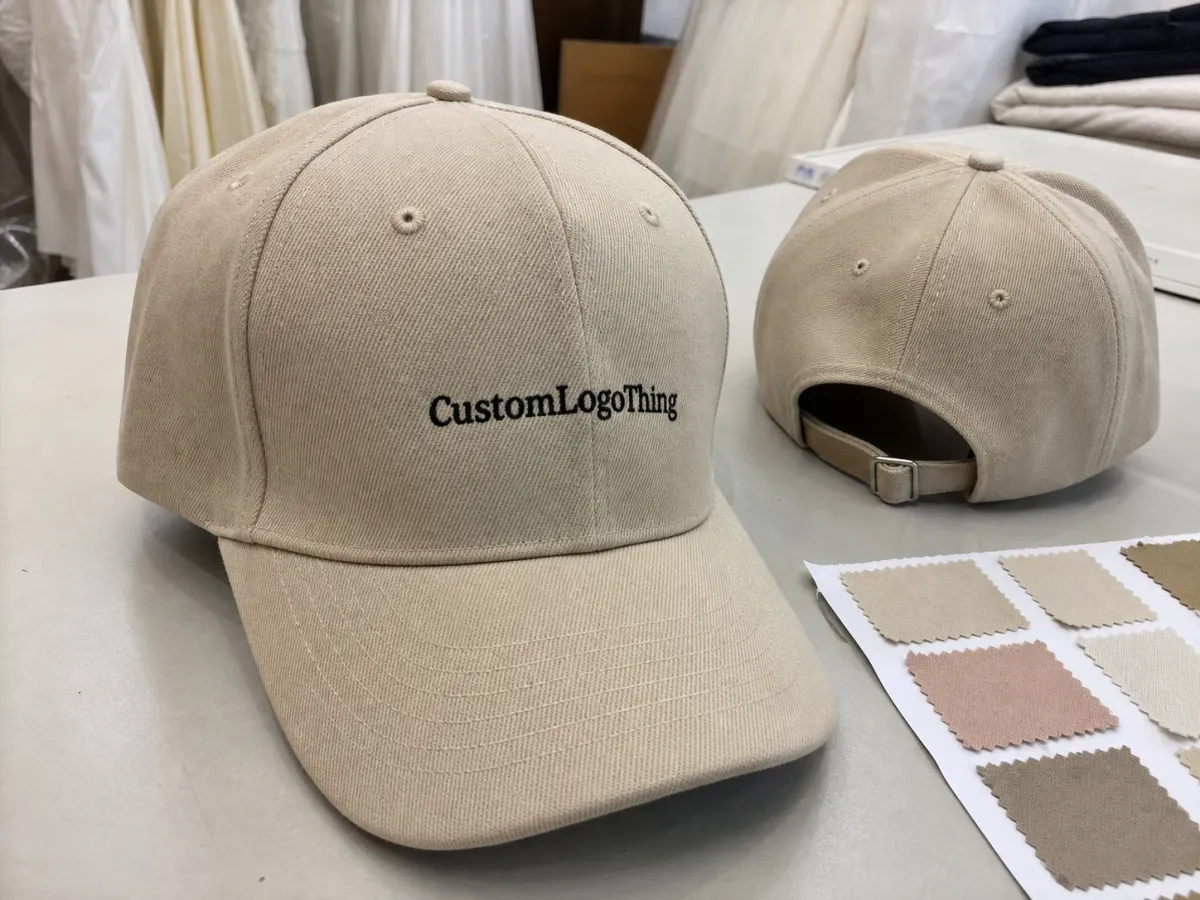
The real value of a physical sample is simple: it catches problems that a flat mockup cannot show. That is why a wedding Embroidered Baseball Caps material sample guide is really a risk-control tool, not just a style checklist. One stitched sample can reveal a logo that is too small, a monogram that rides too high, or a thread color that feels right online but lands wrong under daylight.
On a baseball cap, the surface is curved, not flat. That changes everything. Front panel stiffness, seam placement, and thread tension all affect how letters settle across the crown, especially when the design is a small wedding mark, initials, or a compact emblem. A digital proof can show placement, but it cannot show how the stitch density behaves on the actual fabric. A design that looks balanced in a PDF may suddenly feel cramped once the brim, crown, and seam lines are all in the same frame.
For a wedding, that matters more than many buyers expect. Caps are photographed outdoors, worn for hours, and viewed alongside dresses, suits, flowers, and table styling. A cap with a heavy sheen may look sporty in person but too bright in pictures. A softer matte finish can feel more refined, while a stiffer front panel can hold the embroidery cleaner. Those are details a buyer should judge with real fabric in hand, not just a screen render.
In practical terms, a material sample is a physical preproduction cap or swatch that lets you approve the fabric, structure, thread, and finish before the bulk run starts. It is not only a visual check. It is also a tactile test, and for wedding orders that usually means fewer surprises in the final delivery. You can feel whether the crown holds shape, whether the sweatband irritates the forehead, and whether the embroidery sits neatly enough to survive close-up photos.
There is another advantage that is easy to overlook: a sample exposes whether the decoration process itself suits the cap style. Dense lettering, fine serif details, and small icons all behave differently on a soft front panel than they do on a firm one. A supplier can promise clean embroidery, but the sample is the proof. It shows how the machine has actually interpreted the file on the chosen fabric.
How embroidery, fabric, and cap structure work together
A wedding embroidered baseball caps material sample guide should compare the fabric and the cap body together, because they affect each other. Cotton twill is the classic choice: it has enough body to support embroidery, wears comfortably, and usually gives a clean stitch edge. Cotton-poly blends add a little more durability and can hold color consistency well across a larger run. Brushed cotton feels softer, though it may show more texture under dense stitching. Performance fabrics can be lighter and more breathable, but they sometimes need tighter control over stabilizer and stitch count so the design does not pucker.
Structure matters just as much. A structured crown has a firm front panel that gives embroidery a better base, which is especially useful for a crisp logo or a wedding monogram with fine detail. An unstructured cap feels relaxed and broken-in, but the softer front can shift more under the needle. For a simple wordmark, that may be fine. For compact lettering or a detailed crest, the structured version usually gives a cleaner result. There is no universal winner; the right choice depends on whether the cap should look polished, casual, or quietly premium.
Backing, stabilizer, and stitch density do a lot of hidden work. A heavier thread count or a dense fill stitch may need stronger backing to keep the surface smooth. If the cap fabric is light, the wrong stabilizer can leave the front panel feeling boardy. If the fabric is too soft, the embroidery can sink in and lose edge definition. A good sample makes these tradeoffs visible. A bad one hides them until the full order is already in production.
Do not forget the smaller parts of the cap body. Bill shape changes the profile in photos. Sweatband feel affects comfort during long event days. Closure style changes fit range, especially if the bridal party includes different head sizes. A sample should show all of that, because the cap is not a blank canvas; it is part of the finished look. Even visor curvature can matter. A flatter brim can feel more contemporary, while a more curved bill reads casual and sports-oriented.
It also helps to compare embroidery types, even if you ultimately choose a simple flat stitch. Satin stitch gives a crisp edge for initials and short words. Fill stitch works better for larger shapes, but it uses more thread and can add stiffness. 3D puff embroidery is usually less suited to a wedding cap unless the design is intentionally bold, because it changes the silhouette and can overpower delicate event styling. That sort of mismatch is exactly what a sample is supposed to catch.
Key material factors to compare before you approve anything
Start with fabric weight and hand feel. A cap in the 7 oz to 9 oz range often gives a solid, premium feel without turning stiff, while lighter fabrics can feel casual but may show more distortion around dense embroidery. Texture matters too. A smoother twill usually shows sharper edges, while a brushed surface can soften the look a little. For wedding orders, that balance often decides whether the cap feels polished enough for photos.
Color accuracy deserves its own review. The crown, visor, and thread should feel deliberate together, especially if you are matching blush, ivory, navy, sage, champagne, or black. A tone that seems close in a digital file can look warmer or cooler once it is stitched. Indoor light, daylight, and camera flash all shift perception, so approve color under more than one light source if you can. A sample that passes on a monitor but fails under warm bulbs is not ready.
Comfort is not a side issue. Sweatband softness, crown height, and ventilation eyelets affect whether the cap gets worn for one quick photo or for several hours. A breathable cap with a comfortable inner band is far more likely to stay on heads through a reception, a rehearsal event, or an outdoor brunch. That is especially true if the event runs long and people are moving between heat, shade, and indoor lighting. If the cap pinches at the temples or leaves a rough edge inside, people notice it quickly.
Thread sheen, logo placement, and embroidery size should always be reviewed as a set. A glossy polyester thread can look rich on the right fabric, but it can also jump out too aggressively on a satinier cap surface. A logo that measures 2 inches wide on paper may need to shrink or move slightly higher on the front panel to keep the composition balanced. The best sample is the one that shows those tradeoffs clearly before production starts. If the mark sits too close to the seam, that is a warning. If the lettering feels lost against the crown, that is one too.
Sample packaging deserves scrutiny too. For mailing and shipping expectations, the general guidance from ISTA is a useful reference point, and it can help you think about whether the sample needs extra protection before it reaches your desk. If your event brand cares about lower-impact packing, ask whether the outer mailer can include post-consumer waste content or biodegradable packaging options. Many buyers also prefer FSC certified corrugated cardboard and kraft paper cushioning instead of glossy wrap that feels disposable. Packaging sounds secondary until a crushed brim or flattened crown makes a decent sample look worse than it is.
One more detail can matter more than expected: thread count and color availability. A supplier may have a close match in stock, but not the exact shade shown in the artwork. That can be fine for some wedding palettes and wrong for others. The sample phase is the right place to find out whether the closest match is acceptable or whether a second thread option is worth the delay.
Sampling process and turnaround: what usually happens next
The sample path usually begins with artwork review and digitizing. A good digitizing file is what turns a logo into stitch instructions, and that step often decides how clean the sample will look. After that, the supplier sources a blank cap, confirms color availability, sews out the sample, and sends photos for the first approval. If the buyer wants a physical sample, the cap then ships out for hands-on review before production release.
Timelines depend on how prepared the files are. A simple project with clean vector art and an in-stock cap style may move in a matter of days for digitizing plus another several business days for sew-out and shipping. If the logo needs cleanup, if thread matching is sensitive, or if the preferred blank is out of stock, the schedule stretches. A realistic window for a sample is often one to two weeks, though rush work is possible when the order details are locked early. If a holiday weekend or a wedding travel date is involved, that window can shrink fast.
In a wedding embroidered baseball Caps Material Sample guide, this is the section where buyers usually realize how much speed depends on decisions made up front. If the cap style changes three times, the sample slows down. If the artwork is still being redrawn, the sample slows down. If the turnaround matters because of photography, travel, or a bridal weekend, approve the design language early and keep the revision list short and specific. Small changes are normal. Endless changes are what derail the schedule.
Shipping should be part of the conversation too. I like seeing samples packed in a sturdy corrugated cardboard mailer with simple kraft paper cushioning rather than loose filler that crushes the brim. That is not just a neat detail; it protects the shape you are trying to judge. If the shipment has a longer route, ask about pack-out methods and whether the supplier can use lower-waste materials without risking damage. That is where the sample experience connects to the final order in a very practical way.
The approval step should include both a visual check and a wear test. Put the cap on. Bend the brim. Look at it from the side. Take a photo with the same kind of phone camera your guests will use. The sample only earns approval if it still feels right on a real head. A cap that photographs well but rides awkwardly is not a successful sample. Neither is one that feels soft and comfortable but loses its shape after a few minutes.
Expect a second round only if the first sample reveals a clear problem. Reworking the stitch file, changing the stabilizer, or moving the logo slightly is normal. A corrected sample should not feel like failure; it is the stage where the process becomes more precise. What matters is whether the supplier responds to the findings instead of brushing them aside.
Cost, pricing, MOQ, and quote details that change the budget
Sample pricing usually includes several line items, and it helps to see them separately. A sample fee might cover the cap and sew-out. Digitizing often adds a one-time charge. Shipping is separate. If the timeline is tight, a rush surcharge may also appear. For a wedding order, it is better to ask for an itemized quote than to compare a single lump sum, because that shows what is truly changing the price.
| Option | Typical sample cost | Typical turnaround | Best for |
|---|---|---|---|
| Standard sample | $35-$75 plus shipping | 7-14 business days | Clear artwork, in-stock cap blanks, relaxed deadline |
| Upgraded sample | $60-$110 plus shipping | 8-15 business days | Premium fabric, special thread matching, closer inspection |
| Rush sample | $90-$150 plus shipping | 3-7 business days | Short wedding window, final artwork ready, fast response time |
MOQ affects the final unit price more than many buyers expect. A larger minimum order often drops the per-cap cost because the embroidery setup is spread across more pieces. Smaller wedding runs, especially under 50 units, may carry a higher cost per cap because the shop still has to digitize, thread, and inspect the same design. As a rough working range, a simple embroidered wedding cap might land around $9-$18 per unit at smaller quantities, then move lower as the order grows and the decoration stays the same.
Be careful with hidden variables. Different cap blanks can change the quote by several dollars each. Extra embroidery locations, like a side detail or back mark, add thread time. High stitch counts raise labor. Specialty packaging for each cap can add more. If the buyer wants an upgraded presentation box or tissue wrap, ask whether the supplier can keep it practical instead of overbuilding the packaging. A small increase in material cost can be worth it; an overcomplicated box usually is not.
For a cleaner budget conversation, ask for at least two options: one standard cap and one upgraded version with better fabric or more precise finishing. That gives the couple a useful side-by-side choice. Sometimes the better blank only adds a small amount per cap, and that extra spend is easy to justify once the sample is in hand. Sometimes it does not. The point is to compare real samples, not abstract descriptions.
There is also the question of what the MOQ means for a wedding. A minimum of 50 or 100 pieces can make sense for a broader event order, but it is not always ideal for a small bridal party. If the supplier can sample on the exact cap body and still keep the final quantity flexible, the buyer gets a better read on how the price scales. That is especially helpful if part of the order is for the wedding party and part is for guests or favors.
Common sample mistakes that show up too late
The first mistake is approving only under one light source. Color can shift enough between daylight, warm indoor bulbs, and phone flash to change how the cap reads in wedding photos. A navy cap may look rich outside and nearly black inside. An ivory thread may look elegant in daylight and slightly yellow under warm bulbs. Always test the sample in more than one setting.
The second mistake is checking only the front panel. A buyer needs to inspect the side seams, back closure, sweatband, and interior stitching too. Those details affect comfort, and comfort affects whether the cap gets worn past the first photo. A cap with clean embroidery but scratchy inner tape is still a poor choice for an event day. Loose threads on the inside can also hint at rushed workmanship even if the front looks fine.
Oversized artwork causes plenty of trouble. A design that looks balanced on a flat screen can feel crowded once it is stitched on a curved crown. Dense lettering may bunch together, and tall symbols may hit the seam lines. If the artwork is not breathing on the sample, shrink it or reposition it before production. Tiny text is especially risky because it may read clearly in a file but blur once the stitch path is compressed.
Fit mistakes are easy to miss if you only try one head size. A wedding party usually includes a mix of sizes, hair styles, and comfort preferences. If the cap closes too far in or sits too shallow on one person, that matters. The sample should show whether the closure range is broad enough and whether the crown depth feels secure without pinching. Adjustable back straps can help, but only if the adjustment range is realistic for the group wearing them.
A sample can also expose quality issues that are easy to overlook in product photos. Thread tension that is too tight can pull the fabric into a shallow tunnel. A loose stitch line may not look alarming in a photo, but it can snag easily. A preproduction cap should be checked for symmetry, because slight differences between the left and right panels are easier to spot on a real object than in a front-facing mockup.
A good sample should answer three questions before anyone places the bulk order: does it look right, does it feel right, and will it hold up through a full event day?
That last point saves more orders than any fancy design trick. Most sample problems are not dramatic; they are small, repeatable, and easy to fix once someone takes the time to inspect them closely. The issue is not that the cap is wrong in principle. It is that one minor detail can become a visible flaw once the item is worn, photographed, and handled by a crowd.
What to send next so the sample can move fast
If you want the sample to move without back-and-forth, send clean vector artwork first. That means AI, EPS, PDF, or SVG files with the text outlined and the design sized as close as possible to the intended embroidery area. Include the preferred cap style, fabric color, thread color reference, placement notes, and the approximate quantity. Those five items usually help a supplier quote faster and more accurately.
It also helps to share the event deadline and the reason behind it. A wedding cap for a welcome party, rehearsal dinner, or outdoor brunch may need a different material feel than a casual favor cap. If the cap will be photographed heavily, say so. If the design must match a specific palette, say that too. The more the supplier understands the use case, the better the sample recommendation will be. A supplier can judge whether a soft cotton twill, a brushed finish, or a firmer poly blend makes the most sense only if the end use is clear.
Ask for sample photos from several angles and, if time allows, a physical sample. Photos help with scale and placement. The physical cap answers the comfort and finish questions that photos cannot. Both together give the clearest picture. If you only get one or the other, you are still guessing on at least part of the decision.
For a tighter approval loop, send one person as the decision-maker. Multiple reviewers are useful for taste, but too many voices can delay simple choices like thread shade or cap depth. That is especially true if the order is small and the timeline is short. Clear authority reduces friction.
Use this wedding embroidered baseball caps material sample guide as a working checklist: confirm the fabric, inspect the stitch quality, compare the color under real light, review the fit, and lock the timeline only after the sample passes both the visual test and the wear test. If the sample does its job, the bulk order becomes a lot less stressful.
That is the practical heart of the wedding embroidered baseball caps material sample guide: make the sample prove the material, the embroidery, and the fit before you spend on the full run. Do that, and the final caps are much more likely to match the event you imagined. It is a small step, but it protects the part of the order that people will actually wear, photograph, and remember.
What should I check first in wedding embroidered baseball caps material samples?
Start with fabric feel, crown structure, and whether the embroidery sits flat on the front panel without pulling or puckering. Then check color accuracy in daylight and indoor light so the cap still matches the wedding palette in photos. Finish with comfort details such as sweatband softness, closure range, and how the cap fits different head sizes. If the cap feels wrong before anyone wears it for ten minutes, it will probably feel wrong for the rest of the event.
How long do wedding embroidered baseball caps material samples usually take?
The timeline usually includes artwork cleanup, digitizing, sample sewing, review, and shipping, so the total depends on how ready the files are. Simple projects move faster when the cap blank is in stock and no artwork edits are needed, while revisions add extra time. Rush requests are possible, but they work best when the design is finalized early and the approval contact responds quickly. A realistic planning window is often one to two weeks, with some variation for shipping distance and factory workload.
Which fabric is easiest to embroider on wedding baseball caps?
Structured cotton twill and cotton-poly blends are common choices because they hold stitches well and keep lettering readable. Very soft or thin fabrics can show more distortion, so they may need extra stabilizer or a simpler design. The best fabric also depends on the logo size, stitch density, and whether the couple wants a polished or relaxed finish. For highly detailed embroidery, a firmer front panel usually gives the safest result.
What costs are usually included in a sample quote?
Most quotes include the sample itself, digitizing or setup, and shipping, with rush charges added if the schedule is tight. Some suppliers may also list separate costs for special thread colors, extra embroidery locations, or upgraded cap blanks. Ask for an itemized quote so you can compare sample pricing against the final bulk order with no surprises. If packaging is upgraded, confirm whether it is part of the sample charge or billed separately.
Can I request changes after I receive the sample?
Yes, and that is often the point of the sample: it lets you refine thread color, logo scale, placement, or cap style before the full run. Keep revisions focused on the details that matter most for fit, appearance, and comfort so the turnaround stays manageable. If the sample is close but not perfect, ask for a corrected proof or a second sample before approving production. Small changes are normal; what matters is whether the final version fixes the actual issue, not whether it looks different for the sake of it.
For a clean wedding order, treat the sample as the final checkpoint, not a formality. The best results come from a careful review of materials, embroidery, fit, and packaging before bulk production starts, and that is exactly what a solid wedding embroidered baseball caps material sample guide should help you do.


