Order Subscription Printed Poly Mailers: Proof Checklist is the kind of phrase that saves money by slowing people down for five minutes. Before a design becomes inventory, freight, and a real production commitment, the proof needs to confirm that the artwork fits the actual mailer structure. A clean proof usually means a clean run; a rushed one often turns into a more expensive correction.
That matters most for subscription packaging because the same artwork repeats. One missed return address, one outdated dieline, or one barcode too close to the fold can carry through every reorder until someone catches it. The goal of proofing is not to admire the layout. It is to catch the production details that affect cost, lead time, inspection, and reprints.
Why digital proofs catch the expensive mistakes
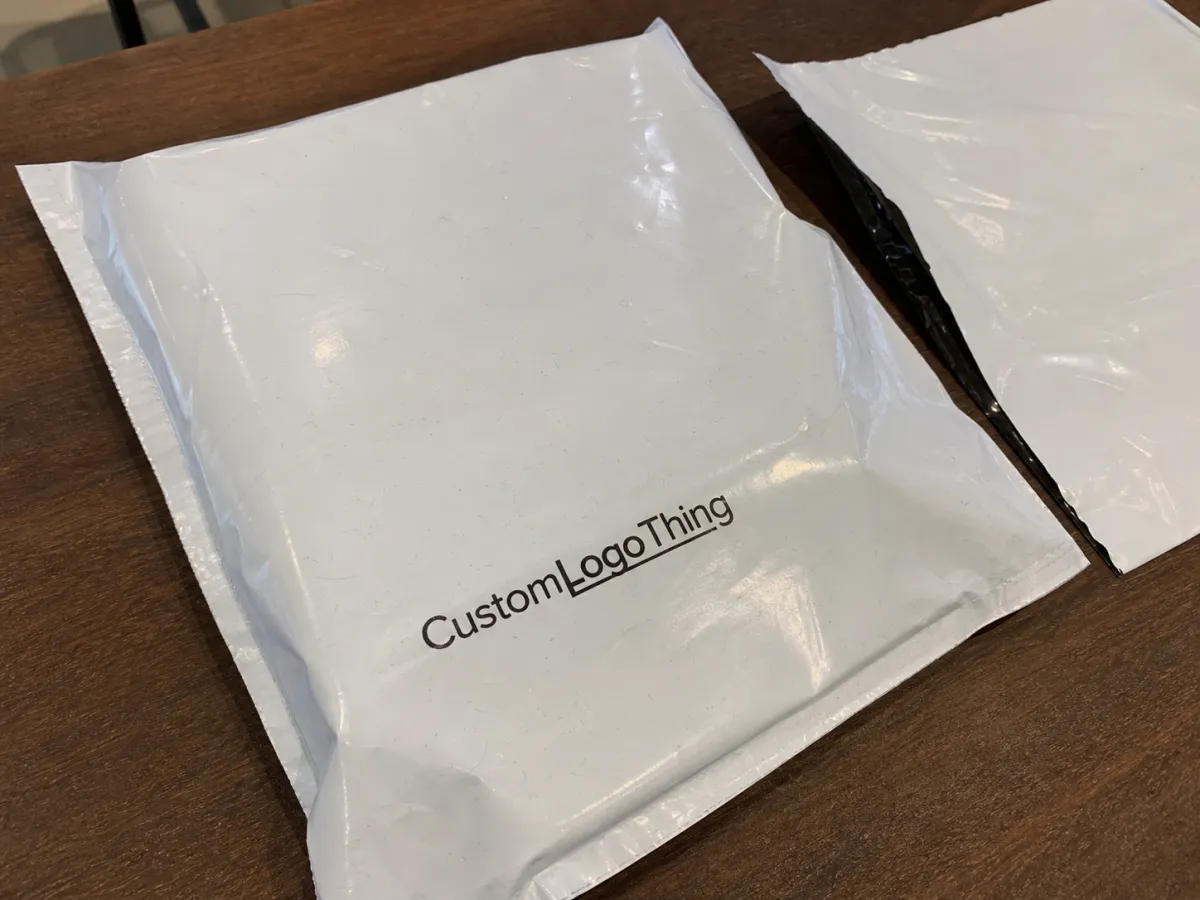
A mockup can make almost any layout look balanced. That is why a digital proof is more useful than a render: it shows how the art sits on the real panel, with seams, folds, and seal areas in view. For a one-off mailer, a small mistake is annoying. For a recurring subscription run, the same mistake can repeat month after month.
The proof review should focus on the items that actually change production:
- Exact width, length, and flap placement
- Panel boundaries and seam locations
- Logo position, safe area, and bleed
- Barcode, return address, and shipping copy placement
- Material notes that affect contrast or readability
The business case is simple. It is cheaper to adjust a PDF than to reprint a pallet. It is also cheaper to fix the artwork before the schedule is booked, freight is arranged, and fulfillment is waiting on packaging. That is why the checklist should be treated as a production control step, not a formality.
For general packaging terminology and structure, packaging.org is a solid reference. For recycled-content and forest-certification language, fsc.org is a cleaner source than a sales sheet with vague claims.
How the digital proof workflow actually works with a subscription printed poly mailers digital proof checklist
The workflow is usually straightforward: upload the file, prepress checks the dieline, a digital proof is generated, the buyer reviews it, and production starts after approval. The proof should make the following clear at a glance:
- Overall dimensions and panel layout
- Safe zones, bleed, and trim or seal areas
- Artwork position relative to seams and folds
- Color notes, number of print stations, and material limits
- Text accuracy, especially addresses, URLs, and legal copy
A good proof shows where the art lands on the actual mailer, not just how the design looks as a floating file. That distinction matters because a screen preview cannot fully account for the way a specific film surface accepts ink or how a seam interrupts artwork.
In subscription packaging, approval often passes through brand, operations, fulfillment, and sometimes finance. If ops sees a shipping detail problem and brand sees a color issue, both need to agree before signoff. Half-approved packaging is how mistakes survive.
It also helps to keep related components aligned. Insert cards, labels, and outer cartons often move on the same schedule, and a proof change in one component can affect another. The broader range of Custom Packaging Products helps teams line those pieces up before the job is released. If you need to confirm whether a specific spec fits the fulfillment flow, the Manufacturing Capabilities page is the place to check print options, materials, and custom specs before the proof becomes guesswork.
One question saves a lot of time: is the proof based on the final dieline revision? A clean proof on an outdated template is still the wrong proof.
Artwork, sizing, and material factors that change the proof
Subscription mailers are not truly one-size-fits-all. Width, length, flap depth, gusset style, and seal area all change usable print space. A mailer for a slim apparel kit behaves differently from one carrying beauty boxes, snack bundles, or heavier multi-item shipments.
The artwork drives review depth as much as the structure does. A one-color logo is usually simple. Full-coverage art, gradients, fine type, and registration-sensitive designs deserve closer checking because small shifts show quickly. If the design includes a QR code, barcode, or legal line, verify minimum size and contrast before approval. Readability usually beats style.
Material choice also changes what the proof should tell you. Common printed mailers use about 2.5 mil to 3 mil LDPE or a co-extruded film, depending on the application. Thicker film often feels sturdier and resists punctures better, but it can change how the print sits on the surface and how colors read. Matte and gloss finishes alter contrast, and recycled-content films can create slight surface variation.
For repeat subscription orders, consistency is the quiet challenge. A seasonal version can keep the same panel size and still feel wrong if a color block shifts or a message gets heavier than the layout can support. If the approved base layout is not archived, teams end up repeating the same proof discussion on every reorder.
Before approving, strong buyers usually check three things:
- The logo stays inside the safe area on every panel.
- The copy reads clearly at production size, not just zoomed in on a monitor.
- The chosen material supports the visual result the brand wants, especially for dark inks and low-contrast colors.
If durability is part of the buying decision, ask what test method backs the claim. Film specs often reference standards such as ASTM D882 for tensile properties or ASTM D1709 for impact resistance. If a supplier can only say "it feels strong," that is not a spec.
Cost, pricing, and MOQ: what moves the quote
Pricing for Printed Poly Mailers usually comes down to quantity, print color count, total ink coverage, film thickness, custom sizing, and whether the order needs special handling. The quote can also rise if the proof needs revisions, if the job ships to multiple warehouses, or if the production schedule is compressed.
MOQ matters because subscription brands live between forecasted demand and actual demand. Order too few and stock runs short. Order too many and the business sits on packaging that may need a new message before it is gone. Unit cost often drops sharply once a higher volume tier is reached, so the lowest starting price is not always the best choice.
| Typical order tier | Common spec | Approx. unit price | What usually changes |
|---|---|---|---|
| 1,000-2,499 units | 1-2 color print, standard size | $0.32-$0.55 | Higher setup share, limited price break |
| 2,500-4,999 units | 2-color print, standard film | $0.22-$0.38 | Better unit cost, still sensitive to coverage |
| 5,000-9,999 units | 2-3 color print, moderate coverage | $0.16-$0.28 | Most buyers start seeing real efficiency |
| 10,000+ units | Standard or custom spec | $0.11-$0.22 | Lowest unit cost, but more cash tied up |
Those ranges move with artwork and freight, so treat them as buying benchmarks rather than promises. Heavy ink coverage, custom sizing, or special finishes can push pricing up quickly. A plain logo on a standard stock size can pull it down. Compare quotes by separating setup charges, per-unit pricing, and shipping.
Ask for a clean breakdown if the quote feels fuzzy. Setup, proof revisions, tooling or plate charges, unit price, and freight should each be visible. If one supplier is cheaper on units but hides freight or charges for every revision, the deal can disappear before production starts. Reorder frequency also matters: a lower unit price on a giant batch can be a worse decision than a slightly higher price on a tighter quantity if the artwork changes often.
Process and lead time: from upload to approved production
Most approval timelines follow the same sequence: file intake, prepress review, digital proof delivery, revision round if needed, final approval, and production release. After that, the manufacturing clock starts. Urgency helps only if the file is ready.
Simple artwork can move quickly when the dieline is current and the brand team replies the same day. Complex layouts, missing logos, embedded fonts, or unclear color references can add days. Multiple decision-makers add more time. The delay is usually not the printer being slow; it is the file set being incomplete or the approval chain being too wide.
Typical production lead time after final approval is often around 12-18 business days for standard custom mailers, though custom sizes, high coverage, and seasonal backlogs can stretch that. Freight sits on top of production. If the mailers need to arrive before a launch window, the schedule should be built backward from the warehouse receiving date, not from the quote date.
Proof turnaround matters too. If files are clean, a proof can come back in one to three business days. If artwork needs corrections, if the dieline is old, or if copy has to be checked line by line, the approval cycle can stretch to three to five days or longer. That is not wasted time; it is the cost of getting it right before a full run is booked.
For packaging teams, a versioned approval log is one of the smartest habits in the file cabinet. Save the proof PDF, the approval date, the contact who signed off, and the final purchase order number. Six months later, that record is what tells you which proof version was actually authorized.
Subscription brands also need backup approvers. Someone will be on PTO. Someone will switch roles. Someone will swear they replied and not find the email chain. Keep one person who can step in without reopening the whole file from scratch.
Common proofing mistakes that slow down subscriptions
The most avoidable error is approving artwork without checking the exact panel map. That is how logos end up too low, too small, upside down, or clipped by the seal area. People stare at the design instead of the structure, and the mailer pays for it later.
Color is the second trap. Screen color is not print color. If brand consistency matters, compare the proof against the brand guide, not against a laptop set to whatever brightness happened to be comfortable at night. Dark greens, rich blacks, and subtle neutrals deserve extra attention because they shift more noticeably on film.
Subscription-specific mistakes tend to be operational rather than visual:
- Using an old return address after a warehouse move
- Leaving seasonal copy on a recurring reorder
- Forgetting a barcode, order code, or fulfillment note
- Approving a proof before the current offer is locked
- Skipping a final read by operations and brand together
Rushed approval culture is expensive. A fast yes can feel efficient, but it often creates a slower and more expensive reprint if the wrong artwork reaches production. The better approach is one clean checklist and one final pass by the right people.
Another common miss is treating recycled-content or specialty films like a cosmetic choice only. They can be the right option, but they may also change print behavior, gloss, opacity, or hand feel. If the packaging needs to look premium under retail lighting, or if the art depends on deep black blocks, the material decision should happen before approval.
For practical buyers, the question is simple: does the proof match the current business? If the answer is no, even for a small detail, fix it before approval. A tiny correction on a PDF is cheap. A reprinted pallet is not.
Final approval checklist and next steps for the next run
Use the Subscription Printed Poly Mailers Digital Proof Checklist one last time before signoff. Confirm the panel map, artwork placement, copy, barcodes, return address, dimensions, and material notes. Then archive the approved file with the purchase order and the date. The next reorder should not start from memory.
Before the job is released, verify the ship-to address, warehouse contact, and target delivery window. If the mailers are tied to a subscription cycle, set the reorder trigger now, not after stock gets low. That way the next run starts from a known file version instead of a scramble through old email threads.
A good approval process is not complicated. It is just disciplined. Compare the proof to the dieline. Confirm MOQ and lead time. Make sure ops and brand both agree. If anything feels off, hold the approval for one more round.
For the next purchase cycle, keep the final spec sheet alongside your Custom Poly Mailers notes and the approved artwork package. The goal is to make the next order faster, cleaner, and less dependent on memory.
What should a subscription printed poly mailers digital proof checklist include?
At minimum: panel dimensions, bleed, safe area, flap placement, seam locations, logo placement, copy, barcode or return-address details, and the file version that was approved. If the job repeats every month, keep the approval owner and any notes that affect the next reorder.
How accurate is a digital proof for printed poly mailers?
It is accurate for layout, sizing, and artwork placement when the dieline is correct. It is not a perfect color guarantee, because screens and printed film do not behave the same way. Treat it as a production approval tool, not a decorative preview.
What changes usually affect MOQ or unit cost on subscription mailers?
Quantity, print color count, and total ink coverage usually move the price the most. Custom sizing, rush timing, revisions, and special finishing can raise the quote quickly. Once you cross a higher volume tier, unit cost often drops enough to change the buying decision.
How long does approval and production usually take for printed poly mailers?
Simple proofs can move in one to three business days, while revision-heavy jobs take longer. Production lead time starts after final approval, not when the first proof arrives. Build extra time if multiple teams need to sign off or if shipping dates are fixed.
What is the biggest proofing mistake subscription brands make?
They approve a file that fits the screen, not the actual mailer panel. Then they miss repeat-order details like return addresses, seasonal copy, or warehouse changes. A final checklist catches those before they become reprints.

