Order Supplement Embroidered Beanies Material Sample Guide
If you're using a supplement embroidered Beanies Material Sample guide to avoid a bad bulk order, that is the right instinct. A sample is not there to flatter the logo; it is there to show the knit, the hand feel, the stretch, and the small problems a mockup never reveals.
A beanie can look expensive on screen and still feel scratchy, sag after a week, or pull the embroidery out of shape the first time somebody wears it in cold weather. A sample is a decision tool, not a promise.
What the Supplement Embroidered Beanies Material Sample Guide Really Shows
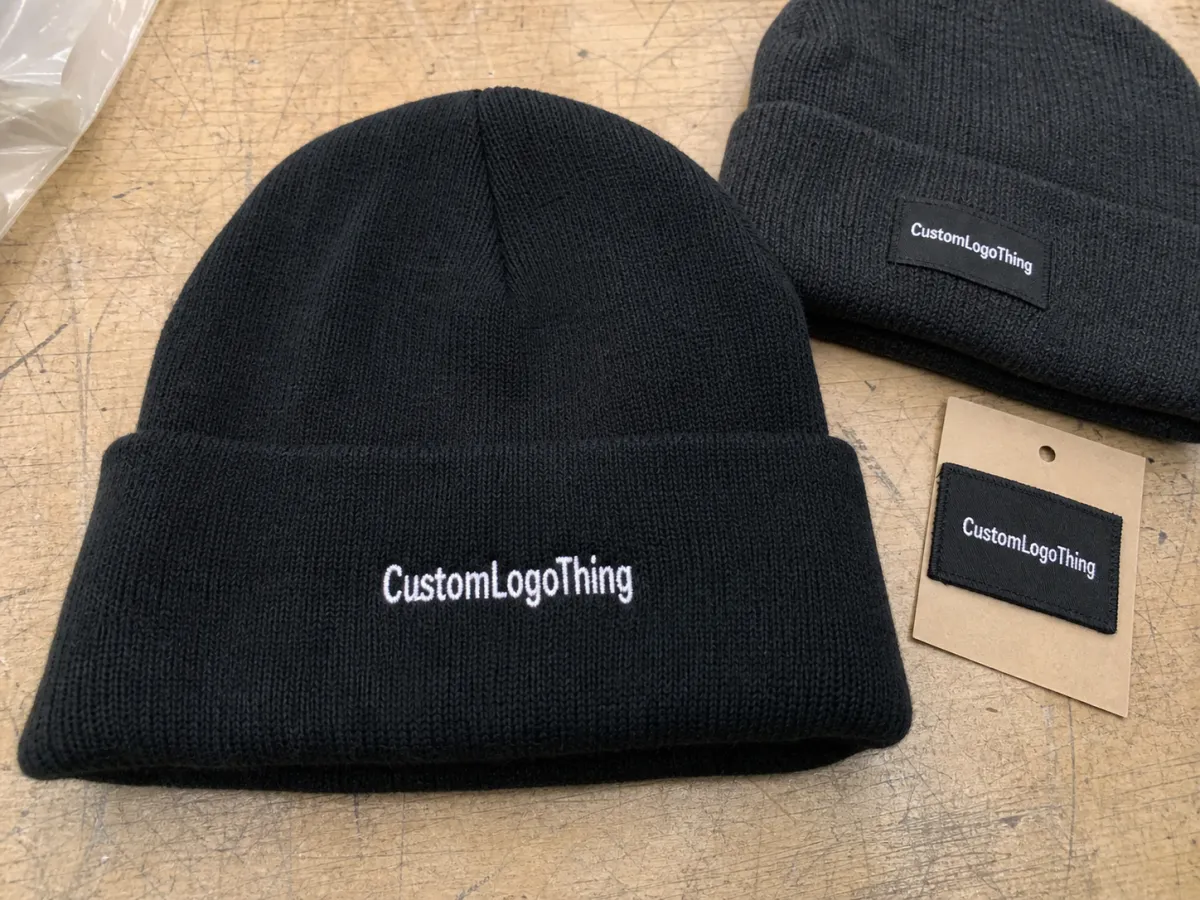
The supplement embroidered Beanies Material Sample guide is less about the logo art and more about the fabric behaving like fabric. You want to know whether the knit rebounds after a stretch, whether the crown holds its shape, and whether the cuff sits flat instead of curling or twisting. Those details separate a beanie people keep from one they toss in a drawer.
Digital mockups are useful for placement and color intent. They are not useful for touch, drape, or how embroidery bites into yarn. On a screen, every beanie looks polite. In hand, the difference between a dense 9-gauge knit and a looser, softer knit can be obvious in seconds.
Buyers usually get burned the same way: they approve a proof, place the order, then discover the actual hat pills quickly, feels thin, or distorts the logo once the fabric relaxes. That is a product-risk problem, not a design problem. A sample tells you whether the build can survive real wear.
A sample that feels fine for thirty seconds can still fail after three wears. That is the point of asking for one.
In practice, the sample should answer questions like these:
- Does the knit feel tight enough to hold embroidery cleanly?
- Does the beanie recover after a pull, or does it stay stretched out?
- Does the cuff lie flat, or does it fight the logo placement?
- Does the yarn feel warm and wearable beyond a photo shoot?
That is why the sample guide matters before you talk volume. It reduces surprises, and surprises are expensive when they show up after production starts.
How the Sampling Process Works From File to Physical Beanie
The path from file to sample is straightforward only if the buyer sends real production information instead of vague direction like “make it premium.” Helpful files include a vector logo, desired logo width, brand color references, cuff height, and any notes on yarn feel or blend preference. If those details are missing, the sample becomes guesswork with a shipping label.
Most suppliers move through a similar sequence. First comes artwork check. Then material selection. Then a knit or embroidery setup. After that, a physical sample is built and reviewed. If the first round misses the mark, a revision sample may follow with adjusted placement, stitch density, or yarn shade.
Some suppliers send a photo first so the buyer can catch obvious issues before the physical item is packed. That helps, but it is not the same as touching the hat. A picture can hide tension issues, seam bulk, and cuff behavior. The physical sample exists for those problems.
- Artwork check: confirms logo size, stitch direction, and whether thin details need simplification.
- Material selection: locks the yarn blend, gauge, and any lining or rib structure.
- Test build: confirms how the embroidery sits on the knit surface.
- Revision round: adjusts placement, density, or finish before approval.
If your sample will be used as a presentation piece, ask about the outer pack-out too. A corrugated cardboard mailer with kraft paper wrap feels different from a loose polybag in a box, and that difference matters if the final order supports retail or gifting. For general packaging references, FSC is a useful standard to check, and ISTA is worth a look if shipment damage testing matters.
Material Choices That Change Feel, Warmth, and Stitch Quality
Material is where people either save money or regret the shortcut. Acrylic is usually the budget-friendly choice and can feel soft when the knit is dense. Wool blends bring better warmth and a more natural hand feel, but they can raise the price and introduce itch risk if the blend is not balanced well. Polyester mixes sit somewhere in the middle, often with decent shape retention and less pilling than some low-grade acrylics.
The blend is only part of the story. Knit density and gauge matter just as much. A tighter knit, often around 9-gauge or 12-gauge depending on the construction, tends to hold embroidery cleaner than a loose knit that lets stitches wobble across the surface. If the yarn shifts too much under the needle, the logo can look fuzzy even when the file is perfect.
Cuff construction changes the feel more than buyers expect. A deep cuff adds structure and gives embroidery a steadier platform. A thinner cuff can look lighter and more casual, but it may also feel flimsy if the rib tension is weak. Lining matters too. Fleece or jersey lining improves comfort and warmth, though it adds cost and can change how the beanie sits on the head.
Color behavior matters as well. Solid yarn usually gives the cleanest read for a logo. Melange yarn can look richer, but it can also make small embroidery details less crisp. Dark yarns hide small specks and wear marks better, while light yarns show lint and shipping scuffs sooner.
Here is a simple way to think about the tradeoffs:
- Acrylic: lower cost, softer hand when well knit, higher pilling risk if quality is weak.
- Wool blend: warmer, more premium feel, higher price, watch for itch and shrink behavior.
- Polyester blend: better shape retention, often consistent in color, can feel less natural.
The supplement embroidered Beanies Material Sample guide helps you compare those options under the same lighting and the same touch test. Two yarns can look close online and behave very differently in hand. One may recover better after stretching; the other may look good in photos and then go limp after a week of wear.
For embroidery clarity, a front logo with roughly 6,000 to 10,000 stitches is common for a clean medium-sized mark, but the right count depends on knit density and design size. Push the detail too far on a loose fabric and you pay for lines nobody can read.
What Beanie Samples Cost and Why Unit Price Moves Around
Sample pricing is not the same thing as bulk pricing, and it should not be treated that way. A sample fee covers setup, testing, and a one-off build. You are paying for someone to make your design real once, which is usually more expensive per piece than a production run.
For a basic embroidered beanie sample, a realistic range is often $35 to $90. Add specialty yarns, lining, patch work, custom labels, or revision rounds, and the sample can move into the $90 to $160 range fast. Rush sampling can add another 20% to 50%, especially if the factory has to interrupt a normal queue.
| Sample option | Typical fee | Common timeline | Best for |
|---|---|---|---|
| Basic knit-only sample | $35-$60 | 5-8 business days | Checking yarn feel, size, and general structure |
| Embroidered logo sample | $60-$120 | 7-12 business days | Reviewing stitch quality, placement, and logo clarity |
| Revision sample | $45-$90 | 5-10 business days | Fixing placement, color match, or density issues |
| Rush sample | +20% to +50% | 2-5 business days | Deadlines that do not care about your calendar |
Bulk unit pricing moves for the usual reasons: stitch count, embroidery size, fabric blend, trim complexity, low MOQ, and whether the order needs private labeling. A simple beanie in volume might land around $2.80 to $4.50 per unit, while a heavier knit, lined build, or more complex decoration can climb into the $5.50 to $8.50 range or higher depending on quantity.
Ask whether the sample fee is credited back if you approve the production order. Some suppliers credit it if the artwork and spec stay unchanged. Others keep the fee because the sample work is separate from the final run. Both setups exist. The only bad version is the one nobody explained.
A slightly pricier sample is usually cheaper than fixing 1,000 bad hats. That is why the guide should be treated like insurance with a physical proof attached.
Timeline, Lead Time, and Production Steps That Affect Delivery
Lead time gets messy when people pretend it is one number. It is not. The schedule usually breaks into artwork prep, yarn and trim sourcing, sample construction, revision, bulk production, packing, and shipping. If one step slips, the whole order slips.
A standard sample often takes 7 to 12 business days after file approval, though a cleaner spec sheet can shorten that. Bulk production commonly runs 12 to 20 business days for simpler orders, and more if the factory has to source a special yarn or wait on label approval. Add freight on top of that. International shipping can be the quiet part of the timeline that ruins a launch.
Common delay points are boring but predictable:
- Missing vector files or raster logos that need cleanup.
- Late color approvals, especially for custom-dyed yarn.
- Material shortages on fleece lining, patches, or specialty labels.
- Holiday queues and peak season factory congestion.
- Freight delays, customs checks, or missed pickup windows.
Private labeling adds steps. So do hangtags, sewn-in care labels, and retail-ready folding. If you want the sample to reflect the final package, say so early. It is much easier to approve a beanie with the correct label placement before production than to argue about it after thousands of units are already underway.
From a packaging buyer's point of view, sample shipping matters too. A sample protected in corrugated cardboard with kraft paper padding may arrive in better shape than one tossed into a loose mailer, and that can affect how you judge the product. If your brand uses recycled materials or wants FSC certified paper components, ask for that language in the sample pack-out.
Build buffer into the calendar. A rush sample is fine if the launch date is real, but rushing the wrong file is a good way to pay extra for a mistake.
Common Sample Review Mistakes That Create Expensive Surprises
The most common mistake is approving from a phone photo under bad light. Texture gets flattened, color shifts, and the logo can look cleaner or messier than it really is. If the sample only exists as an image in a group chat, you are not really reviewing the product.
Another miss is looking only at the front embroidery and ignoring the rest of the hat. Side seams, inside finishing, cuff shape, and stretch recovery matter just as much. A clean logo on a bad crown is not a win.
Wear testing is also skipped too often. People try the beanie on for five seconds, say “looks good,” and move on. Then the real issues show up later: itching, sagging, seam pressure, or embroidery backing showing through after a few minutes of wear. That is why a sample needs to be worn, tugged, and folded, not just admired.
Here are the checks I would never skip:
- Inspect the sample in daylight and indoor light.
- Measure the logo against the spec sheet, not your memory.
- Pull the knit gently and see how it rebounds.
- Check the inside finish for scratch points and loose threads.
- Confirm the cuff length, label placement, and fold style.
The last trap is approving something that is not truly production-spec equivalent. A hand-built sample made with different yarn, different trim, or a different embroidery setup can give false confidence. If the factory is showing you a representative sample instead of the exact intended build, ask what is different. Vague approval language creates messy disputes later.
What to Check Before You Approve the Final Beanie Order
Final approval should be simple: compare the sample to the spec sheet and confirm they actually match. Before you greenlight bulk production, check fabric hand feel, fit, logo size, color match, label placement, packaging, and carton count. If any of those are off, fix them now.
Keep one approved physical sample as the production reference. Not a photo. Not a screenshot. The actual hat. That sample becomes the object everyone points to if there is later confusion about stitch density, cuff height, or color tone.
Use a second sample only if the issue is structural. If the crown shape is wrong, the knit is too loose, or the embroidery bites too hard into the fabric, another round makes sense. Small art tweaks can often be handled with notes, a revised mockup, or a stitch adjustment without building a whole new sample.
One practical checklist before release:
- Confirm the approved artwork file is the final one.
- Check the yarn blend, gauge, and cuff spec against the sample.
- Verify embroidery placement and logo size with a ruler.
- Approve the label, hangtag, and outer packaging notes.
- Lock the carton count and shipping method before production starts.
If your final order needs gift-ready presentation, ask for sample packaging that reflects the real job: corrugated cardboard outer protection, kraft paper inserts, or FSC certified paper components if your brand wants lower-impact packaging. Some buyers also ask for recycled materials or post-consumer waste content in the insert stock, which is sensible as long as the factory can source it consistently.
The guide is really about reducing guesswork before you spend real money. If the sample feels right, the stitch is clean, the fit makes sense, and the spec sheet matches the physical piece, you are in a better position to order with fewer surprises.
What does a supplement embroidered beanies material sample guide help me confirm?
It helps you check feel, stretch, warmth, and whether the knit rebounds after wear. It also shows if the embroidery stays clean at the right size and stitch density, which is hard to judge from a mockup. Most important, it gives you a real reference before you commit to bulk production.
How do I compare sample beanie fabrics without guessing?
Compare acrylic, wool blend, and polyester options side by side under the same lighting. Check softness, itch factor, pilling risk, and how much the knit stretches when pulled. Ask for the exact blend and gauge so you are not comparing random lookalikes that only seem similar online.
How much should an embroidered beanie sample cost?
Simple samples are usually cheaper, while custom stitches, patches, and trims push the price up. Rush sampling and small-batch setup often cost more than the sample itself, which is normal. Ask whether the sample fee is refundable or credited if you place the final order.
What is the usual timeline for beanie sample production?
A standard sample usually moves faster than bulk production, but it still needs art, sourcing, and assembly time. Color matching, revisions, and missing files are the most common reasons the clock slips. Add buffer time if you need labels, hangtags, or custom packaging with the sample.
What should I send before requesting a beanie sample?
Send a vector logo, target size, color references, and the exact placement you want. Include fabric preference, cuff style, label details, and expected order quantity. Share your deadline early so the supplier can quote the right sampling path instead of guessing.

