Custom Padded Mailers for Candle Brands: Sustainable Material Options
Fragile candle shipments usually fail in small ways first: the jar shifts, the closure loosens, a corner crushes, then the carrier gets blamed because it is the easiest link to point at. In most cases, the packaging was already weak before the parcel left the warehouse.
For candle makers, the packaging decision is not just about looking sustainable. It has to protect glass, tins, lids, labels, and fragrance finishes, then still present cleanly when the customer opens the parcel. If it misses either job, replacement costs show up fast.
The practical question is how to specify Custom Padded Mailers for candle brands sustainable material options without overbuying protection or underbuying and paying for returns later. The answer starts with material, then fit, printing, sealing, and testing. A pretty mailer with poor structure is still a bad mailer.
Custom padded mailers for candle brands sustainable material options
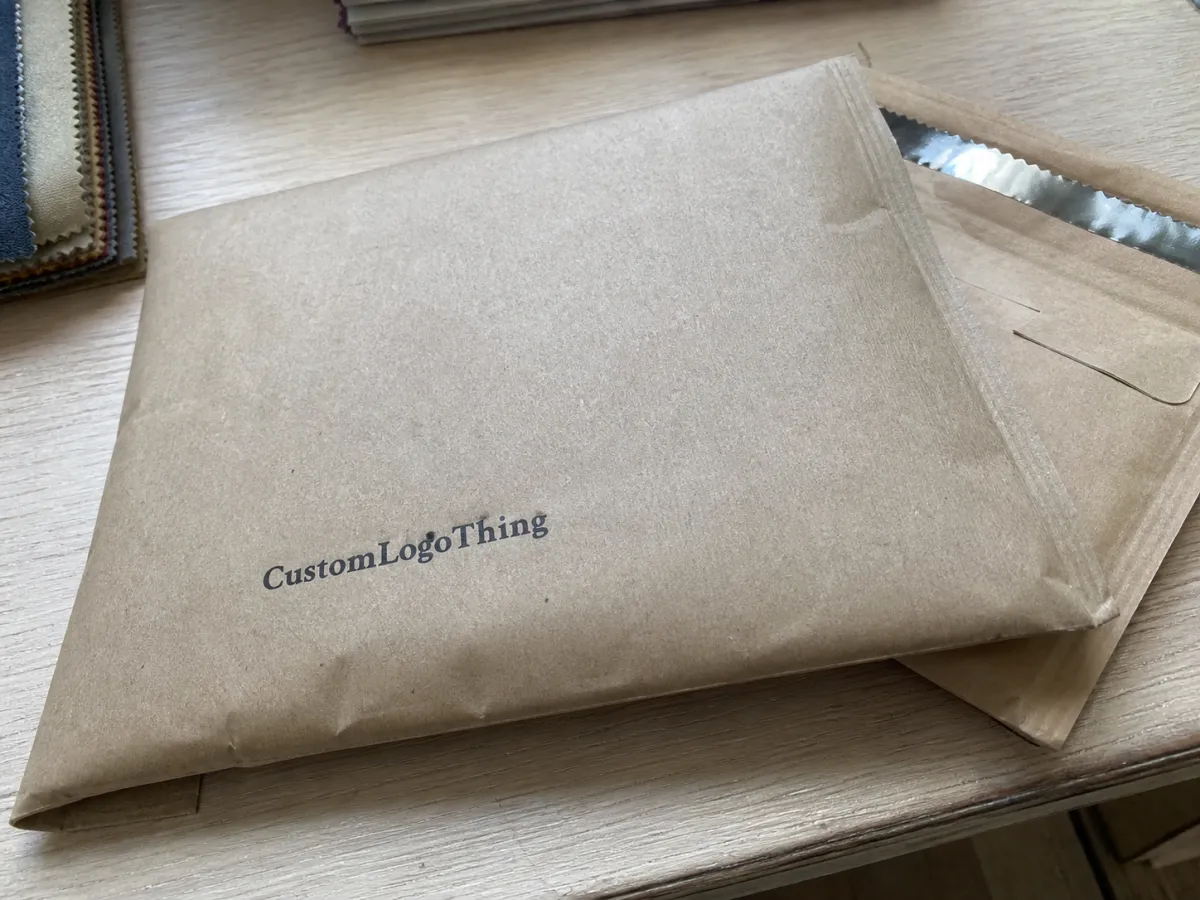
Start with the candle itself. A 6 oz soy candle in a tin has very different needs from a 14 oz glass jar with a metal lid and a finish that scuffs easily. Weight, shape, glass thickness, lid style, and shipping route should drive the spec. Too loose and the candle moves; too tight and the label or lid gets damaged.
The main sustainable material options fall into four groups: recycled kraft paper mailers, molded paper cushioning, recycled-content poly, and hybrid builds that mix paper with a thin protective layer. Paper-heavy options are easier to explain and often look cleaner. Poly-based options usually offer better tear resistance and moisture protection. Hybrids make sense when the candle is heavier or the transit lane is rough.
| Material option | Best fit | Strengths | Tradeoffs | Typical unit impact |
|---|---|---|---|---|
| Recycled kraft paper mailer | Light tins, short routes, low breakage risk | Good print surface, clean presentation, strong paper-based story | Limited shock absorption, weaker in humidity unless treated | Often about $0.20-$0.45 at scale |
| Molded paper padding | Light to medium jars that need more cushion | Better impact control, lower plastic content, good fit retention | Adds bulk, can raise freight a little | Often $0.30-$0.60 depending on finish and size |
| Recycled-content poly | Heavier glass, humid climates, longer routes | Strong tear resistance, moisture barrier, lighter overall weight | Recycling claims depend on local collection systems | Often $0.25-$0.55, higher with custom print |
| Hybrid paper + thin recycled bubble | Fragile jars, premium lines, cross-country shipping | Better shock control, better hold during vibration | Less straightforward end-of-life story | Often $0.35-$0.75 depending on coverage |
For light candles, paper-only structures are often enough if the inner fit is tight and the route is not rough. Once the candle gets heavier, the jar walls get thinner, or the shipment goes through more than one distribution center, added protection starts to matter. A few cents more per unit can be cheaper than one replacement order.
Moisture is the quiet risk. Kraft paper can soften in damp storage, adhesives can lose bite in heat, and fragrance can migrate if the closure is not stable. A mailer that looks perfect on a rendering may behave differently after a day in a warm truck or a week in a humid stockroom.
Environmental claims need discipline. Recyclable does not mean accepted everywhere. Compostable does not mean home compostable. FSC paper can be a solid choice, but FSC tells you about sourcing, not drop resistance. If you need chain-of-custody details, verify them directly with the standard at FSC.
For material specs, a few numbers help. Paper mailers often perform better when the outer paper sits in the 70-120 gsm range, depending on structure and coating. Recycled-content films may use post-consumer recycled material ranging from 30% to 100%, but the number only matters if the film still seals cleanly and does not split at the seam.
Cost and MOQ tradeoffs: where the unit price really moves
Pricing is usually driven by six variables: size, padding weight, print coverage, closure style, insert complexity, order quantity, and material source. Buyers often focus on the unit quote and miss freight, sample shipping, rework, and breakage after launch. That is how an efficient-looking quote becomes expensive.
Minimum order quantities matter because setup costs do not disappear. Smaller runs pay more per unit. Larger runs spread tooling, proofing, and make-ready costs across more pieces. If you are testing a new candle line, a higher first-run price is normal. If the SKU is stable, pricing improves quickly when the spec is locked.
- Size raises material usage and freight, sometimes more than the paper itself.
- Print coverage adds cost fast if you want full-wrap graphics or multiple spot colors.
- Padding weight changes both protection and the finished price.
- Closure style affects labor, tamper resistance, and speed on the packing line.
- Insert complexity matters if you are holding a lid card, wick tool, or gift note in place.
Quote the landed cost, not the headline price. Landed cost includes freight, customs if relevant, sample charges, inspection time, and replacement expense from damaged orders after launch. A mailer that saves $0.06 per unit but creates a 2% breakage rate is not saving money.
Here is the short checklist I would want from any supplier before comparing options:
- Exact inside dimensions and acceptable movement tolerance.
- Jar weight, diameter, height, lid style, and finish.
- Material spec, recycled content, and any certification claim.
- Print colors, coverage area, and finish type.
- MOQ, sample cost, tooling cost, and overrun tolerance.
- Shipping terms, freight estimate, and expected transit method.
MOQ ranges vary by structure, but for Custom Padded Mailers it is common to see pilot runs around 500-1,000 units, production runs from 2,000-10,000 units, and larger reorders once the design is proven. The lower end is useful for testing. The higher end is where better pricing starts to show up.
One small caution: printing more does not automatically improve the pack. Full-coverage graphics can raise waste during setup and make scuffs more obvious. A restrained print layout often ages better, especially for candle brands that already carry a strong identity through the jar, label, and fragrance naming.
Production timeline and lead time: samples, proofs, and turnaround
Production tends to follow the same path: dieline review, sampling, artwork proofing, production, quality control, and shipping. The sequence is simple. The delay usually comes from indecision, especially if multiple people want one more change after the sample has already been made.
- Dieline and spec review: confirm dimensions, structure, and print zones.
- Sampling: physical samples often take about 3-7 days once specs are locked.
- Artwork proofing: allow time for brand colors, logo placement, and legal copy.
- Production: many runs finish in 10-20 business days.
- Quality check and freight: add time for inspection and transit.
Specialty materials slow the schedule. Recycled-content films, molded paper components, and unusual closures usually take longer than standard stock materials. If the art team keeps tweaking the design after the sample stage, the timeline stretches fast. Packaging is not usually delayed by machinery. It is delayed by late approvals.
Plan for the actual launch date, not the hopeful one. Holiday candle drops, retail resets, and seasonal bundles should all have a buffer. A two-week slip on mailers can stall the whole program if labels, inserts, and shipping boxes are waiting on the same signoff.
For validation, ISTA standards are useful even if you do not run a full lab program on every SKU. Drop testing and vibration testing on filled units tell you more than a tidy sample sitting on a desk. If the candle will sit in hot or cold zones before delivery, temperature cycling helps too.
Sizing the mailer to the candle, not just the carton
Measure the candle first. Then design around it. For a glass jar, record diameter, height, lid profile, label placement, and total packed weight. If the order includes a dust cover, wick accessory, or gift card, those items need to be part of the fit calculation too.
Internal movement should be minimal. Too much space leads to label scuffing, lid loosening, and corner crush during impact. Too little space can distort the closure or leave pressure marks on the jar. For a cushioned mailer, keeping movement under about 1/8 to 1/4 inch per side is a useful working target, then validating with a filled sample.
Single-candle layouts are usually easier to control and cheaper to ship. Multi-pack layouts can work well for bundles and gift sets, but they introduce more variables. The fit has to be more exact, the internal support has to do more work, and the outer package needs to account for the added weight.
Dimensional weight can erase savings very quickly. A mailer that is oversized by even a small amount can create a freight penalty on every order. Empty space is not free. If the pack is too large, fix the fit rather than paying shipping rates on dead volume.
For brands that ship direct-to-consumer and wholesale, the structure may need two versions. One can be optimized for mail. Another can be built for shelf presentation or retail handling. The visual identity can stay the same while the construction changes to match the channel.
Common mistakes that cause breakage and returns
The worst mistake is choosing a mailer that looks sustainable but is too thin for the actual shipment. It may photograph beautifully and feel nice in hand, but none of that matters if the jar cracks on the first corner drop. The package has to arrive intact before it can do any branding work.
The second mistake is assuming paper alone solves everything. Paper is useful. Paper is not magic. Humidity, temperature swings, and repeated vibration all expose weak construction quickly. A hot warehouse can stress adhesive, and a damp storage room can weaken a mailer that seemed fine on the sample bench.
"Pretty packaging that cracks in transit is just an expensive apology."
Weak seals cause more trouble than many teams expect. If the closure is flimsy, the mailer can spring open or tear at the edge during handling. Label placement matters too. A shipping label that bridges a seam or covers a weak closure creates another point of failure. Small errors repeat at scale.
Skipping fit tests is usually the costliest shortcut. The first filled shipment tells the truth. If the candle shifts, the lid rattles, or the wax surface rubs against the inside wall, the spec needs work. That is not a customer problem. It is a packaging problem.
Another common miss is forgetting the outer shipper. A solid corrugated master carton can protect the mailer during bulk handling and improve the odds of clean delivery. If the candle line includes bundles, the mailer and outer shipper should be designed together.
Expert tips for branding, testing, and repeatable specs
Design the mailer to support the brand, not to shout over it. A clean logo panel, controlled color use, and one or two print zones usually age better than full-coverage graphics. For candles, restraint often reads as more premium because the product already has texture, scent, and visual identity.
Good packaging is repeatable. Put the spec in writing: inside dimensions, material thickness, padding type, print colors, adhesive style, insertion direction, acceptable defect levels, and approved artwork files. Keep one physical sample as the reference. Reorders drift when the spec is vague.
Testing should be practical. Run drop tests on filled units, vibration tests on a short route, and temperature exposure if the candles will sit in hot or cold zones before delivery. A small pilot of real shipments tells you more than a neat stack of samples.
Verify sustainability claims before they go on the box or sales sheet. If you say recycled content, know the percentage. If you say FSC, confirm the chain of custody. If you say recyclable, be specific about the material stream and where it is accepted. Vague claims are easy to write and hard to defend.
Practical checklist before you lock the spec:
- Confirm the filled candle weight, not just the empty jar weight.
- Test at least three material options side by side.
- Check label scuff, lid loosening, and corner crush after a drop test.
- Verify the sustainability claim against the actual paper or film source.
- Save the approved sample and spec sheet in one place.
Next steps: sample, test, and lock the right SKU
If you are narrowing down Custom Padded Mailers for candle brands sustainable material options, begin with a one-page spec sheet. Include jar dimensions, ship weight, print needs, preferred material, and expected monthly volume. That gives suppliers something real to quote against and makes comparisons much cleaner.
Request 2-3 material builds and ask for physical samples, not just digital proofs. Then compare cost, feel, closure strength, and protection side by side. One build may look greener on paper and feel too fragile in the hand. Another may cost a little more and save you from replacement orders.
Run a small pilot, ideally 10-20 real shipments, before you commit to the full order. Track damage rate, sealing issues, customer feedback, and visible scuffing. If the mailer handles the pilot cleanly, you have something worth scaling. If not, adjust the fit or switch the structure before volume turns the problem into a recurring expense.
The practical rule is simple: choose the mailer that protects the candle, supports the brand, and survives the route with the least waste that still makes sense. For most candle makers, that means weighing paper, recycled poly, and hybrid options with actual sample testing instead of guesswork.
What sustainable material options work best for custom padded mailers for candle brands?
Recycled kraft with paper padding works well for lighter jars and shorter routes. Recycled-content poly or a hybrid build is usually better for heavier glass, humid shipping lanes, or candles with a higher breakage risk. Pick based on transit conditions and the real end-of-life path.
How much do custom padded mailers for candle brands usually cost?
Price depends on size, padding weight, print coverage, closure type, and order quantity. Small runs tend to cost more per unit, while larger MOQs lower the price more quickly once tooling is approved. Compare landed cost and damage savings, not just the headline quote.
What lead time should I plan for custom padded mailers?
Samples often take about 3-7 days once specs are approved. Production commonly takes 10-20 business days, with specialty materials taking longer. Add time for proofs, freight, and any late artwork changes.
Can paper padded mailers protect glass candle jars safely?
Yes, if the jar is sized correctly and the fit leaves very little movement. Heavier jars may need hybrid padding or extra internal support. Always test filled shipments with drop and vibration trials before scaling.
What details should I send for an accurate quote?
Send candle dimensions, weight, material preference, print colors, and expected MOQ. Include shipping frequency, target markets, and whether you need recycled or compostable claims. A simple spec sheet keeps the quote clean and saves back-and-forth.

