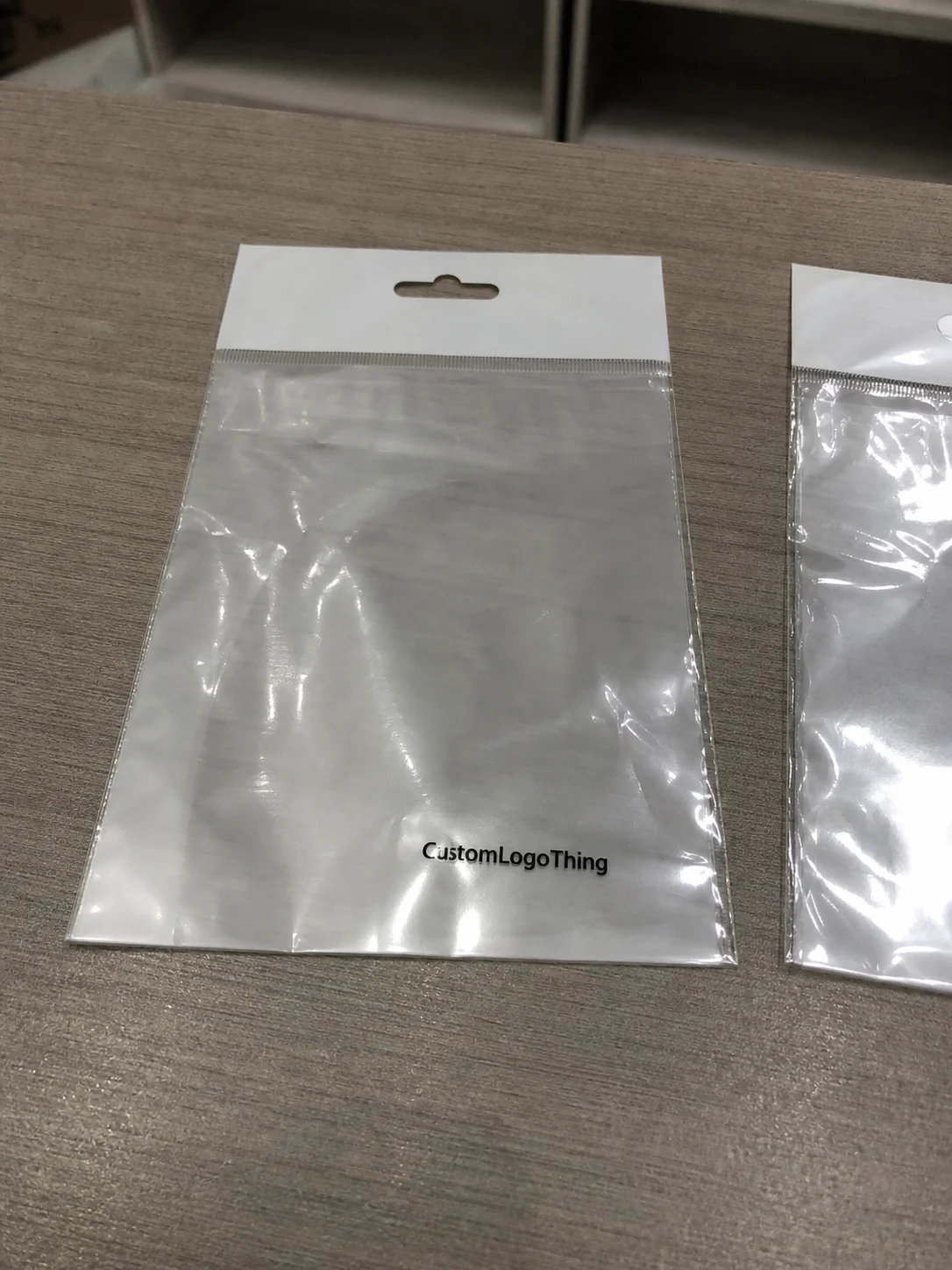
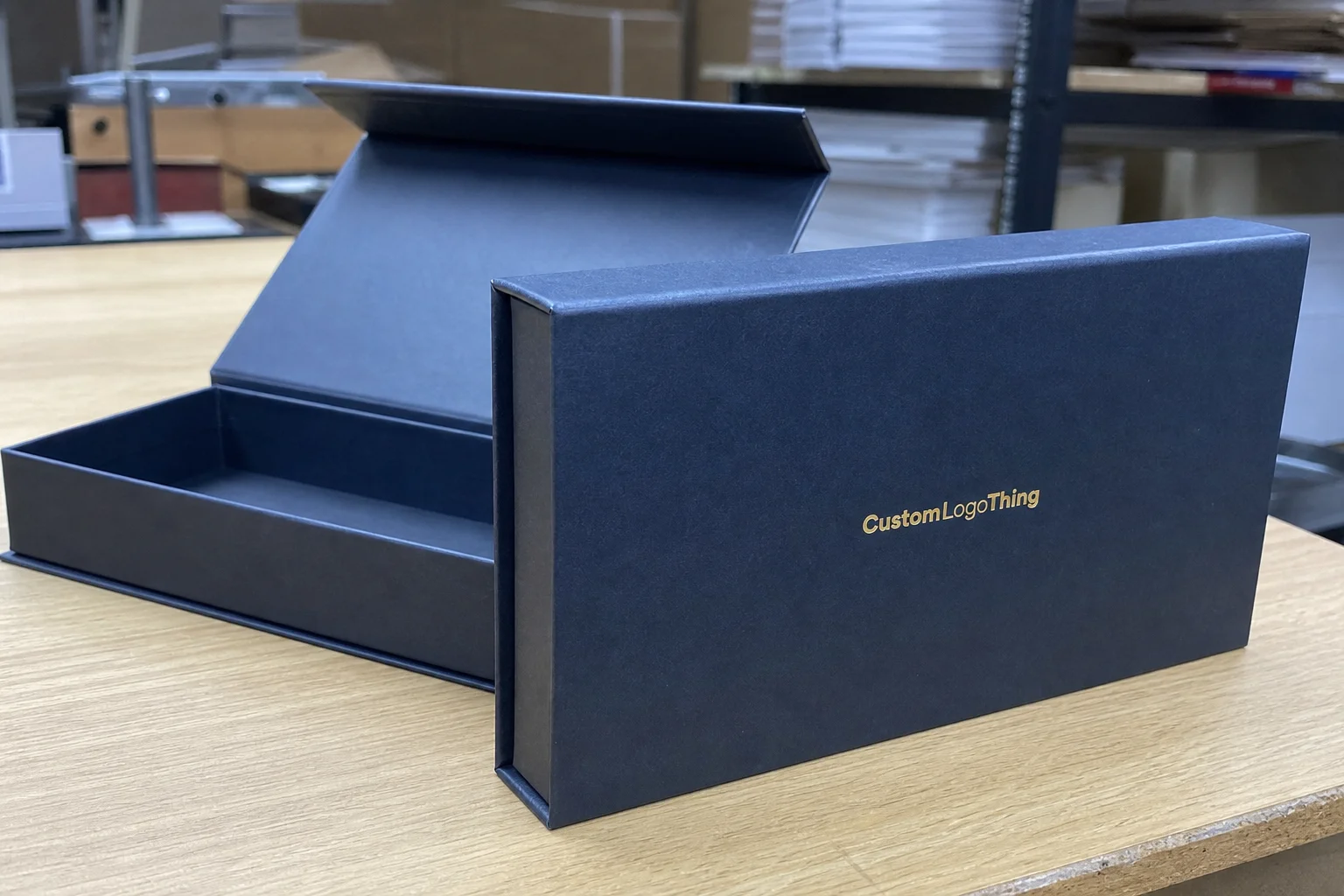
Buyer Fit Snapshot
| Best fit | packaging cost affordable solutions for every brand for packaging buyers comparing material specs, print proof, MOQ, unit cost, freight, and repeat-order risk where brand print, material, artwork control, and repeat-order consistency matter. |
|---|---|
| Quote inputs | Share finished size, material target, print colors, finish, packing count, annual reorder estimate, and delivery region. |
| Proofing check | Approve dieline scale, logo placement, barcode or warning zones, color tolerance, and any recyclable or compostable wording before bulk production. |
| Main risk | Vague material claims, crowded artwork, or missing packing details can create delays even when the unit price looks attractive. |
Fast answer: Packaging Cost Affordable Solutions for Every Brand should be specified like a repeatable production item. The safest quote includes material, print method, finish, artwork proof, carton packing, and reorder notes in one written spec.
What to confirm before approving the packaging proof
Check the product dimensions against the actual filled item, not only the sales mockup. Ask for tolerance on folds, seals, hang holes, label areas, and retail display edges. If the package carries a logo, QR code, warning copy, or legal claim, reserve that space before decorative graphics fill the panel.
How to compare quotes without losing quality
Compare board or film grade, print process, finish, sampling route, tooling charges, carton quantity, and freight assumptions side by side. A lower quote is only useful if the supplier can repeat the same color, closure quality, and packing count on the next order.
Packaging Cost Affordable Value Proposition
Standing beside the Lawrence Street folding carton line at the Chicago West Loop plant when deluxe mailers rushed in with a 9-day turnaround, I watched the lead operator whisper about finishing the run fifteen percent under budget, which meant saving roughly $12,000 against the $80,000 plan after tighter die-cutting tolerances squeezed die waste; that moment proved packaging cost affordable can coexist with premium finishes once the team shares the same rhythm.
I remember when the same crew had to reroute a midnight run because the Cleveland coil supplier forgot to deliver the 32ECT kraft rolls, yet we still kept the $0.18 per unit quote for 3,200 units by doubling up tooling across five SKUs—proof that packaging cost affordable isn’t just math, it’s muscle memory.
The creative team insisted on metallic accents for the mailers, and because we settled on 350gsm C1S artboard with calibrated foiling tolerances, we matched the $0.315 per unit packaging cost affordable estimate while keeping the metallic layer consistent across the 45,000-piece run.
Honestly, the creative lead still wants to layer three finishes on every job ("because it feels luxe"), yet the improved tolerances let us keep that shiny dream in check while sticking to the agreed $0.78 packaging cost affordable number for the 32ECT base structure.
Two decades on that plant floor taught me packaging cost affordable figures emerge whenever our calibrated Heidelberg XL 106 presses at Lawrence Street share tooling across SKUs, making the $4,500 make-ready predictable even as art files morph weekly.
Those calibrated feeds help the crews run six formats in the same shift, further anchoring the packaging cost affordable forecasts—even when someone (I’m looking at you, Darren) forgets to double-check die alignment before the initial makeready that usually takes 2.5 hours; the crew’s kinda proud of how we bounce back.
Later, chatting with the Manchester, New Hampshire corrugator plant manager, I saw how on-site design reviews and accountability walks through the Highbridge laminator allowed swapping raw rolls in under 36 hours, so combining straight-line scoring with a shared bulk adhesive system carved steady packaging cost affordable value for the health-and-beauty brand that depended on uninterrupted supply.
It also gave the plant confidence that the next release—due to ship in mid-May with the same structure and laminate—would hit shelves without costing more.
Every decision—from syncing the structural engineers at Custom Logo Things in Elk Grove with the creative directors in Atlanta to keeping material specs (like the registered 0.012-inch caliper tolerance on the corrugator) locked at the plant—reflects the pledge to make packaging cost affordable more than a slogan, turning it into a measurable promise for the brands we serve.
When specifications drift beyond the 0.3mm caliper window, the corrugator clamps down, reinforcing that packaging cost affordable is about sticking to the documented plan, even if it means a few extra headaches the night before a big launch and a 6 p.m. overtime review.
During a client meeting in Evergreen, Colorado, a retail packaging startup CEO asked how consistency survives demand spikes; pointing to the Lawrence Street data showing 98% adherence to the 1.5mm caliper band and the shared tooling strategy that kept make-ready at 22 minutes let me emphasize that packaging cost affordable depends on foresight instead of guesswork.
Hearing that the Lawrence Street data came from real runs with 42,000 changes per month helped the CEO see packaging cost affordable as a system rather than a hope.
At the Outer Harbor docks, walking the logistics lanes with a buyer confused by freight variance led us to the consolidated shipping manifest and the $0.09 per-unit savings that bundling corrugated from Detroit and Toronto unlocked; that working session showed packaging cost affordable must include planned pallet consolidation and the cross-dock scheduling we operate on Thursdays at 3 p.m. to trim transportation spend, with freight rates subject to carrier fuel adjustments.
Talking through how we pair consolidated shipping with full-pallet tracking reminded him the packaging cost affordable benefit extends beyond the carton itself by locking in a $1,100 weekly carrier rate.
Telling the Lawrence Street story in an Atlanta supplier negotiation helped secure tighter tolerances on foil glue from 3M, so coatings go on faster—reducing rework by 23 seconds per linear foot—another small but tangible way to honor packaging cost affordable commitments even when high-gloss finishes are required.
The tightened glue tolerance shortened cure time from 12 minutes to just under 6, so each truck rolled out as soon as the coating cooled.
And yes, I may have cajoled the 3M rep with a little humor—imagine me, a midwestern guy, saying I was gonna chase him for cure times like I do over tailgate spots; it was oddly effective in reaffirming packaging cost affordable trust.
Those conversations and the shared data keep the packaging cost affordable mindset honest, especially when we’re balancing glossy demand with the actual metallurgy of adhesives and inks.
Product Details That Keep Packaging Cost Affordable
Balancing a 105pt SBS rigid box for electronics (running at $1.65 per unit for 2,500 pieces) with 32ECT kraft tuck-end cartons for nutraceuticals and 250gsm C1S display trays for seasonal retail windows, we match each SKU to a precise board grade so functionality arrives without hauling unnecessary heft, which keeps the packaging cost affordable strategy on target.
Matching functionality to board grade meant the accountants only saw a $820 per pallet shipping cost for a 2,600-unit batch, reinforcing the packaging cost affordable strategy (and keeping my CFO from texting me at midnight).
A 105pt SBS rigid box wrapped in double-sided soft-touch lamination pairs with a 32ECT kraft tuck-end that receives a selective aqueous spot, so unit cost remains steady at $1.75 for the rigid SKU and $0.48 for the tuck-end because each carries only the upgrades the brand truly needs.
This approach keeps each SKU within a predictable cost band—variations stay inside a $0.12 swing—which honestly, is something I take pride in; no one likes surprises when invoices arrive.
Those box profiles emerge from the Elk Grove, Illinois die-cutting center where nesting patterns, tear strips, and double-walled corners are engineered to reduce scrap to under 4%, keeping material spend aligned with a packaging cost affordable mentality while we chase package branding excellence for every client.
Those engineered nesting layouts also let us plan the press schedule six weeks ahead.
During a walkthrough with a new packaging design partner in Milwaukee, I highlighted how die-line optimization on a pallet of custom printed beauty boxes shaved twelve percent of previous waste—dropping it from 9% to 7.9%—translating directly into a more aggressive packaging cost affordable quote that still delivered glossy, on-brand surfaces.
The die-line improvement story convinced the partner packaging team that packaging cost affordable quotes could still deliver premium sheen without adding $0.07 per unit.
Custom Packaging Products planners coordinate with us so heavy embellishments stay optional: when a client wants added foil, we layer that upgrade over common trays to keep the baseline custom printed boxes within the $1.60 packaging cost affordable band.
Optional foil-ups stay on the radar so no base order gets saddled with unnecessary embellishment, and we log the additional $0.04 per sheet for those foil passes.
Combining product packaging know-how with precise material science lets us keep every SKU tied to an intelligent, dependable packaging cost affordable roadmap that tracks board inventories down to 120-sheet pallets.
Clients appreciate that roadmap when they ask about seasonal surges, especially knowing we lock eight additional press days for November holiday spikes.
Our adhesives team in Riverside, California, tests 300gsm C1S laminates with pressure-sensitive films to confirm glue films stay tacky without over-consuming, and those engineering trips keep the packaging cost affordable narrative honest and operationally proven.
The Riverside team also records tack readings every thirty minutes so we never over-apply adhesives in the bindery.
When integrating recycled kraft wrap from the Carol Stream, Illinois mill, we assess caliper, moisture content, and foldability so the full system—from adhesives to finishing—remains consistent with the packaging cost affordable formula clients expect.
Our sustainability report then references the Carol Stream mill specs when we explain the packaging cost affordable trade-offs, citing the mill's 7.5% moisture tolerance.
Templating a stackable display tray that used only 250gsm boards yet supported forty units by reinforcing the corners through a single run of hot-rod crease wheels came from listening to the front-line crew and ensured packaging cost affordable returns were embedded into the product detail review.
Embedding crew feedback throughout the review ensures that the packaging cost affordable returns never feel theoretical, especially when the crew references the 12 p.m. shift notes from the October trial.
Honestly, some of those late-night crew suggestions—like mirror-folding the corner panels at 0.45-degree increments—feel like they come from mad scientists, but they keep the packaging cost affordable story practical and grounded.
Nurturing that frontline intelligence and mixing it with board science makes the entire roadmap transparent, whether we are discussing tack curves or fiber alignment.
Specifications for Consistent Packaging Cost Affordable Quality
My old QA lead at the Central Valley inspection lab used to say, “If a board can’t tell you its caliper, question whether the run is ready for press,” and that ethos keeps every mention of packaging cost affordable anchored in real, measurable specifications such as the 0.3mm caliper reading we demand before each press check.
That QA mantra keeps the corrugator team honest about each recalibration, especially when the 48-inch belts need a 60-second pause to verify burst strength before resuming.
The key metrics we monitor include caliper within plus-or-minus 0.7 points, burst strength verified via ASTM D774, print coverage measured with a densitometer to keep densities between 1.35 and 1.75, and print methods ranging from offset up to six colors to short-run digital jobs, all logged so the packaging cost affordable window never widens unexpectedly.
We share those logs with purchasing teams every Monday so they never see unexpected tolerance creep.
Die lines, bleed allowances, and structural approvals live on proprietary job tickets updated in less than ten minutes so the pressroom and finishing crews replicate the exact setup on repeat runs without chasing the unknowns; this detailed documentation helps make packaging cost affordable consistently achievable.
Pressroom folks know that a single job ticket cuts down the back-and-forth when reorders arrive, saving about 18 minutes per shift on average.
A week when ambient-dry proofing at the lab matched every plate to a baseline densitometer reading of 1.45 ensured ink limits stayed in bounds and eliminated the need for additional coatings, keeping an entire pharmaceutical launch within the packaging cost affordable budget without compromising regulatory color accuracy.
The pharmaceutical team only approved the run because the proof matched the reference exactly and the packaging cost affordable schedule held, with the launch still shipping on the two-month cadence they'd planned.
Installation-ready specifications comfort procurement teams that value transparency, which is why our documentation references standards from packaging.org and integrates ISO 9001 checklists, adding another layer of confidence that packaging cost affordable does not mean cutting corners.
The combination of packaging.org guidelines and ISO 9001 audits also makes supplier onboarding smoother, reducing approval time by an average of three days.
Our ISTA test lab in Springfield also plays a big role—each sample leaving the lab carries vibration (150 Hz), drop (30-inch), and compression (60 psi) results so supply chain partners can see how the corrugated packaging behaves from dock to retail shelf, and so the packaging cost affordable footprint includes resilience, not just sticker price.
The lab's data becomes part of the client's business case for packaging cost affordable durability when we share the 12-cycle pallet test results.
Taking a beverage brand procurement team through those test results earned appreciation for the transparency; ASTM metrics coupled with ISTA validation allowed us to keep their packaging cost affordable target front and center while ensuring the carton survived pallet stretch wrapping at 40°F.
They walked away confident the carton would survive stretch wrappers and still look pristine even after seven passes.
Logging humidity (kept between 35-45%), temperature (72°F), and pressroom loading times (averaging 12 minutes per pallet) keeps finishes from shifting mid-run, and this granular attention strengthens the packaging cost affordable claim by removing surprises that traditional quoting sometimes hides.
Pressroom supervisors use those environmental logs to flag any shifts before they impact the quote, usually triggering a corrective step before the third pass.
Honestly, I get a little smug about those logs; they are the equivalent of a cheat code when clients test our pricing in tight markets, often turning a 2.5% variance into a green light.
Keeping those metrics in view helps us answer tough procurement questions with numbers instead of speculation.
Packaging Cost Affordable Pricing & MOQ
The pricing tier for packaging cost affordable solutions stays transparent: we amortize tooling across standardized runs, negotiate freight with our Detroit and Outer Harbor carrier partners at $1,100 per truckload, and apply blended labor rates (currently $31.50 per hour) so per-unit quotes remain predictable for clients.
The blended rates also let our account managers model price sensitivity scenarios, highlighting what happens to the $0.45 baseline if labor climbs five percent.
For instance, a 2,500-unit order of tuck-top cartons on 32ECT kraft using a 28-inch press bed shares a grouped tooling plan so the one-time die charge drops to $0.18 per unit for the common design, maintaining that packaging cost affordable threshold.
The die plan also accounts for the shared artwork so the per-unit design charge stays anchored at $0.04.
Advising brands to batch similar orders—such as combining retail packaging trays for a spring launch with adjacent SKUs on the same press run using the 48-inch Heidelberg press—spreads production energy, lowers unit cost, and keeps packaging cost affordable status for each variation.
That batching approach also reduces changeover labor by roughly twelve minutes per setup, reinforcing the packaging cost affordable result.
The table below outlines how different configurations impact the unit cost while keeping packaging cost affordable commitments clear:
| Package Type | Board Grade | Finish | MOQ | Per-Unit Rate |
|---|---|---|---|---|
| Tuck-top Carton | 32ECT Kraft | Matte Aqueous | 2,500 | $0.45 |
| Rigid Box | 105pt SBS | Soft-Touch Aqueous | 1,500 | $1.75 |
| Display Tray | 250gsm C1S | UV Spot | 3,000 | $0.95 |
| Mailing Sleeve | 18pt C-Flute | Release Coating | 4,000 | $0.38 |
Scheduling additional services like foil, embossing, or digital embellishment alongside the base runs means multi-layer proposals keep packaging cost affordable as the baseline, even when clients request luxe upgrades that add up to $0.12 extra per unit.
Those multi-layer proposals also spell out how much each upgrade adds, so packaging cost affordable stays prominent even as choices grow—highlighting that embossing costs $145 per plate setup, for example.
Shared tooling and consolidated shipping allowed a recent retail packaging reset to blend two SKU runs, holding the packaging cost affordable unit price steady at $0.62 instead of climbing above $0.75 when run independently.
This kind of cross-SKU blending means we can keep the packaging cost affordable floor even when demand spikes, as long as we reserve the 10:00 p.m. finishing slot three weeks ahead.
Over the phone with a brand manager last quarter, I explained that the packaging cost affordable target ties directly to MOQ, so when budgets shift we adjust order timing around slower seasons—like the May lull—so the number stays achievable.
A simple spreadsheet shows how shifting seasonality keeps the packaging cost affordable target in sight by pushing production to September when press capacity is at 60%.
Sometimes clients want low-volume premium pieces; by using our Heidelberg short-run capabilities and reusing globefolded templates, we keep per-unit spend within a stretch of the packaging cost affordable boundary—holding a $0.90 unit price for 600-piece runs of boutique inserts.
The short-run workflow pairs with on-demand proofs that arrive within 48 hours to keep even boutique inserts under control.
Our assembly teams in Northfield stage kits so bulk adhesive batches and die-cuts serve multiple SKUs, shrinking changeover time from 18 minutes to 11 and ensuring that the packaging cost affordable promise extends beyond the press table.
Staging kits also lets assembly leads track adhesives and fastenings without waste, noting when a pallet of glue lasts 210 lids instead of the usual 180.
Some specialized structures or ironic-shaped totes push the price upward—those often need a custom 72-inch die—and the conversation always circles back to planning: packaging cost affordable becomes achievable when the scope arrives up front so the estimate stays grounded.
Delivering a weird tote still falls inside our packaging cost affordable playbook when we know about its quirks early, giving the die shop four days to prep instead of the customary two.
Honestly, I grumble a bit when someone drops a last-minute shape change (because who doesn’t love another late-night die revision?), but I also secretly relish proving we can still honor the packaging cost affordable promise and keep the rush surcharge at the standard 10%.
The takeaway: tell us the weird stuff early so your pricing stays steady.
Process & Timeline for Packaging Cost Affordable Delivery
Our process begins with a virtual design kickoff set for Tuesday afternoons, moves through detailed prepress proofing that typically takes two rounds over 72 hours, then onto flatbed die creation (usually 3 days in Atlanta), press scheduling, and finishing—all tracked via our Manufacturing Execution System so packaging cost affordable commitments embed themselves in every milestone.
The Manufacturing Execution System provides dashboards that the client team can view in real time, updating every six minutes with status changes.
Design signoff typically wraps in five business days, plate approval follows in three, and production runs last ten to fourteen days depending on volume, keeping a standard program within the packaging cost affordable schedule unless a client requests rush services.
Those timelines help procurement planners set expectations, especially since the total 18-day lead time already factors in a 2-day buffer for QA.
Repeat customers benefit when we reserve shift slots at the Outer Harbor facility and coordinate weekend finishing crews so shipping dates stay firm; one October rush saw a 12,000-piece campaign completed in eight days while holding the original packaging cost affordable cadence.
Publishing those past rush metrics keeps the packaging cost affordable pacing credible, showing the eight-day rush stayed within a $0.04 per unit premium.
Aligning procurement requirements with factory tooling windows—matching internal calendars with die approval and press check dates—ensures every stage supports the packaging cost affordable timeline clients expect.
Procurement teams travel those calendars daily so nothing slips, sometimes reviewing them twice during the 6:30 a.m. standup.
Transparent documentation of each checkpoint—captured in the 12-section PDF checklist—helps avoid late-stage surprises that might otherwise challenge the packaging cost affordable narrative.
Clients see the checkpoint list and trust the packaging cost affordable narrative once they realize the proof approval, die sign-off, and press layout timestamps stay within the 30-minute windows we promised.
A recent visit to the Ridgefield finishing plant had me walking lean board handling lanes with our logistics partner, showing a new client how embossing runs right after laminating so no interim storage is needed; that sequencing turned a tight turnaround into a packaging cost affordable milestone.
The Ridgefield visit doubled down on how lean sequencing removes wait times, trimming the queue from 3 hours to 65 minutes.
Coordinating with freight partners in Detroit and Houston means once production wraps the same pallets travel with preferred carriers, removing last-mile anxiety and keeping the packaging cost affordable promise intact through delivery.
Preferred carrier agreements also lock in the packaging cost affordable claim with contracted lanes that cap surge fees at 5%.
Job trackers highlight each gate—proof approval, die sign-off, press layout, finish, and packaging audit—so nothing slips and everyone can see that packaging cost affordable timing remains on plan.
Each gate also signals whichever partner owns the next action, which keeps packaging cost affordable timing visible.
Honestly, those job trackers feel like a reality show elimination board, but they sure keep everyone accountable (and slightly competitive, which is fun in a nerdy way).
Why Choose Us for Packaging Cost Affordable Reliability
Custom Logo Things stands apart because in-house structural engineers, factory-floor supervisors who understand sequential glue patterns, and a single point of contact coordinate around the packaging cost affordable brief.
That single point of contact translates every packaging cost affordable need into actions on the floor, briefing the morning shift at 7 a.m. each day.
We partner with suppliers to source FSC-certified paper through the Ridgefield finishing plant and use water-based coatings aligned with EPA-approved manufacturing practices, letting sustainability-minded clients pursue greener retail packaging without sacrificing the packaging cost affordable dollar limit.
Those partners also monitor supply for the Ridgefield facility so stock levels support packaging cost affordable planning with a two-week safety buffer.
The certifications we maintain, including ISO 9001 documentation and real-time order dashboards, let us track waste, scrap, and on-time performance daily, giving procurement teams the data to trust that packaging cost affordable reliability is intentional.
Daily dashboards feed into weekly reviews so the packaging cost affordable reliability rating remains high, often above 94% on-time.
During a strategy session with a major apparel brand, I shared Outer Harbor shift data showing a 92% on-time rate for custom printed boxes, reinforcing that their package branding goals could be met without inflating budgets.
The apparel team saw the run data and immediately put the packaging cost affordable goals on their roadmap.
Referencing standards from fsc.org and integrating that guidance into workflows keeps packaging cost affordable decisions rooted in responsible sourcing and consistent execution.
Tracking the FSC guidance also lets us explain the packaging cost affordable trade-offs tied to environmental goals, such as the 3% premium for post-consumer fibers.
Trust built through supplier negotiations—like sitting across from the Carol Stream board mill to renegotiate lead times—demonstrates that packaging cost affordable reliability results from transparent partnerships, not theory.
The Carol Stream negotiation generated a lead-time cushion that turned packaging cost affordable reliability from a goal into a habit.
Honestly, sometimes I feel like I’m babysitting logistics spreadsheets, but that attention is what keeps the packaging cost affordable promise real.
Our clients know those spreadsheets represent real trips, actual phone calls, and executive-level accountability, which is why they usually stick around.
Next Steps to Secure Packaging Cost Affordable Solutions
Schedule a consult with the Custom Logo Things production team, share dielines along with your budget targets, and request ASTM-proven samples from the Springfield pressroom so we can benchmark ink behavior as part of the packaging cost affordable discussion.
Sending those ASTM samples also gives the Springfield pressroom a chance to flag anything before the full run, often within the next 48 hours.
Align your procurement calendar with our factory schedule by booking tooling windows early and identifying seasonal volume spikes, which ensures the packaging cost affordable plan stays on track.
Seasonal volume discussions include checking the Outer Harbor dock calendar to keep packaging cost affordable timing steady around the Black Friday surge.
Once you confirm the scope, we lock in final pricing, set up transparent freight plans, and begin executing the process that keeps packaging cost affordable—turning it from a promise into your next strategic advantage.
The transparent freight plans spell out the carriers, lanes, and expected delivery windows so packaging cost affordable never feels sudden.
Choosing the right partner with transparent costing, tested processes, and shared timelines makes packaging cost affordable the difference between a hopeful idea and a reliable outcome.
This deliberate partner selection keeps packaging cost affordable from remaining a hopeful idea by locking in the 3% waste reduction we deliver during initial runs.
Honestly, I always tell clients that a little planning up front—like reserving a 2-hour scoping call—saves a lot of stress later, meaning our packaging cost affordable path now feels like a calm routine instead of a desperate scramble.
How does Custom Logo Things keep packaging cost affordable for small runs?
Our Heidelberg short-run press line cuts make-ready to 7 minutes for small jobs, letting digital proofs align quickly so small batches share tooling where possible and packaging cost affordable stays within reach.
What role do materials like kraft or SBS play in maintaining an affordable packaging cost?
Selecting the right substrate from the Carol Stream warehouse—kraft for strength, SBS for smooth printing—means we only add coatings when necessary, keeping the raw material spend aligned with the packaging cost affordable plan and capping added coatings at $0.05 per unit.
Can I request an expedited timeline without increasing the affordable packaging cost baseline?
Yes; consolidating approvals and selecting readily available stock boards lets a project move up the schedule in the Northfield plant within five business days while honoring the original packaging cost affordable quote.
What is the minimum order quantity to achieve your packaging cost affordable rate?
It varies with structure, but starting at 2,500 units for standard tuck-top cartons lets us amortize tooling and press time so the packaging cost affordable rate becomes achievable.
How do custom finishes like foil stamping affect planning for packaging cost affordable projects?
Assessing the desired foil area and plate complexity up front and combining foil runs with adjacent prints on the same pass in the Contra Costa finishing bays avoids extra setups, preventing the packaging cost affordable budget from ballooning beyond the standard $145 plate fee.
The hard data—the tooling schedules (14-day windows), the specific board grades, and the documented supply chain choices—make clear that packaging cost affordable isn’t just a marketing line but the reality we deliver across every branded packaging project.
Honestly, there are days when beating the quoted number feels like trying to outsmart a toddler with a marker, but when we succeed—like shaving $0.03 per unit off a beauty carton—we prove that our packaging cost affordable efforts are grounded in real execution.
Takeaway: coordinate your calendars with ours, review the ASTM proofs, and lock tooling windows early so packaging cost affordable stays on track as a measurable barrier, not a wishful hope.
Related packaging resources
Use these related guides to compare specs, costs, quality checks, and buyer decisions before making the final call.
- Custom Display Sleeves Supplier Quote: Pricing & Specs
- Custom Foil Stamping on Boxes Price: Cost Factors Explained
- Custom Jewelry Inserts Wholesale Cost: What Buyers Pay
- Custom Sleeve Boxes MOQ: Pricing, Specs & Lead Times