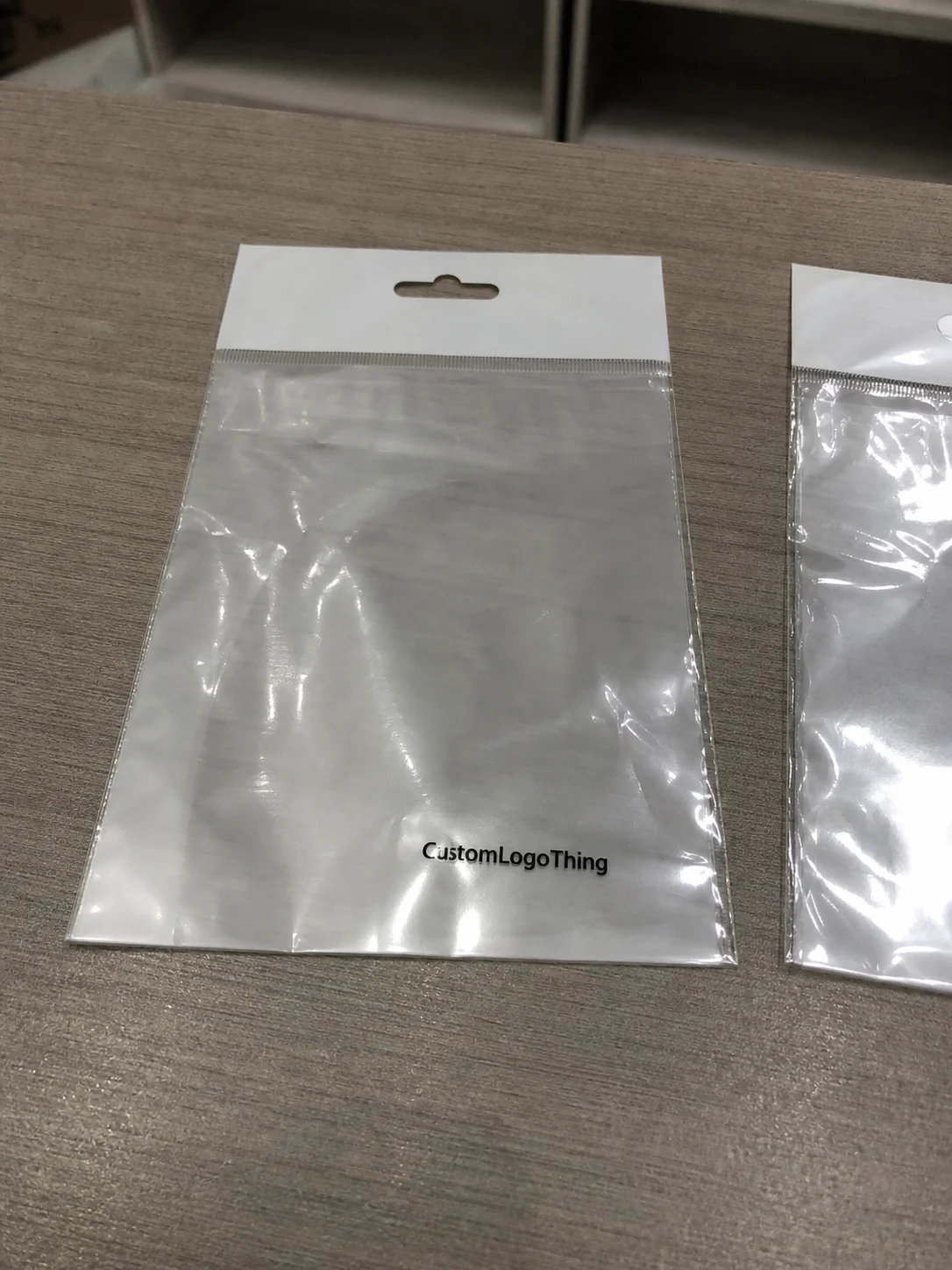
A quote for garment polybags can look inexpensive at first glance. Then the supplier adds print coverage, a thicker gauge, folded packing, warning text, and freight, and the number changes quickly. That is usually where the real Custom Garment Polybags unit cost breakdown starts to matter, because the lowest line item is not always the lowest landed cost.
For apparel brands, the risk is straightforward: two quotes can differ by only a fraction of a cent per bag, yet that gap becomes real money across 25,000 or 100,000 units. If you buy retail packaging, product packaging, or branded packaging at scale, small assumptions have a habit of becoming large budget swings.
Most buyers lose money in the comparison stage rather than the production stage. They are not necessarily overpaying for a bag; they are paying for unclear specs. A clean Custom Garment Polybags unit cost breakdown is the fastest way to separate a true quote from one padded by missing details or vague assumptions.
Why Garment Polybag Pricing Often Looks Lower Than It Is
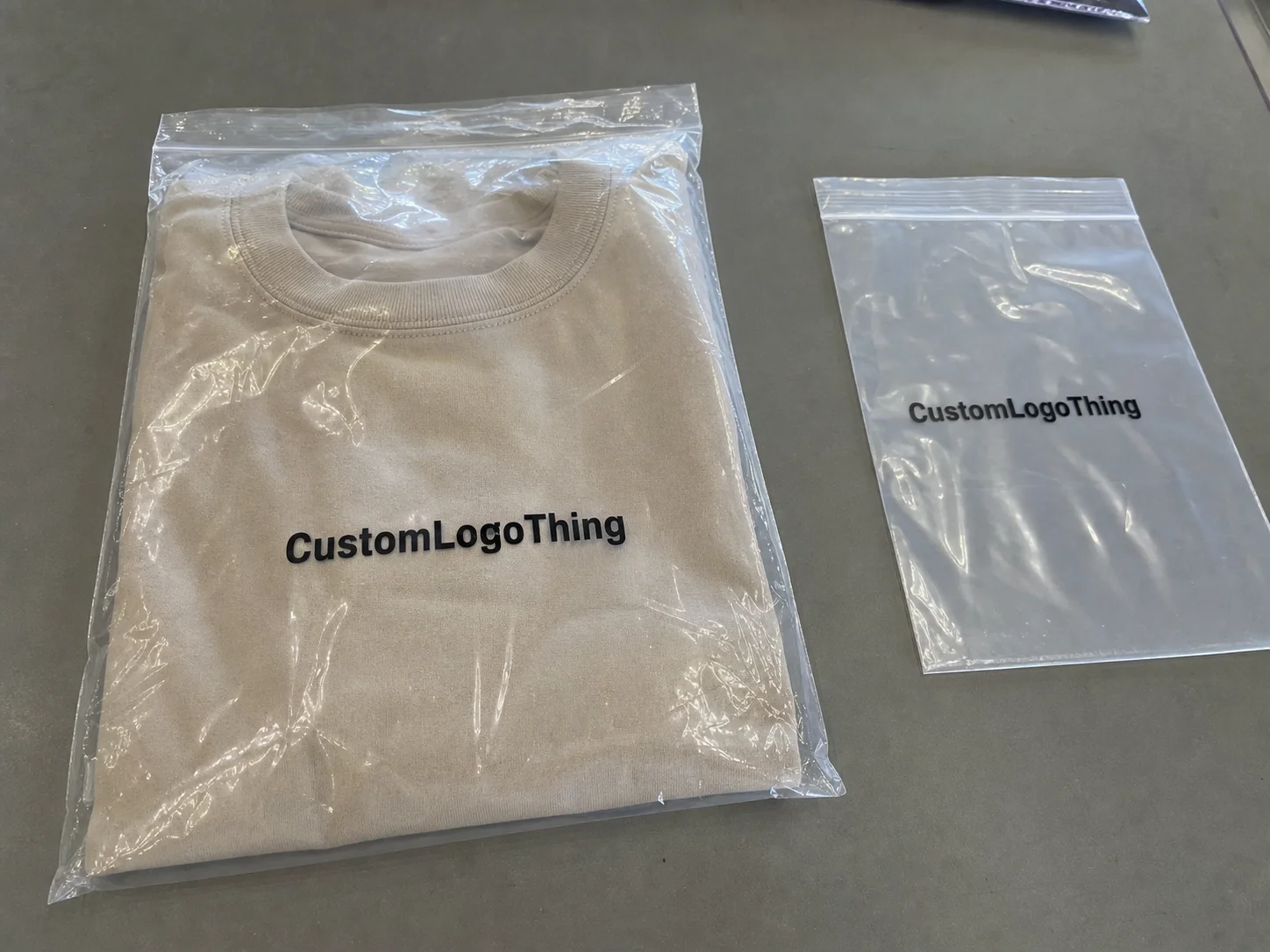
Here is the trap. A supplier says a clear LDPE garment bag is $0.035 per unit. That sounds efficient. Then you ask for a printed warning, a 2 mil instead of 1.5 mil gauge, a hang hole, and cartons packed to retail counts. Suddenly the number is closer to $0.052 or $0.061, depending on quantity.
That is not always a bait-and-switch. Sometimes it is simply incomplete quoting. But for a buyer, incomplete is still expensive. If one quote includes plain bag pricing and another includes print setup, cartonization, and inland freight, the comparison is not useful. You are not comparing suppliers; you are comparing assumptions.
One cent may sound trivial. It is not. At 100,000 pieces, a $0.01 difference is $1,000. At 500,000 pieces, it is $5,000. If your program runs across multiple SKUs, sizes, or seasonal drops, the total gap can easily exceed the savings from switching to a cheaper-looking vendor.
Quote clarity is cheaper than quote chasing. A buyer who gets the full Custom Garment Polybags unit cost breakdown upfront usually spends less time revising artwork, disputing invoices, and replacing defective cartons later.
This is also why so many apparel teams ask for a side-by-side landed cost. Factory ex-works price is one thing. Freight, duties, cartons, and internal handling are another. For packaging programs tied to package branding and retail packaging standards, those extras belong in the first discussion, not the last email.
If your bag is part of a larger sourcing mix, it helps to compare it against other packaging formats too. Some programs move between garment polybags and Custom Poly Mailers depending on fulfillment flow, damage risk, and shipping method. Same brand. Different economics.
Bag Style, Film, and Print Details That Drive Unit Cost
The biggest price driver is usually the film itself. LDPE is common for soft garment bags because it is flexible, economical, and easy to convert. CPP is stiffer and clearer, so it can make sense for higher-clarity retail packaging or where a sharper presentation matters. CPP often costs more per unit, though the difference is not always dramatic. The real question is whether the visual and performance gain justifies it.
Thickness changes the equation as well. A 1.5 mil bag does not cost the same as a 2.5 mil bag. More resin means more material cost, more weight, and sometimes slightly different processing behavior. For folded apparel, especially hoodies and denim, buyers often move toward heavier gauges because the bag needs to resist puncture, seam stress, and rough handling.
Bag size matters too. Larger bags use more film and may require different folding or sealing settings. Gusseting adds another layer of complexity. A flat bag is simpler. A side-gusset or bottom-gusset bag expands capacity, which is useful for bulkier garments, but the added converting step affects unit cost.
Seal style is another quiet cost driver. Straight seals are straightforward. Resealable adhesives, flap closures, and tamper-evident features add materials and setup. If you need a suffocation warning, punched ventilation holes, a hang tab, or a euro hole, that means more tooling and more handling. None of these features are outrageous by themselves. Together, they can move the quote more than the raw film change.
Printing is where many quotes drift. A one-color logo with low ink coverage is very different from a full-coverage front design with multiple spot colors and tight registration. Every extra color can mean additional plates, more setup, and a higher chance of waste during press make-ready. Print complexity also influences consistency. A simple logo on a clear polybag is easier to keep stable than dense branding across a large panel.
Garment category changes the spec, too. T-shirt bags are usually lighter and flatter. Hoodie bags need more depth. Denim or heavy fleece often requires thicker film and better puncture resistance. If the buyer does not define the use case, the quote can be technically correct and commercially wrong.
From a packaging design point of view, the smartest move is to match the spec to the garment, not the other way around. Overbuilt bags waste money. Underbuilt bags create returns, rebagging labor, and quality complaints. That is a bad trade in any unit cost model.
| Option | Typical Cost Impact | Best Fit | Buyer Tradeoff |
|---|---|---|---|
| LDPE flat bag, no print | Lowest | Basic folding and internal handling | Lowest price, limited branding |
| LDPE printed bag, 1 color | Low to moderate | Most branded packaging programs | Good balance of cost and identity |
| CPP bag, multi-color print | Moderate to higher | Retail packaging with premium presentation | Better clarity, higher conversion cost |
| Gusseted bag with closure or warning text | Higher | Bulky apparel and compliance-driven programs | More utility, more setup and material |
For environmental claims, do not guess. If a supplier says recycled content, ask for documentation. If you need chain-of-custody support, look for FSC where paper-based components are involved, and review packaging sustainability references at EPA sustainable materials guidance. Plastic garment bags are a different category from paper cartons, but the buyer mindset should be the same: verify the claim, then price it.
Key Specifications Buyers Should Lock Before Requesting a Quote
The fastest way to get a clean quote is to lock the basics before you ask for pricing. That sounds obvious. It is not how many RFQs arrive.
Send the exact bag dimensions, not “roughly a medium bag.” State the target thickness in microns or mil. Clarify the material, the print method, the number of colors, the placement of the logo, and whether the artwork bleeds to the edge. If you need custom printed boxes for bundled kits, say so separately. Mixing packaging types in one request often muddies the pricing logic.
Define the packing format as well. Do you want bags bulk packed, folded in sleeves, or cartonized in specific counts? A shift from loose bulk to counted inner packs changes labor, QC, and carton materials. That is real money.
Compliance details belong in the first round. If you need suffocation warning text, mention the exact wording or the standard you want aligned. If the bag needs ventilation holes or opacity for privacy, state that clearly. If there are retailer-specific rules, include them now rather than after proof approval. In apparel packaging, late compliance edits are one of the most common causes of rework.
Artwork files matter more than most buyers expect. A vector logo, clean dieline, and reference photo reduce back-and-forth. The supplier can size the print area correctly and avoid guesswork. If you send a low-resolution JPEG and a vague spec note, the quote may look cheap because it is padded for risk.
Here is the practical checklist I would use before requesting the Custom Garment Polybags unit cost breakdown:
- Bag dimensions with finished width, length, and gusset if needed
- Material: LDPE, CPP, or another agreed film
- Thickness: target gauge or mil
- Print method: flexographic, gravure, or another specified process
- Artwork: color count, coverage, and file format
- Quantity: initial order and likely reorder volume
- Packing format: bulk, inner pack, or counted cartons
- Delivery point: ZIP, port, or warehouse destination
If you can, include a photo or sample of your current product packaging. That is often more useful than a long email. It tells the supplier what is actually working today, not what the spec sheet claims should work.
Unit Cost, MOQ, and Pricing Structure Explained
Unit cost falls as volume rises, but not in a straight line. The first few thousand bags absorb setup charges, proofing time, plate costs, and changeover labor. Once those fixed costs are spread over more units, the price per bag improves. That is why MOQ matters so much in the Custom Garment Polybags unit cost breakdown.
For small runs, the per-unit cost can be surprisingly high. A 2,000-piece order may price at $0.09 to $0.14 per bag depending on print coverage and thickness. A 5,000-piece order could move into the $0.05 to $0.08 range. At 10,000 or 25,000 units, the curve often flattens further, especially if the spec stays stable. These are directional ranges, not promises. Art, material, and machine time all affect the final quote.
The structure usually includes a few pieces:
- Base unit price for film and conversion
- Setup or plate fees for printed runs
- Artwork correction or proofing if files need work
- Packaging labor for inner packs or special counts
- Freight and duties depending on route and destination
That is why two quotes for the same product can look dramatically different. One may be ex-works only. Another may include cartons, inland freight, and a partial allowance for waste. The number that matters is landed cost, not just factory cost.
For buyers sourcing multiple SKU types, it helps to compare options in tiers. Ask for pricing at 5,000, 10,000, and 25,000 units. You will see the curve quickly. If the 10,000-piece price barely improves versus 5,000, the setup burden may be too heavy for that specification. If the jump from 10,000 to 25,000 is substantial, there may be room to consolidate orders and lower the per-bag spend.
MOQ is not always a barrier. Sometimes it is a signal. A higher MOQ can indicate a custom setup that is only economical at scale. A lower MOQ can be useful for testing, but you usually pay more per bag for that flexibility. That is normal, not a flaw.
From a buyer’s point of view, the best contract is the one that balances unit cost with reorder predictability. You do not want the cheapest bag if it forces emergency rebuys every season. You also do not want premium specs that provide no functional benefit to the garment line.
Process and Lead Time: From Quote to Delivery
The process is usually straightforward, but delays tend to cluster in the same places. First comes inquiry and spec review. Then pricing. Then proof approval. Then production. Then inspection and shipment. If any of those steps are vague, the timeline expands.
Artwork revision is the most common slowdown. A logo placed too close to a seal line. A warning statement that needs resizing. A dieline that does not match the actual finished bag. Each correction adds time, and sometimes it adds cost. The smartest buyers treat proofing as part of procurement, not a formality.
Stock-style clear bags move faster than fully custom printed runs. A plain bag or lightly customized option may ship in around 7 to 12 business days after confirmation, depending on inventory and workload. A printed run with plate making, proof signoff, and carton customization often needs 12 to 20 business days before shipment. Ocean freight can extend the calendar beyond that. Air freight shortens it, but usually at a steep cost increase.
Packaging teams planning for seasonal apparel launches should build buffer time. Peak retail periods, holiday ramps, and compliance checks can all stretch lead time. Freight volatility matters too. A factory quote that looks stable can lose its advantage if the shipping method changes mid-order.
Standards help reduce surprises. For transit durability, many brands reference ISTA testing guidance when packaging needs to survive distribution. For material-based sourcing and chain-of-custody, FSC can matter for the paper components around the program. Standards do not replace practical judgment, but they give the buyer a better basis for comparison.
If you are running a broader packaging program, keep the bag spec aligned with the rest of the system. A garment polybag that looks elegant but is awkward in carton packing creates labor downstream. That is why packaging design and product packaging decisions should be made together, not in isolation.
How Quality, Consistency, and Cost Control Work at Scale
A good supplier does not just quote. It helps remove avoidable cost. That means recommending the right gauge, the right print coverage, and the right packing format for the garment type. It also means warning a buyer when a feature adds cost without solving a real problem.
Consistency is where hidden expense usually appears. If the gauge varies too much, the bag feels inconsistent and may fail in handling. If print registration drifts, the package branding looks cheap even if the material is fine. If carton counts are off, receiving teams lose time checking every case. Those are not theoretical issues. They are the sort of small defects that quietly tax a program.
In-line checks, batch inspection, and carton count verification are not glamorous, but they reduce replacement orders and claim disputes. A lower defect rate also protects the actual unit cost over time. A bag that arrives on spec the first time is cheaper than a bag that needs rework or replacement.
Direct sourcing matters too. Buying through multiple middle layers often adds margin without adding value. If a supplier controls conversion, print, and packing, it can usually give a more transparent breakdown. That does not guarantee the lowest number in every case. It does make the number easier to trust.
For brands balancing Custom Packaging Products across apparel, accessories, and fulfillment, the best partner is one that explains tradeoffs clearly. A supplier that only sells “premium” features can push spend up fast. A supplier that recommends only what the garment needs tends to protect the buyer’s margin better.
Cost control is not about stripping everything out. It is about paying for the features that protect product quality, retail presentation, and distribution performance, and skipping the rest.
Next Steps to Get an Accurate Quote and Lower Your Per-Bag Cost
If you want the cleanest price, send a complete spec sheet the first time. Include dimensions, material preference, thickness target, print art, quantity target, and the delivery destination. If you have a current sample, send that too. A physical reference often reveals things an email does not, especially around fold pattern and retail presentation.
Ask for a side-by-side quote that separates unit cost, setup, freight estimate, and total landed cost. That one request filters out a lot of noise. It also makes comparison easier when you are reviewing multiple sources for the same apparel program.
Request a virtual proof or one sample before production if the artwork is new or the bag is meant for retail display. A small proofing step can save a much larger correction later. If your order is time-sensitive, confirm whether tooling, plate charges, and production slots are already available. If not, the cheapest quote may not be the fastest path.
My practical advice is simple: do not ask only, “What is the price per bag?” Ask, “What is included, what changes the price, and what does the landed cost look like at 5,000, 10,000, and 25,000 units?” That is the real custom garment polybags unit cost breakdown. It tells you whether the quote is competitive, whether the spec is efficient, and whether the supplier understands apparel packaging as a working system rather than a one-line commodity.
That is the difference between buying bags and buying control. For packaging buyers, control is where the savings live.
What affects custom garment polybag unit cost the most?
Size, thickness, print coverage, and order quantity usually drive the biggest swings. Extra features like reseal tape, warning text, euro holes, and special finishes can also raise pricing because they add materials, tooling, or setup time.
How low can the MOQ be for custom garment polybags?
MOQ depends on the bag size, print method, and whether the order uses stock-based film or a fully custom configuration. Lower MOQs are possible, but the unit cost is usually higher because setup and plate fees are spread across fewer bags.
Why do two quotes for the same apparel bag look so different?
One quote may include printing, freight, and packaging, while another only shows factory ex-works pricing. Check the material grade, thickness, tolerances, and whether proofing or plates are included before comparing the numbers.
How long does production usually take for custom garment polybags?
Lead time depends on artwork approval, tooling, order size, and shipping method. Simple orders move faster; multi-color printing or special features add time before shipment, and freight can extend the total timeline further.
What should I send to get the most accurate pricing?
Send dimensions, material preference, thickness target, print artwork, quantity, and delivery destination. If possible, include a sample bag or photo of the current packaging so the supplier can match the spec more closely.