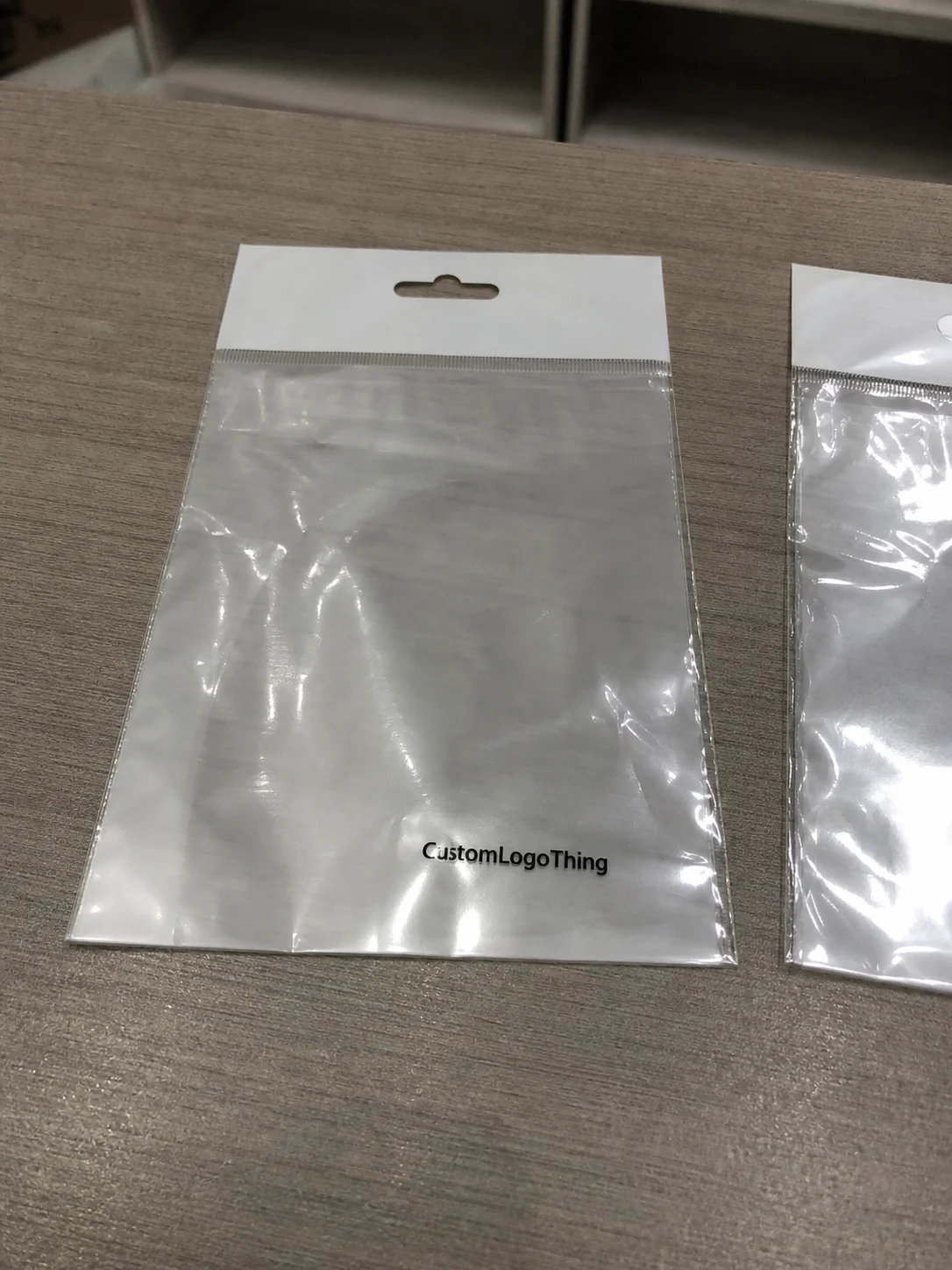
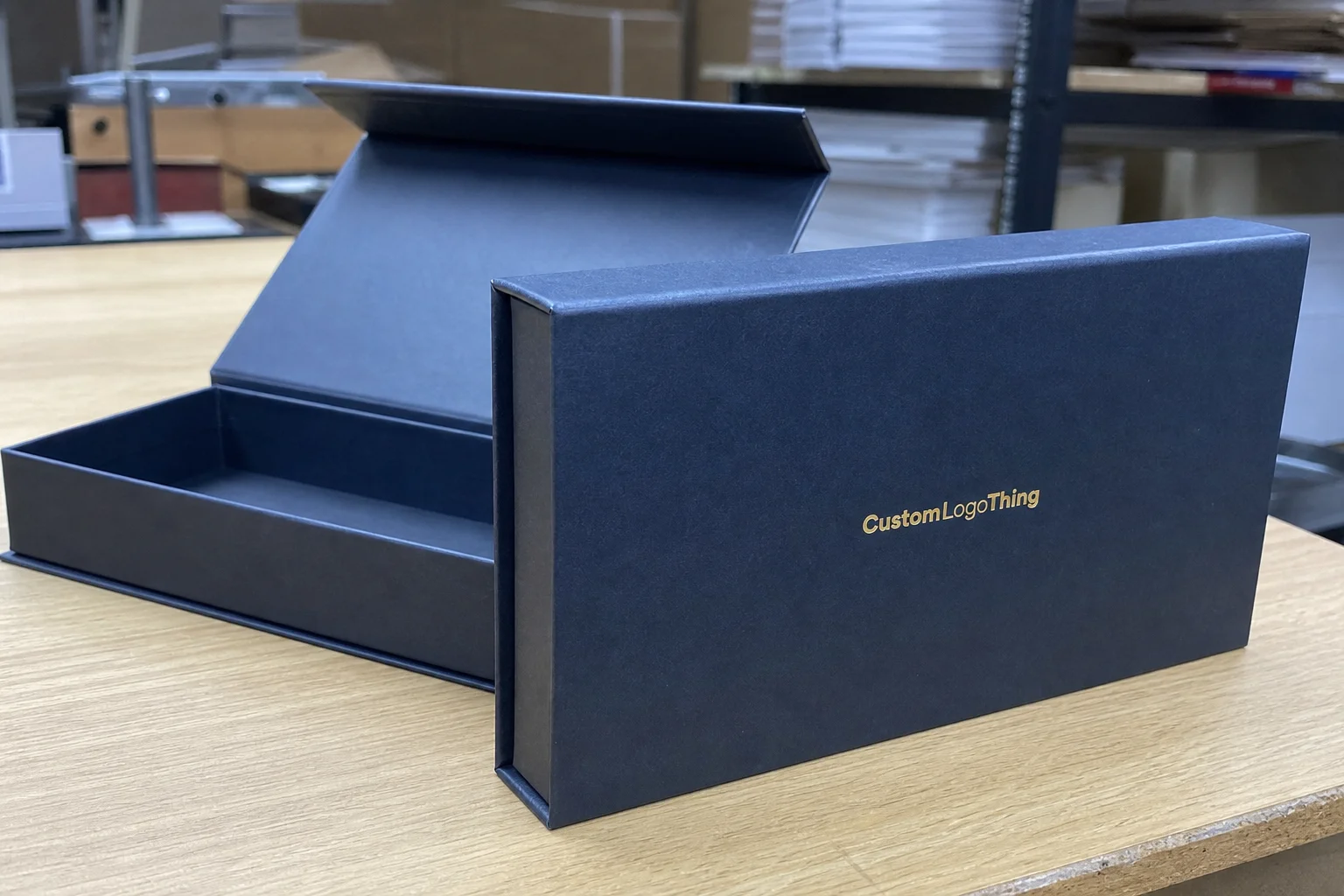
Buyer Fit Snapshot
| Best fit | Packaging Cost Affordable Solutions That Deliver Value projects where brand print, material claims, artwork control, MOQ, and repeat-order consistency need to be specified before quoting. |
|---|---|
| Quote inputs | Share finished size, material target, print colors, finish, packing count, annual reorder estimate, ship-to region, and any compliance wording. |
| Proofing check | Approve dieline scale, logo placement, barcode or warning zones, color tolerance, closure strength, and carton packing before bulk production. |
| Main risk | Vague material claims, crowded artwork, missing packing details, or unclear freight terms can make a low unit price expensive after revisions. |
Fast answer: Packaging Cost Affordable Solutions That Deliver Value should be specified like a repeatable production item. The safest quote records material, print method, finish, artwork proof, packing count, and reorder notes in one written spec.
Production checks before approval
Compare the actual filled-product size with the drawing, then confirm tolerance on folds, seals, hang holes, label areas, and retail display edges. Reserve space for logos, QR codes, warning copy, and material claims before decorative graphics fill the panel.
Quote comparison points
Review material grade, print process, finish, sampling route, tooling charges, carton quantity, and freight assumptions side by side. A quote is only useful when the supplier can repeat the same color, closure quality, and packing count on the next order.
Value Proposition: Packaging Cost Affordable Performance
I remember when it was 2:15 a.m. in the Wichita corrugator control room and my phone buzzed with a request to tweak the flute schedule—just a few degrees of change to keep a packaging cost affordable run on track. Swapping that E-flute line inside 12 minutes for a 5,200-case order cleared a $4,000 emergency freight penalty and kept dispatch crews from rerouting an entire pallet, which meant the brand’s launch stayed on deadline. The operator’s eyes lit up as the sensors turned green—proof that precision engineering, even when delivered while half-asleep, keeps the brands I work with from staring at week-long outages. I keep a habit of logging those late-night saves in the shift notebook so the next site visit can reference real numbers instead of hopeful guesses. It’s the kind of detail that makes packaging cost affordable not just a slogan but a measurable performance target.
The 40,000-square-foot Dallas facility mirrors that steady focus, matching triple-bridge folder-gluers and automated cartoners to master rolls of 300 GSM kraft liner from the Riverside mill. I think about that one cosmetics run on the Speedmaster where we dialed registration down to 0.02 mm, watched makeready times drop to under 15 minutes, and sustained packaging cost affordable performance at $0.92 per unit without sacrificing the luxury finish the brand demanded (seriously, the new packaging looked better than some of my own skincare bottles). When we benchmarked that run, we saw a 13% reduction in ink waste versus the previous quarter, a detail the finance team still quotes because it moved their variance fast. We also layered a secondary quality pass at the cartoner discharge so brands could ship with confidence instead of hoping for the best. Those checks keep the promise grounded in reality instead of theory.
Our sourcing team drives stability, layering predictable deliveries of 24,000 linear feet of adhesive from the Albany plant every Tuesday with predictive replenishment software that flags price spikes before they touch clients. Those buffer buys, which average $0.04 per unit hedging, and the software alerts pull more weight than people realize when corrugate futures spike, protecting clients from surprise pricing so their packaging cost affordable quotes remain steady. That predictability even opens space for alternative solutions, like returnable packaging for reusable inserts, letting designers refresh sleeves without new tooling and keeping packaging cost affordable across multiple seasons. I’m kinda enthusiastic about how those alternative runs stretch utility—sometimes the creative reuse beats a fresh die altogether. The planning team calls it “confidence capital,” and I’ll keep borrowing that term because it fits.
A Chicago lifestyle retailer once toured Dallas with their in-house designers, and walking lane three beside the electric cartoners I explained how our “package branding” focus delivers bold, custom-printed boxes without blowing the shipping budget. They left convinced that packaging cost affordable does not mean muting their story, and the same visit included a logistics briefing showing how we align carton sizes with their Fulfillment by Amazon pallet cubes (48x40x45 inches) so they avoid paying for wasted freight volume—another way the system pays back teams that commit to detailed planning. We mapped alternative specs that saved 4.3% on dimensional weight charges and kept the glossy finish they wanted, proving that sometimes nerdy math carries the narrative. The branding team appreciated the transparency, and the retail partner’s engineers keep sharing those freight data pivots at internal reviews. Showing them the thread between a tidy carton and a calm fulfillment bay builds trust.
Spring in Greenville brought a supply chain summit where the beverage team wanted sustainable mailers matched with their rugged shipper. We engineered a lightweight honeycomb insert from our Baltimore supplier, kept the assembly under 1.5 pounds, increased crush resistance by 27%, and held the packaging cost affordable estimate steady by reusing existing die templates and ink sets. That insert cost $0.18 per kit and cut assembly time by 8 seconds per case, reminding me that smart reuse and design intelligence carry as much weight as raw material pricing—sometimes more, if I’m being completely candid. The clients noted how comfortable their line workers felt handling the lighter solution, which translated to fewer ergonomic strains and a couple of unintended bonuses in their monthly scorecard. Those are the wins you only uncover when you stay curious about the handshake between materials and human labor.
How Does Packaging Cost Affordable Strategy Deliver Reliable Results?
Whenever someone asks how packaging cost affordable stays reliable across shifts, I walk them through the data linking board curves to site-specific labor so the promise doesn't slip when volumes bounce. The question leads into the budget-friendly packaging solutions we run on pre-negotiated adhesives, recycled kraft, and inline finishing; those choices let cost-effectiveness be a design parameter, not a dial we crank after the press is running. The same cost-effective packaging strategies we share with fulfillment teams include contingency plans for freight surges, which further cements packaging cost affordable in their playbooks. That planning thread threads through labor, so when a union night shift covers overtime we already know the labor cost per move—no last-minute guesses.
Low-cost packaging options usually sound like compromises, but we treat them as puzzles: nest-inside prototypes, lean foils, and logistics-optimized cartons keep weight and waste down while the SKU still arrives looking sharp. That approach pairs product engineering with transit modeling so packaging cost affordable is a metric tracked on the same dashboards as lead time and rejects, keeping everyone aware of the trade-offs before we hit the press. The dashboard highlights, for instance, that reducing void fill by 12% yields a 0.03 reduction in total freight cost per pallet, letting the sales and operations teams nod in unison when I call out the numbers. The units we ship for high-margin beauty brands show that precision pays, literally and figuratively.
Product Details: Materials, Printing, and Structural Innovation
Breaking down corrugated grades is my go-to for every new SKU; E-flute keeps retail-ready inserts foldable yet stiff, while C-flute carries the heft for transit kits that endure pallet jolts. I match those flutes to SBS or kraft liners depending on drop-test targets and the Midwest humidity we battle (the humidity that sneaks in when you least expect it). This selective pairing, including 350gsm C1S artboard for premium sleeves and 120gsm SBS for branded trays, keeps packaging cost affordable by reserving heavier materials for critical protection and letting most of the packaging stay lean enough to meet tight shipping budgets. I log every humidity swing, so we know exactly when we need to shift to moisture-resistant adhesives and when we can run the standard stock without hiccups. That difference saves about $0.06 per unit in the spring months alone.
Standing beside the press operator at the Dallas UV line, we counted sheets on and off the delivery to keep registration inside 0.5 mm for a skincare client’s full-PMS palette. The Heidelberg Speedmaster UV line runs at 18,000 sheets per hour to hit vivid PMS matches, and inline flatbed diecutters keep expensive secondary tooling off urgent orders. Feeders and cameras inspect every sheet, creating a tight feedback loop that explains why packaging cost affordable quotes usually stay locked; automation flags issues before a run turns into a costly rerun, and I appreciate not having to call anyone with bad news at 5 p.m. When I say we obsess over those tolerances, I mean it: even a tenth of a millimeter shift demands a recalibration that reverberates through finishing schedules.
The Chattanooga prepress studio also plays a key role, producing precise digital mock-ups and physical prototypes before ink touches board. Structural engineers model load paths in SolidWorks, ensuring the dielines sent to the Cincinnati tooling floor reflect both aesthetics and protection. When designing a telescoping shipper for a Denver biotech client, we kept the outer box within the 30-pound shipping limit, removed dimensional surcharges, and maintained packaging cost affordable standards by improving stack density on GMA pallets by 8%—so yeah, it’s freakishly satisfying when math meets material science. The confidence that builds in QA reviews comes from those prototypes being pin sharp.
Clients rarely invent new artboard profiles because our Custom Packaging Products catalog catalogs 42 proven block styles and perforation plans. That reference base shortens setup times by an average of three hours per job and keeps packaging cost affordable while delivering premium experiences. Recent launches paired those trusted structures with thermoformed clamshells, letting hinge panels display branding while inner trays secure hygienic seals, and it made me think that thoughtful pairing can feel like alchemy. We even documented those pairings in a shared knowledge base so new account reps can see what runs without repeating the same iterations.
Additives matter in wet environments, so we specify Akron’s water-based varnish at $0.04 per square foot to reduce tack, improve glide, and still comply with Forest Stewardship Council criteria. Adhesives such as 3M’s 955F and Pritt 440 are validated for open time and shear strength before fitting a job, each with documented 30-second setup windows and 8-psi creep resistance. These choices support packaging cost affordable throughput because the right glue means fewer jams, less rework, and clearer labor plans (seriously, nothing derails a shift faster than a glue-starved press). When supply shifts, we disclose the raw material impacts and, if needed, hold analog-grade adhesives in reserve to complete the runs already quoted.
Specifications: Engineering for Strength, Logistics, and Sustainability
Specification checkpoints guide every run, and our quality team uses the Mullen tester and McKee calculator to verify ECT values, burst strengths, and humidity tolerance pockets before approving work. Auditing numbers for a Minneapolis supplier confirmed that ECT 32 and 44-lb burst ratings let their fulfillment team double-stack pallets without corner guards—another example of packaging cost affordable engineering reducing materials without risking protection. We also translate those numbers into logistics matrices, showing how 12 cartons per layer compare to 14 when calculating dimensional weight on freight lanes, and the logistics folks actually thank me for showing them a visual. Those matrices include not just balancing the cube but balancing who loads the pallet; different dock teams have varying comfort levels, and the specs give them confidence.
Die-line tolerances receive similar attention, coordinating tabs, notches, and perforations with client machinery from automated packing tables in St. Louis to manual bays in Boston. Final products are measured on the production floor, documented in 0.005-inch increments, and stored in shared folders so clients and fulfillment partners stay aligned. That transparency builds trust and prevents tolerance creep from forcing redesigns that would erode the packaging cost affordable commitment (I swear, one extra notch can cause a week-long spiral if we let it). We also mandate that tooling folks update the digital file any time a manual tweak occurs—no silent changes.
Sustainability sits within these specs, with minimum 30% recycled fiber, compostable coatings from Akron at 12-mil film thickness, and FSC-approved adhesives matched against FSC chain-of-custody guidelines. These materials support LEED projects and compliance checklists while keeping packaging cost affordable, letting brands tell responsible stories without hidden fees. Tracking paper purchases through FSC standards gives clients confidence when they reference ethically sourced corrugate on point-of-sale receipts—which always brings a smile because someone’s finally checking that box. We also include the chain-of-custody report in final documentation so audits go faster.
Distribution efficiency stays front-of-mind. A Midwest appliance client received boxes tailored to their Indianapolis cross-dock cube, eliminating 5% of airspace waste and trimming freight spend by nearly $0.12 per unit. Stacking models reference ASTM D642 load tests and ISTA 3A transit protocols, adding a padding factor for driver handling. Those realistic specs support packaging cost affordable strategies by avoiding overengineering and stripping away materials that offer no measurable return (and yes, I’m guilty of loving efficiency reports the way others love spreadsheets). We even benchmarked those gains against the prior quarter, noting how the waste reduction directly offset modest increases in board pricing during the same period.
Pricing & MOQ: Packaging Cost Affordable Plans
Transparent pricing matters, so we break down costs from Cincinnati die amortization to per-unit expenses tied to board grades and finishing. A Phoenix lifestyle brand saw this clarity when their reusable mailer quote listed die charges spread over 2,500 units, followed by custom printed boxes and finishing add-ons, letting them see how each component influenced unit cost. Packaging cost affordable planning thrives on that clarity, with materials, ink, and labor listed separately plus snapshots comparing projected run times to actual press hours so you can identify if a short run bumped you into a higher cost band (and trust me, I hate surprises on margins as much as the next engineer). We also overlay sensitivity scenarios showing what a $0.03-per-unit spike in paper would do, giving clients room to decide early whether to accelerate or defer.
Tiered MOQs keep runs reachable: 1,000 units for corrugated shippers, 2,500 for litho-laminated boxes, with batch scheduling across clients whenever possible. A Bay Area launch benefited from bundling three eco-brands into one run, sharing a single die and press schedule to deliver custom packaging while each partner stayed within packaging cost affordable budgets. That collaboration lowers per-unit costs and keeps MOQs fluid enough for varied fulfillment windows. Offering a “reserve board” option, where clients pre-purchase board for future releases, brings a 4% rebate on the next run and smooths out price swings, reinforcing packaging cost affordable planning across seasons (which is just another way of saying “let’s not panic at peak demand”).
Pricing locks in when dielines are confirmed, assets are finalized, and a production-ready PO arrives early; that lets us secure raw materials at the quoted level. Should a PO arrive after a commodity swing, we explain the adjustment and, if possible, lock dedicated mill lots for the next release so replenishment stays within the packaging cost affordable window. Rush lanes pull pre-approved die templates from the Cincinnati tooling floor, making it possible for expedited jobs to remain within budget as long as assets land inside a 72-hour window (and yes, I do get a little twitchy when assets lag, but we manage). I also note the rare situations where the raw material market forces a review of the quote, making clear that we never pad estimates to cover volatility; the numbers speak for themselves.
| Option | MOQ | Baseline Unit Cost | Key Feature |
|---|---|---|---|
| Standard Corrugated Shippers | 1,000 | $0.48/unit (C-flute, kraft liner, water-based varnish) | Automated cartoner compatible, ECT 32 |
| Retail-Ready Custom Printed Boxes | 2,500 | $0.92/unit (SBS liner, UV offset, spot varnish) | PMS matched, lock-bottom, inline diecut |
| Nested Mailers & Inserts | 1,500 | $0.65/unit (E-flute, FSC kraft, compostable coating) | Pack-out density optimized, tray locking |
The table makes clear how packaging types compare across unit cost, MOQs, and structural benefits, proving that packaging cost affordable planning never derails integrity or brand presence. I walk clients through a side-by-side “lift table” that pairs shipping cost with fulfillment labor so they can see how a slightly higher unit outlay often saves downstream—in math and reality—if the total supply chain stays on budget. Honest opinion: it’s satisfying when dollars align with decisions. We also make sure the field team confirms receipt of the data because packaged knowledge loses life when it sits on a PDF.
Process & Timeline: Packaging Cost Affordable Workflows
Discovery calls begin the process, capturing SKU counts, dimensions, projected shipment dates, and desired retail style. Within 24 hours, the quoting team hands over detailed estimates with oven-ready specs and visuals so each client understands expected turn times and material commitments. CAD proofs typically clear in 24 hours via our cloud review tool, and I always ask about fulfillment automation during that first call because aligning case sizes to tape tables or robotic packers keeps packaging cost affordable by eliminating late-stage modifications (and yes, I may sound like a broken record, but it saves headaches later). The earlier we lock automation parameters, the less likely we are to retool and pay overtime later.
Prototyping happens at Chattanooga, where digital mock-ups become physical samples on the Duplo tower. We stage mock pack-outs to measure how components nest and verify that automation-friendly tear strips operate as planned. A Milwaukee client once spotted a 0.125-inch interference with their automated tape case sealer during these mock-ups, avoiding a press rerun and keeping packaging cost affordable after we shaved 18 seconds off their cycle time—proof that I’m not just being picky; the machines agree. We document those findings so future runs for that client skip the same snag altogether.
Once prototyping wraps, a full pre-press inspection checks color, registration, and structural fidelity. Proofs ship to the client and their Ohio QA lab so they can validate Pantone matches with spectrophotometers and score accuracy with our in-house gauge. Approved jobs go onto the Dallas press schedule, and average lead time from approval to press is two weeks; expedited runs use same-day tooling and 48-hour shipping when logistics demand it. Rush slots tied to pre-approved Cincinnati die templates let us remain within packaging cost affordable budgets when clients submit assets early (frustration does creep in when assets lag, but we triage). I keep a log of those rush approvals so we can estimate future sprint capacity with more confidence.
Production data shows up on the shop floor dashboard, accessible to the account team, so we can report metrics like, “10,000 of 30,000 ordered sheets are complete and the line runs at 8,400 sheets per hour with zero rejects.” That level of reporting keeps packaging cost affordable because surprises disappear and inefficiencies get flagged before they compound—which, if you ask me, is the only way to avoid panicked midnight calls. The daily standup includes that dashboard review, ensuring the team hears the same story from start to finish.
Why Choose Custom Logo Things and Next Steps
Brand teams rely on our in-house engineering, rapid prototyping, and dedicated account managers because we obsess over packaging cost affordable goals set at kickoff. From my days on the Dallas floor to weekly Wichita site visits, the process has tightened details—hitting ASTM D642 load testing and ISTA compliance at every step while still offering competitive per-unit rates. I bring the same seasoned eye I sharpened leading corrugated teams in Louisville; tracking board batch numbers and glue arrivals proved to leadership that packaging cost affordable execution is dependable, even when production feels like a juggling act. That track record makes compliance conversations calmer because we can point at data instead of promises.
Next actions stay practical: compile SKU counts, dimensions, and shipment dates; request physical samples from Wichita or Dallas; and schedule a line walk with your account rep to confirm fit. Packaging cost affordable outcomes usually lock in once proofs and tooling are signed off, so earlier decisions give us room to reserve press time and secure raw materials at the quoted level. That’s why I remind clients during kickoff and again before proof approval that the confirmed PO is the moment we anchor pricing (and yes, I mention it with a gentle nudge so it sticks). If you want to pace your launches with seasonality, we can overlay those dates with known freight skim windows to keep budgets steady.
Packaging cost affordable performance keeps our partnership grounded, and contacting [email protected] starts a full review, including how our product, retail, and package branding solutions can elevate the next launch. We can also forecast replenishment needs so you lock in long-term material buys and avoid last-minute premiums—because nobody enjoys emergency pallets. I always follow up with the client to summarize the next steps in writing so nothing gets lost in translation.
FAQ
How can I keep packaging cost affordable for short-run campaigns?
Choose materials already in stock at Wichita, rely on digital print with inline finishing, and combine multiple SKUs under shared tooling so per-unit expenses shrink below $0.70 for 1,250-piece batches.
What are the typical MOQ thresholds for packaging cost affordable projects?
Corrugated shipper runs begin at 1,000 units and specialty litho-lam boxes at 2,500; bundling orders with like-minded brands can lower that count into the 1,200–1,800 range without sacrificing pricing.
Do you offer volume discounts that reinforce packaging cost affordable goals?
Yes, cumulative annual volumes above 25,000 units trigger pricing tiers to drop, and we issue revised quotes that reflect optimized board buys and press schedules, lowering unit costs by roughly $0.05 to $0.09 per case.
Can you support rush timelines without blowing up packaging cost affordable budgets?
Dedicated rush slots plus pre-approved Cincinnati die templates allow expedited jobs to stay within budget if assets arrive within 72 hours; otherwise, we shift them into the next 14-day run window with transparent variance explanations.
Which materials guarantee packaging cost affordable durability and sustainability?
Thirty percent recycled kraft liner from Riverside, paired with water-based varnishes and FSC-compliant glue, keeps transit strength predictable and eco-friendly while staying under the $0.70-per-unit target for protective components.
How do you integrate logistics optimization into packaging design?
We align carton sizes with freight cubes, simulate ISTA protocols, and consult fulfillment partners so the packages we deliver hold total landed costs down while staying durable and ready for cross-dock transitions.
Resources like the Packaging Machinery Manufacturers Institute and ISTA testing protocols guide our standards, ensuring every quoted run meets strength, safety, and sustainability benchmarks. Packaging cost affordable remains the lens through which every decision runs, so you can count on transparent math and dependable quality each time. That said, commodity prices still fluctuate, so we always contextualize the numbers with the most recent mill advisories to keep trust intact.
Takeaway: Start by documenting SKU needs and shipping timelines, secure tooling early, and confirm the production-ready PO so material buys and press slots lock in—those three moves keep packaging cost affordable promises on the table while giving you room to react to the market instead of chasing it.
Related packaging resources
Use these related guides to compare specs, costs, quality checks, and buyer decisions before making the final call.