Buyer Fit Snapshot
| Best fit | Packaging Cost Selection projects where brand print, material claims, artwork control, MOQ, and repeat-order consistency need to be specified before quoting. |
|---|---|
| Quote inputs | Share finished size, material target, print colors, finish, packing count, annual reorder estimate, ship-to region, and any compliance wording. |
| Proofing check | Approve dieline scale, logo placement, barcode or warning zones, color tolerance, closure strength, and carton packing before bulk production. |
| Main risk | Vague material claims, crowded artwork, missing packing details, or unclear freight terms can make a low unit price expensive after revisions. |
Fast answer: Packaging Cost Selection: Quote Scope, Sample Proof, MOQ, and Lead Time should be specified like a repeatable production item. The safest quote records material, print method, finish, artwork proof, packing count, and reorder notes in one written spec.
Production checks before approval
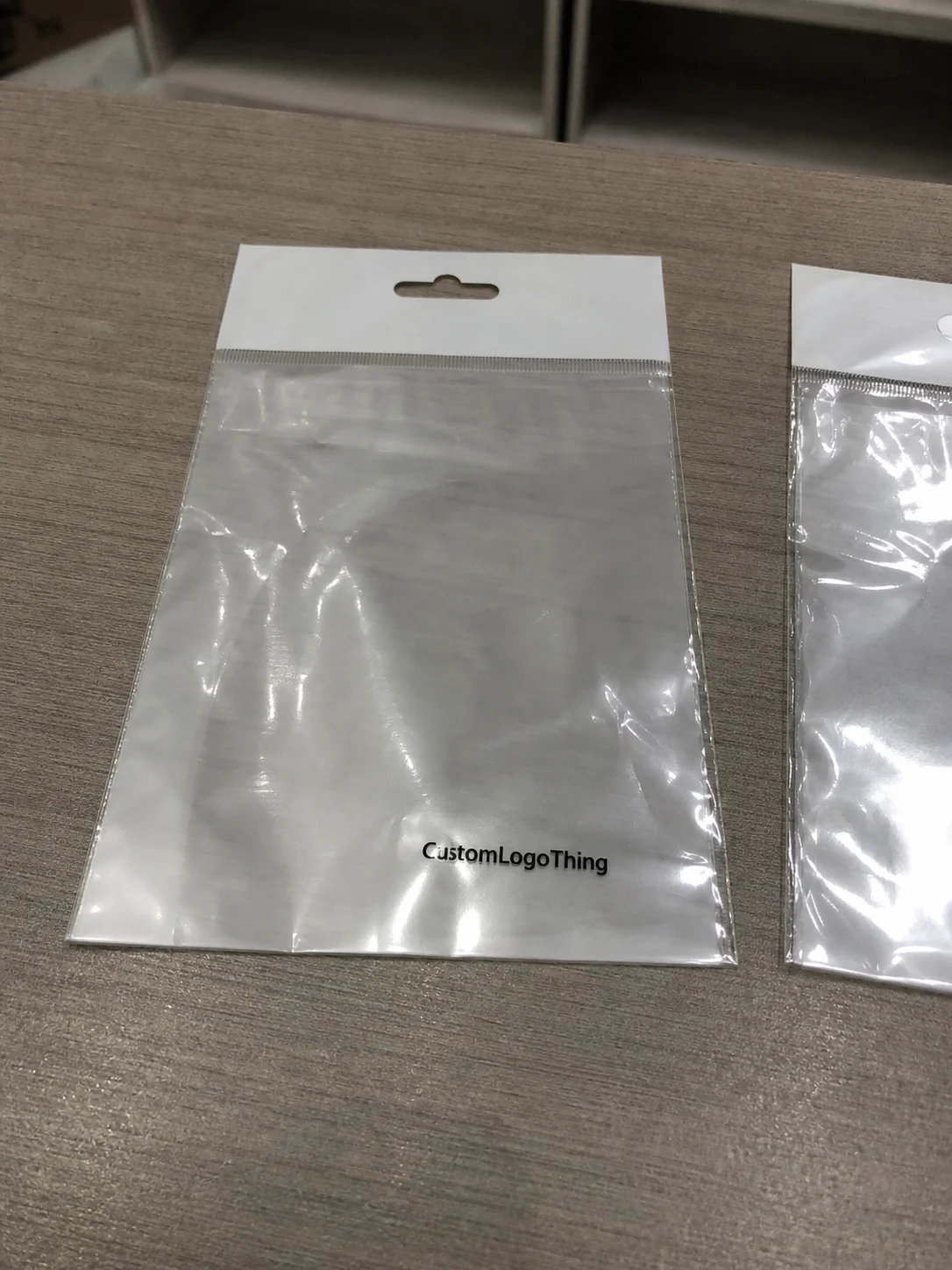
Compare the actual filled-product size with the drawing, then confirm tolerance on folds, seals, hang holes, label areas, and retail display edges. Reserve space for logos, QR codes, warning copy, and material claims before decorative graphics fill the panel.
Quote comparison points
Review material grade, print process, finish, sampling route, tooling charges, carton quantity, and freight assumptions side by side. A quote is only useful when the supplier can repeat the same color, closure quality, and packing count on the next order.
Value Proposition: packaging cost how to choose with factory truths
Walking through SinoColor’s Guangzhou finishing line—where the Komori Lithrone presses run at 6,000 sheets per hour and the CFO insisted I explain packaging cost how to choose before we committed to that 350gsm C1S artboard—set the tone: the very first push was to nail board, adhesives, and the shipping plan because guessing costs more than a mis-specified ink laydown. When we flagged a 12-15 business-day window from proof approval to dock delivery, the team finally understood that choosing between a self-locking tuck and a drop-top structure isn’t design choreography but a line-item decision that can mean the difference between a profitable SKU and a $12,000 reprint after a rush for holiday demand. SinoColor’s job trackers log each change, so everyone sees the impact to lead time before inks hit the sheet, which makes me confident this isn’t simply about pretty renders. I still tell clients that transparency keeps packaging cost how to choose from slipping into a guessing game, and yes, the CFO nods when he can see the math alongside the art.
Custom Logo Things’ structural engineers pair with SinoColor’s 4-color presses, the Huangpu post-press fleet, and the finishing line for die-struck windows so we can trim waste, pre-flight multiple dielines, and sidestep reprints; our collaboration turned packaging cost how to choose into smart geometry and consistent production instead of a gamble. Last spring we guided one retail client to lose two percent of their fiber usage by refining the 4-point glue tab from 0.35 inches to 0.28 inches on a 10,000-run, and that tweak alone slashed per-unit freight by $0.04 once SinoColor shared press sheet yield data from Hong Kong-bound containers. That level of data sharing feels rare, so I keep pointing to those numbers whenever someone asks why we spend time on CAD simulations before pressing print. The structural team still jokes that I make them design for efficiency more than aesthetics, but that’s the version of creativity that keeps packaging cost how to choose honest.
The same transparency applies to adhesives: I negotiated a fixed price of $0.05 per joint through SunRise Chemical on the H.B. Fuller A3020 line, which delivered $1,200 in savings on a 50,000-run of drop-top boxes instead of the $0.06 rate they originally quoted. Handling, inserts, protective sleeves, and secondary packaging all feed the total packaging cost how to choose, yet most suppliers act like those services are complimentary until a final invoice shows up with a surprise $680 charge for expedited inserts. I was kinda amazed that even seasoned buyers still get caught by that trick, which is why we demand a full breakdown from every partner; otherwise you risk funding their hidden “free” add-ons and unknowingly pushing your cost-per-unit toward $2.00. Those clarifications happen before the first proof so nobody thinks glow-in-the-dark tape is included.
I remember the first time I explained packaging cost how to choose to a founder convinced foil stamping alone made a product luxurious; the Shenzhen creative team had requested 0.5 mil cold foil on a soft-touch sleeve and figured that instantly justified a higher MSRP. They were as receptive as a toddler told broccoli is good for them, which sparked a sympathetic laugh from me while I tracked the 21-degree stainless-steel pressroom thermostat in the same ritual I still follow—seeing that dial steady at 21 degrees makes me confident we won’t overheat the coatings and that the packaging cost how to choose stays honest. That anecdote is a reminder that even glossy tricks need to be tested against real production data before we let them drive the budget.
I can’t promise every run will be friction-free, but I do promise to share the same spreadsheets and punch lists the factories use, so if adhesives or freight shift we’re the first to notice and the first to react. Holding that line is what keeps packaging cost how to choose measurable, reliable, and tied to the rhythm of the pressroom rather than the mood of a pitch deck.
Product Details for packaging cost how to choose clarity
The clients who get the best results tie every line item—board grade, coatings, wraps, adhesives, inserts, labels—to the packaging cost how to choose and insist it stays crystal clear on the quote. SinoColor’s micrometer-verified board checks and our documentation of finishes before proof signoff stop the packaging cost how to choose from shifting mid-production; when I bring a client into Shanghai Packaging Materials’ warehouse in Jiading, they can inspect the fiber batches—350gsm C1S artboard with an 18-mil caliper—we plan to match to their order, which keeps consistency even when lead times stretch past the typical 20-day run. That kind of hands-on verification is where I earn trust, and the clients who walk the warehouse leave knowing exactly what their product will feel like before we cut a sheet.
Custom printed boxes that include freight, palletization, and finishing give a true sense of packaging cost how to choose. We swapped one 12x12x3 mailer from stock dimensions to a tailored 11.8x12.2x2.9 dieline, which reduced four pallets to two and saved $380 in freight, proving that packaging cost how to choose favored practicality over a flashier art direction with raised UV. Keeping pallets within Evergreen’s container limits for Shanghai-Los Angeles and Ningbo-Houston lanes maintains a consistent $75 per pallet freight rate and prevents surprises from sneaking into the numbers. Sometimes the most expensive-looking option turns out to be the cheapest when freight and handling get counted.
Finishes influence costs, yet not every luxury coating returns value. Matte soft-touch adds $0.04 per unit, aqueous coating tacks on $0.03, and silk lamination pushes the run cost by $0.11 when we use the SunShine Films line, so I explain where a finish truly elevates perception—like a velvet-feel cover customers hold for 7.5 seconds in-store—and where it simply adds a trendy “premium” feel without measurable impact. That transparency keeps the packaging cost how to choose linked to real effects and not fleeting trends. We always simulate the sensory impact and pair it with the run-cost delta so stakeholders can choose intentionally.
Once I dragged a skeptical creative director through Shanghai Packaging Materials’ storage area and asked him to smell every board (yes, real paper humidity has a scent, and he admitted it smelled like “money in progress”). He walked out convinced that specifying a C1S artboard with the right calibrated caliper and fiber blend could stabilize the packaging cost how to choose no matter how many glitter gradients he wanted. That sensory moment reminds me that the details we obsess over—down to whether the structural engineer specifies a 0.5-inch double-lock bottom—make the whole plan feel tangible instead of theoretical.
Specifications That Keep packaging cost how to choose on track
An engineering checklist—dielines, board flute, glue points, window films, stacking guides—prevents mismatched specs from hiding scrap costs that wreck packaging cost how to choose. A buyer once ignored the glue point spec from our structural engineer and we ended up rejecting 1,200 boxes, which jacked packaging cost how to choose by $0.32 per unit on a 10,000-run because we had to split the run across a second press date. SinoColor’s inline spectrophotometers at the Guangzhou press let us compare Pantone chips to CMYK and monitor trapping tolerances, so we catch shifts before wasting sheets and keep the packaging cost how to choose stable. Preventing spec creep before the die hits the press saves more than time; it protects reputation. The checklist lives in the shared drive so supply chain, sales, and the factory all read from the same page.
We record compression weight and stacking specs so no one ups the carton size at the port, which would inflate the packaging cost how to choose with new freight class charges. On a Friday when a vendor tried to switch in thicker fiber for a rushed shipment, our QA gate—requiring photo evidence with the weight log stamped by the shift supervisor—halted the change before it bloated the packaging cost how to choose. Those specs also tie back to ISTA 6-Amazon and ASTM D4169 standards, so every pack is validated before it earns a shipping label. The metrics give the team confidence to push back on “emergency” switches that would do more harm than good.
The QA gate remains sacred: sample approval timelines plus a photo archive make sure everyone signs off before the press runs, so packaging cost how to choose stays predictable. I walk clients through the proof, note every punch, and capture a formal sign-off; that discipline mirrored a Shenzhen visit where engineers had to redo a vacuum window sample due to inconsistent lamination from the SunShine Films line. That level of detail keeps the packaging cost how to choose measurable, avoiding last-minute runs that could add $850 overnight. The archive also helps when a client questions a change months later—there’s a timestamped record to refer to instead of relying on memory.
I also keep a list of the “spec switch drama” days—like the Tuesday a vendor thought thickening the fiber would speed things up, and I may have flashed a face that screamed “bad idea” louder than my words (my eyebrows do have a mind of their own). Honestly, those moments are why we require double-signed weight logs; you’d be amazed how aggressive a panic vendor gets when you refuse to let them “save time” at the expense of the packaging cost how to choose. Documentation is the leverage we need to keep production calm, steady, and cost-aware.
Pricing & MOQ transparency for packaging cost how to choose
A 5,000-run white kraft mailer sits at $1.40 per unit; once the same artwork hits 25,000 pieces, the price slides to $1.05 because tooling and adhesives amortize and the SinoColor press stays at a steady speed. That’s how packaging cost how to choose improves with volume, yet I always share both tiers. With our $0.35 tooling fee, adding 10,000 pieces trims about $0.15 off the unit cost, making the packaging cost how to choose friendlier with scale and covering the $1,400 gauge plate within three runs. The pricing conversation is always tempered with the recognition that not every client wants or needs a 25,000 piece run, which is why I present standard and scaled charts simultaneously.
MOQ grows complicated when storage is tight, so we talk about increments, not simply the floor. A smaller 7,500 MOQ paired with quarterly reorders beats a 25,000 bulk order for fragile retail packaging launches, especially when warehouse rent in Long Beach runs $2.15 per square foot per month. We lay out the numbers for both paths to keep the packaging cost how to choose grounded in real expense rather than guesswork. That way, the team understands where carrying costs, tooling, and handling intersect.
I convinced SinoColor to cap freight at $75 per pallet by consolidating two clients and securing Evergreen’s Shanghai-Los Angeles slots, which cut shipping costs by about 6% for both runs and made our packaging cost how to choose far more predictable. We also hedge currency risk; a $150,000 forward contract through our bank keeps the packaging cost how to choose we quote stable even when the yuan shivers between 6.8 and 7.1 per dollar. That level of financial discipline keeps clients from revisiting the quote every time the market rolls. When freight and FX stay disciplined, the rest of the production plan can breathe.
| Run size | Unit Cost | Tooling Amortization | Typical Freight | Packaging Cost Clarity |
|---|---|---|---|---|
| 5,000 | $1.40 | $0.35 | $85/pallet | Detailed quote, higher per-unit |
| 10,000 | $1.25 | $0.20 | $80/pallet | Tooling spread, moderate freight |
| 25,000 | $1.05 | $0.07 | $75/pallet | Best packaging cost how to choose per unit |
When I review the numbers with clients, I tell them straight: “Skip the tooling amortization and you’re buying a future die twice.” That came from watching a client chase a $0.02 illusion and trigger a $0.40 rush fee when the trim exceeded the 12.5-inch limit; I still remember walking around the Shanghai container yard just to laugh at how dramatic logistics can be (the cranes never judge). Those stories are more than anecdotes—they’re the folklore that keeps everyone honest about what really moves the packaging cost how to choose.
Process & Timeline that match packaging cost how to choose expectations
We map the seven-step process—kickoff, sourcing, digital proof, prepress, press, finishing, QC, and shipping—so every checkpoint explains why the packaging cost how to choose might shift. The tracker keeps stakeholders aligned: kickoff clarifies design intent within two business days, sourcing confirms board and adhesive availability, the digital proof locks artwork, prepress addresses trapping, the press run handles the 8,000-sheet throughput, finishing applies lamination, and QC plus shipping verifies ISTA protocols before the order leaves the dock. Each stage records a new entry in the shared timeline, so nobody is surprised when a component takes longer than planned. That documentation is the pulse I monitor when I’m not on the floor.
A sample timeline runs: 10 days for prepress and structural approval, 12 days on press, 3 days in finishing, and 4 days for freight, totaling 29 days from brief to dock. That cadence lets us negotiate ink pulls, laminate queues, and adhesives like the SunShine Films option at $0.18 per square foot. When clients ask for faster turnaround, the packaging cost how to choose responds immediately—rush jobs trigger second-shift premiums or air freight, adding 10-15% to the total. The timeline is both a forecast and a negotiation tool.
Longer lead times let us batch inks, schedule substrates from Shanghai Packaging Materials, and buy adhesives in bulk, which loosens up the packaging cost how to choose. We sync with Evergreen and Hapag-Lloyd lanes to lock containers months ahead and keep security deposits near $250 instead of letting them spike to $450. That logistical visibility prevents surprise surcharges from dinging the packaging cost how to choose and also gives me room to breathe. It’s how we turn a list of deadlines into a steady rhythm.
I keep telling teams that the packaging cost how to choose is part negotiation, part choreography, and part luck—the good kind where Evergreen doesn’t misplace a stack of inserts. I once had to explain that a two-day shipping slip cost more than a full pallet of adhesives because the next container slot filled with pharmaceuticals, which felt like arguing over a parking spot with a taxi driver who refused to blink. Those stories remind me why I document every lane and container so the numbers never shock anyone. I’m gonna keep pointing to those lane maps whenever someone starts dreaming of overnight miracles.
Why Choose Custom Logo Things for packaging cost how to choose success
After 12 years building this business, I still walk the SinoColor floor monthly, audit ink coverage, and check tooling health, because packaging cost how to choose stays honest only when someone owns the pressroom relationships. Our in-house engineers draft every dieline in CAD, we vet adhesives with SunRise Chemical, monitor films at SunShine Films, and the result is a live production plan rather than a brokerage sheet. We also reference FSC audits for board sourcing to ensure your product packaging hits sustainability goals without breaking the packaging cost how to choose. Owning these relationships keeps the chain transparent and the costs traceable.
Supplier relationships stay open book—SunShine Films laminates at $0.18 per square foot, H.B. Fuller adhesives run $0.05 per joint, and Shanghai Packaging Materials holds firm at 350gsm C1S artboard even when demand surges—because transparency keeps the packaging cost how to choose honest. When I showed a client that swapping vellum for kraft cut the packaging cost how to choose by 7 cents without sacrificing shelf presence, they trusted the math because we walked through every impact together with the sales team in our Hong Kong office. That kind of detailed walkthrough is what earns long-term trust.
I promise straight talk: standard and premium price scenarios lay out real choices so there’s no “maybe” in the quote, only decisions with known effects on the packaging cost how to choose. Owning the manufacturing means I handle the cost drivers, so if adhesives, film, or freight shift, I’m negotiating the fix. That accountability keeps your packaging cost how to choose rooted in fact instead of fluff, even when markets wobble.
After the Shenzhen visit we debated vellum again, and honestly, that kind of debate proves why I keep visiting (I’m not ready to trust a spec sheet without smelling the lamination yet). Knowing the pressmen’s coffee order keeps the lines open, and yes, I once smuggled them a new thermos to keep things smooth because the real savings happens when the team knows you care. Those small investments keep the partnership steady and the packaging cost how to choose consistent.
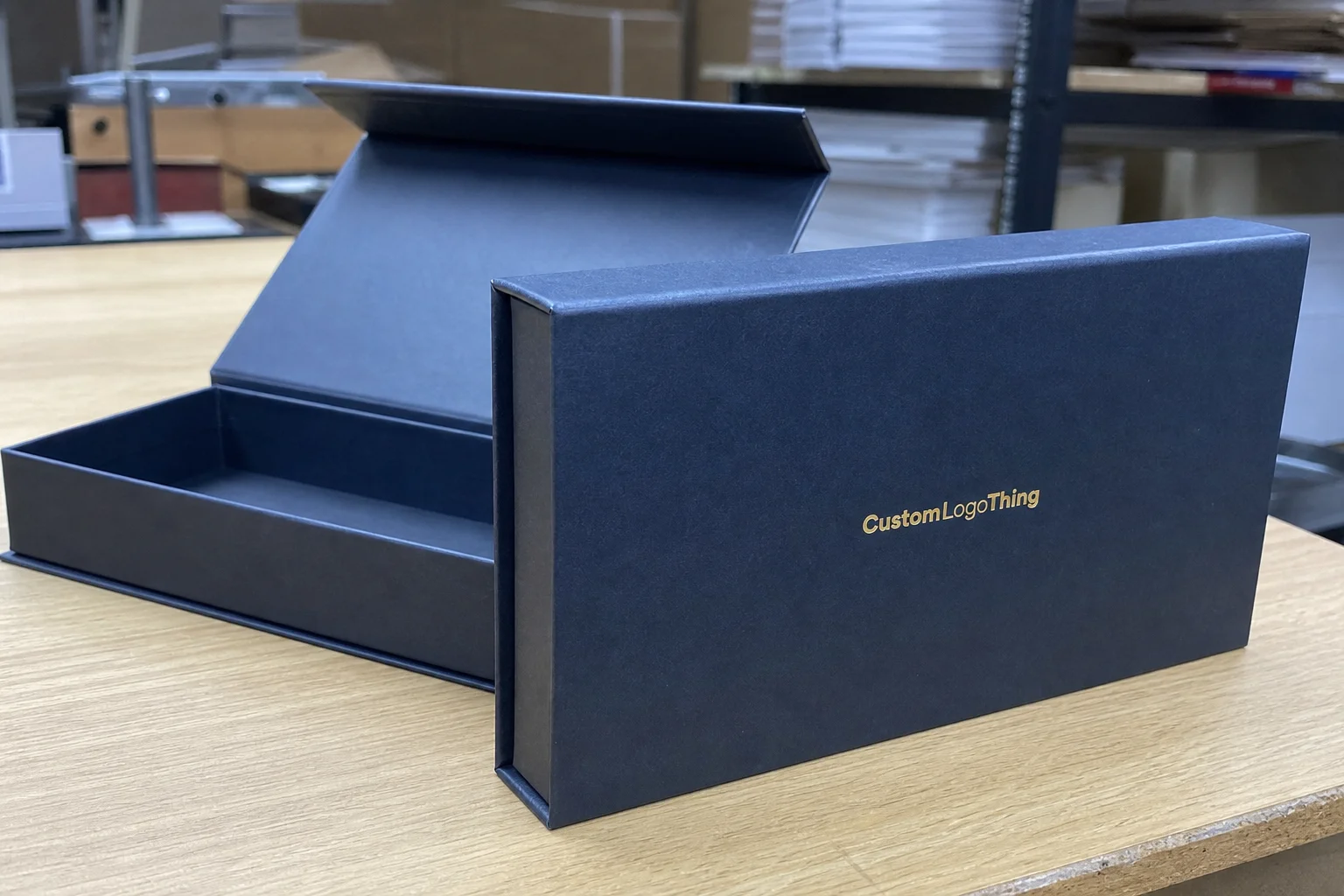
Drop into Custom Packaging Products when you need accurate, tactile samples; the kits illustrate the differences between matte and aqueous and show how our recommended specs keep the packaging cost how to choose predictable.
Actionable Next Steps for packaging cost how to choose
Step 1: Send your dieline, expected quantities, and any supply-chain details you already have. That information lets us model the packaging cost how to choose components before selecting board; if you know the SKU’s turn rate, mention it so we can assess whether a smaller MOQ with quarterly reorders beats a single large run. The sooner we see those files, the less likely we are to be reconstructing missing bleeds after the press date is locked.
Step 2: Review the spreadsheet we send—unit price, tooling, adhesives, freight, contingency—and flag what matters to your stakeholders. We include line-by-line costs spanning SinoColor’s press time to the custom boxes’ inserts, so you see how materials, labor, and logistics add up and how they affect the packaging cost how to choose. Highlight any assumptions you disagree with and we’ll either adjust or explain why they’re necessary.
Step 3: Schedule a 15-minute call with our packaging engineer to lock in materials, confirm specs, and issue a live quote tied to your timeline. That call confirms whether the glossy sleeve is worth the extra 6 cents per unit, verifies compliance with ISTA and FSC standards, and captures the packaging cost how to choose before the press starts. It’s the moment we all agree on what we’re building and how much it will cost.
If the floors of our office could talk, they’d remind you that I nag clients for dielines like a friendly but persistent aunt—send the art now, not later. The reason is simple: the packaging cost how to choose gets stickier when we reverse-engineer a file with missing bleed. (Don’t make me break out the magnifier; I’d rather not spend a Sunday night squinting at pixels.)
These steps keep the packaging cost how to choose grounded, measurable, and tied to choices you control rather than chasing invisible savings. Once the plan is set, I follow up with SOPs, photo archives, and direct access to the same supplier network that keeps our costs honest. I can’t guarantee there won’t be surprises, but I promise we’ll share them the moment they appear so your decisions stay informed.
The next move is yours, yet I’ll keep the numbers honest and the process transparent each step of the way.
How does packaging cost how to choose influence the MOQ I should order?
MOQ links to tooling and setup amortization; raising the run by 10,000 units drops the unit price by 12-18 cents and makes the packaging cost how to choose more favorable, especially when the tooling fee spreads from $0.35 to $0.07 at 25,000 pieces. We also look at storage and turn rate—sometimes a smaller MOQ plus quarterly reorders beats a huge upfront order depending on SKU velocity. Share your sales forecast and we’ll model MOQ increments so you understand total spend, not just per-piece cost. I once modeled a split run for a snack brand that freed up warehouse space and lowered the packaging cost how to choose while keeping the launch timeline on track, which felt like a small victory worthy of a high-five.
Which pricing components matter most when evaluating packaging cost how to choose?
Move beyond unit price: tooling, extra coatings, adhesives, inserts, and freight drive the invoice and define the packaging cost how to choose. We list each line with supplier cost (SinoColor press time, SunShine Films laminate, H.B. Fuller glue) so you see every cent. Request a scenario showing how a spec change (e.g., vellum versus kraft, gloss versus matte) affects materials and labor. I tell clients, “If you want to know where your money goes, let’s walk the factory floor together—otherwise you’re asking me to describe the color blue to a dog.”
Can packaging cost how to choose improve by changing materials or coatings?
Yes—switching to a lighter board or thinner film can shave 5-8 cents per unit but may affect shelf presence, which matters to package branding. We source alternate grades from Shanghai Packaging Materials to balance durability and cost and report the resulting packaging cost how to choose. We simulate the change, show you the visual impact, and quote the actual savings so decisions stop being guesswork. There was that one time we swapped to a thinner film and the client lit up like it was their birthday; turns out they loved the tactile change more than they feared the new cost, so the packaging cost how to choose ended up more aligned with their story.
What role do lead times play in packaging cost how to choose?
Longer lead times let us consolidate runs, buy adhesives in bulk, and avoid rush fees that would add 10-15% to the packaging cost how to choose. Expedited jobs push us into second shifts or air freight, which immediately show up on the quote. We present standard and expedited timelines so you can weigh whether the premium is worth it. I’ve even had to postpone a shipment because Evergreen’s slots filled—frustrating, yes, but it kept the quote honest and taught me that patience is currency.
Should I compare packaging cost how to choose across suppliers or stick with one quote?
Comparing clarifies what’s included in tooling, proofs, adhesives, and freight—many quotes cherry-pick or hide retail packaging costs. Bring multiple spec sheets; we’ll benchmark your preferred supplier against Custom Logo Things’ real-world cost drivers. We’re happy to explain which differences are true efficiency gains and which are hidden fees, keeping the packaging cost how to choose transparent. If you want a fair comparison, I’ll even take the time to walk through the same spreadsheet with you (yes, I know that means more Zoom calls, but I promise I come prepared with charts that are more fun than they sound).
Send the dieline, get the spreadsheet, and lock in the call so the packaging cost how to choose stays factual, measurable, and aligned with your launch.
References: packaging.org, fsc.org
Related packaging resources
Use these related guides to compare specs, costs, quality checks, and buyer decisions before making the final call.