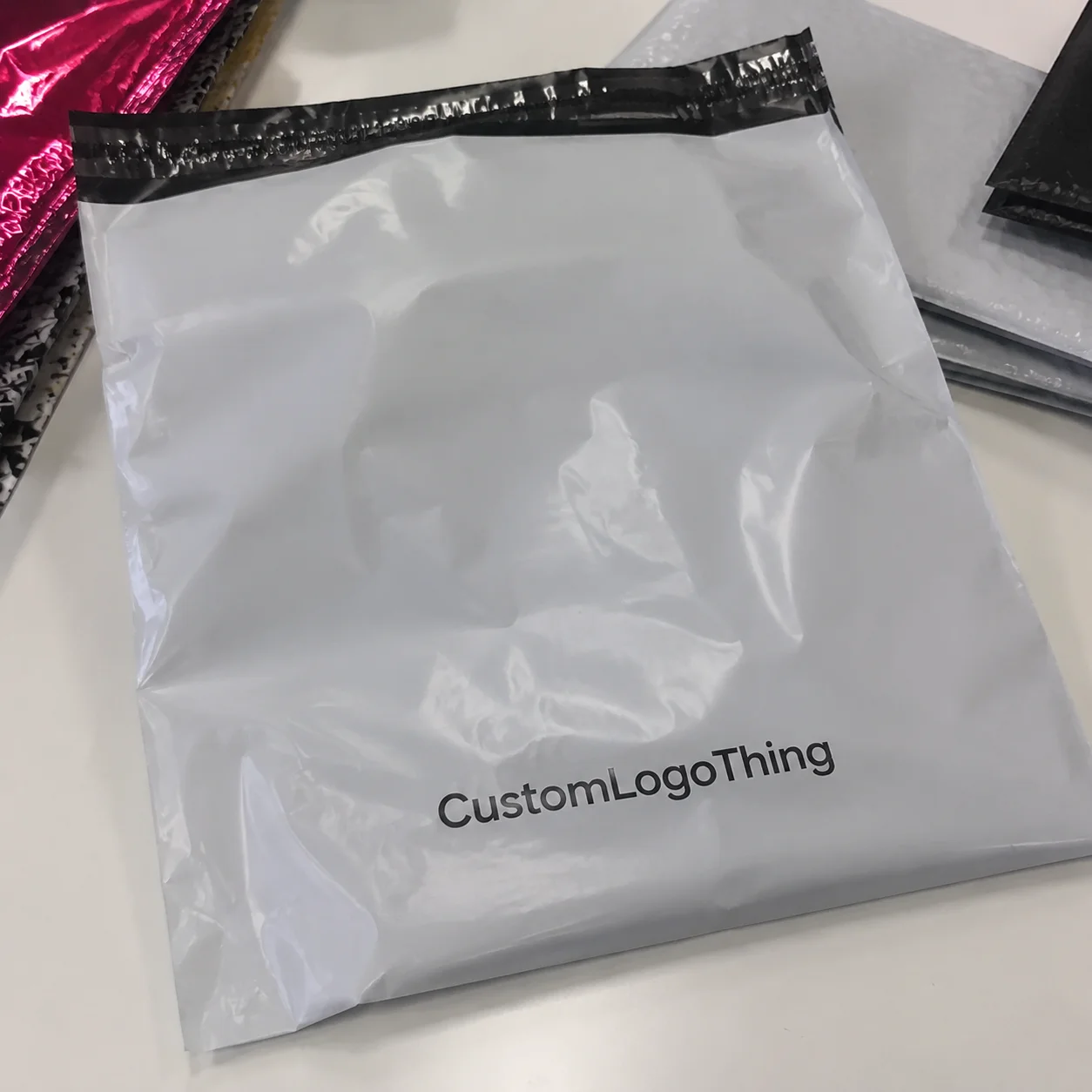
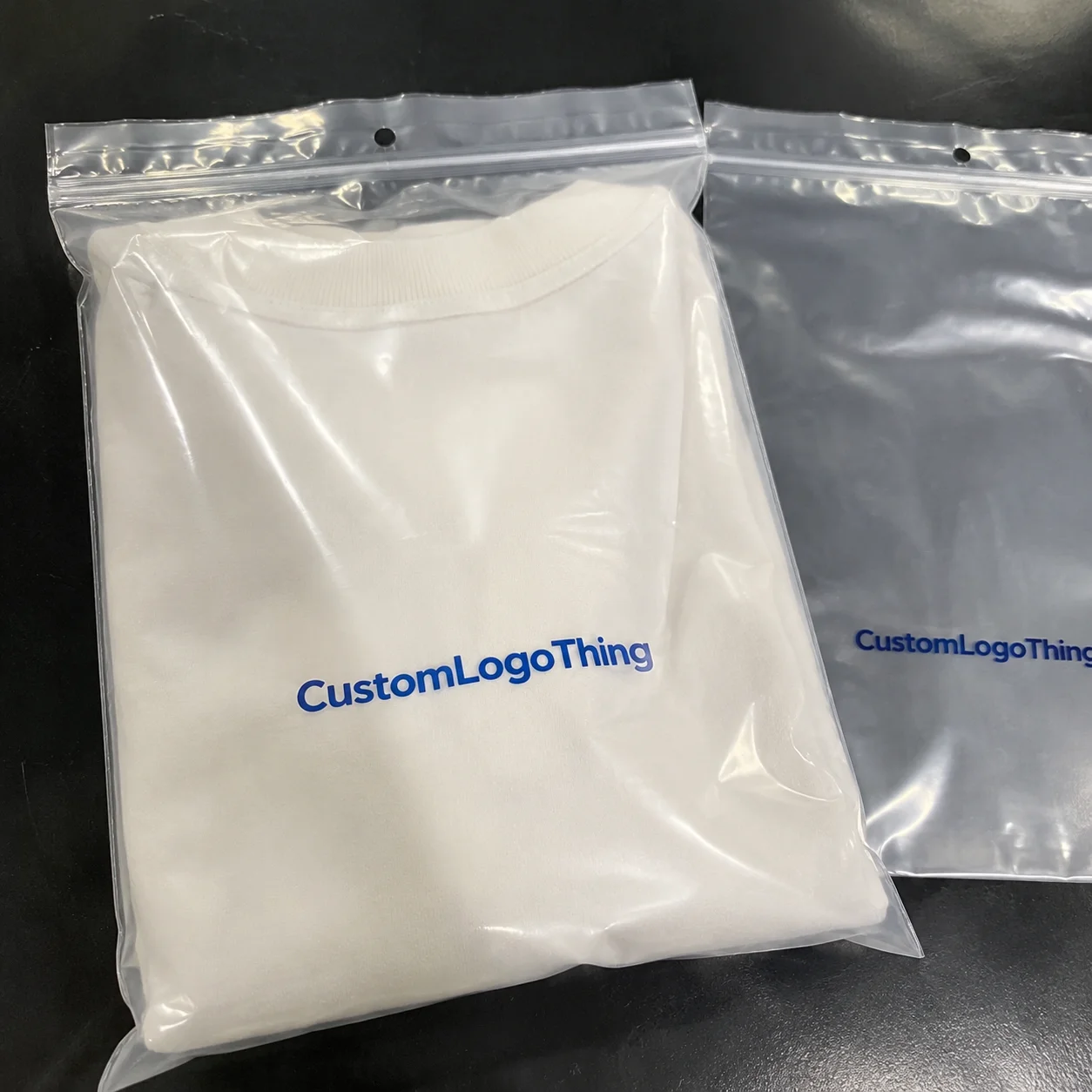
Buyer Fit Snapshot
| Best fit | packaging design comparison for packaging buyers comparing material specs, print proof, MOQ, unit cost, freight, and repeat-order risk where brand print, material, artwork control, and repeat-order consistency matter. |
|---|---|
| Quote inputs | Share finished size, material target, print colors, finish, packing count, annual reorder estimate, and delivery region. |
| Proofing check | Approve dieline scale, logo placement, barcode or warning zones, color tolerance, and any recyclable or compostable wording before bulk production. |
| Main risk | Vague material claims, crowded artwork, or missing packing details can create delays even when the unit price looks attractive. |
Fast answer: Packaging Design Comparison: Claims, Protection, MOQ, and Cost should be specified like a repeatable production item. The safest quote includes material, print method, finish, artwork proof, carton packing, and reorder notes in one written spec.
What to confirm before approving the packaging proof
Check the product dimensions against the actual filled item, not only the sales mockup. Ask for tolerance on folds, seals, hang holes, label areas, and retail display edges. If the package carries a logo, QR code, warning copy, or legal claim, reserve that space before decorative graphics fill the panel.
How to compare quotes without losing quality
Compare board or film grade, print process, finish, sampling route, tooling charges, carton quantity, and freight assumptions side by side. A lower quote is only useful if the supplier can repeat the same color, closure quality, and packing count on the next order.
Packaging Design Comparison: Why It Matters
Stepping onto the Custom Logo Things West corrugator line during my first week, I watched a packaging design comparison between two snack-box concepts keep us from shifting the whole run to a heavier board; noticing that E-flute came in at $0.15 per unit for 5,000 pieces versus the $0.25 rate on B-flute and knowing the 12-15 business day lead time from proof approval, the plant avoided an entire shift of downtime and the moment proved why the comparison deserves this opening mention. I remember thinking we were gonna keep that line humming if we kept pairing the numbers with what each flute felt like beneath the conveyance magnets.
That incident became a teaching moment: packaging design comparison is the side-by-side review of materials, structure, print, and process that flows from the marketing room to the supply chain table to the floor crew who monitor each flute glide over the BHS magnetic conveyor built in Pittsburgh, and it keeps every stakeholder speaking the same technical language while the weekly review board in the plant office cites the same Ohio-based metric dashboard. Those dashboards kept the language consistent, kinda like a translator between marketing and plant.
Most teams stop at colorways, which is why packaging design comparison keeps us honest on material specs like the 350gsm C1S artboard, structural integrity measured via the 32 ECT rating, and the board grade that ultimately supports the retail display; when the mock-up sits beside the real corrugated panel in the Portland warehouse (where humidity routinely hovers near 65 percent), the difference between a WOW moment and a crushed corner becomes obvious. Every time I revisit that Portland floor, the sound of forklift forks nudging stacked panels reminds me how quickly assumptions turn into dented corners.
Two weeks later in Seattle, the packaging design comparison I carried into a three-year negotiation with an eco-ink supplier included not only print swatches but also barrier coatings, adhesive tack measured at 12 Newtons per centimeter, and the moisture profile matched to the Pacific Northwest fulfillment centers, and the supplier left knowing we were buying performance, not promises. Negotiations turn on that level of transparency because a manufacturer will only commit if they see their chemists and our engineers sharing lab notes.
After those negotiations, brand and operations leaders convened in Milwaukee for a full-day workshop because packaging design comparison also honors the brand experience—how the box opens, how the logo edge aligns with a fingertip, and how the South Bend manufacturers can reproduce every sample during ramp-up without missing a beat while the factory floor told us they could deliver 60,000 finished units per week on a balanced shift pattern.
How Packaging Design Comparison Works Across Formats
My playbook starts with a spreadsheet that follows white corrugate from the Western Fiber Plant in Cleveland, the rigid textile-laminated board finished in Union City, and the mono-carton sheets printed on the Heidelberg Speedmaster #97; each column outlines flute profiles, caliper, targeted pallet configuration, and the 48-hour sampling window so the packaging design comparison unfolds with enough clarity that the South Bend production supervisor can predict the run-away bits on the first shift. When I hand that sheet to the plant manager, the numbers let him adjust machine speeds before the first board drops, which keeps the decision-making honest.
Our benchmarking remains faithful because the same data platform shows how a 48x40 pallet of E-flute performed last season versus the new 1/8" corrugate prototype, and without that comparison I have watched teams chase aesthetics while ignoring how a heavier board affected material handling on the dock. Remember the Saturday when we manually realigned three pallets after someone glossed over the comparison data? The crew still jokes they got 180 minutes of overtime because of me.
Metrics get tracked with discipline: structural integrity measured through our in-house ISTA rail cage (40-inch drop, three repeats per sample), print fidelity checked on the Speedmaster with a spectrophotometer calibrated to the Pantone bridge set, and tactile finishes logged through microfiber swatches brought to trade shows, all aligned along the packaging design comparison axis to decide whether a finish needs lamination, aqueous coat, or a soft-touch additive from the Chicago finishing facility. Every finish recommendation sits beside the data so the engineers know what the downstream adhesive house in Louisville expects.
Custom Logo Things layers designer sketches, structural engineer notes, and project manager timelines so when we overlay consumer insights from the Santa Ana focus group, cost data from sourcing, and sustainability goals documented with FSC chain-of-custody claims, the comparison card reveals a winner before the pilot run even leaves the press floor. That clarity saves us from dragging a three-hour “which mock-up do we print” meeting past the 2:00 p.m. lunch break.
Mapping Formats Through Comparative Metrics
Corrugated, rigid, and mono-carton all enter the packaging design comparison matrix as a living dashboard; flutes, moisture resistance, and die-cut complexity become columns while rows spell out how many pieces fit per pallet, how the carton nestles into the retail shelf, and how the final box stack suits the fulfillment conveyor. This visibility lets the lead structural engineer in Cleveland flag a stress point before the die arrives and the New Jersey tool shop starts cutting steel.
Comparing secondary packaging alongside primary packaging reveals how inserts, cushion, and banding behave once the product nestles inside; that analysis uncovers needs to bolster board grade or adjust filler material when the insert foam shifts during a 59Hz vibration test, prompting a redesign before anyone lost a product or an eyebrow. We track those insert movements with the same rigor as the outer shell, because the internal cushioning can make or break a launch.
Every proposal includes a rapid-play section describing measures for when a format proves too heavy, too soft, or too expensive; that section belongs to the packaging design comparison because it forces respect for the bevvy of constraints that emerge between design ideation and first-pallet shipment. We even note contingency contact windows such as “if the glue gun acts up again, call the Maintenance Wizard in South Bend within 24 hours.”
Key Factors in Packaging Design Comparison
Introducing new partners means pointing to critical factors: strength versus weight derived from the triple-wall corrugator readings in Cleveland, recyclability declared through the Sustainable Forestry Initiative and FSC documentation from the Richmond audit, color accuracy validated via densitometry for brand-safe prints, and user-experience notes—like whether the easy-open perforation installed at our South facility works in 15-degree warehouse cold—because those elements earn top scores when we chart the packaging design comparison benchmarks. Every new supplier review starts with that checklist so nobody misses a metric.
Structural integrity cannot be compromised, so the packaging design comparison zeroes in on compression data thanks to our Kistler system at the Milwaukee lab and on the vibration profiles when pallets travel by rail across the Midwest; we treat those numbers with the same seriousness as brand language, because a weak corner will compromise retail credibility and rack stability in the same moment. I still cite the vibration report from the Springfield rail yard when explaining why a 250gsm board failed the quarterly drop test last spring.
Board Grade, Sustainability, and Brand Experience
Board grade discussions get granular: the difference between a 32 ECT board and a 200# test liner shows up not just on the scales but in how the retail display withstands repeated finger taps, which is why every packaging design comparison lists the board grade alongside material specs for adhesives, inks, and coatings assembled in the Custom Logo Things Chicago specification binder. Those binders sit on the conference room shelves so visiting clients can thumb through the history of choices we made together.
The sustainability story adds another layer; packaging design comparison ensures we balance recycled content, recyclability, and FSC chain-of-custody with the realities of our client’s disposal programs in Germany and France, because I once watched a beauty brand receive “green” boxes that could not be recycled in those key European markets, and the reputational cost far outweighed material savings. When we documented that incident, the updated comparison matrix included a sustainability risk score that still guides the client today.
Brand experience drives decisions as well, so when I sit with a retail buyer in the Tracy showroom, the packaging design comparison often includes a sensory test where they rate the paper grain, the ease of unfolding, and the finish; winning their trust means delivering the tactile pride customers feel when opening the box, not just hitting a cost target. That 5-minute test usually tells more than a dozen spec sheets.
A memorable client workshop at the Cleveland plant brought the design agency, sourcing lead, and plant manager together, and the packaging design comparison we documented changed the course of the program because the agency admitted the mock-up required a die-cut redesign—proof that visibility into these key factors saves money, time, and stress.
Step-by-Step Packaging Design Comparison Process
Week one we gather the brief, collect supplier quotes, and confirm SKUs; week two delivers dielines and prototypes; week three brings testing in our lab; week four means a results review with the internal brand team at Custom Logo Things South, and that cadence keeps the packaging design comparison manageable even when the program stretches across 12 SKUs and three regional fulfillment centers. Project managers update the timeline weekly so the comparison never loses momentum.
A master comparison matrix lives in Excel with columns for materials, dimensions, artwork complexity, cost, and projected run volume, giving each prototype its own row so we can compare head-to-head on accuracy; that setup lets structural engineers spot issues before tooling hits the die table, since prototypes sit side-by-side on the bench for tactile, optical, and dimensional checks with call-outs tied to the 10:00 a.m. engineering stand-up. Seeing the prototypes stacked helps our team call out when a crease is out of tolerance.
Mockups are built on the Class-A Proofer, real-world handling tests stage in the Custom Logo Things South fulfillment bay with 300 simulated picks per hour, and key checkpoints signal when procurement enters, when we revisit structural engineering, and how to document answers in our PLM system so the next phase begins with confidence; this approach keeps the packaging design comparison aligned with the timeline and avoids skipping crucial steps. That grind keeps us honest with partners.
Testing, Feedback, and Decision Gates
Testing week pairs ISTA drop protocols with humidity cycling, turning the packaging design comparison empirical: the same sample travels through a 3-cycle humidity chamber (24 hours at 70 percent relative humidity), a 40-inch drop, and a vibration table before we compare results against the reference board and log whether failure occurred at a flap, a seam, or the artwork. We still reference the humidity record from the Sarasota heat wave when explaining why one sample bowed early.
Feedback sessions gather engineers alongside the fulfillment crew from our North Carolina plant; those operators know what happens when the box rubs cold to the touch or leaves a mark on the automated opening device, and without their input the packaging design comparison remains theoretical. The operators’ notes often help us tweak the tool path before the die hits steel.
When testing data lands, we convene what we call the Decision Gate at 2:30 p.m. in the Custom Logo Things conference room: design, operations, procurement, and sales gather around a screen showing the packaging design comparison matrix, and if everyone agrees the winner aligns with volume plans, quality standards, and the cost envelope, tooling orders get greenlit and the pilot run gets released. The gate keeps debates focused on the data rather than gut feelings.
An example from the South Bend plant shows how practical that gate feels: we almost approved a 250gsm board until the fulfillment team highlighted that it would not nest properly on dayshift conveyors, so the matrix went back on the table, we swapped to a slightly thinner grade, and the run shipped on time with no damage claims.
Cost and Pricing Considerations in Packaging Design Comparison
Pricing informs every evaluation: unit cost pulled from the plant ERP, tooling and die costs amortized over three runs, and finishing labor tracked by the hourly craft team in the Union City finishing room all feed into the packaging design comparison scorecard so dollars stay aligned with performance. Nobody wins when cost masks downstream handling issues.
Total landed cost versus manufacturability becomes a running debate; a premium 350gsm C1S artboard with soft-touch lamination looks amazing but demands extra handling, which we weigh against a standard 250gsm E-flute while watching how projected retail margins and average order volume respond in the Custom Logo Things quoting engine. That layered view keeps procurement honest about what operators actually handle on the dock.
Forecasting cost impacts for future runs means monitoring the TruCost dashboard for material price shifts, letting suppliers bid on future volumes six weeks ahead, and analyzing economies of scale from 10,000-box runs versus 2,500; this layer of packaging design comparison keeps the finance team from naming a false winner based on a one-off quote. The dashboards also highlight when metal prices spike or when paper tariffs push a board grade out of reach.
During a negotiation in Louisville with a cello tape supplier, the packaging design comparison gave us the rationale to request a bundled rate that included both standard and sustainable adhesives because the buyer could see how the cheaper tape saved $0.02 per box but required additional handling, while the eco-friendly option matched the brand story and still kept total cost under $1.00 per unit.
| Option | Unit Cost | Tooling Amortized | Finishing Labor | Best Use |
|---|---|---|---|---|
| White E-flute with aqueous coat | $0.18 | $0.04 | $0.03 | High-volume e-commerce |
| 350gsm C1S soft-touch | $0.42 | $0.08 | $0.06 | Luxury retail packaging |
| Mono-carton with emboss | $0.36 | $0.05 | $0.05 | Subscription boxes |
For more insight on how to think about options like these, our customers often reference the Custom Packaging Products catalog, which outlines similar structures and performance metrics updated each quarter to reflect new board specifications, finish options, and cost implications; it is the kind of living document that keeps me from writing the same notes twice.
Common Mistakes in Packaging Design Comparison
Teams frequently focus only on aesthetics while ignoring structural resilience; a Cleveland plant client skipped the ISTA drop test, blamed the wrong material for a crack, and by the time we reran the test the SKU had suffered $12,000 in damage claims, proving that packaging design comparison is not optional if you want to understand what happens in transit. Those damage claims also taught us that skipping a test rewrites the cost story.
Rushing through testing or comparing different scale runs without normalizing for volume skews the comparison data—some teams forget that a 2,000-piece run behaves differently than a 20,000-piece run, so normalization belongs in the spreadsheet before a winner is declared or the 10:00 a.m. leadership review becomes indefensible. The normalization step is one of the few times everyone at the table agrees to pause for math.
Cost discrepancies should not dominate the conversation before factoring in brand promise and fulfillment reliability, because reworks that cost $0.20 per box plus a week of downtime quickly equal the investment you would have made in stronger material, and the packaging design comparison ought to highlight that ripple effect. We track those ripples through our turnaround log.
Believing the first prototype is the first packaging design comparison leads to confusion; plan for three iterations, each documented with the same criteria so the evolution stays traceable, otherwise the team risks mistaking a single sample’s failure for a fundamental flaw.
Expert Tips for Sharpening Packaging Design Comparison
Document every assumption, keep material swatches and finish samples ready in the showroom, and triangulate input from design, engineering, and operations before naming any winner in a packaging design comparison; that layered view prevents one department from steering the cart alone, and my Post-it drawer from the 14th-floor briefing still smells faintly of pump ink.
One favorite trick involves putting prototypes through real workflows for a day—stacking them in the Same-Day Shipping aisle, loading them onto the return conveyor, and letting our lead packers unbox them—because the strongest packaging design comparison includes sensory cues in addition to numbers. That hands-on proof keeps the artwork team honest about how a box behaves under pressure.
Run periodic audits of past comparisons, refresh the templates in the Custom Logo Things knowledge base, and mentor your team on reading tactile, visual, and structural data straight from the floor and the boardroom; the next generation of packaging pros needs those stories as much as the data.
Involving fulfillment partners early pays off: inviting the Las Vegas distribution center manager for a packaging design comparison briefing helped us adjust box size to match their feeder trays, reducing manual touches by 18 percent on the afternoon shift.
Finally, don’t shy away from saying “I might be wrong”—that honesty opens the door for smarter collaboration during the packaging design comparison, because most people appreciate someone seeking truth rather than defending a favorite concept.
How do you evaluate packaging design comparison results?
When I review packaging design comparison results with the Milwaukee lab team, I start with the structural evaluation numbers from the Kistler compression rig, the ISTA rail drop cage, and the humidity cycle, so everyone can trace how a double-wall corner behaves before we even talk about pallet loads.
Material benchmarking then layers in the Cleveland corrugator readings and the Union City finishing labor—packaging design comparison becomes a ledger that records grams per square meter, adhesive spread, and finish reliability so I can defend a specific run at the 2:00 p.m. leadership review.
Supply chain coordination closes the loop by letting distribution center managers in Las Vegas and Columbus see those comparison results next to conveyor footage, so the packaging design comparison data that informed toolrooms in New Jersey also guides the people who stack the shelves.
Next Steps After Your Packaging Design Comparison
Document the winning specifications in a shared worksheet, lock in suppliers and production dates, and order final pre-production samples for sign-off so momentum from the packaging design comparison carries straight into the pilot run scheduled the following Monday.
Align stakeholders on the insights, schedule a review at the Custom Logo Things East finishing room, and capture approvals in your PLM system so procurement through sales understands why the chosen materials hit every mark.
Circle back once the first shipments land, revisit the packaging design comparison with real performance data, and tweak as needed to prove the chosen solution works for retail, branded, and product packaging while keeping customers and operations in sync. I always remind the team that past performance does not guarantee future results, but documenting the follow-up shows we are learning with every cycle.
A 30-day retrospective with the plant manager, brand team, and customer service lead makes sure the packaging design comparison does not end with the pilot but becomes a living document for the next cycle and gives us a chance to celebrate the wins and whine a little about the surprises.
Actionable takeaway: seal the approved specs, schedule the follow-up review, and monitor the first shipment details so your packaging design comparison keeps driving decisions instead of vanishing after the pilot.
How do I start a packaging design comparison for different box styles?
Gather the brief with SKU, audience, and performance requirements, list the box styles, map them to materials, source prototypes from your Custom Logo Things rep, and set criteria—structural, visual, cost—before running side-by-side tests so the 60-minute kickoff call leads straight into hands-on evaluation.
What metrics should be in a packaging design comparison matrix?
Include physical metrics like compression strength, weight, transport durability, and moisture resistance; brand metrics such as print accuracy, surface finish, and tactile user experience notes; plus cost metrics covering unit cost, tooling, and fulfillment labor, and tie every row to a timeline expectation or the next review gate.
Can sustainability goals influence my packaging design comparison?
Add sustainability criteria such as recycled content, FSC certification, and recyclability to the matrix, weigh those against supply chain realities like disposal costs for coated paper, and work with the Custom Logo Things sustainability team to verify supplier data before locking in the 44-week annual forecast.
How often should I revisit a packaging design comparison?
Revisit whenever the product or channel shifts—new retailers, seasonal assortments, updated branding—after the first few runs gather performance data, and schedule quarterly reviews for legacy SKUs so materials and costs stay aligned.
What’s the quickest way to present a packaging design comparison to leadership?
Build a concise summary slide with visuals of each option, scored criteria, and the data-backed winner, include real-world anecdotes from the factory floor or fulfillment bay, and wrap with clear next steps such as procurement timelines, tooling orders, and rollout plans.
For additional resources on performance standards, the ISTA protocols at ista.org and the packaging.org guides on material selection remain indispensable, and combining that intelligence with a disciplined packaging design comparison builds trust and clarity for every shipment.
An informed packaging design comparison ensures you buy packaging that performs, looks right on the shelf, supports retail programs, and stays within budget—something I have seen win countless bids across the Custom Logo Things network.
Related packaging resources
Use these related guides to compare specs, costs, quality checks, and buyer decisions before making the final call.
- Display Boxes Wholesale: Pricing, Specs, and Process
- Custom Rigid Gift Boxes with Logo: A Practical Guide
- Custom Zip Pouches With Logo: Practical Packaging Guide
- Custom Kraft Gift Bags Bulk: Pricing, Specs, and Lead Times