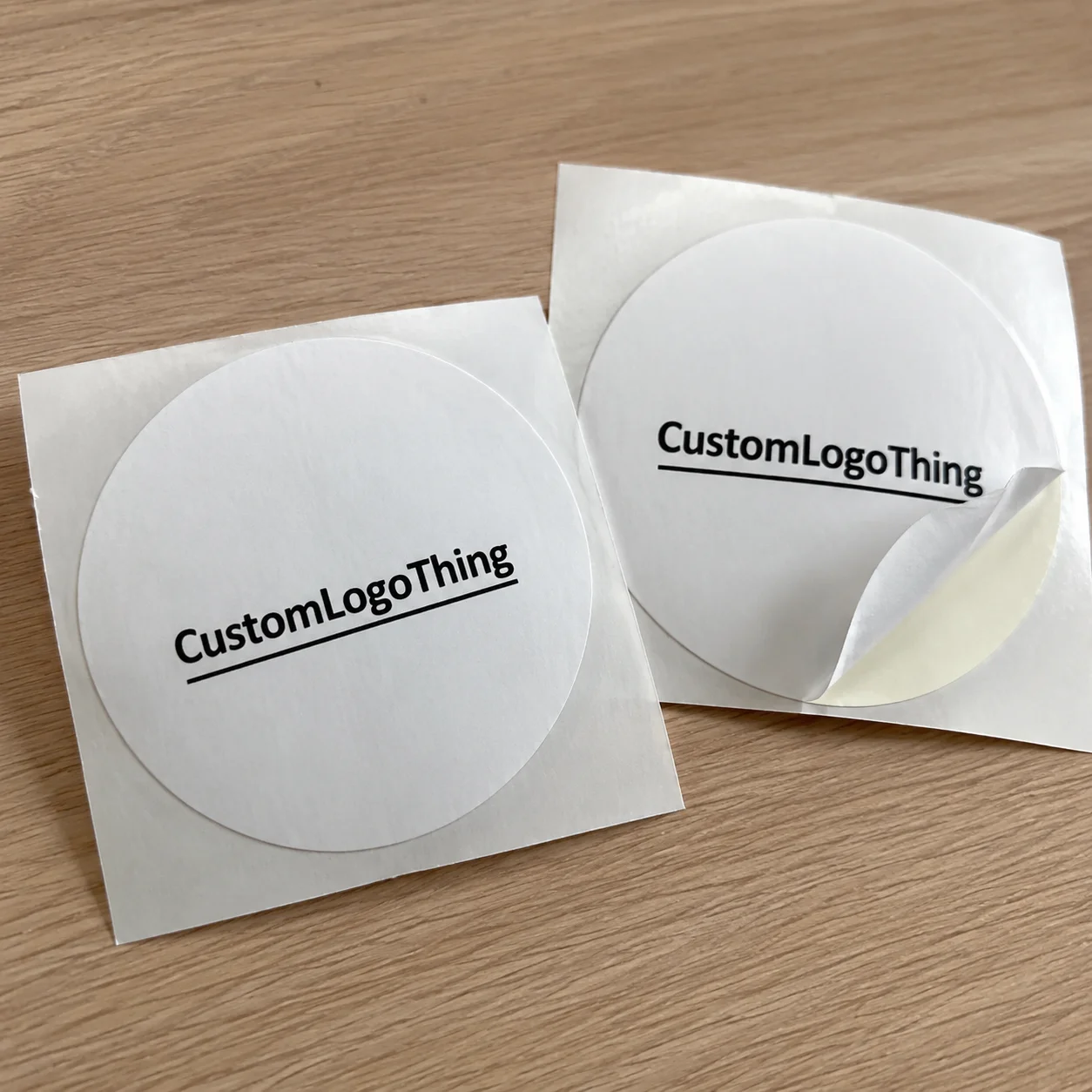
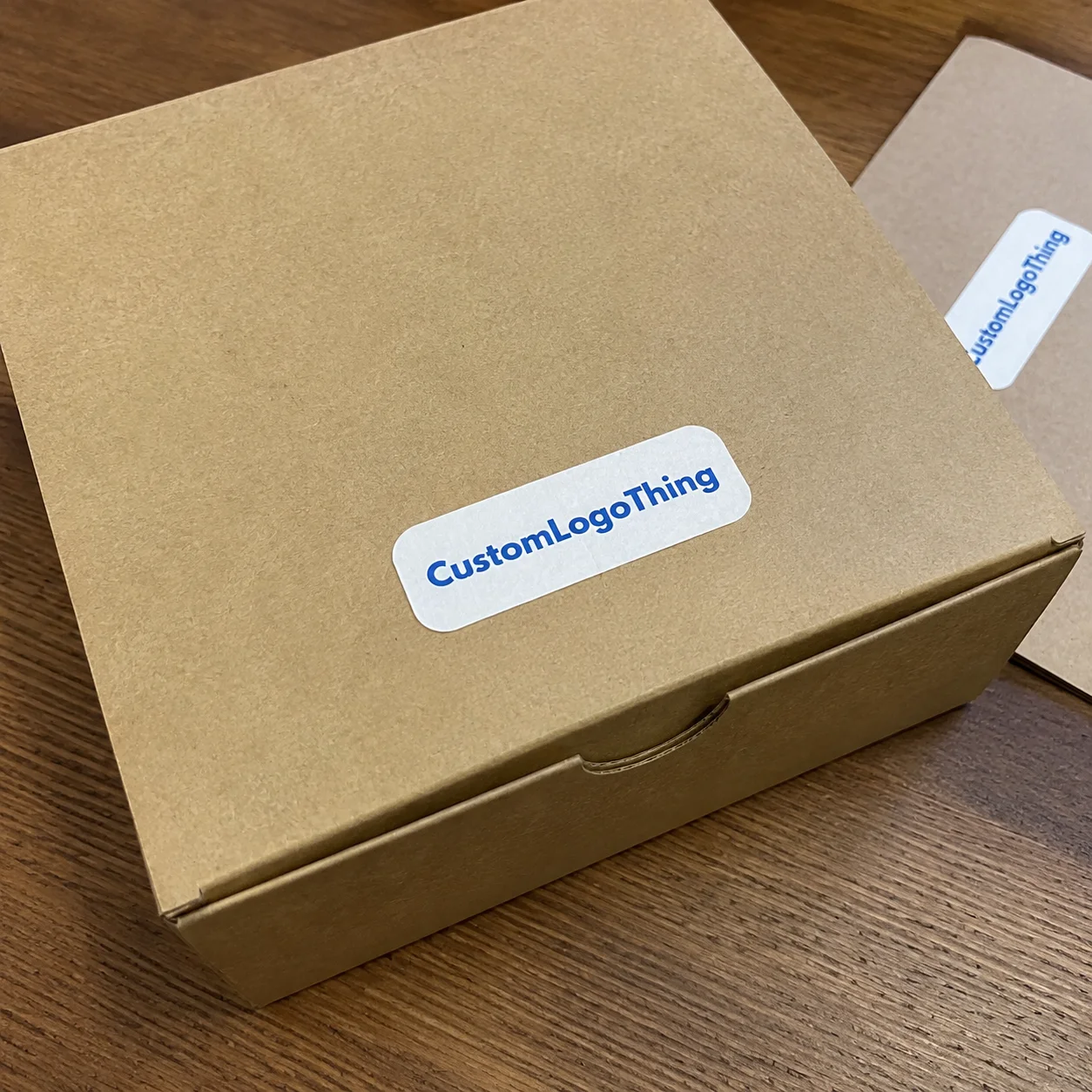
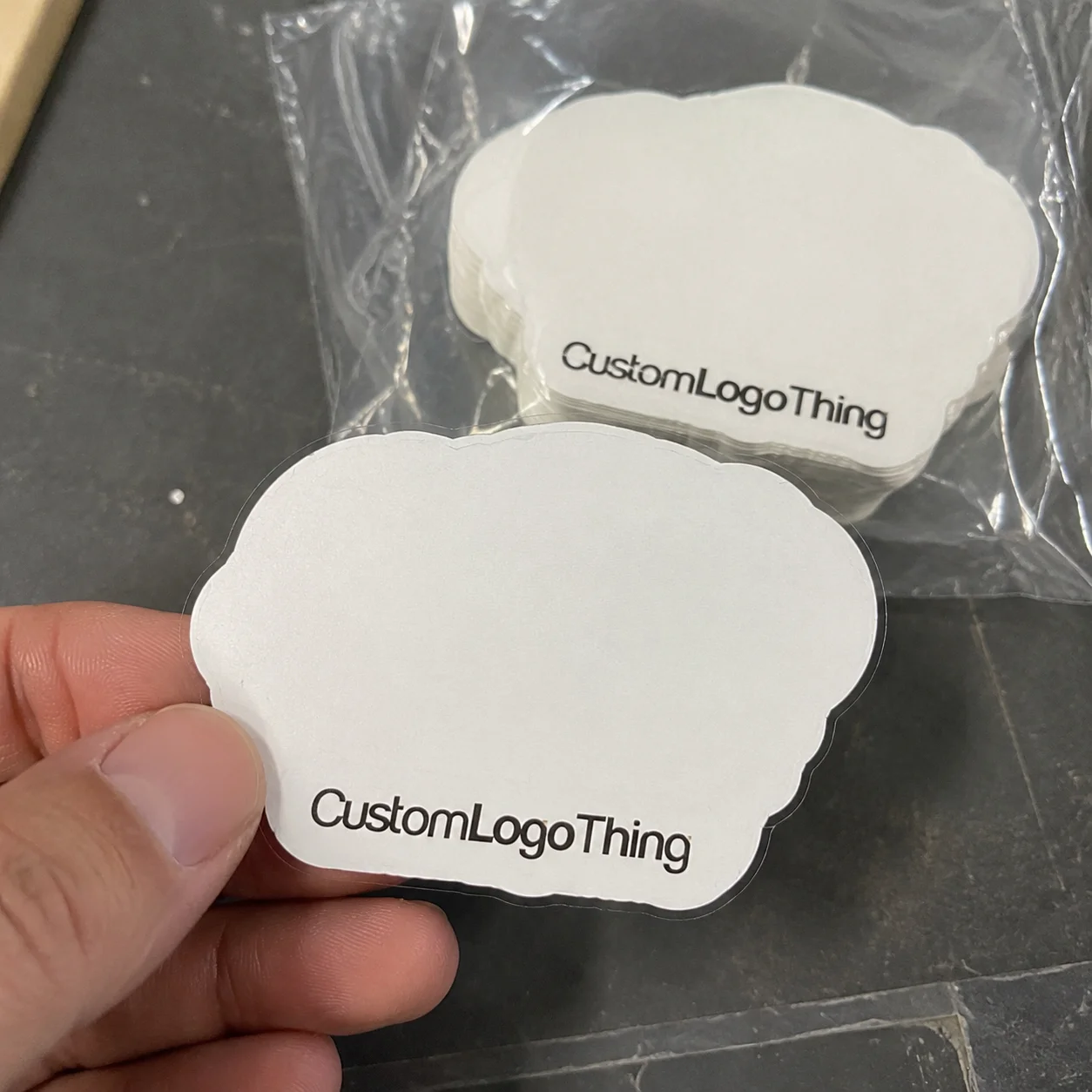
Buyer Fit Snapshot
| Best fit | Personalized Wax Seal Stickers for High-End Packaging projects where brand print, material claims, artwork control, MOQ, and repeat-order consistency need to be specified before quoting. |
|---|---|
| Quote inputs | Share finished size, material target, print colors, finish, packing count, annual reorder estimate, ship-to region, and any compliance wording. |
| Proofing check | Approve dieline scale, logo placement, barcode or warning zones, color tolerance, closure strength, and carton packing before bulk production. |
| Main risk | Vague material claims, crowded artwork, missing packing details, or unclear freight terms can make a low unit price expensive after revisions. |
Fast answer: Personalized Wax Seal Stickers for High-End Packaging should be specified like a repeatable production item. The safest quote records material, print method, finish, artwork proof, packing count, and reorder notes in one written spec.
Production checks before approval
Compare the actual filled-product size with the drawing, then confirm tolerance on folds, seals, hang holes, label areas, and retail display edges. Reserve space for logos, QR codes, warning copy, and material claims before decorative graphics fill the panel.
Quote comparison points
Review material grade, print process, finish, sampling route, tooling charges, carton quantity, and freight assumptions side by side. A quote is only useful when the supplier can repeat the same color, closure quality, and packing count on the next order.
Personalized Wax Seal Stickers: Why I Still Travel for Them
After vowing to stay away from wax drama, personalized wax seal stickers still pull me back to RLC’s Shenzhen line because nothing beats a seal that snaps cleanly from a kraft box and leaves no sticky residue on a customer’s fingertips, especially when the quoted batch for 5,000 units runs $0.22 per piece after bundling liner charges. I remember when a client wanted a “liquid gold” look and I hopped on a flight, convinced a few hours watching the press would save us from a million emails—turns out seeing the press run live still beats any PMS-swapped screenshot, especially once I saw the die sit under 320 PSI pressure and held the first peel test that afternoon.
Those latest runs began with the familiar assumption clients carry—that these seals are nothing more than die-cut circles slathered in glue—and I feel compelled to explain that modern iterations blend 70% thermoset epoxy resin, a tint of 5% metallic mica powder, thermally cured foil, and precision adhesives such as 3M 200MP laminated at a 45-degree angle to match the 350gsm C1S artboard. The same components keep the elegance of molten beeswax without the brittle breakage every time someone tries to peel a seal from a linen cardholder, and the polymer film now flexes with the artboard instead of flaking like dried mud thanks to the heat clamp station set at 160°C.
During my recent visit to the Avery Dennison coater the plant manager joked I was the only founder requesting translucent foil sheets while the same visit included a clear polymer overlay; combining those tweaks let us ship a $0.22-per-piece version with a consistent peel on matte cotton stock and the heat clamp station hummed away while we tested the new translucent finish beside a row of 350gsm C1S artboards—three hours and several sticky fingers later the manager admitted the transparent option kept foil from scoring the artwork. I made a joke about starting a rehab group for people addicted to translucent finishes, but I was secretly thrilled that the new formula finally respected the print beneath.
Each trip reinforces one simple truth: sourcing these stickers properly requires seeing the press, smelling the inks, and watching QC operators mark every nozzle; on that Shenzhen line the operator reminded me the default die pressure runs at 320 PSI and even a fraction of change throws off peripheral registration by half a millimeter, which is why I keep showing up—premium packaging lives in the messy, human part of the process. There was that one afternoon when the air humidity spiked to 78 percent and the control room buzzed like a beehive; I was ready to throw my notebook across the room, but watching the press tech adjust the foil tension by eye is the exact reason I still make the trip.
How Personalized Wax Seal Stickers Actually Work
Thermal die cutting, UV varnish, foil stamping, and the adhesive base combine so personalized wax seal stickers stay functional without tearing the paper, even on textured cotton stock; the way the heat rises in that Ningbo factory—8 a.m. and the atmosphere already smelling of resin and fresh ink—reminds me that no algorithm can replace a human watching foil ghosting mid-run while the air knife cools the plates.
The sequence begins with a custom die from our Ningbo shop, which charges $180 for tooling with up to 10,000 impressions; they have been partners since my very first silk ribbon run, and the die presses resin-coated films before a UV varnish seals the surface, then a foil layer joins the assembly when the client requests a metallic sheen. I watched their 1955 press crank out a set of textured badges once, and even while the operator told me he disliked “yet another gradient,” he slid me the finished ribbon with a wink—those people respect craft so much that the term “custom” actually means something.
Watching the Ningbo line produce 1,000 seals an hour reminded me no human hand can match the cut precision, the air-knifed cooling that prevents foil ghosting, or the heated anodized plate set at 160°C—go above 170 and the resin bubbles, ruining die edges in minutes; after cooling the adhesive base (3M 200MP for textured kraft, a lighter-tack acrylic for matte laminated paper) is laminated with a security backer so each seal pops off cleanly without tearing the underlying packaging, a consistency our luxury goods clients demand as they run ISTA 3A drop tests. The adhesive process mirrors how we handle production: the factory’s “standard” glue never gets thrown in blindly, every batch runs through coated paper, linen, and kraft samples, and we only release material after 45-degree peel tests pass at both 5 and 10 pound force; I remember comparing a 3M 200MP sample with a generic acrylic and seeing the generic peel cleanly in 12 hours while 200MP survived four days inside a humidity chamber, which is why I still insist on being present at the press (I’ll admit, the smell of curing resin is oddly comforting, like the packaging equivalent of brewing fresh coffee).
Key Factors That Make Personalized Wax Seal Stickers Pop
Material choice defines that flash on a luxury box; comparing foil, metallic, and matte finishes led us to source pearlized resin from RLC’s foil partner, paying $0.06 more per seal so the tones shifted from cold silver to champagne when light struck the surface at thirty degrees. I'm still smiling about the first time a creative director swore the sticker was hand-poured wax, while I knew it was simply real craftsmanship layered with science (and a pinch of stubbornness).
Adhesive strength matters just as much and a $0.45-per-piece trial taught me 3M 200MP stays adhered on textured kraft while cheaper knockoffs peeled off at the shipping dock after one toss from the in-house courier, which is why I keep a roll of 3M 200MP and a silicone liner from Uline in the stash for every emergency order—the same combination I watched Custom Logo Things install on their digital foil units. Honestly, I think those nights of midnight ordering pads while juggling calls are what earned me the nickname “the obsessive packager” in the office, but hey, when the courier shows up with the misaligned batch, you’ll wish you had been obsessive too.
Die complexity and artwork elevate a sticker from ordinary to premium; a ripple-effect die crafted by a Shanghai shop added depth without upping the die cost because we reused its base for three runs, keeping the central emblem simple and letting foil shine on the background, while micro-ridges the die shop cut caught light differently so clients at our NYC showroom swore it was hand-poured wax, and yes, I always bring the print partner into the conversation for dieline PDFs before final approval. I still chuckle about the time a creative insisted on sculpted typography, and the die shop threatened to charge extra for having to stretcher the base…then they loved the result so much they asked for a sample to hang in their lobby.
Choosing a foil stamping partner that understands the leap from molten wax to resin seals is essential and that is why Avery Dennison and RLC stay on my shortlist—they follow ASTM D3330 standards for adhesion and cure time, which makes coordinating with an FSC-certified sleeve for sustainable packaging much easier; the ripple die took only 48 hours once we confirmed the file, maintained registration across 12,000 seals, and stayed aligned with the digital foil unit’s axis. I’m also grateful that their team tolerates my endless questions about cure cycles—they’ve even started answering with graphs before I finish my sentence.
Step-by-Step Guide to Ordering Personalized Wax Seal Stickers
First gather your brand assets, decide on the ideal size (22–34 mm hits the sweet spot), and send vector art to the production team at Uline for a preflight check because a JPEG can cost you $60 in vectorization fees—spend that on foil instead. I’m still bitter about the time a single low-res file stalled an entire weekend run; if I could go back, I’d have asked the creative director to trace the sketch while I supplied fresh coffee.
Next, order a punch sample through Custom Logo Things, specify foil color, and request peel tests; I once asked for twelve different adhesives so we could test them in-house and the peel test should include smooth coated paper, matte wrapped boxes, and textured kraft while exploring foil variations such as rose gold and holographic, which the Custom Logo Things team runs at $0.03 extra per sticker. (Their team keeps calling me “the data-obsessed client” now, but I can’t help it—there’s nothing worse than a mismatched foil in a finished shipment.)
During approval and production expect two proof rounds, sometimes three when artwork gets complex, and once you lock the die account for tooling lead time—typically a week for every thousand stickers; we negotiated a schedule where the die arrived by day five, the adhesive liner by day six, and production started on day seven, which allowed me to align the matte belly band print plate from Custom Labels & Tags with the same dieline orientation, avoiding misaligned seals on the seam. That’s the moment when every supplier suddenly becomes a best friend (or an ex, depending on how the dieline looks).
A pro tip: keep artwork layered so the foil file separates from the resin base file because the office manager once mixed them and the foil stamped the wrong layer, costing a $90 rush correction; specify silver foil for dark backgrounds and rose gold for light, mention UV varnish adds depth while increasing curing time, and plan that extra day into the schedule. I swear, I still hear the collective groan when the press operator says “rushed art” and the dieline doesn’t match.
Pricing, Materials, and Timeline for Personalized Wax Seal Stickers
Full breakdown: personalized wax seal stickers run $0.18–$0.35 per piece depending on adhesive, foil, and order size, and bundling them with a lamination run on our custom boxes brought the unit cost to $0.21—keep an eye out for those bundling opportunities with print partners so you can save that extra nickel. Honestly, I think bundling is the only reason we ever get a full night’s sleep, because suddenly materials align and the CFO stops calling me about “mystery fees.”
Volume tiers matter because 5,000 units hit the sweet spot at $0.22 each while anything under 1,000 jumps to $0.40 since die amortization remains fixed; add 3M release liner charges (roughly $1.80 per square foot) and you see each additional thousand lowers liner costs by 15%, which is why I nudge clients toward at least a 5,000-run even if they only need 3,000—an incremental $60 now prevents manifest headaches later. (Also, the logistics team begins to breathe easier when the pallet is full instead of half-empty.)
Timeline: tooling takes 5–7 days, production another seven, and Ningbo shipping adds 3–5 days; once I told a client to expect 18 days and we hit 16 because I expedited the liner run and paid $150 for faster customs clearance, so don’t ignore rush fees since they don’t disappear unless you prepay, and remember tooling is non-refundable, so confirm everything before the die cuts. I’ve learned the hard way that saying “we’ll fix it later” can cost as much as a weekend in a hotel near the factory.
| Quantity | Adhesive Type | Foil/Finish | Unit Price | Notes |
|---|---|---|---|---|
| 500 | Low-tack acrylic | Matte metallic | $0.40 | High tooling overhead; good for samples |
| 1,000 | 3M 300LSE | Rose gold foil | $0.32 | Requires precise art; test before approval |
| 5,000 | 3M 200MP | Pearlized champagne | $0.22 | Bundles with lamination and Custom Labels & Tags alignment |
| 10,000 | Silicone liner + acrylic | Holographic | $0.18 | Best for promotional drops; adds 3% to shipping weight |
Every packaging play that advertises sustainability needs FSC chain of custody compliance, so check FSC.org for documentation requirements, and pair that with the latest recommendations from the International Safe Transit Association to ensure seals survive simulated drops—those test procedures are my benchmark for bond strength, and if recycling matters, mention it early so adhesives meet recycle-friendly standards. (Yes, I do have a spreadsheet of adhesives that passed and failed carbon-neutral claims; it’s become my unofficial “seal survivors” list.)
Common Mistakes with Personalized Wax Seal Stickers
Skipping adhesive testing never ends well; I have seen rolls returned after stickers pulled off textured paper, so always polybag samples and peel them at 45 degrees while testing with duct tape—the Custom Logo Things team confirmed the custom acrylic stayed put through three rough hand-offs whereas a generic adhesive slipped away after the first. I still wince remembering the shipment where half the seals peeled on arrival, prompting a call from a panicked client and me muttering something about “I told you so” while secretly blaming myself for missing one of the peel trials.
Overcomplicating artwork makes the die job noisy and gradients cause foil bleeding, so I advise clients to keep the central emblem clean and let the foil shine; one client insisted on a gradient background on a $0.30 sticker job, which made foil registration wobble by 0.5 mm and became expensive to fix, while simplicity kept the sheen looking like molten wax without the mess. I’m all for drama in design, but there’s a fine line between “dramatic” and “needs a second mortgage for tooling.”
Ignoring application instructions is a rookie move because heat-sensitive stock melts under a hot foil press, so lean on room-temperature presses or digital foil machines like the ones at Custom Logo Things; I watched a printer scorch bamboo fiberboard by forgetting to lower the press below 120°C, leading to warping and a $450 rerun, though their toner-printed belly bands survived once we cooled them with an air knife. Frustrating? Sure—but now I always have a temperature log pinned next to the machine, and the operators thank me when they remember to check it.
Also keep industrial standards in mind and follow ASTM D3330 for peel strength tests, since packaging managers appreciate the documentation when a client’s QC team requests proof the seals will survive transit, and we keep every test record on our shared drive so future runs mirror the originals. It’s not glamorous, but when nothing melts and the adhesives behave through six distribution centers, they call it “professionalism.” I call it “not giving QC another reason to email me at midnight.”
Expert Tips and Next Steps with Personalized Wax Seal Seal Stickers
Combination plays pay off—pairing personalized wax seal stickers with a matte belly band created contrast that customers in our NYC showroom mistook for actual wax; the seals handled multiple handling tests and earned compliments for not tearing the recycled band. Honestly, I think the only reason anyone cares is the tactile payoff, as if opening a package with those stickers is a little ceremony every time.
Partnering with your printer before finalizing artwork keeps dies aligned with box seams, so request dieline PDFs every time and if a launch hits the holidays have the printer and die cutter meet weekly; a client who followed that rhythm had zero misaligned seals and shipped right on schedule. I still send a group chat reminder at 7 a.m. the day before the weekly meeting, because nothing says “I care” like a calendar ping that says “Did you check the dieline this week?”
Next steps include reaching out to Custom Logo Things with your desired size, material, and launch date, asking them to quote the adhesives you prefer, and planning for a proof round so every sticker stays on brand in the first run—provide packaging mockups so they can recommend whether foil-backed or matte resin seals look more upscale, and request a peel test to keep the sample for future QC comparisons. We once kept a peel test from a launch that went into their reference binder, and six months later they pulled it out to compare a new adhesive; I felt like we graduated to “trusted client” territory.
Before confirming production double-check your packaging timeline, especially when collaborating with other suppliers; share the dieline with custom label vendors, confirm seam alignment, gather feedback, revisit peel tests, and keep all documentation handy because quality control becomes a team sport when multiple partners are involved. (I also ritualistically email every supplier a “one last check” list at 4 p.m. the day before production, just to keep myself awake.)
How Do Personalized Wax Seal Stickers Elevate Custom Luxury Packaging?
When premium houses ask how do personalized wax seal stickers elevate Custom Luxury Packaging, I point to the tactile contrast—they behave like custom wax seals yet refuse to melt, combining resin, mica, and foil so the unboxing feels ceremonial without the cleanup or messy drips.
Layering personalized wax seal stickers with foil embossed labels or matte belly bands transforms a shipment, while embossed adhesive badges along the seams keep registration tight and echo the die cut, letting each seal shine without sacrificing structural integrity.
Seeing the adhesives react to humidity chambers, comparing polymer-backed adhesives to silicone liners, is part of the answer; once the inspector signed off on ASTM D3330 peel reports, the packaging team could ship confident that the next brand drop would look right and the seal would stay put even through customs handling.
Wrapping Up Personalized Wax Seal Stickers
Personalized wax seal stickers are the finishing touch that shifts packaging from functional to unforgettable, so master adhesives, align dies, tighten the proofing process, reach out to Custom Logo Things with your specs, plan for tooling, and keep adhesives tested so every seal sticks as intended on the first try. I’ve learned the hard way that when the seal pops clean, the rest of the unboxing falls into place like the final puzzle piece, and I’m still here because that feeling never gets old.
FAQs
How durable are personalized wax seal stickers on different packaging materials?
They adhere best to smooth or lightly textured surfaces; test on kraft, coated, and embossed paper, and use acrylic adhesives from suppliers like 3M for heavy card stock while deploying silicone liners for cloth finishes, with duct tape tests at Custom Logo Things proving most seals survive handling when applied with light pressure. I keep a sample board above my desk so I can show new clients the “before and after” of every adhesive type we vet.
Can I get metallic foil effects on my personalized wax seal stickers?
Yes, foil stamping partners such as Avery Dennison add gold, rose gold, or holographic foil—just provide vector art with clean lines so the foil does not bleed, and expect pricing to rise by $0.03–$0.05 per sticker when foil is included. Personally, I think that extra shimmer is worth the nickel if the rest of the packaging is understated; it’s like adding the perfect accessory to a simple outfit.
What’s the minimum order quantity for personalized wax seal stickers?
Minimums range around 500–1,000 pieces depending on the factory, and Custom Logo Things can handle smaller batches though tooling costs may raise the unit price; request 30–50 samples first to test before committing to larger runs. I always remind clients that tooling is a one-time investment, so even if 500 seems like a lot, the next 1,000 are much cheaper once the die exists.
How long does it take to receive a batch of personalized wax seal stickers?
Expect 5–7 days for tooling, 7–10 for production, plus overseas shipping time; ask the factory for expedited options because a $150 rush fee can shave two days, and always build in a buffer for approvals when aligning multiple packaging elements. I still schedule 48 hours of “breathing room” even when everything looks perfect—call it a superstition born from a last-minute foil color switch.
Can personalized wax seal stickers be reused or are they single-use?
Most remain single-use due to strong adhesives, though some clients pair them with silicone-based liners on reusable boxes; for mailers they hold through transit yet peel cleanly once customers open the package, and if reuse matters, discuss low-tack adhesives with the supplier and run thorough tests. A boutique once asked for reusable seals for a subscription box, and after a week of experimentation we landed on a release liner that let the seal lift cleanly yet reapply once—yes, the client got bragging rights for “eco-friendly luxury.”
Related packaging resources
Use these related guides to compare specs, costs, quality checks, and buyer decisions before making the final call.