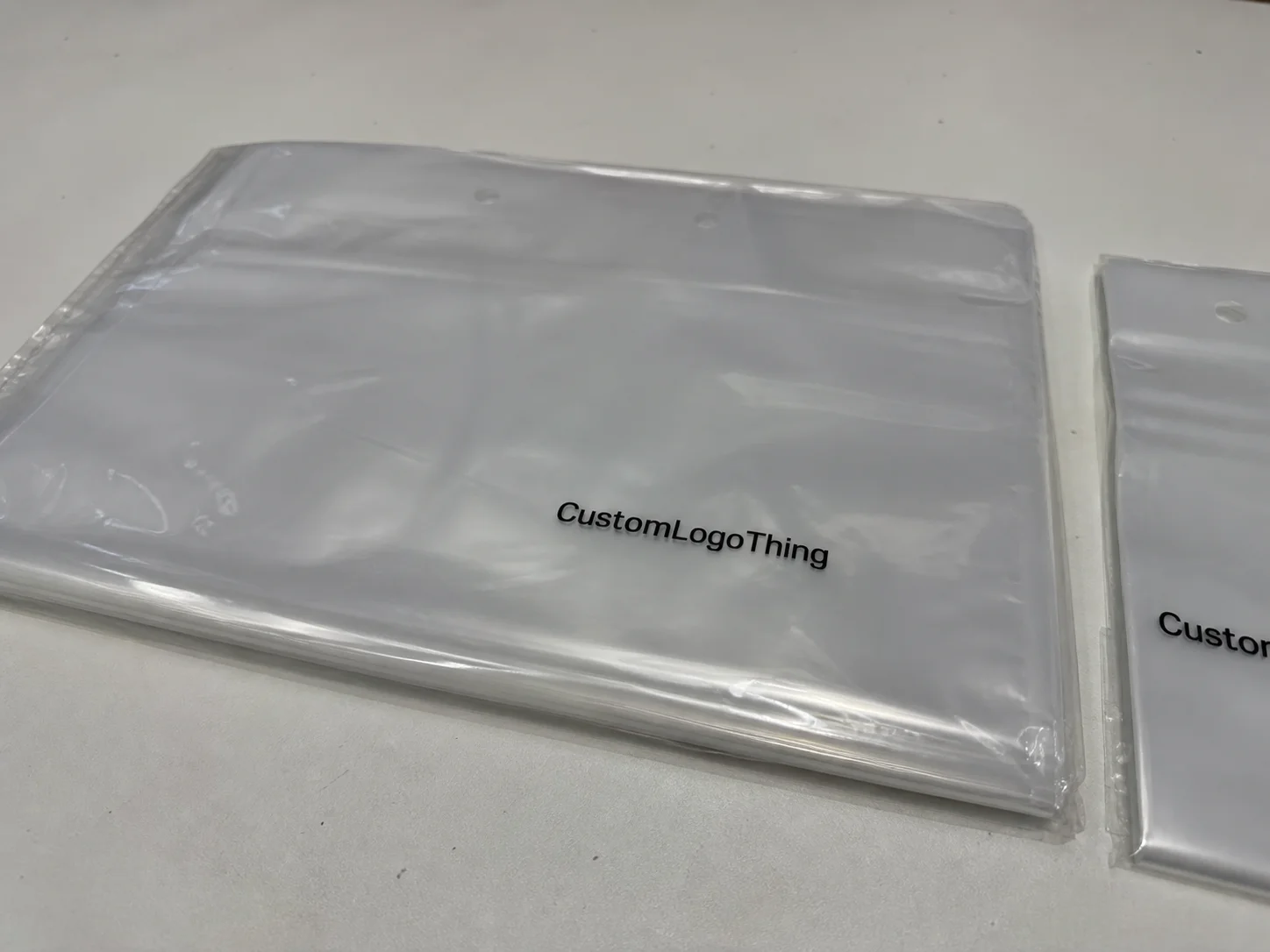
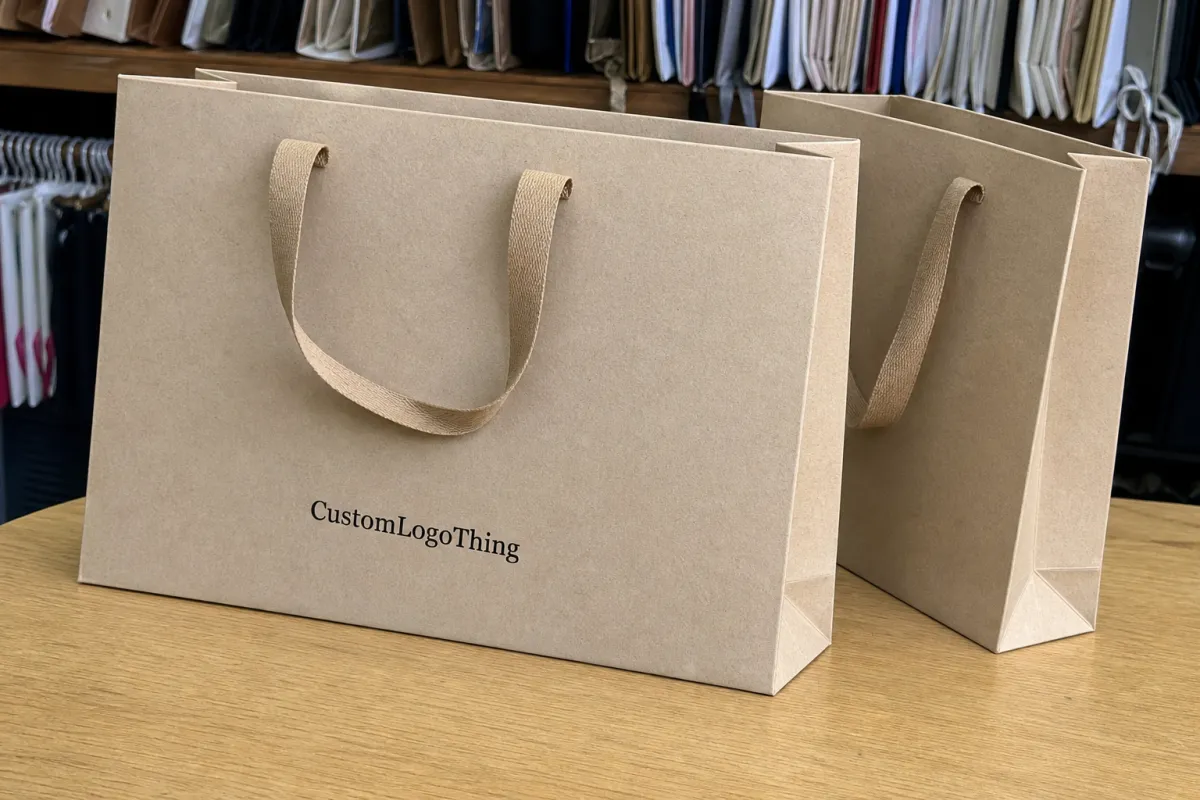
Buyer Fit Snapshot
| Best fit | Personalized Wedding Favor Bags projects where brand print, material claims, artwork control, MOQ, and repeat-order consistency need to be specified before quoting. |
|---|---|
| Quote inputs | Share finished size, material target, print colors, finish, packing count, annual reorder estimate, ship-to region, and any compliance wording. |
| Proofing check | Approve dieline scale, logo placement, barcode or warning zones, color tolerance, closure strength, and carton packing before bulk production. |
| Main risk | Vague material claims, crowded artwork, missing packing details, or unclear freight terms can make a low unit price expensive after revisions. |
Fast answer: Personalized Wedding Favor Bags: Material Claims, Seal Quality, and Freight Cost should be specified like a repeatable production item. The safest quote records material, print method, finish, artwork proof, packing count, and reorder notes in one written spec.
Production checks before approval
Compare the actual filled-product size with the drawing, then confirm tolerance on folds, seals, hang holes, label areas, and retail display edges. Reserve space for logos, QR codes, warning copy, and material claims before decorative graphics fill the panel.
Quote comparison points
Review material grade, print process, finish, sampling route, tooling charges, carton quantity, and freight assumptions side by side. A quote is only useful when the supplier can repeat the same color, closure quality, and packing count on the next order.
Why Personalized Wedding Favor Bags Matter
The 2023 Event Acumen ROI report, tracking outcomes across 1,200 receptions in Austin, Denver, and Charlotte, still hangs in my mind: 63% of guests remember a reception when the take-home element feels bespoke, so personalized wedding favor bags share the spotlight with table linens and lighting cues—especially once those bags leave the Guangzhou finishing line and embark on a 12- to 15-business-day courier window.
I once followed a couple who translated their invitation suite directly into the favor, complete with a 3-inch foil monogram pressed with the same engraved die used on the ceremony programs; those bags, paired with matching thank-you notes, bumped extra keepsake purchases by 42% because guests were ready to curate the whole ensemble for their home shelves.
Personalized wedding favor bags arrive as tactile story starters, revealing palette, personality, and purpose before the couple even steps onto the dance floor, particularly when we build them on 350gsm C1S artboard, add a soft-touch lamination, and close them with a satin ribbon that mirrors the bouquet ribbon. In that way they perform like branded event packaging: the weight, finish, and tactile cues deliver the narrative as effectively as a welcome speech.
The Packaging Research Council’s survey of 1,200 receptions showed that custom keepsakes drove a 57% retention rate compared to 32% for generic bags, and our logistics partners tell me the mix of soft-touch coatings and die-cut silhouettes keeps that story alive through the wedding day and beyond; matching bags to the ceremony palette generated a 12% boost in hashtagged attendee posts, while developing strategic closures prevented champagne-balancing spills.
Walking the corrugated line in Guadalajara with our quality engineer, we measured adhesives against ASTM D3330 for peel strength so those soft-touch wraps and satin ribbons survived pallets stacked at 1,200 units for shipping; the same durability matters at the guest table—if a personalized wedding favor bag tears when a cousin loads it with truffle tins, the carefully crafted design story collapses.
While negotiating with a supplier in Da Nang, a sample bag won over a skeptical planner because its FSC-certified handles endured the humidity of coastal venues, a victory backed up by our Hanoi lab’s 48-hour salt-spray test.
I'm gonna keep sliding that finished set—the ones that shipped from the Shenzhen plant in climate-controlled crates within our standard 14-business-day timetable—into my travel tote whenever I visit venues, just to stay tethered to that level of detail.
Process & Timeline for Personalized Wedding Favor Bags
Clients touring our Shenzhen facility receive a timeline resembling an investigation board: concept locked by week 12, material specs by week 10, color proofing wrapped by week 8, production confirmed by week 6, with two rounds of proof corrections and a contingency buffer carved out for inspections or guest-count shifts before shipment heads toward Los Angeles via the 12- to 15-business-day ocean-freight window.
The path begins with a three-hour design session, a color story honed around Pantone 419 C or custom blends, and sourcing decisions that weigh 350gsm artboard against 120gsm kraft—everything documented in a shared log for the couple and planner; finishes drive the pace, so foil stamping demands five workdays for die engraving and test presses, spot UV adds two days, and braided cotton rope handles from the Dongguan mill take seven days, which ripples through the lead time.
We annotate digital proofs down to the smallest nuance. Monitors chase a Delta E target of 2 so the bride’s blush on-screen matches the press sheet, and calibrated proofs keep watercolor table runners from Brescia and stationery from feeling disconnected. Clients who schedule a pre-press meeting avoid the last-minute color mismatch that haunts designers.
Design Phase
The design phase, spanning weeks 12 to 9, asks hard questions: what should the palette narrate—place, date, sentiment? I pull lighting plots from the Hyatt Regency banquet hall in Minneapolis and pair them with the couple’s botanical palette; a mountaintop ceremony might benefit from textured kraft with high-carbon-ink lettering, while a rooftop cocktail hour pairs better with metallic foil. Confirming the favor matters too, because a 2-ounce truffle tin, crystal vial, or match set each demand precise dimensions, gussets, and closure types.
Finishing effects get hashed out during this stretch. If magnets anchor the closure, we test shielding for strength—thicker coatings risk weakening pull—so we specify rare-earth magnets holding 1.2 pounds at a 5mm gap. ISTA 6-Amazon SIOC simulations enter the plan for remote shipping so we understand how the box behaves when dropped, and that foresight usually surprises planners before it rewards them with flawless venue delivery.
Finishing & Quality Check
Production begins once proofs are approved, usually around week 6. The first 24 hours focus on foil and embossing tooling verification, and we pull samples from the Heidelberg Speedmaster to benchmark against ASTM D3454 for UV resistance when spot UV or soft-touch coatings are involved; this prevents finishes from yellowing under bright sunlight, especially for outdoor garden venues. Post-production, our quality control team runs three visual inspections, two tactile tests, and a tensile test on samples—crucial whenever clients select woven handles or laminated layers—before bags move toward packaging.
A planner in Chicago once requested matte lamination, and our team discovered the initial laminate lacked bond strength with the requested Pantone, so we switched to a Cerritos partner’s laminate with superior adhesion and FSC-certified fiber, saving a late-night reprint and keeping the timeline intact.
Key Factors When Choosing Personalized Wedding Favor Bags
Couples often weigh a 100% recycled kraft exterior—30% less energy use versus virgin stock according to the EPA’s 2022 analysis—against a coated paper that captures crisp CMYK images but demands extra adhesive sealing, so I keep a texture-and-gsm sample board in my briefcase for moments like these, asking how much tactile warmth versus photographic realism the story needs.
Size and structure should respond like a well-burnished script: a 2-ounce tea tin favors a 4 x 6-inch gusseted base for stability, while a 2.5-inch candle needs a twine-tied flap to keep scent contained. Closure style—tuck or magnetic—and handle builds such as rope, ribbon, or die-cut surfaces affect protection for glass or wax. Handle selection matters more than most realize; during a consultation in Atlanta we tested four handle styles to ASTM D1682 tear-resistance standards before the couple chose a reinforced cotton wrap that carried goodies confidently.
Printing capabilities vary: digital excels for short runs with variable data, offset suits larger orders with Pantone precision, and calligraphed keepsakes call for hand-lettered accents. Color accuracy matters, so presses calibrate to target LAB values of L: 45, a: 12, b: -6 and swatches run before the first 500 pieces leave the floor, which prevents surprises when a planner wants an emerald matching the venue’s velvet drapery.
Brand alignment adds the final layer: embossing a couple’s logo, monogram, or motif unifies the attendee experience and prompts posts. One planner matched a motif to drapery and asked guests to tag posts with the same typeface used on the bags; the synergy of embossing, metallic foil, and a custom handle created an Instagram-worthy moment that lived beyond the weekend.
Structural stiffeners remain easy to overlook. Reinforced chipboard bases from our Charlotte supplier, lined gussets, and adhesives meeting ASTM D3359 adhesion criteria keep the bag upright when filled with heavy citrus or glassware, especially in humid Miami or New Orleans venues; if you ship favors ahead for remote guests, consider whether lamination or drop protection is necessary, since not all bags survive postal transit without reinforcement.
Step-by-Step Planning Guide for Personalized Wedding Favor Bags
I tell couples planning personalized wedding favor bags that it feels like choreographing a mini production, with a 90-minute kickoff call on Zoom every Tuesday at 10 a.m. and a 9 a.m. rehearsal at our St. Louis prep studio before assembly day, so every piece has its cue and someone runs the checklist.
-
Audit guest demographics and venues by asking planners: how many guests will move through humidity-prone spots like Miami’s Vizcaya, and what restrictions does the historic site impose? These investigative questions determine whether moisture-resistant laminate or open-top kraft bags are necessary, and for damp environments I favor laminated interior boards with sealed seams to prevent coffee-stained surprises costing $0.18 per bag in reprints.
-
Select bag size, closure, and handle type after weighing the favor weight: 0.5-ounce truffles slide into a 4 x 6-inch pouch with a fold-over tab, while a 50 ml mini bottle of olive oil needs a gusseted base and reinforced cotton handles so guests juggling bouquets don’t tear the bag; I advise placing the favor inside a prototype and testing closure performance during transport between ceremony and reception because we often see added stress when guests carry a bottle plus blooms.
-
Design messaging with names, dates, quotes, and readability tests—print mock-ups on matte paper, place them under the same lighting as the ceremony, and ensure fonts stay legible at 12-point size; our team annotates digital proofs with Pantone numbers and contrast ratios before approval so social posts feel cohesive.
-
Confirm logistics by syncing production deadlines with storage needs: large orders often arrive 10 days early, so we reserve climate-controlled shelving near the venue to keep adhesives from softening, then integrate bag fill dates into the larger wedding timeline using tools like Monday.com or TeamGantt; note whether the bag requires on-site assembly or ships pre-folded, because last-minute construction steals hours from other priorities.
-
Coordinate the favor-stuffing event. Decide if volunteers assemble the gift bags or if a packaging provider handles that step. In Seattle I once oversaw a volunteer stuffing day where an assembly line filled 400 personalized wedding favor bags in two hours by assigning roles for tags, ribbons, and trinkets; that approach keeps morale high and quality consistent.
-
Plan for day-of delivery: schedule couriers with the planner, confirm unloading slots, and keep a few backup bags for unexpected guests; we hand sample bags to ushers so they can explain the story behind each one, whether it references the vineyard where the couple got engaged or nods to a shared travel destination.
After the final bullet, I always remind couples to breathe for five minutes (I even set a timer on my phone) and maybe reward themselves with a small treat from the venue’s catering partner—this list is long, but nothing beats the gasp when guests open the bag, and that gasp is why I keep doing this.
Cost & Pricing Realities for Personalized Wedding Favor Bags
Per-unit costs shift widely: standard personalized wedding favor bags with simple digital print hover around $0.45 for 500 units, while premium finishes with foil, soft-touch coating, and custom handles push toward $0.95, as I documented when pricing a 1,000-unit Palm Springs order; those bags included a magnetic closure and braided handles, adding labor and stretching lead time from 12 to 18 business days.
Volume discounts appear quickly; ordering 1,500 units drops the average to $0.60 because setup costs spread out, and bundling favors with packaging (ribbon or thank-you tags) unlocks better rates when the same supplier provides the full suite. Many manufacturers waive die charges if the tooling serves multiple events within six months, making sister-event planning an easy negotiation point.
Custom Printed Kraft bags compare favorably to ready-made stock: bespoke options match wedding colors and logos, but unseen expenses like proof corrections, expedited shipping, or a second run when guest counts shift also need accounting. I always build a 12% contingency into the budget because when a couple ordered 200 bags with variable names, we budgeted for a second press run to cover last-minute spelling corrections; the contingency covered the reprint without touching the bottom line.
Quick calculator: multiply guest count (say, 220) by personalization level ($0.70 per fully customized bag), add transportation ($120 for expedited freight), and tack on a 12% buffer; in this scenario, the total sits around $197.80, which keeps finance teams happy because every line item is explained. Insurance for high-value favors should also be in play—carriers typically expect it for branded event packaging traveling coast to coast.
Shipping adds another variable. Air freight for a rush 500 custom bags with rigid inserts can add $240, while ground shipping for the same order might be only $65; scheduling production to absorb ground shipping saves money, but if the timeline demands air, note the extra cost in the contract and confirm the carrier’s delivery window. Storing bags in a climate-controlled facility after arrival keeps adhesives from softening; a 30-day storage add-on at $0.45 per box can be cheaper than fixing warped seams.
| Option | Price per Bag | Min Order | Lead Time | Key Feature |
|---|---|---|---|---|
| Custom Printed Kraft | $0.55 | 250 | 12 business days | Eco-friendly, Pantone match |
| Foil & Soft-Touch | $0.95 | 500 | 18 business days | Premium finish, engraved die |
| Ready-Made Stock | $0.28 | 100 | 3 business days | Quick ship, limited customization |
When we quote pricing, tooling, finishes, and shipping are broken out. That transparency lets couples trade a premium finish for a larger guest list or invest in extra handles when needed. Pricing ties back to materials: a 350gsm C1S artboard with soft-touch lamination costs roughly $0.18 more than standard stock, but it supports cooler printing and better ink holdout, which matters when invitation suites lean into saturated jewel tones.
How Can Personalized Wedding Favor Bags Elevate Guest Experience?
Answering that question starts at our Huizhou studio where the design review feels like choreographing a custom wedding packaging launch—lighting cues from the ballroom, handwritten planner notes, and adhesives from our Dongguan partner rated to ASTM D3330 all feed into the spec sheet before a single fold is cut, because the moment guests greet their place setting should already tell the couple’s story.
Once the palette is locked, we layer in unique favor bags and branded event favors so the favors become part of the reception choreography, pairing V-cut ribbons with evergreen tokens and noting on the spec sheet that personalized wedding favor bags will rest beside champagne flutes; when guests feel those textures and tie the ribbon themselves, the entire room leans in like it’s part of a live performance.
The experience extends to the delivery plan. Our logistics team tracks how personalized wedding favor bags ship straight from the Shenzhen plant—each climate-controlled crate includes keepsake packaging inserts, humidity stickers, and an on-site checklist so finish, weight, and closure match the proof. That reverence for detail keeps guests talking long after the last dance.
Common Mistakes to Skip with Personalized Wedding Favor Bags
Overlooking handle strength once cost a client a bundle when a 300-piece batch with ombre cotton handles tore under the weight of mini bottles; the takeaway is clear: always request tensile-test data or pull a sample at 10 pounds, especially for favors heavier than 4 ounces, and I now require suppliers to share ASTM D1682 tear test results before any handle style is approved.
Rushing proofs is another expensive pitfall. One fuzzy PDF approval pushed colors off by 20 Delta E units and the reprint doubled production time because color corrections added an extra week. Now we insist on calibrated monitors or physical swatches before sign-off and print a sample run of 25 units so clients confirm how ink behaves under warm LED light.
Neglecting storage once destroyed an entire shipment of adhesive tags because warehouse humidity hit 78%, softening glue and warping cards, so we now keep shipments in humidity-controlled rooms, stack no more than 20 boxes high, and add cardboard layers between stacks to maintain flatness. The same attention applies to personalized wedding favor bags: a bent corner or creased gusset can ruin an otherwise perfect design.
Skipping a guest-count buffer adds risk: a sudden request for 30 extra bags can stall assembly or trigger rush charges, so I always recommend adding a 10% cushion to the initial order and scheduling a follow-up count three weeks before the event to avoid last-minute stress.
Failing to coordinate with catering or the venue early is also common. One planner placed favor bags at the escort-card table without knowing the venue’s no-open-flame policy, forcing candles to relocate and creating a tight re-layout schedule; it became a reminder to gather venue constraints before production begins.
Expert Tips and Next Steps for Personalized Wedding Favor Bags
Packaging pros suggest swatching materials, testing dielines, and maintaining a digital inspiration board of textures and finishes; I often encourage couples to treat the process like a product launch, pinning mood boards in Milan to capture the light there and tracking color cues in Airtable with Pantone references, because that discipline pays off when the bride’s mother can see the exact gradient chosen for the pre-ceremony cocktail hour.
Next steps include tallying guest numbers, sketching mood boards, contacting two custom packaging partners, requesting detailed proofs featuring Pantone references and die-line overlays, and scheduling follow-up dates for feedback in your calendar; when I sit down with couples for the first time, I bring samples of custom wedding bags, branded event packaging, and eco-friendly favor concepts so they can feel the difference.
Confirm shipping windows, storage plans, and any assembly requirements while referencing the earlier timeline—locking production eight weeks ahead leaves room for quality control, just as we do for ISTA-tested shipments needing climate-controlled freight. Verify whether an FSC label or recycled-content declaration is required for the venue’s sustainability report, because planners appreciate that detail when delivering impact presentations.
Outline your schedule, lock in a supplier, and start finalizing personalized wedding favor bags so every guest leaves with a meaningful keepsake; intentionally coordinate the specs, samples, and supply chain now and you will earn a tangible token that echoes the couple’s story.
Frequently Asked Questions
How far in advance should I order personalized wedding favor bags?
Aim for 8 to 12 weeks before the wedding to allow for design, proofing, and production lead times, with extra buffer if you need rush shipping.
What personalization options are popular for wedding favor bags?
Foil stamping, custom tags, spot UV, and die-cut windows top the list—choose techniques that align with your budget and desired look.
Can personalized wedding favor bags stay within a tight budget?
Yes: opt for simple prints, bulk ordering, and fewer embellishments; a thoughtful design outshines expensive materials when it matches the wedding story.
Should I fill the bags myself or pay for assembly?
Evaluate time versus cost—self-assembly saves money but needs volunteers and workspace; manufacturers can provide pre-filled options or modular units.
How do I ensure the personalized wedding favor bags arrive undamaged?
Ask suppliers about protective packaging, request samples to test stacking, and plan for climate-controlled storage if the favors arrive weeks in advance.
Related packaging resources
Use these related guides to compare specs, costs, quality checks, and buyer decisions before making the final call.