A pet treat subscription box ships a branded hoodie, a bandana, and a sample pouch of salmon bites. The box sits on a wet porch for six hours. The treats survive, the apparel comes out damp, and the customer blames the brand. That is why pet treat brands Waterproof Apparel Mailers material choice deserves more attention than “just use a poly bag.”
Why Pet Treat Brands Waterproof Apparel Mailers Material Choice Matters
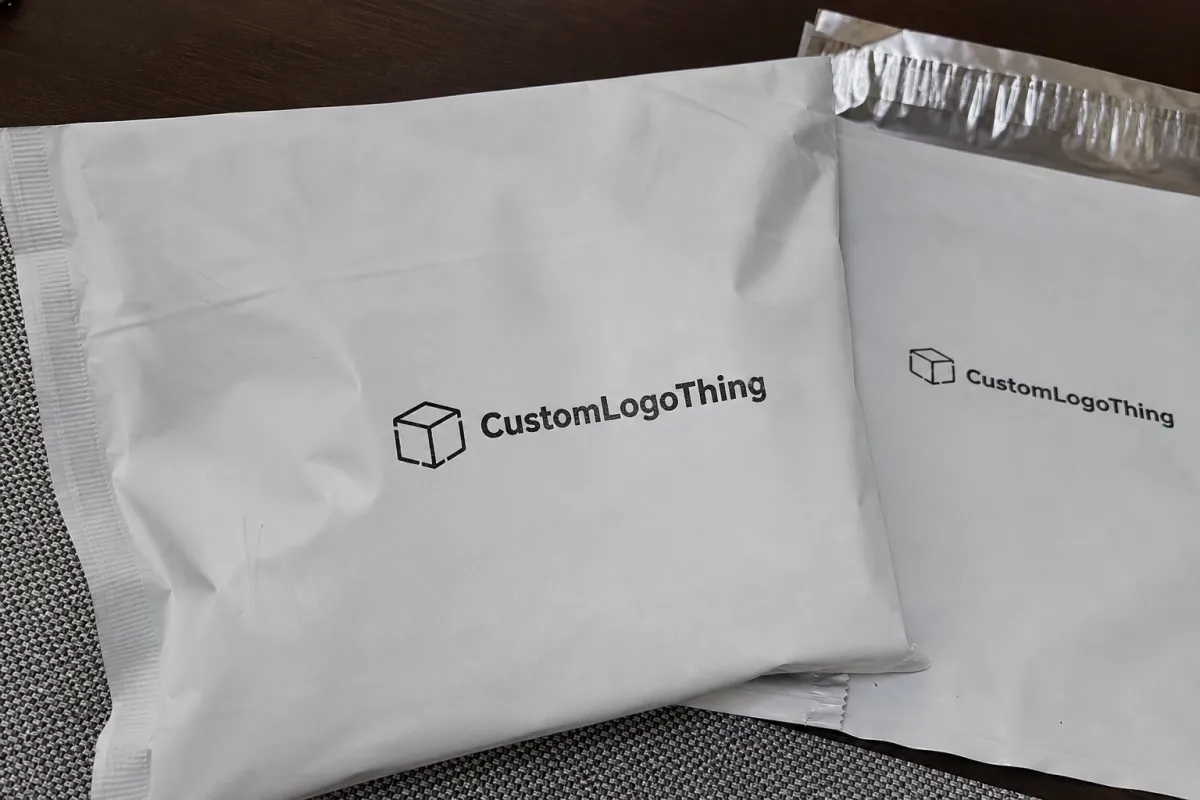
Apparel mailers are easy to underestimate because they look simple. A plain shirt in a plain bag is one thing. A pet brand shipping apparel, treats, inserts, and branded extras is something else entirely. The package has to deal with scent, oil, crumbs, hard edges, carrier handling, and weather exposure, all while still looking like it belongs to the brand.
That matters because the customer is not opening a neutral shipment. They are opening something tied to food, freshness, and trust. If the bag smells like damp cardboard or the treat aroma migrates into the hoodie, the packaging has already influenced the order before the garment is even unfolded.
Waterproof Apparel Mailers are typically polyethylene shipping bags designed to resist rain, splashes, and ordinary handling moisture. They are not sealed containers for submersion or long-term outdoor exposure. A good bag sheds water. A weak seam, poor adhesive, or overfilled pack still fails.
Buyers often use waterproof, water-resistant, moisture-barrier, and puncture-resistant as if they mean the same thing. They do not.
- Waterproof: resists exterior moisture under normal shipping exposure.
- Water-resistant: handles light exposure but is less forgiving in long wet routes.
- Moisture-barrier: focused more on vapor control, often discussed in food and product packaging.
- Puncture-resistant: helps against sharp corners, zipper pulls, pins, and treat pouch edges.
The right material choice is a balance. You want enough protection for wet weather and rough handling, but not so much overbuild that the mailer becomes expensive, stiff, or awkward to print. For pet brands, the bundle is often the real product. A mailer that works for a single tee may fail once a treat pouch and a hoodie share the same space.
Common use cases include subscription kits, influencer mailers, dog-walk apparel, event giveaways, retail fulfillment, and treat-plus-merch bundles. There is no universal best structure. The right answer depends on packed weight, bulk, climate, print coverage, and the brand’s sustainability claims. That is the unglamorous truth, and it is usually the useful one.
How Waterproof Poly Mailer Materials Actually Work
Most Waterproof Apparel Mailers are made from polyethylene film with a pressure-sensitive adhesive strip, sealed edges, and a printed exterior. Some use a single layer. Others use co-extruded layers for better opacity, strength, and print performance. The structure matters because the film has to survive packing, stacking, carrier sorting, and opening without turning into a complaint.
LDPE, or low-density polyethylene, is common for custom apparel mailers. It is flexible, soft, and well suited to shirts, bandanas, light hoodies, and smaller accessories. Many custom mailers in this category sit around 2.0 to 3.0 mil, with 2.5 mil often landing in the practical middle for moderate-weight shipments.
HDPE, or high-density polyethylene, is stiffer and can feel crinklier. It can be strong in certain directions, but the hand feel is less polished for apparel. Some brands do not mind that. Others do, especially if the mailer is part of the first unboxing impression.
Co-extruded polyethylene combines layers. That can improve print quality, opacity, and overall balance between strength and cost. A well-made 2.5 mil co-ex mailer can outperform a cheaper single-layer bag that looks thicker on paper but performs worse at the seam. Thickness alone does not tell the full story. It helps, but it is not the whole argument.
The failure points are usually not the broad face of the mailer. They are the seam and the closure. Side seams, bottom seals, and adhesive strips are where many bad shipments start to fail. If your orders ship through humid heat, cold garages, or long carrier routes, ask whether the closure is rated for those conditions.
Buyer reality: a waterproof film with a weak adhesive strip is just a confident-looking leak.
Finish matters too. Glossy films make colors pop and can support bold retail graphics, but they show scuffs more easily. Matte films hide handling marks and often feel more premium, although heavy ink coverage can look flatter if the print system is not matched to the film. Dark solids, tiny type, QR codes, and fine lines need tighter production control than a simple one-color mark.
Opacity is another quiet requirement. A customer should not be able to see the treats, the fold lines, or the contents silhouette through the mailer unless that is part of the design. For pet brands, the outside of the package often has to carry both visual identity and privacy. That is a demanding little job.
Larger brands sometimes reference ISTA shipping test procedures or ASTM methods when they evaluate packaging performance. Smaller brands do not need a lab report for every order, but the mindset is helpful: test the packed kit, not the idealized mockup in the deck.
Key Material Factors for Treat Bundles and Apparel Kits
Start with weight, then move to shape. A lightweight bandana and postcard can fit into a 2.0 to 2.5 mil mailer. A hoodie, treat pouch, sticker sheet, and card set usually call for something stronger, often 3.0 mil or a better-balanced co-ex structure. The packed bundle, not the flat garment, is the thing that matters.
Puncture risk is easy to overlook. The shirt is rarely the problem. The hard little item beside it usually is. Zipper pulls, hang tags, metal pins, folded paperboard inserts, and treat pouch corners can all press into the bag during compression. If you can feel a sharp edge through the packed kit, the carrier will do the rest of the testing for you.
Scent transfer deserves its own line item. Treats should already be sealed in food-safe primary packaging before they go inside the mailer. The mailer is for shipping protection, not direct food contact. Oily or strongly scented treats belong in a separate sealed pouch, especially when apparel shares the shipment.
Size selection affects cost and performance at the same time. Too small and fulfillment slows down because the team has to fight the bag. Too large and the contents shift around, which increases scuffing and makes the parcel look loose. In practice, you want enough room for the packed bundle plus a clean seal, usually with a little extra width and length so the flap closes without strain.
Closure options are worth specifying early:
- Standard adhesive strip: usually fine for one-way shipments if the bag is not overstuffed.
- Tamper-evident strip: useful for premium kits or anything where presentation and security matter.
- Dual-strip reusable mailer: helpful for exchanges and returns, especially with apparel-heavy subscription programs.
Print compatibility is part of the material decision, not an afterthought. Heavy ink coverage, dark flood coats, small text, QR codes, and fine brand details need a substrate that will hold the image cleanly. If the artwork relies on a rich black background or a complex retail-style graphic, ask for a printed sample rather than trusting a screen render.
Sustainability claims need the same discipline. Recycled-content poly made with post-consumer waste can help a brand tell a more grounded material story, but recycled film can vary more in color and consistency. Recyclable LDPE is useful, yet it still depends on local access. Compostable and biodegradable packaging may sound cleaner, but moisture resistance, shelf life, and tear performance can be weaker. Kraft paper and corrugated cardboard have their own advantages, especially in structured kits and FSC certified programs, but they do not handle rain the way polyethylene does.
| Mailer Material | Best Use | Typical Thickness or Spec | Moisture Performance | Cost Position |
|---|---|---|---|---|
| LDPE Poly Mailer | Light to medium apparel, bandanas, tees | 2.0–3.0 mil | Strong rain resistance if sealed well | Low to mid |
| Co-ex Poly Mailer | Apparel plus treat pouches, premium merch kits | 2.5–3.0 mil common | Very good with better opacity and strength balance | Mid |
| Recycled-Content Poly | Brands prioritizing recycled material claims | Varies by supplier | Good, but test print and seal consistency | Mid to high |
| Compostable Mailer | Dry-route light goods, eco-focused campaigns | Supplier-specific | Variable; moisture and tear testing required | High |
| Kraft or Paper Mailer | Flat inserts, dry shipments, plastic-free positioning | Often 90–150 gsm paper layers | Limited unless coated or lined | Mid |
For many pet merch kits, the practical starting point is simple: 2.5 mil for lighter apparel, 3.0 mil for heavier bundles, and co-ex film when you want a better balance of strength, opacity, and print quality without overspending on an overbuilt structure.
Cost, MOQ, and Unit Cost Tradeoffs to Expect
Cost is driven by size, thickness, material type, print coverage, ink count, closure style, order quantity, and freight. That list is not exciting, but it explains why two mailers that look similar on a sample table can quote very differently.
Blank stock mailers are the cheapest because they are already made. Custom one-color mailers land in the middle. Full-coverage printed mailers cost more because setup, press time, color control, waste, and quality checks all have a real price. That is especially true when the bag uses a dark background or a large printable area.
Typical planning ranges vary by size and volume, but they are useful for budgeting:
- Blank stock poly mailers: often around $0.05 to $0.18 per unit for common apparel sizes.
- Custom one-color mailers: often around $0.12 to $0.35 per unit at moderate quantities.
- Full-coverage custom printed mailers: often around $0.25 to $0.75 or more per unit for smaller runs or premium specs.
- Recycled or compostable options: often 20% to 80% higher than standard poly, depending on structure and quantity.
MOQ is where packaging reality shows up. Short-run or digitally printed options may start in the low hundreds or low thousands, but the unit cost is higher. Traditional custom production usually needs a higher quantity because plates, setup, and press time have to be spread across more bags. For many custom poly mailers, price breaks often appear around 5,000, 10,000, and 25,000 units, although supplier structures vary.
Oversizing is expensive in two ways. First, it uses more film per unit. Second, it can raise dimensional weight on the carrier side if the filled package balloons. Paying to ship air is a familiar packaging tax. A 12 x 15.5 inch bag may be right for a hoodie, while a 10 x 13 inch bag may fit tees or bandanas better. The right answer comes from the packed thickness, not the flat garment size.
There are also hidden costs: plate fees, artwork cleanup, Pantone matching, proofs, rush charges, freight, cartons, storage, and split shipments. A quote with a low unit price can still end up more expensive if those pieces are priced separately. Always ask what is included.
For a new kit, it usually makes sense to test with a smaller run or stock samples first. Once size, bundle weight, artwork, and reorder cadence are stable, moving into a larger custom order becomes easier to justify. Paying more can still be the right choice if the package ships through wet climates, carries a heavier bundle, or is likely to be photographed by customers.
Production Steps and Lead Time for Custom Mailers
The production path is straightforward when the spec is clear: confirm size and material, choose thickness, select the closure, submit artwork, review proofs, approve samples, produce, inspect, pack, and ship. The problems usually begin when the “final” logo file is a low-resolution PNG from a desktop folder named final-final-use-this-one.
Stock mailers can move quickly if inventory is available. Custom printed orders take longer because proofing, setup, printing, drying or curing, quality checks, packing, and freight all add time. Many custom projects land around 2 to 5 weeks after proof approval, depending on quantity, print method, and shipping mode. Air freight shortens transit, but it also eats margin quickly.
Artwork matters more than people expect. Send vector logos, outlined fonts, Pantone or CMYK targets, bleed, safe zones, and a dieline if one is available. QR codes need enough contrast and size to scan on flexible film. Tiny codes on wrinkled mailers are an avoidable headache. Legal copy should stay readable too.
Sampling answers different questions:
- Blank size samples: confirm fit and packing speed.
- Material swatches: compare feel, opacity, thickness, and finish.
- Printed pre-production samples: check color, scuff resistance, and QR scanability.
- Production samples: verify the final run before bulk shipment or reorder.
Approval delays are usually caused by the same things. Missing dielines. Low-resolution art. Late-stage size changes. Too many people commenting on a proof. If launch timing matters, put one person in charge of packaging approvals and keep the decision path short. Packaging by committee has a way of stretching a one-day task into a week.
Build a little buffer into the timeline for freight delays, packaging tests, and fulfillment training. Rush orders reduce time for corrections and often cost more. Sometimes “rush” really means the team has decided to skip the part where they catch a mistake before it ships.
A practical reorder rule helps. If weekly use is 1,000 mailers and replenishment takes 4 weeks, do not reorder at 500 units. Leave room for change, freight variance, and a reprint if needed. For custom specs and packaging support, browse Custom Poly Mailers or compare related formats under Custom Packaging Products.
Common Material Mistakes Pet Brands Make
The first mistake is copying a fashion brand’s mailer and assuming it will behave the same way with treats. Fashion shipments are mostly fabric. Pet treat bundles add scent, residue, rigid corners, and often a few extra pieces that do not compress neatly. The abuse profile is different.
Overstuffing comes next. The mockup looked fine on paper, so the team ordered 10,000 units. Then fulfillment discovers that the hoodie resists compression, the treat pouch presses into the seam, and the flap barely closes. Real products are rarely as polite as the spreadsheet.
Another common error is treating waterproof as if it means puncture-proof. A sharp hang tag or zipper pull can defeat a perfectly decent film. If the kit includes stiff items, add an interior wrap, choose a thicker structure, or size up so the contents are not forcing the shell outward.
Compostable mailers can work, but they deserve real testing. Check tear resistance, shelf life, humidity sensitivity, and how the film behaves after time in storage. If bags sit in a hot warehouse or ship through wet routes, performance can change. The U.S. EPA has practical guidance on recycling and material claims that helps brands avoid loose environmental language; see EPA recycling resources.
Heavy dark ink on bargain film is another trap. Scuffing, show-through, and muddy color happen quickly when the material cannot support the artwork. If the design uses a flood coat or a photographic graphic, ask for samples and do a simple rub test before locking the order.
Closure quality gets ignored because adhesive strips are boring. Boring components fail expensively. The strip has to match the film, the contents, the packing speed, and the storage temperature. If the product pushes hard against the flap, increase the bag size or upgrade the closure.
Skipping basic testing is probably the most avoidable mistake. Pack the real kit. Seal it. Shake it. Compress it. Mist it with water or place it against a damp surface. Check the seam, the adhesive, the print, and the contents. Five minutes of testing can save a week of support tickets.
Claims need discipline too. If the bag is recyclable, compostable, or made with recycled content, verify the actual structure and the practical disposal path. Vague green language creates trust problems fast. Clear claims are better for the brand and better for the customer.
Next Steps Before You Request a Quote
Before asking for pricing, gather the specs a supplier actually needs. Otherwise they guess, and guesses become expensive.
- Product dimensions for each item
- Packed bundle thickness, not flat product size
- Total shipment weight
- Number of items per mailer
- Treat pouch type and whether it has rigid corners
- Closure needs: standard, tamper-evident, or dual-strip
- Print coverage, number of colors, and finish preference
- Delivery climate and wet-route concerns
- Monthly order volume and reorder cadence
- Sustainability requirements, such as recycled content or FSC certified paper alternatives
Pack three real test kits and measure the filled size. Not the folded shirt. Not the flat treat pouch. The filled kit. Flat measurements can be misleading because bulk changes everything once items are stacked, folded, and sealed in the bag.
Request samples in two or three likely sizes and thicknesses before locking the order. For example, test a 10 x 13 inch 2.5 mil mailer, a 12 x 15.5 inch 2.5 mil co-ex mailer, and a 12 x 15.5 inch 3.0 mil LDPE mailer if you are shipping tees, hoodies, and sample treats. Ten minutes of packing tells you more than a week of email threads.
A simple test plan helps:
- Pack the kit exactly as fulfillment will pack it.
- Seal the adhesive strip and wait 10 minutes.
- Shake the mailer hard for 30 seconds.
- Compress it under stacked cartons or books for 1 hour.
- Expose it to light moisture with a spray bottle or damp towel.
- Check seams, flap adhesion, puncture points, and print scuffing.
- Open it like a customer and inspect the apparel for odor or residue.
Send packaging suppliers photos of the packed contents, target quantity, artwork files, finish preference, sustainability requirements, delivery deadline, and any carrier restrictions. If you need a recycled-content claim or a heavy ink build, say that early. Surprises belong in birthday boxes, not production specs.
The shortest path is usually the smartest one: start with the real packed kit, then choose the material that protects it without overbuilding the shipment. For pet brands, apparel and treats behave differently inside the same package, so pet treat brands Waterproof Apparel Mailers material choice should begin with testing, then move into price and production details. Real measurements first, quote second. That order saves money and avoids a lot of avoidable friction.
FAQ
What is the best waterproof mailer material for pet treat brands shipping apparel?
For most apparel-plus-treat kits, co-ex polyethylene or 2.5 to 3 mil LDPE is the practical starting point. Use thicker film or a stronger co-ex structure for hoodies, multi-item bundles, or treat pouches with rigid corners. Always test the packed bundle, because weight, bulk, and edge shape matter more than the product category name.
Are waterproof apparel mailers safe to use with pet treat samples?
Yes, as long as the treats are sealed in food-safe primary packaging before they go into the mailer. The apparel mailer is shipping protection, not direct food-contact packaging. Oily, strongly scented, or powdery treats should be in a separate sealed pouch to reduce odor transfer and residue on apparel.
How much do custom waterproof apparel mailers cost for pet brands?
Cost depends on size, thickness, material type, print coverage, quantity, closure style, and freight. Blank stock mailers may cost only a few cents each, while custom printed Waterproof Apparel Mailers often range from roughly $0.12 to $0.75 or more per unit depending on the spec and quantity. Ask for quotes at two or three volumes so you can see the price breaks clearly.
What MOQ should pet treat brands expect for custom printed poly mailers?
Short-run or digitally printed options may have lower MOQs but higher unit pricing. Traditional Custom Printed Poly Mailers usually require a higher MOQ because setup, plates, and press time have to be spread across more units. If you are still testing bundle size or demand, start smaller before committing to a large branded run.
How long does production take for waterproof custom apparel mailers?
Blank stock mailers can usually ship faster than Custom Printed Mailers. Custom production adds artwork proofing, material confirmation, printing, drying or curing, quality checks, packing, and freight. A common planning window is 2 to 5 weeks after proof approval, with extra time needed for samples, revisions, or rush shipping.