Pet Treat Cuffed Knit Beanies Digital Proof Checklist
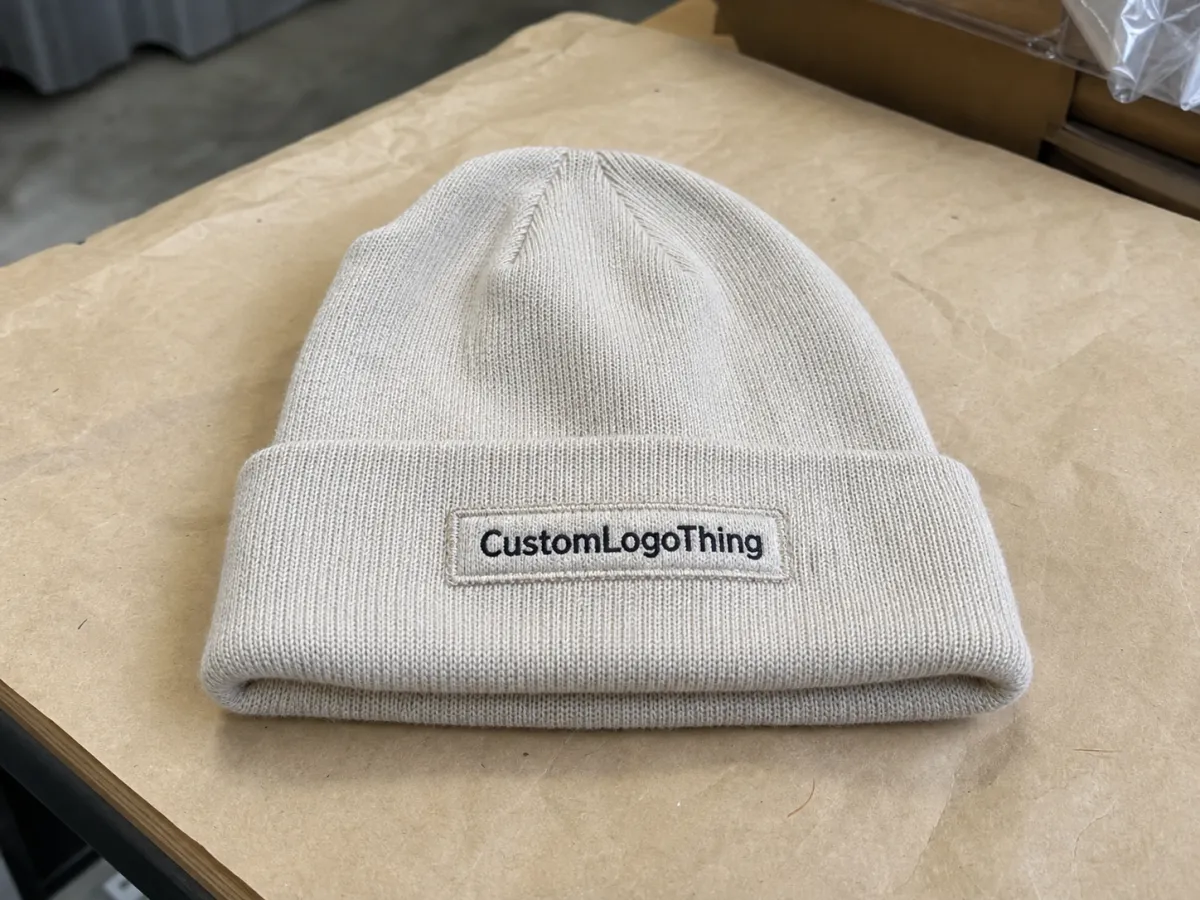
Use this pet treat cuffed knit beanies Digital Proof Checklist to catch artwork, yarn color, cuff size, and timing issues before production starts cleanly.
Why One Missing Detail Can Stall a Beanie Proof
The delays that frustrate buyers most often do not come from the knitting machine itself. They come from small proof gaps: a logo placed a little too high on the cuff, a color reference left as a screen grab, or an approval email that says “looks good” without confirming the one detail the factory still needs. A pet treat cuffed knit beanies Digital Proof Checklist solves that problem by turning loose feedback into a clean approval record.
For pet treat brands, the beanie usually has to do two jobs at once. It needs to feel seasonal or giftable, and it also has to hold up as a piece of brand merchandise people will actually wear. That makes the proof more than a picture. It is the place where logo placement, cuff treatment, yarn color, and finishing method get translated into something a factory can build without guessing.
A cuffed knit beanie leaves little room for error. The cuff may be the main branding zone, but it is also the part most affected by fold height, stretch, and stitch tension. A logo that looks centered on screen can land awkwardly once the cuff is folded and the knit relaxes. A buyer may not catch that until the first sample arrives, which is usually the most expensive moment to discover it.
A useful proof answers one question without a follow-up call: will the art land in the right place, at the right size, in the right color, with the right finish?
That is the standard to use here. If the proof cannot answer it, the order is not ready.
How Digital Proofing Works for Cuffed Knit Beanies
The proof flow is usually simple on paper. The supplier receives the artwork, checks it against the decoration method, builds a mockup, and sends back a digital proof showing the beanie body, cuff, and branding area. In practice, the value of that proof depends on whether it reflects how the knit will actually behave once yarn, tension, and folding are involved.
That matters because knit fabric does not behave like a flat substrate. Ribbed cuffs stretch. Heavier yarn can soften small details. Thin lettering that looks crisp in Illustrator may blur after it is translated into stitches or embroidery thread. A good proof shows that the supplier has already accounted for those limitations, not just placed a logo over a stock image.
There is a real difference between a visual proof and a production spec sheet. The visual proof helps the buyer evaluate proportion and placement. The spec sheet tells the factory what to build: cuff height, beanie length, decoration size, yarn reference, label position, and any special finishing note. If those two documents do not match, the order becomes harder to control once production starts.
At minimum, the proof should make these details visible:
- Color references tied to Pantone, approved yarn names, or physical swatches.
- Decoration position on the cuff or body, ideally with a measurement or reference point.
- Artwork size and orientation, especially for centered logos or left-right placement.
- Finishing method such as embroidery, woven patch, woven label, applique, or knitted-in artwork.
- Seam and fold awareness so the design does not land across a problem area.
If the order includes mixed decoration methods, the proof should separate them clearly. A woven patch on the cuff, a knit logo in the body, and a hang tag attachment are not interchangeable. They use different setup steps, different tolerances, and sometimes different minimums.
For buyers comparing knit styles or trim options, a manufacturing capabilities page can help confirm which decoration and finishing routes are actually available before the proof is approved. That is a practical step, not a sales one. It keeps the team from signing off on a build that the supplier cannot reproduce cleanly.
Spec Details That Change the Final Approval
Small spec changes can alter the entire read of the beanie. Yarn type is the easiest example. Standard acrylic, acrylic-blend, and wool-blend yarns do not look or feel the same once they are knitted. Acrylic is common because it is economical and predictable. Wool blends feel warmer and more premium, but they also cost more and can tighten the acceptable range for color matching.
Stitch density is another quiet variable. A tighter gauge can sharpen shapes, yet it can also make the beanie feel firmer. A looser knit tends to feel softer, but fine lines may disappear. That tradeoff matters if the logo includes thin outlines, small type, or narrow spacing. A design that reads clearly on a monitor can become muddy once translated into yarn.
Decoration method affects that same equation. Knitted-in art usually works best for bold shapes and simplified logos. Embroidery can support smaller runs and more flexible revisions, but it adds texture and can slightly distort the fabric underneath. Patches and appliques give the brand more control over detail, though they add another material layer and another point of failure if the edge finish is not clean.
Color approval deserves the same discipline. Do not rely on a laptop screen alone. Ask for Pantone references where possible, or for approved yarn swatches if the design is knit in. If the supplier uses its own yarn naming system, get that name written into the proof notes. Screen color drift is normal; production confusion is not. A buyer who approves a glowing teal on a bright display may be surprised by a more muted shade in actual yarn.
Fit and sizing also matter more than most proofs admit. A cuffed knit beanie can look nearly identical in mockup while wearing very differently once it is stretched onto a head form. Crown depth, cuff fold height, and overall length all change the silhouette. A half-inch change in cuff height may seem trivial in a PDF. In hand, it can move the decoration enough to make the whole piece feel off balance.
Material specs should be spelled out when possible. For example, many cuffed beanies use a 100% acrylic or acrylic-blend shell with a double-fold cuff, but that is not universal. Some are brushed for a softer handfeel. Some use recycled yarn content. Some use a heavier gauge for colder-weather retail. Each choice affects price, drape, and the proof itself.
If packaging includes paper hang tags, belly bands, or inserts, confirm the paper standard before the proof is finalized. FSC-certified paper can matter for brand policies and sustainability claims. It does not change the knit, but it does change the document trail, and the document trail matters during launch season.
Production Process and Timeline: From Proof to Turnaround
A clean timeline usually follows the same sequence: artwork intake, technical review, first proof, buyer review, revision if needed, final sign-off, and production release. The speed of each step depends less on the factory than on how organized the approval chain is on the buyer side.
The first questions should be settled before anyone says yes. Is the logo placement locked? Is the cuff height fixed? Does the approval include shipping date or only factory completion? If those answers are scattered across separate emails, the schedule starts slipping even when the design is straightforward.
One of the biggest causes of delay is split feedback. Marketing wants one tweak, sales wants another, and operations notices that nobody confirmed the carton count. Then the comments arrive in three messages, sometimes with conflicting instructions. A single consolidated approval note is cleaner: what is approved, what is changed, and what the supplier should proceed with exactly as shown.
Typical proof turnaround is fairly fast when files are complete. A first digital proof often returns within 1 to 3 business days. Revisions may take another 1 to 2 business days each, depending on complexity and internal workload. Final production lead time commonly falls in the 15 to 30 business day range for standard custom knit orders, though dense decoration, lower MOQ, special labeling, or peak-season demand can extend that. Shipping adds its own clock on top of manufacturing.
That timing is not just a scheduling note. It affects material allocation. If a buyer approves a proof and then changes the color or cuff size after yarn has been reserved, part of the process may need to restart. That is where lead time gets eaten. A quick revision early in the proof stage is usually harmless. The same revision after materials are committed can be expensive and slow.
For transit-heavy programs, especially retailer drops or ecommerce fulfillment, packaging should be checked against shipping expectations before release. Outer cartons still have to survive stacking, vibration, and handling without crushing the product inside. Even soft goods can arrive in poor condition if the carton spec is weak or the pack count is inconsistent.
If the supplier already has decoration or yarn queued, post-approval changes can restart part of the order. The cleanest approvals are the ones that arrive with final artwork, final color references, final quantity, and a named approver. That combination cuts the number of back-and-forth messages dramatically.
Cost, Pricing, MOQ, and Quote Drivers
Pricing for Cuffed Knit Beanies usually follows a few predictable levers: quantity, decoration method, number of colors, yarn choice, and any special finishing such as woven labels, patches, or individual polybags. On a simple order, the base beanie is only part of the story. The decoration and setup can move the quote more than buyers expect.
MOQ matters because the setup burden gets spread differently across the run. A 250-piece order and a 5,000-piece order may use the same artwork, but the fixed review, knitting, and decoration steps are not the same. Smaller runs usually carry a higher per-unit burden. Larger runs often reduce unit cost, though not always if the design becomes more complex or the packaging spec becomes unusually specific.
For a straightforward one-color logo on a cuffed knit beanie, many suppliers will quote somewhere around $4.50 to $7.50 per unit at 500 pieces, before freight and special packaging. At 5,000 pieces, that range often falls closer to $2.25 to $4.00 per unit, again depending on yarn quality, stitch count, and how the logo is built. Those numbers are directional, not universal, but they are useful for spotting a quote that is unusually high or suspiciously low.
| Decoration route | Typical setup burden | Quote impact | Best fit |
|---|---|---|---|
| Knitted-in logo | Higher design setup, then efficient on repeat runs | Often strongest value at larger quantities | Bold art, simple shapes, brand marks that can work in yarn |
| Embroidery on cuff | Moderate setup, usually flexible for smaller runs | Commonly adds about $0.35 to $1.25 per unit | Cleaner logos, small text limits, faster proof adjustments |
| Woven patch or applique | Patch minimums plus attachment step | Often adds about $0.45 to $1.50 per unit | Detailed logos, multi-color branding, premium look |
Sampling and proof revisions can also move the final price. If the first proof is clean, costs stay more predictable. If the buyer keeps changing cuff height, decoration size, or labeling, the quote may rise because the supplier has to revise setup work and sometimes resubmit material plans. Rush production usually adds another layer of pressure, especially if the order needs to move ahead of booked jobs.
When comparing quotes, make sure the build scope is the same. A lower number may hide a smaller cuff, fewer colors, thinner yarn, or a simpler finishing package. A quote that looks high may actually include better yarn, more careful placement control, or cleaner packaging. The only fair comparison is one made against the same spec sheet.
Common Proof Mistakes That Create Delays
The most common mistake is approving the image without checking the exact artwork position on the cuff. A logo can look centered in the mockup and still land slightly off once the beanie is folded, stitched, or knit. That risk is higher with cuffed styles because the fold itself creates visual weight on one side.
Low-resolution logos create another problem. A flattened JPEG may look fine in email, but if the supplier cannot see clean edges, hidden layers, or the correct vector structure, the proof becomes approximate. At that point the factory may need a better file before it can confirm stitch count, line thickness, or patch scale.
Color is a frequent trap as well. Buyers sometimes approve a screen rendering and later expect the factory to match that exact shade in yarn, thread, or patch material. That is not a safe assumption. Yarn, embroidery thread, and knit texture each handle color differently. A good proof should name the standard being used, not just display a cheerful approximation.
Another delay source is inconsistent terminology. One person says “cream,” another says “ivory,” and a third says “off-white.” Those are not the same on a production ticket unless the spec sheet defines them. Small wording gaps create big correction loops once the order is live.
The last major delay comes from approval bottlenecks. If one person reviews the proof, another person signs the purchase order, and a third controls shipping, the process slows down unless all three see the same information. That is why a final approval message should identify the approved artwork, the approved color reference, the approved quantity, and the approved delivery expectation.
From a practical buyer’s point of view, most of these issues are avoidable. They are not design failures. They are communication failures.
Expert Tips for Faster Approvals and Cleaner Results
Vector artwork is still the best starting point. It scales cleanly, keeps lines sharp, and gives the supplier a better shot at translating the logo into knit or embroidery without guessing at edge quality. If the brand only has a raster file, it may still work, but the proof should be reviewed more carefully for line thickness and small text.
Build one internal checklist and make every reviewer use the same version. The list should cover artwork size, cuff placement, yarn color, decoration method, packaging, and deadline. That sounds basic, but it prevents the common problem of one department approving the graphic while another notices the beanie size is wrong. A single checklist keeps the conversation focused and short.
Ask the supplier to mark any detail that could shift the visual outcome. That includes exact cuff fold placement, minimum readable text size, any seam-sensitive artwork, and whether the decoration is intended to sit flat or slightly elevated. Those notes are not decoration; they are protection against expensive assumptions.
Here is a simple approval order that works well in practice:
- Confirm the logo file is final and in vector format if possible.
- Check color references against Pantone, yarn swatches, or approved supplier names.
- Verify cuff height, overall beanie length, and decoration placement.
- Review packaging or labeling notes, including any FSC paper requirement.
- Reply with one consolidated approval message that states exactly what is approved.
Buyers often ask for one more revision after the proof looks almost right. The problem is that “almost right” can mean very different things. If the logo needs to move 3 mm, say so. If the cuff should be folded higher, say that too. Vagueness creates rework, and rework is what pushes a simple beanie order from manageable to annoying.
Another practical habit: keep one source of truth for the approved file. A shared folder, a dated PDF, or a clearly named email thread is enough. What matters is that the final proof does not get lost under later comments. Once a supplier moves to production, the last approved version is the version that should govern the job.
For teams comparing decoration routes before sign-off, a manufacturing capabilities page can help align expectations early instead of after the proof has already been built. That is useful because the proof should reflect what the factory can actually produce, not an idealized version of it.
That discipline saves more than time. It reduces rework, keeps pricing steadier, and gives the supplier a cleaner release path. If the final logo files, color reference, quantity, and approval owner are all in place before the first proof is sent, the order usually moves with far less friction. That is the real purpose of a pet treat cuffed knit Beanies Digital Proof Checklist: catch the small misses early so production can start with confidence.
What should a pet treat cuffed knit beanies digital proof checklist include?
Artwork placement, cuff height, beanie color, logo size, and decoration method should all be checked together. It should also confirm the approval contact, target quantity, packaging notes, and delivery timeline before production starts.
How many revision rounds are normal for a cuffed knit beanie proof?
One to two rounds is common when the artwork is organized and the buyer feedback is consolidated. More revisions usually mean the specs were incomplete, the colors were not confirmed, or the proof was reviewed by too many people separately.
What details affect pricing on custom cuffed knit beanies the most?
Quantity, decoration complexity, color count, yarn choice, and special finishing options have the biggest impact on unit cost. Rush timing, sampling, and lower MOQ levels can also raise the quote even when the design looks simple.
How long does proof approval usually take for knitted beanies?
A clean approval can happen quickly if the buyer has final artwork and one decision-maker ready to review. Delays usually come from missing specs, unclear color references, or waiting on internal sign-off.
What files work best when sending a beanie proof request?
Vector files are best for logos because they stay crisp at different sizes and are easier to place accurately. Include any brand color references, placement notes, and special instructions so the proof reflects the production intent.