Pet Treat Embroidered Baseball Caps Digital Proof Checklist
Pet treat embroidered baseball caps Digital Proof Checklist decisions tend to matter most at the point buyers least expect: not during design brainstorming, but after the logo has been translated into stitches. A mark that looks sharp in vector art can change once it meets a curved front panel, a center seam, and the limits of embroidery thread. That matters even more for pet treat brands, where the artwork often combines playful naming, small product cues, and ingredients or flavor notes that still need to read clearly from a few feet away.
A proof is not a marketing image. It is a production document with enough visual context to prevent expensive assumptions. If the cap blank, placement, stitch count, or thread choices are vague, the final hat can be technically correct and still feel wrong. For buyers comparing samples, line-by-line approval is usually the difference between a smooth first run and a round of corrections that pushes the schedule back several days.
Why the proof matters more than the cap blank
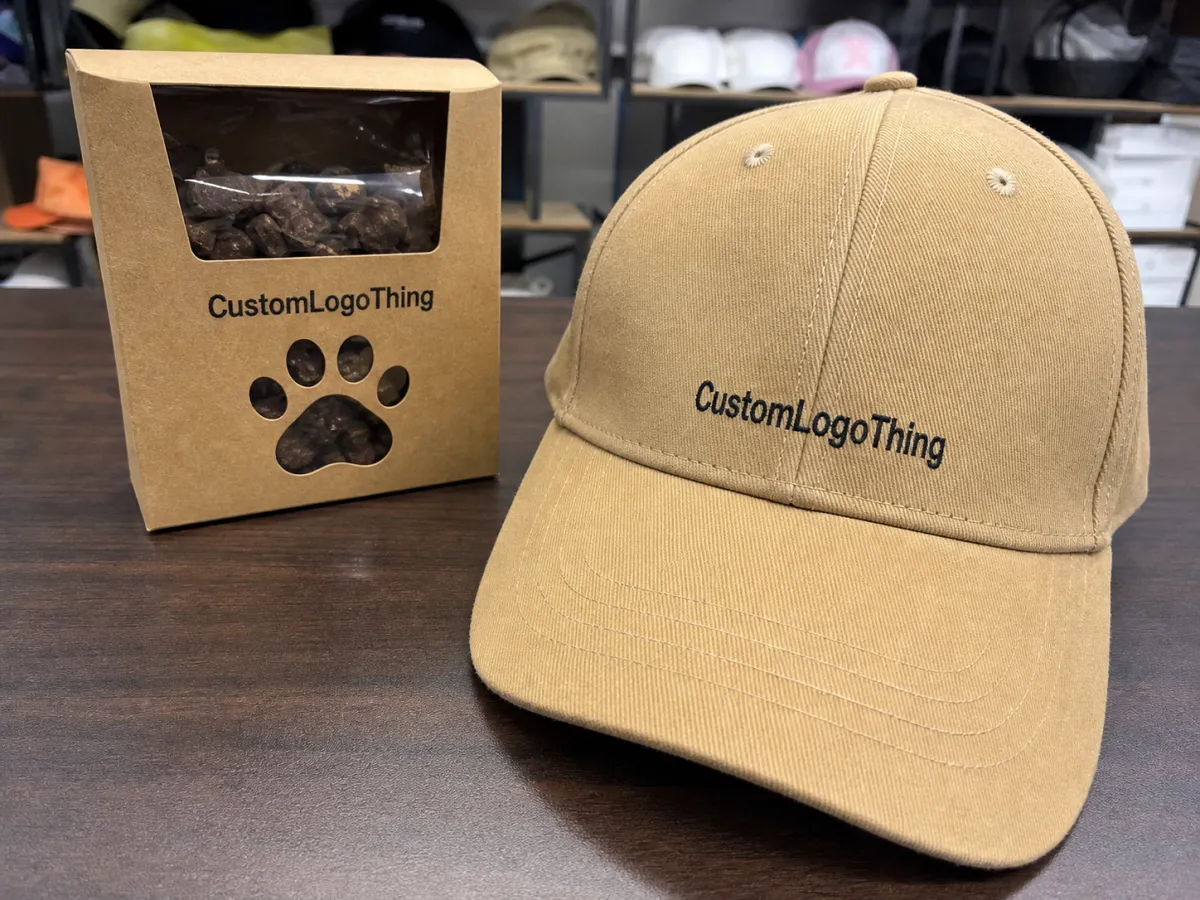
A better cap blank helps, but it does not rescue a weak proof. In practice, the structure of the hat, the seam layout, and the embroidery method can change the final look more than the buyer first expects. A logo centered on a screen mockup may sit slightly off once it is mapped onto a six-panel crown. Fine script can also look elegant in artwork and then fail in production because the machine cannot lay thread cleanly across delicate letterforms.
That is why the digital proof should show the actual production plan, not just a decorated hat. For Embroidered Baseball Caps, the proof needs to communicate placement, stitch direction, color intent, and any design limits created by the cap itself. That becomes especially important for pet treat brands, where the artwork may include short words, mascots, rounded shapes, or secondary copy that leaves little room for error.
Buyers often focus on whether the design looks attractive. The stronger question is whether it can be sewn cleanly at scale. Once a proof is approved, the file becomes the basis for production. Changing the design after that point can mean a second digitizing pass, a delay in line time, or both. A clean proof keeps those problems off the calendar.
A proof should answer one question clearly: will this stitch the way the brand expects it to?
If you want a benchmark for how production detail should be handled, review the same discipline across a supplier's Manufacturing Capabilities page. The useful ones do not just list equipment; they show where design choices turn into practical limits.
How artwork turns into an approved cap proof
The process usually starts with the artwork file. A clean vector file in AI, EPS, or SVG format gives the digitizer the best chance of building a stitch file without guesswork. High-resolution PNG files can work as a reference, but once a design includes tiny text, narrow outlines, or layered shapes, vector art is the safer starting point. If the only source is a JPEG, the design often needs tracing and cleanup before digitizing begins.
Once the artwork has been prepared, the proof should show more than a simple front view. A useful cap proof usually includes the decoration location, a measured size reference, thread color callouts, and notes about any design simplifications. For a standard left-front placement, the decoration is often about 2.75 to 4 inches wide, depending on the cap style and the visual weight of the logo. That range is not a rule; it is a practical starting point that keeps the emblem visible without overwhelming the crown.
Common proof details include:
- Front placement with a clear width or height reference.
- Thread color callouts based on the closest practical thread match, not an exact screen color promise.
- Cap construction such as structured, unstructured, low-profile, or six-panel.
- Stitch limitations for thin lines, small lettering, dense fills, or sharp corners.
- Optional locations for side, back, or closure embroidery when the order needs more than one hit.
That level of detail helps the buyer compare intent to reality. A pet treat brand may like a thin script or a small ingredient line, but if the stitch field cannot support it, the proof should say so directly. Vague language only makes rework more likely.
Approval is the point where the file becomes production-ready. After that, revisions are no longer simple design edits. They can affect digitizing, queue position, and delivery date. In a short run, that can be the difference between shipment next week and shipment after the launch window has already passed.
Key proof details that control stitch quality and fit
Four details drive most of the result: artwork quality, cap construction, thread choice, and stitch build. Miss one of them and the final hat can look off even if the design seemed fine on paper.
Artwork cleanliness. Blurry edges, broken outlines, and weak typography create cleanup work before the file can even be digitized. Small text is the biggest risk. A font that looks refined on a screen may need to be thickened, simplified, or dropped entirely if the lettering is too fragile for embroidery. For pet treat branding, this comes up often with product names, short taglines, and ingredient copy that was never meant to live inside a small embroidery field.
Cap construction. Structured caps usually support embroidery better than soft unstructured styles because the front panel holds shape under the needle. A six-panel cap with a center seam can affect placement if the logo crosses the break. Fabric also matters: brushed cotton, heavy twill, and washed cotton each respond a little differently to thread tension and backing. The proof should reflect the exact blank, not a generic hat silhouette.
Thread color and sheen. Embroidery thread is not ink. It reflects light, carries texture, and changes how color reads under store lighting or on camera. A proof should identify the closest available thread match and avoid promising a perfect Pantone match unless that tolerance has already been defined in writing. Deep reds, dark greens, and pale neutrals can all read differently once stitched.
Stitch density and backing. Dense fills can make a logo feel heavy and stiff, while loose spacing can leave gaps. Backing helps control puckering, but poor stabilization on a curved front panel can still distort the embroidery. For a typical cap logo, stitch counts often land around 7,000 to 10,000 stitches for a clean result. Beyond that, the design can become noticeably denser, which is not always a problem, but it should be obvious in the proof so the buyer knows what they are approving.
Material and compliance habits also matter when the cap is part of a broader branded package. If a program includes hangtags, inserts, or secondary printed items, the same proofing mindset should carry over to certified sourcing references such as the FSC. For shipping protection on samples or mixed merchandise orders, the International Safe Transit Association testing framework is a useful reminder that the box and its contents need to survive transit, not just photography.
It also helps to confirm practical constraints early. Multiple cap styles, multiple placement locations, or retail compliance language can all change what needs to be approved. If the order uses more than one decoration method, confirm that before the proof is signed off. A clean approval packet should include the exact cap style, the exact location, and the exact thread set. Anything less invites confusion later.
Pricing factors that shape the cap quote
Unit price is only part of the story. A cap quote is usually built from digitizing, stitch count, cap blank quality, number of decoration locations, and revision workload. The first logo rarely tells the whole truth. A simple left-front mark may stay economical, while a front, side, and back combination adds machine time and setup with each extra location.
For small to mid-size runs, a digitizing fee often falls between $35 and $90, depending on artwork complexity. Standard embroidery might add about $1.25 to $3.85 per cap after setup, though dense designs, multiple thread changes, or extra placements can push the price higher. Quantity matters too. A 48-piece order usually costs more per cap than a 250-piece or 500-piece run because the setup is spread across fewer units.
| Option | Typical setup | Common price range | Best for | Main watch-out |
|---|---|---|---|---|
| Simple left-front embroidery | 1 location, 1-3 thread colors, clean vector art | $1.25-$2.25 per cap after setup | Compact logos and fast approvals | Fine text can drop out during stitch conversion |
| Multi-color front logo | 1 front location, higher stitch count, more color changes | $2.10-$3.85 per cap after setup | Pet treat brands with mascots or playful typography | Dense fills can stiffen the crown |
| Front plus side or back hit | 2-3 locations, extra digitizing, separate placement notes | $3.50-$6.25 per cap after setup | Retail programs, event kits, premium merch | More locations increase alignment risk |
Rush timing, sample requests, and revision rounds also affect the final number. A second proof, a narrower size request, or a new thread set after approval can move the job back into custom work. That is not unusual, but it should be reflected before anyone signs. The clearest quotes spell out what the setup fee covers, how many proof rounds are included, and whether the order includes one location or several.
The fairest way to handle pricing is to treat the proof as part of the quote. If the proof shows one location and the buyer later wants two, the price should change. If the artwork is simplified because the original font is too thin, that change should show up before approval. That keeps the pet treat embroidered baseball caps Digital Proof Checklist from becoming a budget problem after production has already started.
Proof process and turnaround from artwork to approval
A standard proof cycle is usually faster than buyers expect if the artwork is clean. File intake can happen the same day the order is placed. Digitizing often takes one to two business days for a straightforward logo, and the first proof may follow immediately after that. If the buyer responds quickly with direct notes, a revision can be turned around in another day or two. After final signoff, production commonly runs in the 7 to 12 business day range for standard orders, while more detailed jobs or larger quantities can stretch to 12 to 15 business days.
Most delays show up in the middle of the process. Missing fonts, unclear placement, fuzzy artwork, and uncertain thread colors all slow the proof down. The fastest orders begin with vector artwork and a buyer who already knows the cap style and decoration location. If the proof only needs a quick review and a few small adjustments, the schedule stays predictable. If the artwork still needs interpretation, the calendar gets longer.
Before release, the production team should have these items in writing:
- Final cap style, including structured or unstructured construction and closure type.
- Approved thread colors, based on practical matches rather than abstract color names.
- Confirmed logo size and location, measured from a fixed point on the cap.
- Written approval from the buyer or an authorized contact.
That list sounds basic because it is basic. Yet many revisions happen because one of those pieces was assumed instead of confirmed. A proof should remove ambiguity, not preserve it.
If a company already sources other branded goods, it helps to keep the cap proof aligned with the rest of the program. Packaging language, product names, and color references should all match across assets. A small mismatch in one place can trigger bigger problems later, especially if the caps are part of a retail bundle or event kit.
For repeat orders, keep the approved proof with the exact cap style noted. A reorder on a different blank can still shift the result even if the logo stays the same. The same embroidery file may not behave the same way on a different crown shape, so the approval record should stay attached to the cap specification, not just the artwork.
Common proof mistakes that lead to rework and delays
The most common mistake is approving the proof too small to reveal problems. A logo can look fine in a thumbnail and still lose a letter, close up a gap, or turn a clean outline into a filled-in shape once it is stitched. Small text is usually the culprit. Thin outlines around mascot art and crowded taglines are close behind.
The second mistake is ignoring seam placement. A centered logo on a flat mockup can still land awkwardly on a real cap if it crosses a panel break or sits too close to the front seam. That can make the logo feel crooked even when the machine executed the file correctly. The third mistake is expecting printed-color precision from thread. Thread has sheen and texture, and both change how color reads under daylight, store LEDs, and camera flash.
Size is another pressure point. A logo that is technically correct at 2.5 inches wide may still feel too small on a larger crown, while a taller design can climb too high and crowd the brim. The proof should show the measurement and the placement together. A number without context does not help much.
Before approving the final version, run through a short check:
- Compare the proof against the original artwork one last time.
- Confirm the cap style, closure, and panel construction.
- Check any small text, thin lines, and simplification notes.
- Save the approved proof with the order record for future reorders.
One more practical habit helps a lot: read the proof like a production file, not like a design pitch. If a line looks fragile, it probably is. If the logo seems too close to a seam, it probably will be. That discipline saves time, money, and disappointment.
FAQ
What should I look for in a pet treat embroidered baseball caps digital proof?
Check logo placement, cap style, thread colors, and whether the small text still reads clearly after stitch conversion. Confirm that the proof notes any limitations, such as seam interference, thin line simplification, or reduced detail in dense areas. Make sure the approved version matches the exact hat style and decoration location you want produced.
How many revisions are normal before approving an embroidered cap proof?
One to two revisions is common when the original artwork is clean and the buyer responds quickly with clear decisions. More rounds usually mean the design needs stronger cleanup, better sizing, or clearer direction on thread and placement. Each revision should move the proof toward production, not reopen the entire concept unless the artwork actually changed.
Will small pet treat logo text embroider cleanly on baseball caps?
Sometimes, but only if the letters are thick enough and the wording is short enough to survive stitch conversion. Very fine fonts, script lettering, and tiny ingredient copy often need to be simplified or enlarged. A good proof should flag when text is approaching the smallest practical size for the chosen cap style.
How does cap style affect the proof and final embroidery result?
Structured caps usually hold embroidery better on the front panel, while unstructured styles can show more puckering or distortion. Panel seams, low crowns, and curved brims change how the design sits, so placement should be evaluated on the actual cap type. The proof should reflect those constraints instead of showing a generic flat mockup that hides production realities.
Can I speed up turnaround by approving the proof faster?
Yes. Quick approval usually shortens the schedule because digitizing and production can start without waiting for more clarification. The fastest orders happen when the buyer sends clean vector art, confirms colors early, and keeps revision requests focused. Fast approval only helps if the proof is already complete, so do not rush signoff on anything that still feels uncertain.


