Pet Treat Embroidered Beanies Unit Cost Review & Quote
A pet treat brand usually has a narrow brief for winter merch: the beanie has to look clean, feel worth keeping, and still leave room for margin after decoration, packing, and freight. That is why a pet treat embroidered beanies Unit Cost Review belongs at the start of the buying process. Once the art is finalized and the launch date is fixed, there is very little room left to correct an expensive spec.
The strongest programs are rarely the most decorated. They are the ones that keep the knit body simple, size the embroidery correctly, and make the quote transparent enough to compare line by line. A good supplier should be able to show what is included, what is separate, and which choices actually move the number. If that information is missing, the price is only a headline.
Why embroidered beanies work for pet treat brands
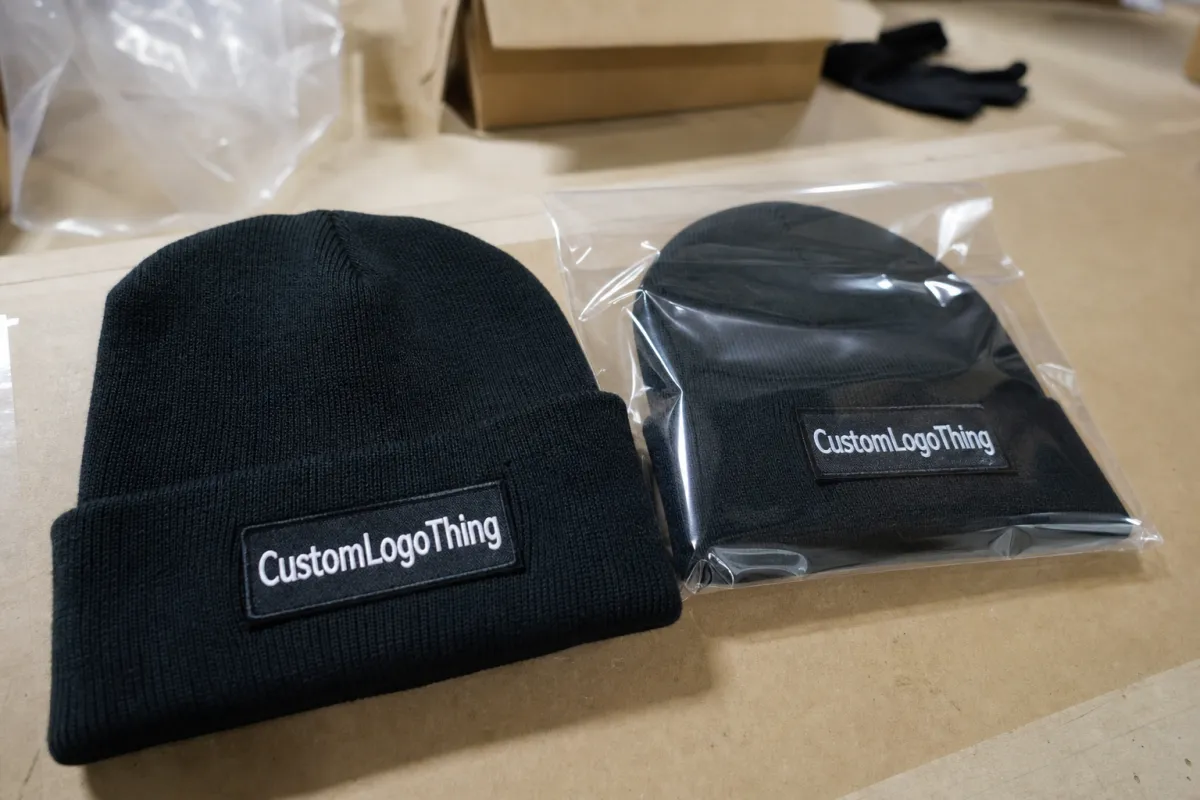
A beanie does more for a pet treat company than most seasonal promo items. It travels through stores, adoption events, dog parks, holiday bundles, and staff uniforms without looking disposable. That real-world visibility is the reason embroidered beanies often outperform flat giveaways. The knit texture gives the product presence, and embroidery adds structure that printing cannot match.
There is also a buyer psychology issue here. A printed winter accessory can look like collateral. A cuffed beanie with dense, clean stitching looks like retail merchandise, even when the order is meant for promotion. The difference is not subtle once the item is in hand. The cuff holds the logo in a visible zone, the knit body gives the piece weight, and the thread sheen changes how the brand reads from a distance.
For pet treat brands, that matters because the use case is rarely just one thing. A single style may need to work for team wear, gift-with-purchase programs, holiday packs, and limited-edition resale. Each of those uses puts pressure on a different part of the spec. Teamwear wants durability. Retail wants presentation. Giveaways want price control. One beanie can cover all three, but only if the decoration size and material are chosen with discipline.
There is a pricing advantage too. Compared with more complex decorated accessories, a straightforward embroidered beanie can deliver a premium look without a dramatic jump in unit cost. A logo that fits the space cleanly often improves perceived value more than an oversized design with too many stitch changes. That is one of the easiest places to save money without making the product look cheaper.
Product details that change the final result
The knit shape has more influence than many buyers expect. A cuffed beanie gives the decoration a defined stage and usually the best branding visibility. A slouch style feels softer and more fashion-led, but the logo can sit lower or distort more easily on the head. Uncuffed styles can look modern, though they offer less protection for the embroidery zone if the design is wide or detailed.
Material finish matters just as much. Rib knit is common because it stretches well and holds its shape, especially on standard adult fits. A smoother knit can read more refined, but it may show stitch imperfections more clearly. Heavy-gauge winter knits add substance and warmth, yet they use more yarn and can push the quote upward. That is a practical tradeoff, not a styling preference.
Placement should be decided before sample approval. Center front embroidery gives the strongest retail read and is the easiest to spot in photos. Left cuff placement is quieter and often suits brands that want something wearable beyond a single campaign. Tone-on-tone embroidery can be effective when the logo should feel premium rather than promotional. If the art contains fine type or thin lines, a woven patch or mixed decoration may be smarter than forcing every detail into thread.
Small design decisions change the retail impression fast. A compact logo with clean negative space nearly always looks more expensive than a crowded mark squeezed across the front panel. In beanie production, restraint usually helps the result.
Materials, sizing, and decoration specifications
Acrylic remains the most common base because it is predictable, widely available, and relatively affordable. It also accepts embroidery well. Acrylic blends can improve hand feel or drape, while recycled yarns support sustainability claims if the brand wants that story on the hangtag or packaging. Those recycled options are useful, but buyers should expect more variation in color availability and sometimes higher pricing. Heavier yarn counts improve warmth and give the beanie more body, though they increase material usage and can affect both lead time and cost.
Fit is another place where a small change creates a large difference in usability. A standard adult cuffed beanie is the safest choice for broad distribution because it handles different head sizes with less risk. A tighter fit can look more fitted and retail-friendly, but it may not suit every wearer. Slouch silhouettes are popular in lifestyle merchandising, yet they are not always the best choice for a brand that wants consistent logo visibility from multiple angles.
Color matching deserves a realistic approach. Knit yarns are not the same as printed surfaces, so exact PMS matching is rarely perfect on the beanie body itself. The embroidery thread, however, can usually get much closer. A better buying process is to align the knit base with the general palette and then confirm thread matches separately. If the brand guideline is strict, send PMS references early and ask for the closest available yarn and thread pairings before any quote is locked.
Decoration specs should be measured, not guessed. Logo width, stitch count, and thread color count are the numbers that actually shape the quote. A simple front logo may sit around 4,000 to 7,000 stitches. A multicolor or highly detailed mark can move into 10,000 to 14,000 stitches or more, depending on size and fill. That extra machine time matters. So does the number of thread changes. A cleaner logo often produces a cleaner beanie and keeps the cost under control.
- Acrylic: most common for bulk programs; predictable and price-efficient.
- Acrylic blend: useful when softness or drape matters more than baseline cost.
- Recycled yarn: good for lower-impact positioning, with tighter supply constraints.
- Heavier winter knit: warmer and more substantial, but usually priced higher.
Unit cost, MOQ, and quote factors
The price question usually comes down to five variables: quantity tier, material weight, embroidery size, thread complexity, and packaging. If the order includes a woven label, hangtag, belly band, retail fold, or individual polybag, the cost will move. Buyers sometimes assume all of that is baked into the base number. It usually is not. A useful quote spells out exactly which pieces are included and which ones are optional.
MOQ changes the math quickly. A smaller order absorbs the same setup work across fewer units, so the unit cost rises. Larger runs lower the cost per piece because digitizing, proofing, sampling, and production setup are spread across a wider quantity. That is why a beanie can look expensive at 100 pieces and perfectly reasonable at 1,000. A good buyer does not just ask for the lowest number; they ask which quantity tier fits the actual program.
For reference, these ranges are more realistic for bulk embroidered beanie programs priced before freight:
| Option | Typical MOQ | Typical bulk pricing | Best use |
|---|---|---|---|
| Standard cuffed acrylic with one-location embroidery | 100-300 pcs | $2.60-$4.50 per piece | Events, staff wear, seasonal promos |
| Recycled yarn beanie with one- or two-color embroidery | 150-500 pcs | $3.20-$5.80 per piece | Sustainability-led merchandising |
| Heavier knit beanie with larger logo coverage | 300-1,000 pcs | $4.00-$7.20 per piece | Retail, premium gifting, winter launches |
| Patch plus embroidery combination | 200-500 pcs | $3.60-$6.90 per piece | Detailed artwork, fashion-led presentation |
Those ranges are not fixed prices. They shift with yarn availability, decoration size, thread count, packing requirements, and the timing of the order. A quote can also hide small differences that matter later: sample cost, digitizing, color matching, carton labeling, or whether cartons are packed by style and color. That is why apples-to-apples comparison matters more than chasing the lowest headline number.
A cheap quote is only cheap if the sample is approved fast, the embroidery lands cleanly on the first run, and the cartons arrive on time. Once rework enters the picture, the margin story changes quickly.
Packaging standards can also affect the final buying decision. Many retail programs need a fold that sits cleanly in the carton, and some require simple hangtags or belly bands that do not interfere with the knit shape. If transit performance matters, look at basic carton handling standards such as those referenced by ISTA. For recycled paper inserts or labels, FSC is the benchmark most buyers recognize. Packaging context from packaging.org can also help when the finish needs to feel retail-ready rather than purely promotional.
Quality-control checks that protect the order
Embroidered beanies fail in predictable ways, and most of those problems are visible before bulk production if somebody checks the right details. The first sample should confirm placement, stitch density, thread color, knit stretch, and cuff depth. If the logo sits too high or too low, the bulk run will only repeat the mistake. If the thread is too dense for the yarn, the fabric may pucker. If the artwork is too fine, the edges can blur and the brand mark loses clarity.
Production teams also need to inspect the inside of the knit after embroidery. A logo can look fine on the front while the back shows tension issues or loose threads. That matters on a beanie because the inside touches the wearer’s forehead. A rough backing can create comfort complaints even when the front looks polished. Buyers rarely ask about this until they see a sample, but it is one of the easiest checks to add early.
Color consistency deserves attention too. Thread dye lots can shift slightly, especially across larger orders or split shipments. A master approval sample is useful because it gives both sides a physical target. If a second batch is produced later, that sample becomes the reference point. Without it, comparisons become subjective very quickly.
There is also a packing check that should not be skipped. Retail fold, barcode label, bulk carton count, and individual bagging all affect how the order lands at warehouse intake. A beanie that looks right but arrives packed incorrectly can create more work than the decoration ever saved. In practice, that is where many orders lose time. Not in embroidery, but in fulfillment details that nobody defined clearly enough.
Process and lead time from artwork to shipment
The production sequence is usually straightforward: quote review, artwork confirmation, digitizing, sample approval, bulk production, and packing. The parts are simple. The timing is not. Most delays happen because a design is not prepared in the right file format, a color reference is vague, or the sample round takes longer than the buyer expected. A factory can move quickly only when the approvals are specific.
Artwork quality is often the first bottleneck. Vector files in AI, EPS, or properly prepared PDF format reduce back-and-forth. Raster art can work for reference, but it is not ideal for embroidery setup because stitch mapping needs clean lines and scalable shapes. If the brand has PMS references, include them. If there is a previous approved sample, send photos and measurements. Those references reduce guesswork, which usually saves more time than aggressive scheduling ever will.
Lead time depends on decoration complexity and whether the beanie body is standard or custom. Simple embroidered orders often move in about 12 to 18 business days after proof approval. More involved orders, such as larger stitch counts, multi-thread artwork, or specialty yarn choices, often land in the 18 to 28 business day range. If the order needs custom labels or retail pack-out, add time for those steps. Freight should be planned separately from production; a finished order still has to get there.
Rush orders exist, but they are a tradeoff. They can compress sample review and production windows, which raises the risk of missing a small detail that would have been easy to fix with more time. If the beanies are tied to a seasonal release, trade show, or holiday bundle, the safer move is to set the launch date first and work backward from there.
That is why a careful pet treat embroidered beanies Unit Cost Review is never just about the number on the quote. It is about whether the schedule, sample process, and packing assumptions all line up with the launch plan.
What to send for an accurate quote
A precise quote starts with the right inputs. The logo matters, but it is only one part of the job. The more the quote reflects actual production conditions, the fewer surprises appear later.
- Logo file: vector preferred, with approved versions clearly identified.
- Quantity: total units and any split by color or style.
- Beanie style: cuffed, slouch, recycled yarn, or heavier knit.
- Decoration: embroidery location, approximate width, and thread color count.
- Packaging: polybag, hangtag, belly band, carton count, or retail-ready pack-out.
- Timing: target ship window and final launch date.
A short note on use case helps too. A giveaway item can prioritize lower cost and simpler branding. A resale item may justify a better hand feel, a thicker cuff, or more refined presentation. Staff wear sits somewhere in between and often benefits from durability more than trendiness. If you already have a sample or a close reference, include that as well. A physical benchmark or a clear image usually shortens revision cycles more than a paragraph of instructions.
Once the spec is clear, the rest is a sequence of checkpoints: approve the visual proof, confirm the sample, lock the production slot, and make sure the packing instructions match the warehouse plan. That is the practical path to a beanie order that looks right and lands on schedule.
For pet treat brands comparing options, the best result usually comes from matching the decoration to the actual use case and comparing quotes on the same spec. That approach keeps the pet treat embroidered beanies Unit Cost Review honest. It also makes it easier to choose the version that wears well, presents well, and fits the budget without padding the order with unnecessary extras.
What affects pet treat embroidered beanies unit cost the most?
Quantity tier is usually the biggest driver because setup work gets spread across more or fewer units. After that, embroidery size, thread color count, yarn weight, and packaging choices matter most. Freight and rush timing can move the total further than many buyers expect.
What MOQ is typical for custom embroidered beanies?
MOQ depends on the beanie style, the decoration method, and whether the base is standard or custom. Simple embroidered programs can sometimes begin at lower quantities, while specialty yarns, custom labels, or heavier knit builds usually need a higher minimum. A useful quote should show the MOQ beside each price tier.
How long does production usually take after artwork approval?
Simple orders often run about 12 to 18 business days after proof approval. More complex embroidery or custom construction can push that to 18 to 28 business days. Add shipping time separately, because a finished production run is not the same thing as delivery.
Which embroidery placement works best on beanies?
Center front placement gives the strongest brand visibility for photos and retail display. Cuff placement is quieter and usually better for subtle branding or repeat wear. The right choice depends on logo width, stitch detail, and how the beanie is meant to be used.
Can I order a sample before placing a full beanie order?
Yes. A sample or pre-production proof is the safest way to confirm fit, color, stitch density, and placement. It helps catch problems before the bulk run starts, and the quote should state whether the sample cost is separate or credited back on the main order.

