Skincare embroidered baseball caps Unit Cost Review starts with the decoration, not the blank cap. For skincare brands, spas, and launch kits, the cap is usually a branded add-on that has to look intentional. That means the final price is driven as much by stitch count, placement, and setup as by fabric and closure.
The cheapest cap is not always the best value. Thin fabric, crowded artwork, or poor placement can make the item look off-brand and shorten how long it gets worn. A better-built cap keeps the logo readable longer, which matters when the piece is used for retail, staff wear, creator mailers, or event giveaways.
That is why the buyer question is not just "what does the cap cost?" It is "what specs produce a clean result at the right unit cost, MOQ, and Lead Time?"
Why Embroidered Caps Change the Skincare Launch Budget
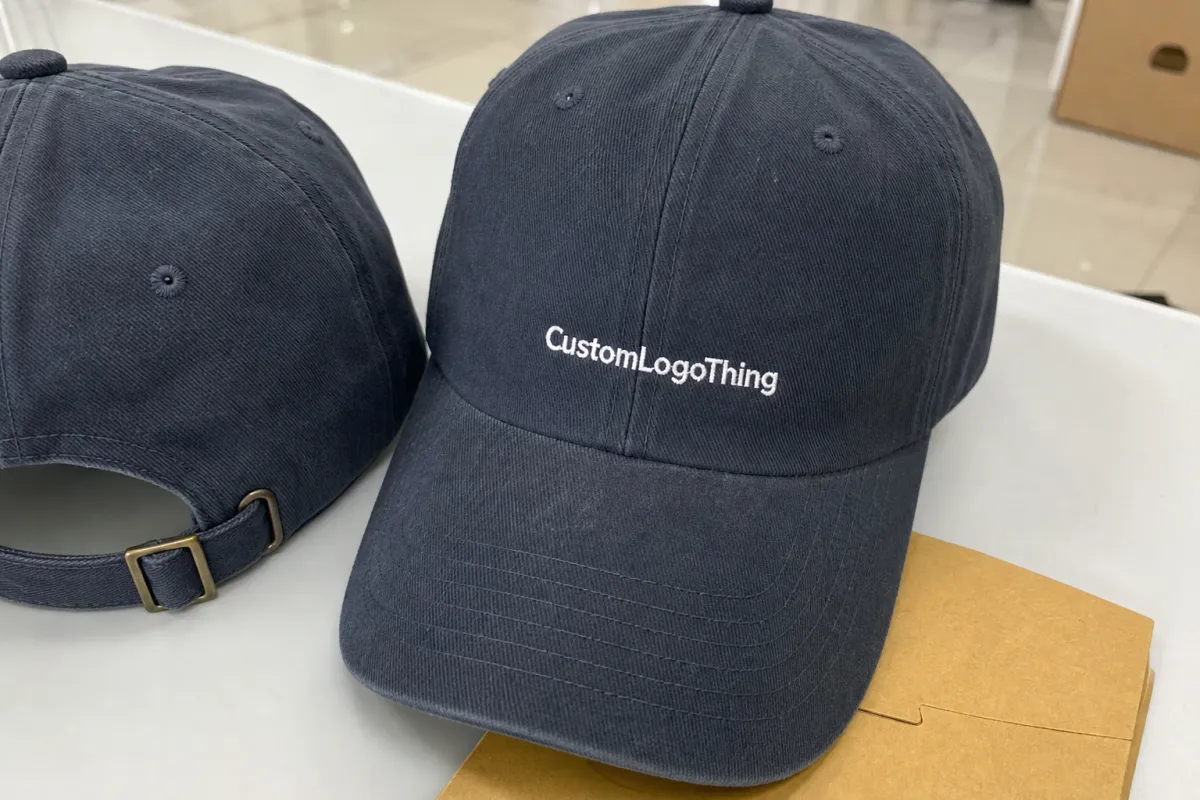
Cap pricing is not linear. A plain six-panel cap and a slightly better cap may differ by only a small amount, but embroidery can move the total much more than the blank itself. A compact front mark with a few thousand stitches is one order type. A dense, multi-color design with extra placement is another. That is why a skincare Embroidered Baseball Caps Unit Cost Review has to start with the logo and the stitch plan.
For skincare brands, the cap usually serves one of three roles: launch kit insert, retail or treatment-room display, or influencer mailer piece. Each role puts a different weight on presentation, repeatability, and durability. If the cap has to read as premium, the spec has to support that outcome. If it only needs to function as a giveaway, the build can stay simpler.
A stronger cap also reduces waste. Lightweight unstructured caps can lose shape after a few wears, especially when the embroidery is dense or the closure gets adjusted often. Once the cap looks tired, it stops representing the brand well. For teams trying to communicate care and cleanliness, that matters.
- Low-cost promo piece: light fabric, standard closure, small logo, minimal finish work.
- Mid-tier branded accessory: better twill, cleaner front structure, more stable embroidery.
- Premium merch item: firmer front panels, tighter stitching, better hardware, more consistent fit.
Cap Build Choices That Affect Fit and Finish
Before requesting pricing, define the cap build. Structured and unstructured caps behave differently under embroidery. A structured front panel supports stitches better and usually gives a cleaner logo. An unstructured crown feels softer, but it can wrinkle under dense thread. Neither is wrong; the choice changes the embroidery approach.
Closure style changes both cost and feel. Snapback, metal buckle, fabric strap, and hook-and-loop each create a slightly different price point and wearing experience. Metal buckles often feel more premium. Snapbacks are easy for broad distribution. Fabric straps can look cleaner, though they are not always the cheapest. Small differences like these can matter more in a buyer's hand than on a quote sheet.
Brim shape and panel depth matter too. A shallow front panel leaves less room for the logo and can force text smaller than it should be. A deeper crown gives the design more breathing room and usually reduces distortion. If the cap will be photographed for a skincare launch, the visual balance matters. If it will be used by staff, fit consistency and durability matter more.
Different use cases call for different specs:
- Promo giveaways: keep the artwork simple and the blank cap standard.
- Retail pieces: use a structured cap with cleaner finishing and stable shape.
- Influencer mailers: prioritize a polished front panel and camera-friendly embroidery.
- Subscription add-ons: stay conservative on cost and keep the design easy to repeat.
- Team uniforms: focus on fit consistency, durability, and color stability.
Fix placement, logo size, color count, and closure type before requesting a quote. Without those decisions, the number you get is only a placeholder.
Embroidery Specs That Keep Small Logos Clean
Small logos show quality gaps fastest. A mark that looks neat on screen can become crowded once it is stitched into fabric. Stitch count is the first thing to watch. A simple front logo often lands around 4,000 to 6,000 stitches. A heavier mark with fill areas, outlines, and several colors can reach 7,000 to 10,000 stitches or more. More stitches mean more machine time and more risk of puckering if the cap body cannot support the load.
Logo size is the second constraint. Very small text compresses quickly on a curved surface. Front embroidery under roughly 1.25 inches wide starts to get risky for fine lettering, especially with thin or condensed fonts. The safer choice is usually a thicker letterform, simpler shapes, and enough negative space for the thread to settle. If the brand mark depends on detail inside the letters, the embroidery file should be simplified before production starts.
Flat embroidery usually handles small skincare logos better than 3D puff. Puff adds dimension, but it also reduces detail. That tradeoff can work for bold fashion marks; it is less forgiving for minimal logos, tiny type, or precision iconography. For clean front branding, flat embroidery is usually the safer path.
If the logo already looks crowded in vector form, it will look tighter once it follows the curve of the cap. A clean stitch file matters more than a polished mockup.
Thread choice matters as well. Polyester thread is the standard because it handles wear, sweat, and sunlight better than weaker alternatives. If brand color needs to stay precise, request a Pantone reference and a sew-out sample. Exact matching depends on thread availability, so a good vendor should say where the match is exact and where it is only close.
Backing has to match the design. Dense logos usually need stronger backing, often cutaway, so the front panel does not stretch and the stitches do not sink. Lighter logos may use tear-away. What matters is support, not habit. A wrong backing choice can make a clean design look tired before the first wear.
Sample approval should not rely on a mockup alone when the logo has fine text, multiple colors, or tight spacing. A sew-out photo is the minimum. For important runs, a physical sample is worth the time because it catches spacing issues, thread pull, and weak edges before bulk production begins.
Skincare Embroidered Baseball Caps Unit Cost Review
The unit cost comes from two buckets: setup and recurring production. Digitizing, sampling, and machine setup are one-time or near one-time costs. The blank cap, embroidery time, and finishing repeat across the order. If a quote does not separate those pieces, the price may look lower than it really is.
Digitizing converts the logo into a stitch file. It is the embroidery version of tooling and depends on artwork complexity. A simple mark may digitize quickly. A logo with thin lines, small shapes, or layered fills takes longer and often needs test adjustments. Setup can also include thread programming, machine prep, and sew-out checks. None of that should be hidden inside a vague line item.
| Quantity | Typical decorated unit cost | One-time costs | What usually changes |
|---|---|---|---|
| 100-199 pcs | $5.20-$8.50 each | $35-$85 digitizing, $25-$60 sample | Highest cost per piece, useful for testing a new design |
| 300-499 pcs | $3.60-$5.80 each | $35-$85 digitizing, sample often optional | Better balance between flexibility and pricing |
| 500-999 pcs | $2.90-$4.60 each | Digitizing usually remains one-time | Setup spreads across enough units to make the order efficient |
| 1,000+ pcs | $2.20-$3.80 each | Lowest relative setup burden | Best pricing if the logo is simple and the cap is standard |
Those ranges assume a standard cotton twill or brushed cotton cap with one front embroidery location. Add $0.25-$0.80 for each extra placement, such as side or back embroidery. Premium fabric, special washes, custom labels, and gift packaging all add cost. Packaging often gets overlooked until the freight bill or carton count shows up.
Common cost traps:
- Rush fees after the launch date moves.
- Extra thread colors that trigger more machine changes.
- Artwork with tiny text, thin outlines, or tight overlaps.
- Freight assumptions that ignore carton size and destination.
- Sample pricing that is not clearly separated from bulk pricing.
For a fair comparison, ask for blank cap cost, embroidery cost, digitizing, sampling, packaging, and freight as separate lines. That is the cleanest way to review unit cost without blending real production cost with sales language.
Production Steps and Lead Time
Production starts before the first cap is sewn. Artwork cleanup comes first. The file needs to be checked for line thickness, letter size, edge detail, and how the design will sit on a curved front panel. If the artwork is already vector-based and simple, that step may take one to two business days. If the file needs real cleanup, the schedule stretches quickly.
After cleanup comes digitizing and sample approval. The stitch file determines direction and density, and those choices affect how the cap wears and how the logo sits on fabric. For detailed marks, digitizing can take longer because the stitch path has to work with the cap's curve. If a physical sew-out sample is requested, add another day or two for review.
Bulk production for a standard run often takes 10 to 15 business days after approval. Smaller rush runs can sometimes move in 5 to 7 business days if the cap style is in stock and the embroidery is straightforward. Larger or more complex orders may need 15 to 20 business days. Shipping should be treated separately from production.
Delays usually come from a few predictable places:
- Late changes to the logo after digitizing has started.
- Switching cap colors after stock has been reserved.
- Adding side or back embroidery after the first quote.
- Splitting the order across too many colorways.
- Approving a sample that does not match the spec.
Packaging and transit deserve attention too. If the caps are going into retail mailers or subscription cartons, the outer shipper should handle compression without crushing the brim. For shipping test methods, ISTA is the standard reference many buyers use. If a packaging claim needs a fiber certification, FSC can support that. These details are not glamorous, but they catch avoidable damage before it reaches customers.
Why a Direct Factory Quote Beats Guesswork
A direct factory quote usually gives a truer picture of cost than a reseller template. That is not because every factory is better. It is because a factory-backed estimate is more likely to catch stitch issues, placement limits, and size restrictions before production starts. A reseller may quote quickly and fix details later. That can work for simple orders, but it becomes risky when the logo is minimal or the timeline is tight.
Skincare branding often relies on restraint. Small marks, soft palettes, and clean layouts look simple on paper, which is exactly why embroidery can surprise people. A logo that looks polished in a mockup can become messy if it is too small for the cap front. A direct quote can flag that early and suggest a larger mark, a different placement, or a simpler stitch plan.
It also helps with repeat orders. Once a logo is digitized well and the cap body is confirmed, reorders can stay consistent across batches. That matters for brands that use caps as a standing merch item rather than a one-off launch accessory. The first order may carry setup costs; the reorder should be clearer and cheaper if the spec stays the same.
The common mistake is asking for a premium finish on a low-budget spec, then expecting the embroidery to keep every detail and still move fast. In production, those tradeoffs are real.
For a skincare embroidered baseball caps Unit Cost Review, that early correction is valuable. It reduces rework, avoids surprise charges, and keeps the final piece closer to the brand standard instead of the cheapest possible version of it.
What to Prepare Before You Request Pricing
If the goal is a usable quote, send complete information at the start. Most back-and-forth in cap sourcing comes from missing basics that should have been fixed before pricing began.
- Vector logo: AI, EPS, or editable PDF.
- Cap style: structured or unstructured, closure type, brim shape, and fabric preference.
- Quantity breaks: 100, 300, 500, 1,000, or whichever tiers fit the buying plan.
- Placement notes: front only, front plus side, or front plus back.
- Color targets: Pantone references if brand accuracy matters.
- Target date: the real delivery deadline, not the hoped-for start date.
- Destination: warehouse, ZIP code, or port so freight can be calculated properly.
- Packaging needs: polybag, hangtag, insert card, retail carton, or bulk shipper.
Then decide which variable matters most. Value, speed, and premium finish do not peak at the same time. If price is the priority, simplify the logo and keep the cap body standard. If speed matters, stay with in-stock materials and one embroidery location. If the cap needs to read as a retail item, expect the price to rise as the details become more deliberate.
A clean spec sheet plus a clean quote sheet is the best way to compare unit cost against the actual order. That approach keeps the conversation grounded in production reality instead of mockups and vague promises.
How is skincare embroidered baseball caps unit cost calculated?
The main drivers are stitch count, cap construction, quantity tier, and the number of thread changes in the logo. Setup items like digitizing and sampling raise the first order, but they spread out on repeat runs. If a quote does not separate those items, the unit cost is still incomplete.
What MOQ gives the best skincare embroidered baseball caps pricing?
The best price usually appears once the run moves beyond a small test order and into a more efficient tier, often around 300, 500, or 1,000 pieces depending on the factory. Lower MOQ is useful for testing artwork and fit, but the cost per cap will be higher because setup is divided across fewer units.
Can small skincare logos stay legible on embroidered baseball caps?
Yes, if the art is simplified, the text is thick enough, and the logo is not compressed too far on the front panel. Flat embroidery usually keeps small marks cleaner than puff when the design depends on detail. If the mark looks crowded in the file, it will usually look worse on fabric.
How long does production usually take after approval?
Standard runs often take 10 to 15 business days after artwork and sample approval, while rush orders can sometimes move in 5 to 7 business days if the cap is in stock and the embroidery is simple. Larger or more detailed orders need more time. Shipping should be added separately.
What files do I need for an accurate skincare embroidered baseball caps quote?
Send a vector logo, quantity breaks, preferred cap style, target delivery date, destination details, and any Pantone references or packaging requirements. That gives the vendor enough information to quote against real specifications rather than assumptions. It also makes the Unit Cost Review much easier to trust.


