A pet treat soft touch poly mailers Unit Cost Review only makes sense if the buyer looks at the whole package, not just the printed bag price. Size, film build, finish, seal strength, artwork coverage, and freight can all move the final number. A pouch that looks cheap on a quote can become expensive fast if it scuffs, splits, or forces a reprint.
Pet treat brands usually want three things from packaging: a premium look, real product protection, and a cost structure that does not collapse margin. Soft-touch mailers can deliver that balance, but only when the structure is matched to the treat. Dense training bites, crumbly freeze-dried pieces, jerky strips, and sharp-edged chews do not behave the same way in transit. The packaging has to handle the product, the packing line, and the customer’s first impression. That is where the value lives.
Practical rule: a better finish is worth paying for only if the pouch still seals cleanly, stacks well, and survives handling. A premium surface on a weak build is just expensive decoration.
Why Soft-Touch Finishes Change Shelf Perception
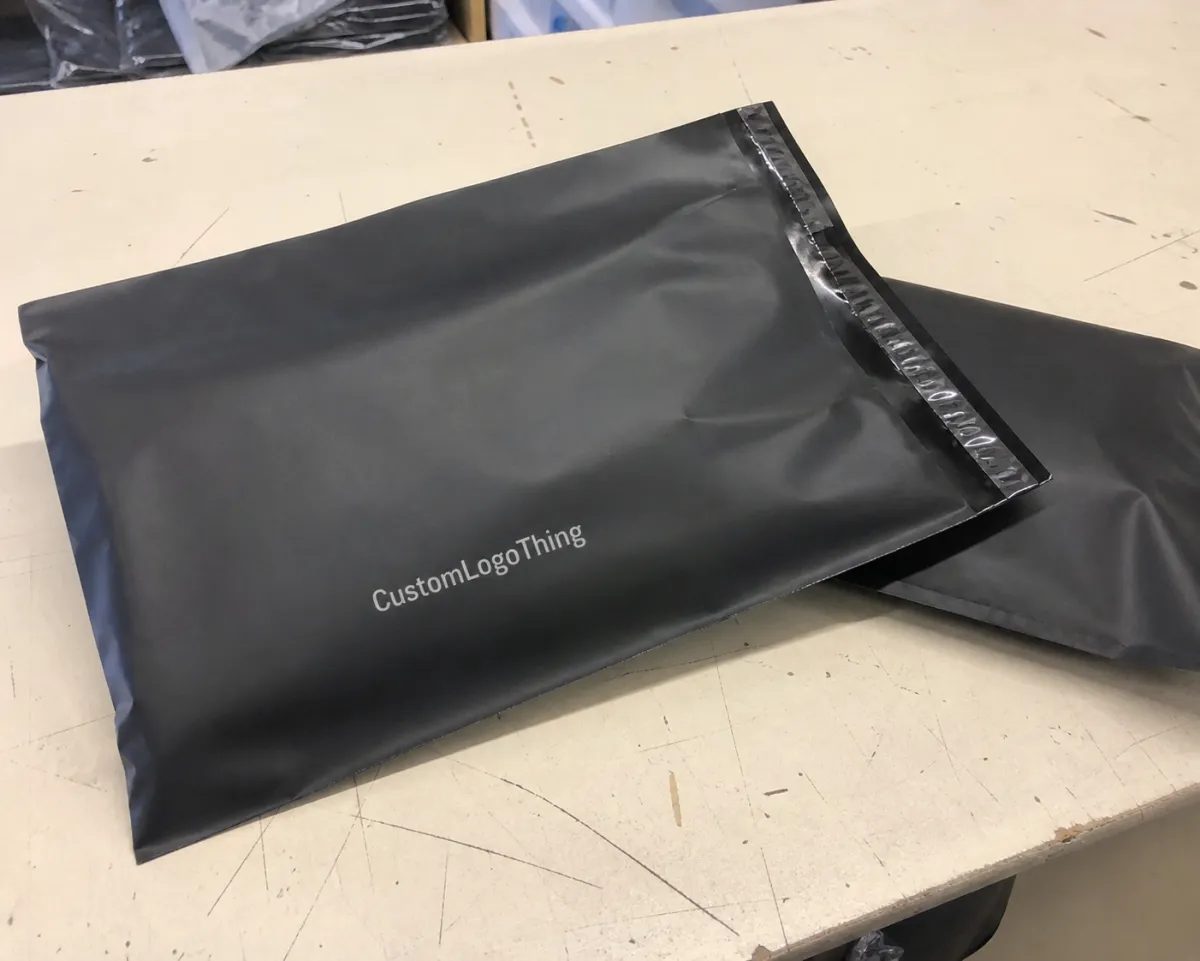
Soft-touch matte surfaces change how a package reads in seconds. They cut glare, soften harsh reflections, and make printed colors look deeper and more controlled under retail lighting. That matters in pet treats because many shoppers decide whether a brand feels trustworthy before they read a single claim on the back panel. Gloss can still work, but gloss often pushes the pack toward loud. Soft-touch usually pushes it toward considered.
That tactile feel is part of the pitch. A pouch that feels velvety or satin-like in hand tends to signal more care, especially for natural, limited-ingredient, or small-batch treats. The effect is subtle, which is why it works. Buyers do not need a packaging lecture; they need a pack that reads as worth the shelf space.
The cost premium is usually manageable. On many custom runs, a soft-touch lamination or coating adds only a few cents per piece, though the exact bump depends on size, print count, finish method, and order volume. The decision is less about whether the finish costs more and more about whether it supports the retail story. If the product sits in a crowded aisle or on a marketplace page where every listing looks similar, finish can be one of the few levers that changes perceived value without changing the formula.
There are tradeoffs. Soft-touch can show fingerprints, edge wear, and fold abrasion differently than gloss. If the bag is overhandled during packing or shipped loose in cartons without enough protection, the surface can dull at the folds and zipper line. That does not make the finish a bad choice. It means the buyer should review the packaging as a system: film, seal, artwork, carton packout, and distribution conditions.
Film, Finish, and Seal Details That Affect Performance
Structure matters more than marketing language. A soft-touch surface does not fix a weak base film, and a beautiful print does not prevent a split seal. For pet treats, the usual options include BOPP/CPP structures, laminated matte films, and soft-touch coated laminations. Each one behaves differently in sealing, scuff resistance, and shelf presentation.
BOPP/CPP remains a common choice for flexible pet packaging because it gives a crisp print surface and decent durability at a controlled cost. Laminated structures add strength and can improve appearance, especially when the graphic needs deeper contrast. Soft-touch coating or lamination adds a tactile layer, but it also changes how the surface reacts to rubbing, folding, and stacked cartons. If the bag will move through parcel networks, bulk retail, or mixed freight, that difference matters.
The product itself should guide the build. Crunchy treats with sharp edges can puncture thin film. Jerky strips can create uneven pressure points. Freeze-dried pieces are light, but the bag still needs enough stiffness to avoid collapsing into a wrinkled mess on shelf. A low-priced film that feels papery in hand usually gives away the game before the customer even opens it.
Seal details deserve the same attention as the finish. Strong edge welds, consistent seal widths, and matched seal temperatures keep the package honest. If the closure is a zipper, the zipper track should suit the product weight and the expected number of openings. Too stiff, and consumers fight it. Too loose, and the closure feels cheap. A tear notch helps the first open. A hang hole helps if the pack will live on a peg. A clear window can work, but it needs discipline. Put it in the wrong place and it steals attention from the brand block or weakens the premium look.
- Resealable zipper: Useful for treats that will be opened and closed several times; adds cost but improves use.
- Tear notch: Helps create a clean first open and reduces jagged ripping.
- Hang hole: Needed for peg displays and some warehouse display systems.
- Clear window: Good for showing product quality, but it should not cut the design in half.
- Spot gloss accents: Can add contrast against a soft-touch field, though too much contrast can make the pack look busy.
For buyers comparing Custom Poly Mailers, the right question is not “Which finish is premium?” It is “Which structure survives the product, the line, and the shipment without wasting money?” That tends to produce better decisions than chasing the lowest quote or the glossiest mockup.
Sizing, Thickness, and Print Specs for Treat Packaging
Size starts with fill weight, but the right bag rarely comes from weight alone. Dense treats need less headspace than airy ones. Irregular shapes need more room to seal cleanly. Some products pack flat and behave well in smaller formats. Others need gussets so the pouch stands properly and looks full instead of inflated.
Common formats for pet treats often land around 4 x 6 inches, 5 x 8 inches, and 6 x 9 inches, with gusseted options used when shelf presentation matters or the fill weight is higher. The correct size depends on product density, not just grams on a spec sheet. A bag can be technically large enough and still look wrong if the headspace is awkward or the product shifts too much inside.
Film thickness is one of the easiest places to lose money by under-specifying. A lighter film may lower unit cost, but if the bag creases badly, tears around the seal, or feels flimsy in hand, the finish cannot save it. For smaller treat pouches, many buyers start around 60 to 80 microns. For sharper products or heavier fills, 80 to 100 microns is often the safer range. Those numbers are not magic. They are a starting point for testing.
Print specification matters just as much. A one-sided print may be enough for shipping-focused packs or simpler retail items. Two-sided print gives more room for branding, nutrition copy, and compliance text. Light text on dark fields often needs a white underlay. Without it, matte films can swallow detail and flatten the design. Barcodes should stay in a clean, low-noise area. Put them too close to art texture, folds, or glossy accents and scanning problems show up where nobody wants them: in the warehouse, at retail receiving, or on the first reorder.
Before artwork is approved, the practical copy fields should already be mapped. That means net weight, ingredient naming, any required lot-code zone, origin statements if applicable, and any compliance copy tied to the market you are selling into. If the package is treated as food-contact packaging, the substrate, inks, and adhesives need to be checked early. Fixing that after proof approval usually means changing layout, shrinking code zones, or reworking the entire press file.
That is also why packaging teams should ask for a dieline and a line-item spec sheet before they fall in love with a visual. Pretty is not a spec. If the seal margin is too narrow or the barcode sits too close to the fold, the pack may still look good on screen and fail in production.
Pet Treat Soft Touch Poly Mailers Unit Cost Review: Pricing Rules Buyers Need
Here is the part most buyers want first. A pet treat soft touch poly mailers Unit Cost Review should separate the real cost drivers instead of hiding them inside one tidy number. Bag size, film structure, finish type, print colors, special features, quantity, and freight all affect the final price. If those are blended together, the quote looks cleaner than it is.
Setup work is usually the first surprise. Suppliers may charge for plates, tooling, proofing, color matching, or artwork prep. Some of those are one-time costs. Some repeat when the SKU changes. The label on the line item matters less than whether the buyer knows if it is recurring. A cheap-looking unit price can be misleading when setup charges are large and the order is small.
MOQ changes the math too. A run of 5,000 pieces can carry a higher unit cost than 20,000 pieces because the fixed work gets spread across fewer bags. That does not automatically make the larger order better. It only means inventory risk, storage space, and launch timing have to be weighed alongside the quoted price. Buying extra bags just to improve the unit number is a bad habit unless the sell-through is already proven.
| Option | Typical MOQ | Unit Cost Range | Main Cost Drivers | Best Fit |
|---|---|---|---|---|
| Matte BOPP/CPP, 1-2 color print | 5,000 pcs | $0.16-$0.24 | Basic structure, limited print coverage, standard setup | Price-sensitive SKUs that still need a cleaner shelf look |
| Soft-touch laminated film, 2-4 color print | 5,000 pcs | $0.20-$0.32 | Premium finish, added coating or lamination, more detailed graphics | Mid-tier pet treat brands wanting stronger shelf appeal |
| Soft-touch, zipper, clear window, special accent | 10,000 pcs | $0.24-$0.38 | Zipper upgrade, window die work, extra inspection time, possible tooling fees | Retail-first packs and premium natural treat lines |
Those ranges are directional, not promises. Freight, carton packout, market-specific compliance work, and import handling can move the landed number. A factory-only quote and a landed quote are not the same thing, even if the supplier sounds confident. Procurement, finance, and operations need the same number. If they do not, someone gets surprised later.
When comparing suppliers, ask for a line-item answer to a few basic questions:
- Does the quote include proofing, plates, and setup charges?
- Are tooling fees one-time or repeated by SKU change?
- What happens to unit cost at 10,000 and 20,000 pieces?
- Is shipping separate, or is the number already landed?
- Are zippers, windows, and hang holes priced as adders?
A useful quote tells you exactly what changed the number. A weak quote only tells you the final price and hopes nobody asks why. For teams building a pet treat Soft Touch Poly Mailers Unit cost review across multiple vendors, the real comparison is total delivered cost at the quantity you will actually reorder, not the headline price on the first page.
Production Steps and Lead Time from Proof to Shipment
A clean production flow saves time and avoids unnecessary drama. Most custom jobs move through a predictable sequence: spec confirmation, artwork review, proof approval, printing, lamination or coating, slitting or converting, sealing, packing, and final inspection. The more custom the bag, the more checkpoints get added.
Late changes are what usually break schedules. A barcode shifts. A copy block gets moved. The seal line collides with a graphic element. One small change can trigger another round of file checks before the job can be released. That is normal. It is also why production-ready artwork matters. Teams that send a clean file set usually get faster responses and fewer corrections.
Simple repeat orders often land in the 12 to 15 business day range after proof approval. First-time custom jobs, especially those using soft-touch finish, more than one print color, or extra features like a zipper or window, commonly need 15 to 20 business days. That is before transit. Air freight is fast but expensive. Ocean or consolidated freight is slower and needs more planning. Build the launch calendar around the actual route, not the best-case route.
Shipping conditions should not be ignored just because the pouch looks finished. If the bags will move through parcel networks or mixed freight, the package should be checked for handling risk. ISTA publishes useful references at ista.org for transit testing and distribution standards. That matters because the bag still has to survive drops, vibration, compression, and stacking after it leaves the plant.
For a heavier rollout, a basic verification set is usually enough to catch expensive mistakes early. Seal strength, barcode scanability, carton count, and color consistency are the checks that tend to matter most. ASTM seal-strength methods are commonly used in packaging reviews, and they are useful when the buyer wants evidence instead of reassurance.
Repeat-Order Controls That Keep Runs Consistent
Repeat orders are where a supplier proves whether they can actually control the job. The best protection is a complete record of the approved spec. That record should include film gauge, finish type, zipper style, artwork version, barcode placement, carton count, and any notes from the approved sample. If the first order was right, the next one should be a copy, not a new interpretation.
Consistency checks should focus on the things the buyer can see and feel immediately. Seal strength. Print registration. Color density. Tactile finish. A slight shift in matte texture can make a premium pack look dull. A small ink change can flatten dark areas and make the art feel muddy. When a reorder lands, it has to match the sample that was approved, not the memory of it.
File discipline matters more than people like to admit. Master artwork, dielines, revision notes, backup fonts, carton labels, and SKU names should live in one place. When a reorder comes back months later, nobody should be guessing which file had the widened barcode or which version was corrected for export. That sort of confusion burns time and creates avoidable risk.
The supplier side matters too. A good partner catches problems before the press starts. If the barcode is too close to a seal, if a soft-touch field will bury a thin font, or if a window is crowding the product art, that should come up during proofing. Quietly fixing the file before production is part of the job. It saves margin and prevents a reprint that nobody wanted.
For internal alignment, broad packaging references from packaging industry references can help teams use the same language when procurement, design, and operations are all in the same discussion. That does not replace the supplier spec sheet. It just reduces confusion when the same word means three slightly different things to three different departments.
What to Send for a Fast, Accurate Quote
The cleanest quote request is the one that leaves as little room for guessing as possible. If the supplier has to assume too much, the numbers drift. For a precise pet treat soft touch poly mailers Unit Cost Review, the request should cover the physical bag, the artwork, the finish, and the shipment plan.
- Bag dimensions, including gusset if needed
- Target fill weight or product count per bag
- Soft-touch finish, matte laminate, or another surface
- Zipper, tear notch, window, or hang hole requirements
- Print side count and approximate ink coverage
- Artwork files, dieline version, and barcode needs
- Estimated annual volume and first-order quantity
- Delivery target and preferred freight mode
If the team is still comparing packaging families, the broader assortment on our Custom Packaging Products page can help narrow the format before the quote gets locked. That keeps the discussion focused on the right structure instead of a placeholder spec that nobody really wants to buy.
It also helps to say what the pack must do best. Some brands care most about shelf presence. Others care about shipping protection. Others are chasing the best unit economics at scale. Those priorities do not lead to the same bag. They do not even lead to the same finish. A supplier can only price the job properly if the buyer is honest about the main goal.
Ask for a sample and a line-item quote together. The sample shows how the soft-touch surface feels, how the closure behaves, and how the artwork reads in real light. The quote shows whether the landed cost fits the margin model. That pair of documents usually tells the truth faster than a long email chain.
For pet treat brands, the smartest packaging decision is usually not the cheapest one and not the flashiest one. It is the one that balances finish, durability, compliance, and freight without hiding cost in the corners. A well-built soft-touch pouch can do that. A weak one cannot, no matter how good it looks on a screen.
What affects the unit cost of soft-touch pet treat mailers?
Bag size, film gauge, print coverage, and order quantity usually drive the biggest swings in price. Soft-touch lamination, zippers, windows, and special accents add cost, and setup charges matter more on smaller runs. Freight can change the final number as well, so ask for landed cost instead of a factory-only quote.
What MOQ should I expect for a custom soft-touch pet treat mailer?
Five thousand pieces is a common starting point for custom flexible packaging, though more complex builds can start higher. MOQ depends on size, structure, print complexity, and the supplier’s tooling setup. Higher quantities usually lower the unit price because fixed work gets spread across more bags.
How long does production usually take after artwork approval?
Simple repeat orders often ship in 12 to 15 business days after proof approval. First-time custom jobs with soft-touch finish or added features often take 15 to 20 business days. Freight mode adds time on top of production, and ocean routes need a wider buffer than air.
Can a soft-touch finish be paired with a clear window?
Yes, but the window needs to be placed carefully so it does not crowd the brand block or weaken the premium look. It can also add cost because of die work and extra inspection. A sample or mockup is the safest way to judge the final balance before approval.
What should I send to get the fastest accurate quote?
Send dimensions, fill weight, print sides, artwork files, and your target annual volume. Include any must-have features such as zippers, tear notches, windows, or hang holes. The fastest quote is usually the one that removes guesswork and gives the supplier enough detail for a true Unit Cost Review.


