Hotel Pom Pom Beanies Unit Cost Review for Bulk Buyers
A hotel pom pom beanies Unit Cost Review is useful because small hospitality orders are rarely priced the way people expect. The knit body is only part of the bill. Once you add a pom, a logo, packaging, sample approval, and freight, the number changes fast.
The practical question is not whether the beanie is cheap. It is whether the full landed cost still makes sense after decoration, Packing, and Reorders. A quote that shows only the factory number is incomplete. A quote that shows the cost per piece, the MOQ, and any setup charges is the one worth comparing.
That matters even more in hospitality. Hotels and resorts usually need consistent colors, repeatable sizing, and a product that still looks right after storage, transport, and unpacking. The first order may be the easiest part. The second order is where a supplier either proves control or starts improvising.
Hotel pom pom beanies unit cost: what really moves the number
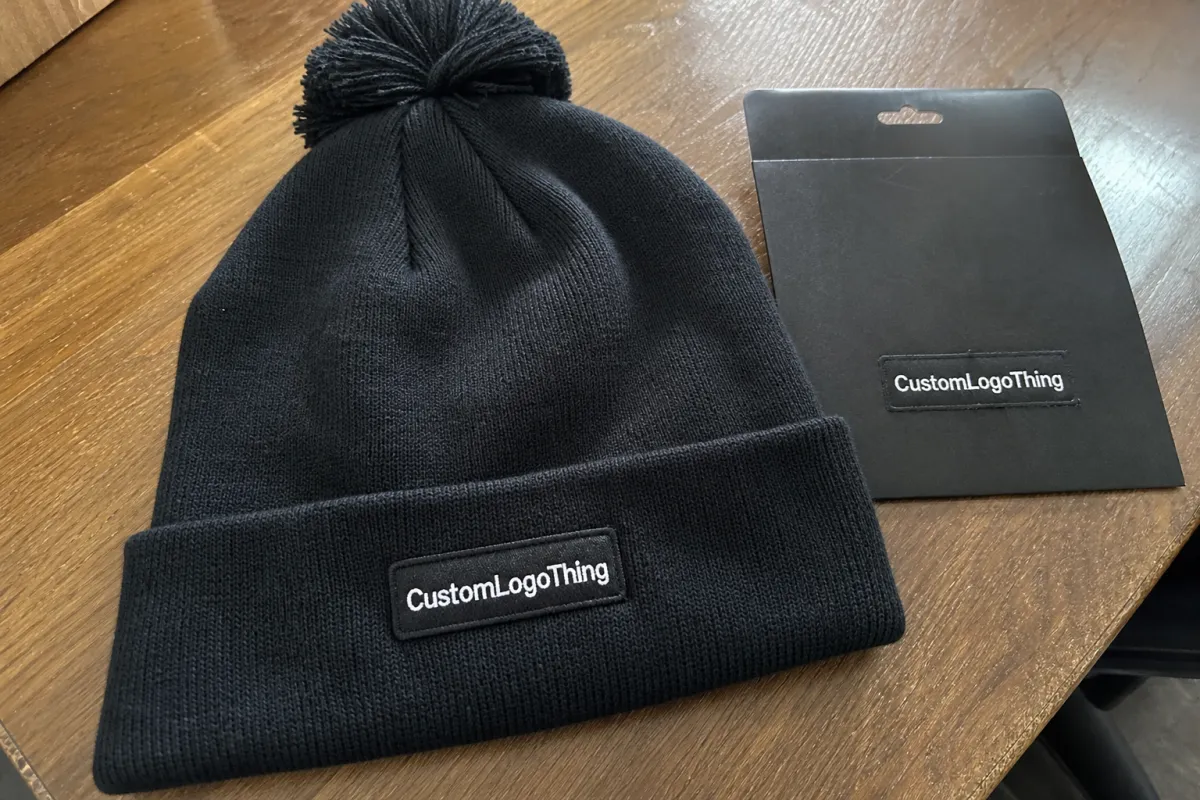
The knit body looks like the obvious cost driver, but it is rarely the expensive part. On smaller runs, the trim and handling can matter just as much. A standard acrylic beanie is efficient to produce. Add a custom pom, a woven label, embroidery, individual packing, and a barcode sticker, and the labor stack gets heavier.
That is why two beanies that look similar in a mockup can land in very different price bands. One may be a stock-color shell with a basic yarn pom. The other may use custom yarn, a faux-fur pom, tonal embroidery, and retail-ready packaging. Same general silhouette. Very different production path.
Here is the cost stack buyers usually need to see clearly:
- Yarn and knitting - the base shell, usually acrylic or an acrylic blend.
- Pom construction - standard yarn pom, faux-fur pom, or specialty attachment.
- Decoration - embroidery, woven patch, printed patch, or woven label.
- Labeling and packing - hangtag, size label, polybag, barcode sticker, carton marks.
- Freight and handling - especially if the order ships by air or to multiple properties.
- Sampling and setup - artwork prep, color matching, and any tooling fees.
Factory pricing and landed pricing are not the same thing. A supplier can give you an attractive per-piece number, then the order gets more expensive once packing is clarified or freight is pulled in. A rush air shipment can erase the savings from a lower factory quote. Weak cartons can also cause avoidable damage and rework. That sounds basic because it is basic.
Buyers should also watch for the difference between decoration cost and decoration complexity. A single-color embroidered logo usually sits in a cleaner cost band than a multi-color patch or a layered badge. A sewn label is often more affordable than full knit-in branding, but the final look depends on placement and stitch quality. The cheapest option is not always the best value. The one that survives repeated use and still looks intentional is usually the better buy.
Buyer rule: a low unit quote only matters if the same spec can be reordered later without a new round of setup charges and color drift.
That is the baseline for any serious hotel pom pom beanies Unit Cost Review: compare the full spec, not just the headline number.
Product details that affect the look, feel, and perceived value
A pom beanie is a small item, but the details are loud. Cuff height changes the logo area. Crown shape changes how full the hat looks. Pom density changes whether the piece feels playful, premium, or a little too novelty-driven.
For guest-facing use, a structured cuff and a medium pom usually read cleanly. For staff use, buyers often prefer a lower-profile pom and a knit that wears comfortably through long shifts. A 1x1 rib knit gives a neat fit and a close visual finish. A heavier knit feels warmer, but it also uses more yarn and can push the cost up.
Material choice matters too. Acrylic remains the standard starting point for winter hospitality because it is durable enough, familiar, and usually economical at volume. Acrylic blends can improve softness or shape retention. In colder properties, a denser knit may be worth the extra spend. For front-desk giveaways or room-drop gifts, however, easy packing and clean presentation can matter more than extra weight.
Decoration changes perceived value faster than most buyers expect. A tonal embroidery can look more refined than a large, high-contrast logo. A woven patch can sharpen up textured knit surfaces. A small side label works when the brand should be present but not loud. That is often the right move for upscale properties. The hat stays useful. The branding does not fight the design.
Color is another cost lever. Black, charcoal, navy, and deep forest green tend to perform well across hospitality programs because they hide handling marks and fit many uniforms. Bright custom shades can photograph well, but they usually demand more matching attention and can extend lead time. If brand color accuracy matters, the buyer should be ready for a longer approval cycle.
The right finish also depends on the property type. A ski lodge, alpine resort, and city hotel are not buying the same emotional signal. A budget-friendly program may only need a standard acrylic body, a single-color logo, and bulk packing. A premium property may justify a denser knit, a fuller pom, and retail-style labeling. Same category. Different expectations.
Specs buyers should lock before asking for a quote
Vague specs create noisy quotes. If one request says “nice winter beanie” and another gives a written spec, those orders will never price the same way. The supplier has to guess at knit gauge, cuff depth, pom style, logo size, and packaging. Guessing is expensive. It usually shows up as margin, delay, or both.
Before asking for pricing, lock these details:
- Yarn blend - 100% acrylic, acrylic/poly blend, or another confirmed composition.
- Knit gauge - lighter knit for lower weight, heavier knit for a denser feel.
- Size range - adult fit, unisex fit, or separate youth sizing if needed.
- Cuff depth - this controls logo space and how the hat wears.
- Pom style - yarn pom, faux-fur pom, size, and attachment method.
- Decoration method - embroidery, woven patch, label, or print.
- Packing method - bulk pack, individual polybag, hangtag, or barcode label.
Packaging deserves early attention because it changes both labor and receiving time. Bulk cartons are simpler and usually cheaper to process. Individual polyBags with Hangtags, barcode stickers, and size labels take more handling, but they can save time once the shipment reaches the hotel. If the product is going to a gift shop, staff onboarding kit, or seasonal retail display, those details should be decided before sampling begins.
Color matching also needs a decision. Stock colors quote faster and usually keep the unit cost in a lower band. Custom shades improve brand alignment, but they can add dye approval, lab dips, and a few more rounds of back-and-forth. If the buyer has a Pantone target, send it early. If not, ask for the nearest stock color and decide whether the difference matters enough to pay for a custom match.
A clean approval path prevents a lot of waste:
- Confirm quantity, delivery target, and buyer contact.
- Approve artwork size and logo placement.
- Confirm yarn color, pom style, and label method.
- Approve sample or digital mockup.
- Lock carton packing and ship-to instructions.
That sequence sounds plain because it is. It is also the difference between a stable order and a string of preventable revisions.
Pricing, MOQ, and unit cost scenarios for bulk hotel orders
Bulk pricing follows a predictable pattern. As quantity rises, setup costs spread across more pieces. That does not mean every larger order is cheap. It means artwork prep, label setup, and any tooling fees stop weighing so heavily on each unit.
For hospitality buyers, the tricky part is that the MOQ is often driven by the parts you cannot see. If the yarn needs a custom dye match, the minimum may rise. If the pom style is unusual, production may need a specific method or supplier input. If packaging includes inserts or branded boxes, the carton count may be tied to packaging economics instead of the knit itself.
Use the following ranges as a working frame, not a promise. Final pricing depends on spec, timing, and freight mode.
| Order type | Typical MOQ | Approx. unit cost | What is included |
|---|---|---|---|
| Blank stock-color beanie | 100-300 pcs | $1.90-$3.20 | Standard knit, basic pom, bulk packing |
| Branded beanie with simple embroidery | 300-500 pcs | $2.60-$4.40 | Base knit, one-color logo, standard label |
| Custom color + patch + retail bag | 500-1,000 pcs | $3.80-$6.20 | Custom yarn, patch decoration, individual packaging |
The table shows the logic buyers should expect to see in a quote. Simple stock specs stay in the lower tier. More custom detail pushes the piece upward. Packaging is a major swing factor. A bulk carton is straightforward. A retail-ready bag is not expensive in isolation, but it adds time, materials, and inspection points across the run.
There are a few ways to lower pricing without making the beanie look cheap. Use a standard yarn color. Keep the branding to one location. Avoid custom packaging if the product is going straight to a central storeroom or staff issue point. None of that removes the brand. It just avoids paying for details that do not improve the end use.
Ask for three quote scenarios at the same spec: a test run, a mid-volume run, and the expected annual volume. That reveals where the price break really sits. If the price barely changes between 300 and 500 pieces, the setup burden is probably light. If the price drops hard at 1,000 pieces, the smaller runs are carrying too much overhead. That is useful information before anyone approves an order.
To make comparison easier, ask the supplier to separate the line items:
- Base production - the knit body and pom.
- Decoration - embroidery, patch, or label.
- Packaging - bags, tags, and carton marking.
- Freight - air, sea, or courier.
- Sampling - mockups, lab dips, or revisions.
That split matters because the cheapest-looking quote is often the one that hides the largest add-ons. A buyer who sees the cost structure clearly can decide where to spend and where to keep things plain.
Production steps, lead time, and approval checkpoints
The production sequence is usually simple: quote, spec confirmation, mockup, sample approval, production, quality control, packing, shipment. The delays happen in the gaps between those steps. Artwork changes, color matching, and late sample edits are the common culprits.
For hotel buyers, timing is not a side issue. It is the order. A winter launch, staff rollout, or seasonal retail program can miss its window if approvals drag. Once the buyer locks the final spec, the schedule usually becomes much easier to manage. Until then, everything stays tentative.
Lead time depends on the spec. A stock-color beanie with standard decoration can move faster than a custom yarn run. Add a new color match and the timeline stretches. Add custom packaging and the packing stage may become the bottleneck. Several weeks from approval to shipment is a fair planning baseline for many bulk orders, with more time needed if the factory is busy or the order is seasonal.
Two checkpoints deserve special attention:
- Artwork and placement - confirm logo size, position, and orientation on the cuff or front panel.
- Materials and color - confirm yarn shade, pom feel, and label type before bulk production starts.
Those decisions are easy to skim over on screen and harder to fix later. A logo that sits too high or too low can make the whole hat look off. The same goes for pom size. Too small and the product feels underfinished. Too large and it can look novelty-heavy instead of hotel-ready.
Quality control should not stop at the sample. Ask for production photos, carton counts, and label checks before shipment. That matters most on multi-property orders, where a single packing error can disrupt distribution across several sites. Carton marks, barcode labels, and consistent pack counts are not cosmetic. They keep receiving fast and inventory clean.
If the order needs more than standard bulk packing, packaging and transit guidance from organizations such as the Packaging Association and transport testing references from ISTA can help define expectations. If sustainability claims are part of the brief, make sure the carton and inserts have credible sourcing and documentation. Vague eco language is easy to print and hard to defend.
Rush orders can work, but only if the spec is already locked. If the buyer is still deciding between a patch and embroidery, the calendar will slip. That is usually where projects lose time, not in the knitting itself.
Why hospitality buyers value a supplier built for repeat orders
Repeat orders are the real test. A first run can hide small inconsistencies. The second run shows whether the supplier kept the spec clean. Hotels and property groups often need the same color, same cuff depth, and same label placement across seasons or locations. If the archive is poor, a reorder turns into a new project.
That gets expensive fast. A low first price means little if the second order drifts in shade or fit. Then the buyer has inventory that no longer matches property standards. Sorting by site or by season becomes necessary. Nobody budgets for that. They pay for it anyway.
A supplier that keeps clear spec sheets, artwork files, and reorder notes can quote faster and with fewer mistakes. That is not a luxury in hospitality. It is part of the job. When the beanie is a guest gift, a gift-shop item, or a staff issue piece, consistency matters more than saving a small amount on the first carton.
Quality control is part of the repeat-order value too. Clean carton counts, clear barcode labels, and predictable packing reduce receiving issues. They also matter when storage space is limited. A hotel team does not want to sort through mixed cartons because one box was labeled differently from the rest.
From a buyer’s point of view, the best supplier is not the one with the flashiest pitch. It is the one that can reproduce the order without drama. That is the real payoff in any hotel Pom Pom Beanies Unit Cost review: not just the first unit cost, but the cost of keeping the spec stable over time.
There is nothing glamorous about that. There does not need to be.
What to send for a cleaner quote
If you want a quote that is actually usable, send a complete brief. Quantity. Delivery target. Yarn color. Pom style. Logo method. Packaging needs. Those six items remove most of the guesswork before pricing even starts.
Use vector artwork when possible, and include Pantone references if brand color matters. If the beanies are for guest retail, staff uniforms, or seasonal gifting, say so. The use case changes how the supplier should quote packaging, decoration, and finish level. A room-drop gift does not need the same packing standard as a retail shelf item.
It also helps to say whether the order is for one hotel, a group of properties, or a recurring program. A single-site order can be handled differently from a multi-property replenishment plan. A recurring program benefits from keeping a master spec sheet and reorder archive so future quotes do not drift.
For buyers comparing options, the clearest path is simple: send the spec sheet, ask for a line-by-line hotel Pom Pom Beanies unit cost review, and confirm the approval date before production starts. That keeps the budget visible and the timeline under control.
What affects hotel pom pom beanies unit cost the most?
Quantity has the biggest effect, but decoration, pom type, and packaging can move the price quickly. Custom colors and low-MOQ runs usually cost more than standard stock specs because the setup burden is spread across fewer pieces.
How can I lower pom pom beanie pricing without cutting quality?
Use one standard yarn color, keep the logo treatment simple, and avoid custom packaging if the item is going straight to storage or staff distribution. Lock the spec early so you do not pay for revisions, resampling, or late changes.
What MOQ should I expect for hotel beanie orders?
MOQ depends on whether the order uses stock materials or custom yarn, labels, or packaging. Ask for tiered quotes so you can see the break point between a test run and a full hospitality order.
How long does production usually take after approval?
Lead time depends on sampling, color matching, packaging, and current factory load. If the artwork and materials are finalized early, production is usually faster and far more predictable.
What should I send to get an accurate quote the first time?
Send quantity, size, decoration method, color references, packaging requirements, and your target delivery date. Include vector artwork and note whether the beanies are for guest retail, staff uniforms, or seasonal gifting. That is the quickest route to a solid quote.

