Pet Treat Unstructured Dad Hats Unit Cost Review for Buyers
Pet treat Unstructured Dad Hats unit cost review sounds like a simple spreadsheet task until the quote starts splitting into pieces: decoration, labeling, packaging, freight, and the time it takes to get each decision approved. The blank cap is only the first number. In practice, a soft-crown dad hat can look budget-friendly on paper and then give much of that savings back through setup charges and add-ons that never showed up in the opening quote.
What surprises buyers about unstructured dad hat pricing
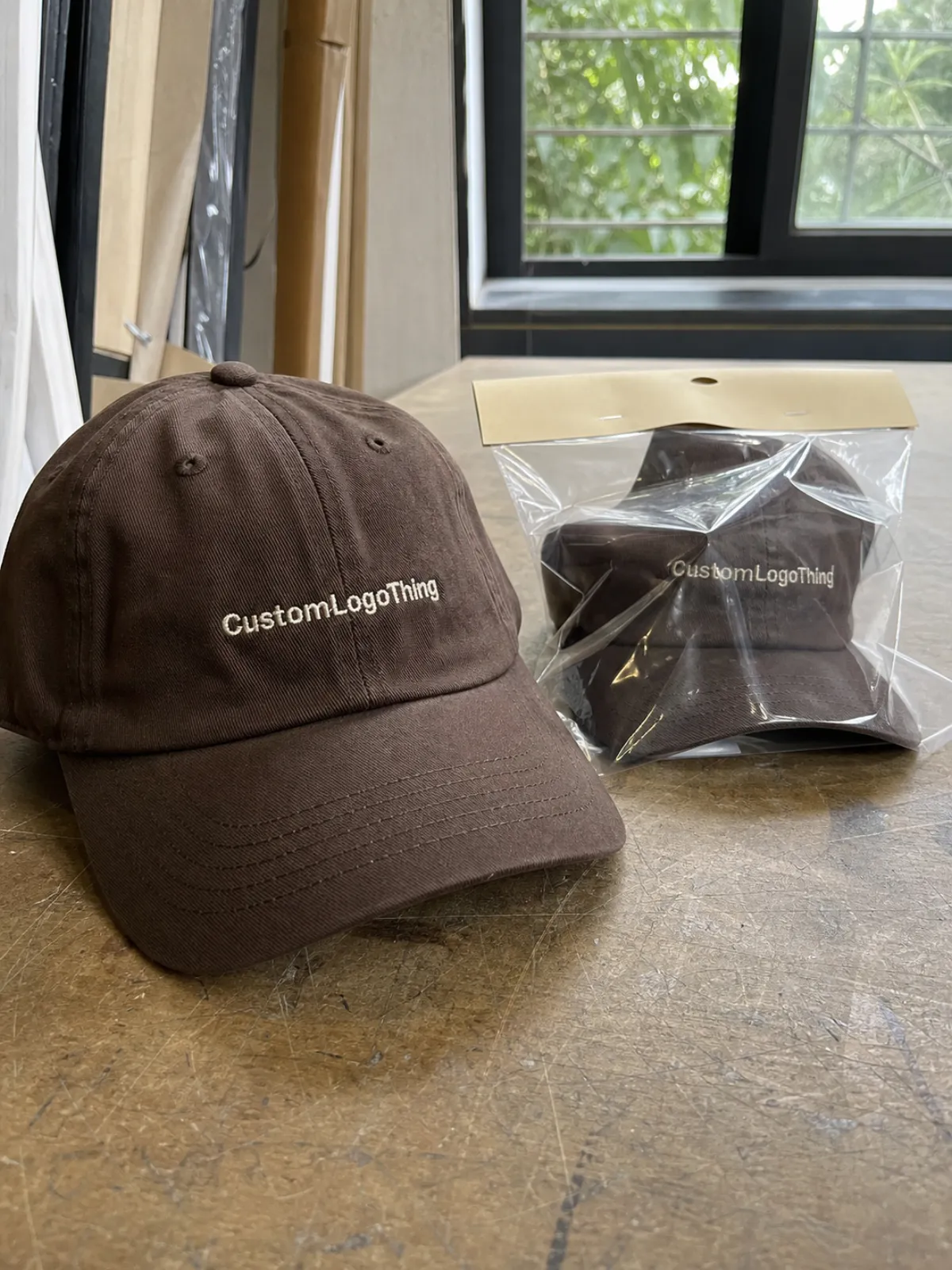
Most buyers assume a relaxed, low-profile hat will be the inexpensive option. Sometimes that is true. Sometimes the base cap is cheap, then the decorating spec turns the order into something else entirely. That is the main trap in a pet treat Unstructured Dad Hats unit cost review: the blank cap gets treated like the whole product, even though the finished piece is usually a stack of separate charges.
The mismatch is easy to miss. One supplier quotes a blank hat, another quotes a decorated hat, and the lower number looks better only because it excludes half the job. That comparison is meaningless. A useful review separates the base hat price from embroidery, patch work, labels, hang tags, polybagging, cartons, and freight. If those are not broken out, the quote is incomplete, not competitive.
Pet brand merch, event giveaways, retail test drops, and small club runs tend to expose this fast. These orders often start at 50 to 100 pieces, which is exactly where setup fees can distort the per-unit cost. The cheapest-looking quote is not always the cheapest order. It is usually the one with the most assumptions buried inside it.
"If the supplier cannot tell you what is blank, what is decorated, and what is optional, the price is not low. It is incomplete."
Soft crown construction does help on the base build. Unstructured dad hats generally use less internal reinforcement than a structured five-panel or hard-front cap, so they can be friendlier to budget. Still, a relaxed crown does not keep a job simple by itself. A small woven patch may be straightforward. A multi-location embroidery layout with tiny text, custom inside labeling, and retail packaging can push the order into a very different cost bracket.
Pet Treat Unstructured Dad Hats Unit Cost Review
A practical review starts with the cost buckets, not the total. The quote should show the blank cap, decoration method, digitizing or tooling, labeling, packaging, and freight. If the vendor gives only one all-in number, ask for the breakdown. Buyers do not need a polished pitch. They need the math.
For a simple run of 50 to 250 pieces, a plain unstructured cotton twill cap may land around $2.20-$4.80 per piece before decoration, depending on fabric weight, closure, and order size. Add flat embroidery and the finished cost often moves into the $4.50-$7.50 range at 100 pieces. More detailed patch work can push it to $5.80-$9.20. Freight and packaging can add another $0.25-$1.20 per unit, depending on carton count, shipping method, and whether the supplier packs each hat individually.
| Decoration option | Typical setup charges | Typical cost per piece at 100 pcs | Best use | Main risk |
|---|---|---|---|---|
| Flat embroidery | $25-$65 digitizing | $1.20-$2.40 add-on | Simple logos, icons, short text | Fine detail can blur |
| Woven patch | $40-$90 tooling fees | $1.50-$3.00 add-on | Sharper detail, small artwork, pet graphics | Small text can become unreadable |
| Leather patch | $45-$110 tooling fees | $1.70-$3.50 add-on | Premium retail look | Artwork must stay bold and simple |
| Direct print | $20-$50 setup charges | $0.80-$1.80 add-on | Large, flat graphics with few colors | Less durable on soft, heavily worn caps |
The biggest price drops usually show up at 50, 100, and 250 pieces. Below those thresholds, setup gets spread across fewer hats, so the unit price rises quickly. A run of 50 may feel like a safe test, but the per-piece cost can be 20% to 40% higher than a 100-piece order. At 250 pieces, the same design often looks much more efficient because setup is diluted and the production line can stay on one spec longer.
Another pricing split buyers miss is tooling fees versus routine setup charges. Embroidery digitizing is not the same as creating a patch mold or a custom label plate. If the job includes a special patch shape, private branding inside the sweatband, or custom hang tags, the quote should say that clearly. A dependable supplier will list each option, because hidden assumptions are where orders get expensive and arguments start.
Decoration options that keep pet artwork clean and readable
Pet artwork can be charming or cluttered, and there is not much middle ground. On an unstructured crown, the safest decoration choices are the ones that keep the design bold and simple. Flat embroidery works well for clean icons, paw shapes, bone outlines, and short brand names. Woven patches handle more detail, especially if the pet treat graphic includes ingredient symbols, a small tagline, or a more elaborate mascot. Leather patches work best when the goal is a premium retail look rather than dense illustration.
Fine lines are the enemy here. Tiny ingredient copy, stacked micro-text, and delicate outline work can disappear once the crown curves and relaxes under wear. If the art is crowded, simplify it before quoting. That is not a design failure. It is production reality. A buyer who asks for a 1.25-inch patch with six colors and a paragraph of text is usually asking for a headache with a brim.
Placement matters more on an unstructured cap than on a stiff front panel. A large design can wrinkle or sag if the crown is too relaxed. If the artwork is wide, keep the stitch count or patch size controlled and stay centered on the front panel. A stitched mockup or digital proof should show thread colors, edge style, final size, and exact placement. Approving a vague thumbnail and hoping for the best is a fast way to receive a box of almost-right hats.
Flat embroidery has one more tradeoff buyers should understand. It is usually the cheapest decoration method after direct print, but it is also the most unforgiving with tiny shapes. Thread has physical width. At close range, a logo can look sharp on screen and slightly heavier on fabric. That matters on pet-brand graphics because many of them rely on small paws, collars, or treat shapes that need clean edge control. If the artwork already feels crowded, a patch often gives better legibility even if it costs a little more.
Packaging deserves the same discipline. If the hats are going retail or crossing multiple handoffs, small shipping decisions can affect quality just as much as the decoration choice. Cartons that are overfilled, folded too tightly, or packed without shape support can leave the crown creased. Methods aligned with ISTA packaging test standards are worth discussing when cartons are small, transit is long, or the order has a fixed launch date.
Spec sheet details that change fit, feel, and resale value
Unstructured dad hats have a simple profile: low crown, relaxed front panel, curved brim, and a softer fit than a structured cap. That casual shape is part of the appeal. It works for lifestyle merch, pet brand retail, and event handouts because it feels easy to wear instead of overbuilt. The spec sheet still matters, though, and a lot of unit-cost confusion comes from ignoring details that are small on paper and obvious in hand.
Fabric choice changes both feel and price. Cotton twill is the usual starting point and often gives the best balance of cost and durability. Brushed canvas feels heavier and more retail-friendly, but it raises the base cost. Washed cotton creates that worn-in look buyers like for lifestyle brands, though it can vary more in shade and texture from lot to lot. If the order needs a softer premium appearance, that is fine. Just expect the price to move and the color tolerance to widen a bit.
Closure choice affects comfort, hardware cost, and the final impression on shelf. A strap-back with buckle is common, a fabric slide is usually the simplest, and a metal clasp can look more finished for retail. Buyers often compare quotes without noticing they are looking at different closure hardware. The same issue shows up with sweatband finish, seam tape, eyelet color, and whether the brim arrives pre-curved or needs shaping after sewing.
Small details change resale value more than most first-time buyers expect:
- Eyelet color - matched eyelets look cleaner; contrast eyelets should be deliberate.
- Sweatband finish - plain, printed, or branded changes the interior quality feel.
- Inside labeling - woven label, printed label, or none affects retail readiness.
- Brim shape - pre-curved brims save time and reduce variation across the run.
- Seam tape - clean tape inside the crown improves perceived quality when buyers try the hat on.
These details are not fluff. They affect whether the hat feels like a promotional item or a product people would actually buy twice. In a crowded category, that difference matters more than a small saving on the blank cap.
Production steps and turnaround from proof to shipment
The timeline for an unstructured dad hat order is usually predictable, but only if the artwork is ready. A simple embroidered job can move quickly. A complex patch order with custom inside branding takes longer because the vendor has to approve artwork, create tooling, sample the decoration, and then schedule production. A clean process is usually faster than a rushed one.
Most jobs follow the same sequence: quote, artwork review, digital proof, setup or tooling, pre-production sample if needed, bulk production, final inspection, packing, and shipment. A basic proof may take 2 to 4 business days. Bulk production often sits around 10 to 20 business days for standard orders, with more time if the job includes custom labels, multiple decoration methods, or a color match that needs a second pass. Freight adds its own variable. Air moves fast and costs more; sea freight is slower and only makes sense if the schedule allows it.
Quality control is where the actual value shows up. For hats, the checks should include:
- Panel alignment and crown shape consistency
- Thread density and stitch registration on embroidery
- Patch edge finish and adhesion strength
- Closure function and strap length consistency
- Color variance across the production lot
- Carton count against the packing list
Those checks sound basic because they are basic, and that is exactly why they matter. A lot of production problems are not dramatic failures. They are small inconsistencies that become obvious once a buyer opens the cartons and compares hats side by side. One crown sits slightly higher. One patch is a few millimeters off center. One closure is tighter than the rest. None of that looks serious in a single sample, but all of it shows up in a full run.
There is also a practical timing issue that many buyers underestimate: approvals stall production more often than the factory does. If the logo has five color revisions and the interior label copy is still being edited, the schedule slips. That delay can be more expensive than a slightly higher unit cost on a cleaner spec. In short runs, the calendar is part of the price.
How to compare suppliers without getting fooled by a low quote
To compare suppliers fairly, every quote has to describe the same product. That sounds obvious, but it is where most buyers lose time. One quote includes a patch and polybagging. Another leaves both out. One assumes air freight. Another assumes the order ships by ocean. One uses a standard strap-back. Another upgrades to a metal clasp. The totals can be hundreds of dollars apart without really being comparable.
Start with a checklist. Ask each supplier for the same cap fabric, same decoration method, same label treatment, same packaging, same unit count, and same shipping assumption. If one quote is dramatically lower, check whether it is missing a step rather than offering a better rate. Ask directly about setup fees, overage tolerance, color substitutions, and whether the order is produced in one batch or split across multiple lines.
There are a few warning signs that usually mean the unit cost will climb later:
- The quote is all-in but not itemized.
- The supplier avoids confirming decoration size or placement.
- The proof arrives without material or color references.
- The vendor cannot explain what happens if the order changes by 10 to 20 pieces.
- The shipping estimate is vague or missing carton weight.
Buyers should also pay attention to order minimums. A low per-piece quote at 500 units can be irrelevant if the actual need is 75 or 120 pieces. Pricing should be judged against the quantity being ordered, not the quantity the supplier wishes you would buy. A small run with a custom patch may carry a higher unit price, yet still be the right decision if the launch is uncertain or the design is being tested.
That is the real discipline here: match the quote to the commercial risk. A test run should not be priced like a national rollout. At the same time, a retail order should not be treated like a giveaway bag. The product purpose changes what good value looks like.
What to send for a fast, accurate next quote
The fastest quotes come from the clearest inputs. If the supplier has to guess at decoration size, color count, or packaging, the unit cost will drift and the proof cycle will drag. A good request should include the hat style, fabric preference, closure type, logo file, decoration method, order quantity, and final destination. If those points are clear, the response is usually cleaner too.
For pet treat branding, the artwork should be reviewed with production in mind before it is sent. Tiny text, thin outlines, and overly detailed ingredient art are the first things to trim. Keep the file in vector format if possible. Specify whether the logo should read as a clean retail mark or a more casual promotional graphic. That single choice changes stitch count, patch complexity, and ultimately the unit cost.
Useful details to include in the request:
- Exact quantity, plus any second quantity you are considering
- Hat color, fabric, and closure preference
- Decoration type, size, and placement
- Thread colors or PMS references if color matching matters
- Label, hang tag, or bagging requirements
- Target ship date and destination country or postal code
If a buyer sends all of that in one pass, the quote usually gets much sharper. If they send only a logo and ask for the “best price,” the response tends to leave out the very things that determine the actual landed cost. The difference is not subtle.
One last practical check: ask whether any part of the order is vulnerable to substitution. Some suppliers will swap in a similar blank cap if stock is tight. That may be fine for a promo run and wrong for retail. The unit cost should reflect what will actually ship, not what the supplier hopes to source later.
FAQ
What is the most cost-effective decoration for pet treat unstructured dad hats?
Flat embroidery is usually the lowest-cost decoration for simple graphics. If the art has small details or a lot of internal lines, a woven patch can be better value because it keeps the image readable even if the price is slightly higher.
Why do 50-piece orders cost so much more per hat than 100-piece orders?
Setup costs do not shrink just because the quantity is small. Digitizing, tooling, proofing, and packaging setup are spread across fewer units, so the unit price rises fast. That is why 50-piece runs often feel disproportionately expensive.
How long should a standard order take?
A simple proof can take 2 to 4 business days. Bulk production often runs 10 to 20 business days after approval. Custom labels, multi-step decoration, or revision cycles can extend that timeline.
What spec details most affect the final price?
Fabric type, closure hardware, decoration method, packaging, and custom labeling usually have the biggest effect. Small details like eyelet color and seam tape matter too, but they rarely move the price as much as the main construction choices.
How can a buyer tell if a low quote is missing something?
Check whether the quote is itemized. If decoration, packaging, freight, or setup fees are not listed clearly, the total is probably incomplete. A low number can be real, but it should still explain what is included and what is not.
The cleanest takeaway is simple: a pet treat unstructured dad hats Unit Cost Review only works when the buyer separates the blank cap from the production details that make the cap sellable. The hat itself is rarely the expensive part. The decisions around decoration, finish, and freight are where the final number usually changes, sometimes by a little and sometimes by enough to alter the whole order plan.

