A candle twisted handle paper bags Unit Cost Review should begin with a practical question: does the bag protect the candle, or does it only look suitable in a mockup? Candle packaging is unforgiving in a way that apparel bags are not. Glass jars add weight, wax adds density, and lids create a top-heavy profile that exposes weak bottoms, soft handles, and undersized gussets fast.
That is why the cheapest quote often turns out to be the most expensive choice. A bag that saves a few cents on paper or handle reinforcement can cost much more once a retailer rejects it, a customer complains about tearing, or a shipment arrives with crushed corners. Packaging buyers who deal with candles regularly learn to read quotes differently. They look past the print and ask what the structure is doing.
"A candle bag earns its keep in the first carry test, not in the render."
Candle twisted handle paper bags unit cost review: what buyers miss
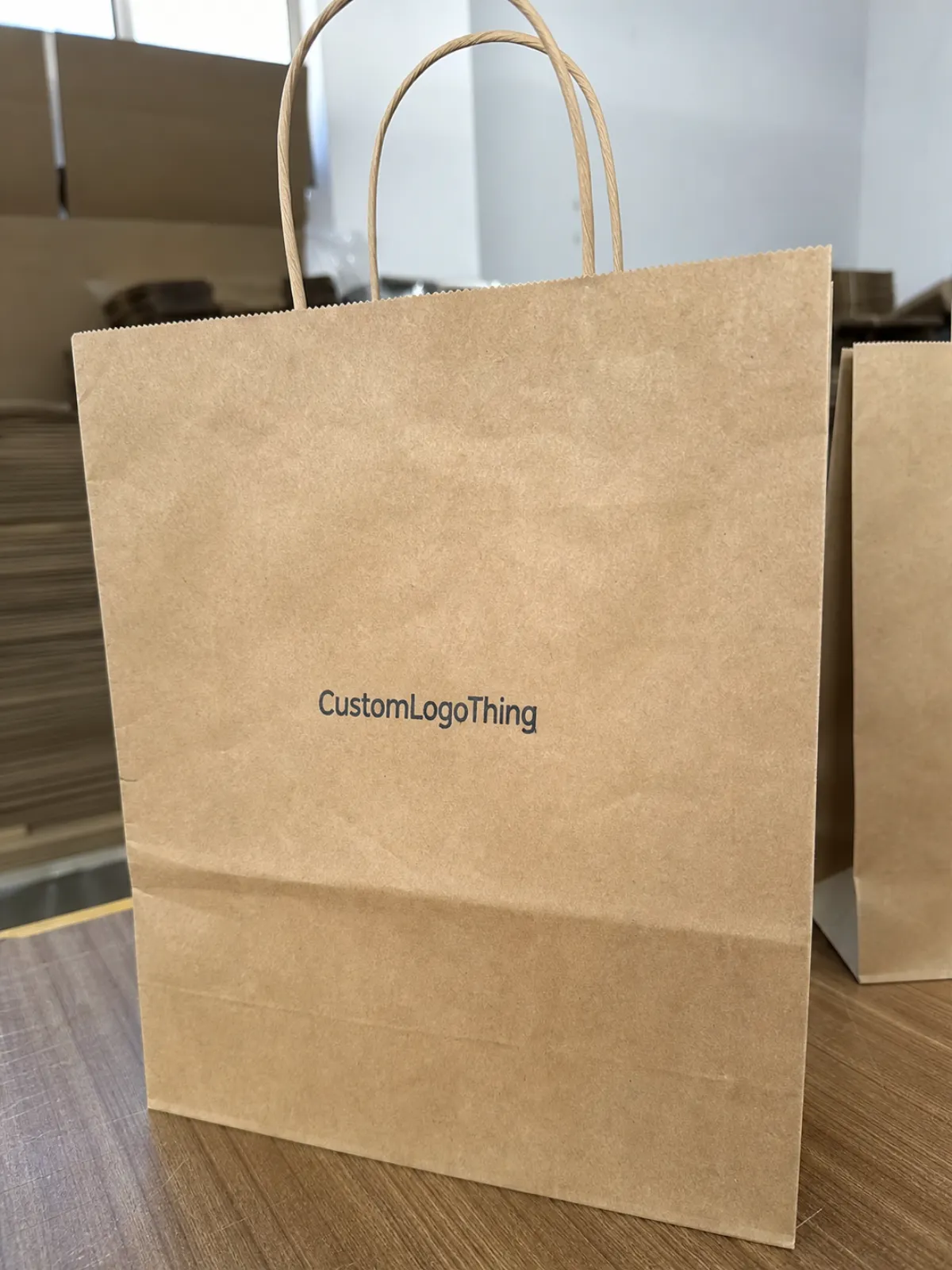
Most buyers start with appearance because that is the easiest thing to compare. The bag color looks right. The logo is centered. The handle matches the brand palette. Then the first sample turns up and the details the render could not show start to matter: a bottom that bows, a handle knot that digs into the paper, or a mouth that collapses as soon as the jar shifts inside the bag.
The real cost conversation is not about decoration. It is about failure points. A candle bag has to survive packing, shelf handling, customer carry-out, and sometimes gift wrapping on top of all that. If the bag is intended for 8 oz or 12 oz jars, the weight may sound modest, but the load is concentrated in a small area. That makes bottom board, handle glue area, and paper stiffness more important than most first-time buyers expect.
There is also a subtle trap in comparing quotes across unrelated packaging categories. A bag that works well for cosmetics may not suit candles. A jar candle can move differently in the hand, and a boxed candle can create a taller, less balanced stack. Two products with the same outside dimensions may behave very differently inside the same bag. The experienced buyer checks product mass, center of gravity, and the way the packaging will be packed at scale.
That is why a useful candle twisted handle paper bags Unit Cost Review should include more than price per piece. It should include how much the bag tolerates before it starts to deform, how much labor it adds on the packing line, and whether the structure keeps the candle upright during transport. Those are not abstract details. They are the difference between a usable retail bag and an expensive reprint.
One more thing gets overlooked: a bad spec can be hidden by careful handling in a small sample run. A sample packed by hand and carried across a room is not the same as a production lot packed in cartons, stacked on a pallet, and shipped with other goods. Real-world performance has less to do with how the bag looks alone and more to do with how repeatable it is.
Bag build that actually suits candles, not generic retail goods
Twisted Handle Paper Bags work well for candles because they sit between gift packaging and practical retail packaging. They feel more finished than a plain carrier bag and are easier to scale than rigid boxes. That balance matters for candle brands that sell single jars, seasonal bundles, or gift sets. The bag can signal value without carrying the full cost of luxury box construction.
The structure needs to match the product. A reinforced top edge keeps the opening from curling when the handles are pulled. A square base helps the jar sit flat. A wider gusset gives room for tissue, inserts, or a boxed candle, and it prevents that awkward side pressure that makes the bag bulge in an unplanned way. The handle attachment area deserves special attention because the upper edge takes repeated stress during carrying and display.
For heavier candles, the bag should have a bottom insert or a thicker base card. That small addition often does more for performance than a fancier finish does. If the product is light, the build can stay simpler. Once the candle becomes a dense glass jar or a gift set with a second item, the bag should be engineered like a load-bearing package, not a decorative accessory.
Finish affects the quote quickly, but it also changes the user experience. Kraft paper gives a natural, tactile look and keeps cost under control. Coated paper produces cleaner graphics and stronger color. Matte lamination can make the bag feel more premium, while gloss increases contrast and often reads brighter under store lighting. Soft-touch finishes feel upscale but add cost and can make dark colors appear even deeper than intended. There is no universal best option. The right finish depends on whether the brand is selling rustic calm, polished luxury, or a seasonal gift item with short shelf life.
A restrained design usually performs better for candles than a busy one. One or two colors on a kraft base can feel intentional and more expensive than a crowded print. Large blocks of ink raise cost and sometimes make the bag feel heavier or less natural. Small brands often overspend on print complexity and underspend on structure, which is the wrong ratio for packaging that has to move safely from shelf to customer.
- Reinforced top edge: helps the mouth stay open and reduces tearing at the handles.
- Square base: keeps jars from leaning and improves packing speed.
- Deep gusset: allows room for tissue, boxes, and inserts.
- Bottom insert: supports heavier candles and lowers collapse risk.
- Handle reinforcement: should be matched to the real load, not just the look.
If you need a neutral reference point for responsibly sourced fiber claims, the Forest Stewardship Council outlines paper certification standards here: FSC.
Sizes, paper grades, and load limits that keep jars stable
Bag sizing should start with the candle itself, not the label art. Buyers sometimes size from the front panel because that is what the design team sees first. That leads to a bag that looks fine in a layout file but is awkward in production. A jar candle needs room for the body, the lid, and any secondary wrap or insert. If the fit is too tight, workers slow down and the candle can scrape the interior during packing.
Measure the product in all three dimensions and add practical clearance. The extra space is not wasted. It prevents scuffing, makes the bag easier to load, and gives the product enough freedom to sit naturally instead of locking against one wall. If the candle is sold as a gift, leave enough space for tissue or a card insert. A narrow bag with a premium print often ends up feeling less premium once the product starts fighting the packaging.
Paper grade changes the performance profile more than many buyers expect. Kraft paper around 157gsm can work for lighter candles or basic retail use, especially if the handle reinforcement is sensible. Once the candle gets heavier, 190gsm to 250gsm paper or board becomes a safer range. Coated paper usually improves print clarity and edge definition. Uncoated kraft gives a warmer, more natural appearance, though it may show handling marks sooner.
Load limits are not fixed across all bag styles, so they should never be guessed from appearance alone. The same outer dimensions can behave differently depending on handle type, paper caliper, glue coverage, and whether the base has a card insert. A bag that survives a light jar may not survive a glass candle with a metal lid. That is why test loading matters. A sample should be checked with the actual candle, packed the way the customer will receive it.
For warehousing and transport, a stable base matters as much as print quality. Bags that tip easily slow the packing line and increase the chance of crushed corners in cartons. That becomes expensive in bulk orders because one flawed spec multiplies across the run. A strong bag is not only better for the brand image. It also reduces labor friction.
Simple spec checklist:
- Inside width, gusset, and height
- Jar weight and whether the candle is boxed
- Paper weight or board thickness
- Handle style and reinforcement method
- Print coverage, finish, and any insert card
- FSC or other sourcing requirements
For shipment stress and carton durability, ISTA testing standards provide a useful framework: ISTA.
Unit cost, pricing tiers, and MOQ tradeoffs that move the quote
The quote for custom candle bags usually moves for five reasons: paper weight, print complexity, handle reinforcement, special finish, and order quantity. Everything else is secondary or absorbed into setup. If a price looks unexpectedly high, check for tooling charges, plate fees, die-line edits, or a custom size that forces the factory to change its production setup.
MOQ is the biggest structural lever. Smaller runs always cost more per piece because the setup costs are spread across fewer units. That is not a penalty, just the math of print production. Once the order reaches a stable volume, the unit price drops because labor, setup, and waste are diluted across more bags. For many candle programs, the cost curve starts to improve meaningfully after a few hundred pieces and becomes more favorable in the 1,000 to 3,000 range.
| Option | Typical specs | MOQ | Cost per piece | Best fit |
|---|---|---|---|---|
| Entry custom run | 157gsm kraft, 1-color print, basic twisted handle | 300-500 pcs | $0.48-$0.82 | Testing a new candle line or seasonal launch |
| Mid-volume retail run | 190gsm coated paper, 2-color print, reinforced top edge | 1,000-3,000 pcs | $0.32-$0.62 | Core candle range and repeat retail use |
| Premium gift-set run | 230gsm-250gsm board, matte lamination, bottom insert | 3,000-5,000 pcs | $0.28-$0.52 | Heavier jars and higher perceived value |
| High-efficiency reorder | Standardized size, simplified print, stable packing spec | 5,000+ pcs | $0.22-$0.41 | Ongoing programs where cost control matters most |
These ranges are useful, not absolute. A foil accent, soft-touch coating, or larger-format print can push the unit cost up quickly. So can shipping terms, carton style, and whether the bags are moving by sea or by air. If the goal is to keep packaging spend under control, standardization does more than bargaining ever will. One size, one handle style, one print setup across a line of candles gives the factory less to change and gives the buyer a cleaner cost base.
A careful candle twisted handle paper bags Unit Cost Review also needs to include the hidden cost of flexibility. A low MOQ can be attractive during product testing, but it often limits paper choice and forces less efficient production methods. On the other hand, a larger order can reduce unit cost but increases exposure if the size or artwork is wrong. The right answer depends on how stable the candle line is. Launch packaging and repeat-order packaging are not the same decision.
One useful comparison is to ask for two quotes side by side. The first should be built for cost control, using standard materials and a simple print structure. The second should be built for retail presentation, using thicker paper or a finish that improves shelf impact. That makes the tradeoff visible. It also prevents a common mistake: paying for premium appearance in areas the customer never notices, while ignoring the parts they touch.
Process, timeline, and proofing steps from artwork to shipment
A clean order moves through a sequence that should feel boring in the best way: quote, dieline confirmation, artwork setup, proof approval, sample check, bulk production, and final packing. Each step exists to catch a different type of mistake. If the supplier skips one, the risk moves downstream and gets more expensive to fix.
Timeline has three separate parts. Proofing and sample review can take a few business days if the files are ready and the dimensions are final. Production for custom paper bags often lands in the 12 to 20 business day range, though larger volumes and special finishes can extend that. Freight sits on top of that timeline and should never be treated as part of production. A bag can be made on time and still arrive late if shipping is left to the last minute.
Most schedule problems come from avoidable causes. Artwork gets revised after the dieline is approved. Candle dimensions change after the sample stage. Finish decisions are made late, which adds time and sometimes changes the color appearance. A good file package solves a lot of this early: final dimensions, target quantity, delivery country, print colors, material preference, and finish requirements all in one message. The less guessing involved, the fewer corrections come back later.
Seasonal launches need buffer time. Candle packaging tied to holidays or gift campaigns does not forgive a late proof. If the production slot moves, the shipment may miss the retail window entirely. That is not a manufacturing surprise; it is a planning gap. Buyers who build in a little extra time usually get better pricing and fewer compromises because they are not trying to force a rushed change through an already fixed schedule.
- Send final size data: width, gusset, height, and candle weight.
- Provide artwork early: vector files reduce proof delays.
- Confirm finish: matte, gloss, soft-touch, or natural kraft.
- Ask about sample timing: before committing to bulk.
- Separate freight from production: transit time is its own variable.
Buyers often underestimate the value of a pre-production proof. That proof exposes color drift, handle placement issues, and base alignment problems before the full run starts. On candle orders, that check can save a lot of money because the product is usually heavier and more visible than a standard promotional bag. A problem hidden in a stack of cartons tends to show up in retail faster than people expect.
What a reliable candle bag supplier should prove before you order
A reliable supplier does more than accept the spec. It shows that the spec is repeatable. That means stable paper sourcing, consistent handle attachment, predictable color output, and enough quality control to catch weak glue points or a crooked base before cartons leave the floor. If those checks are hard to explain, the order is not ready yet.
This matters even more for candle packaging because these bags often sit in premium retail programs or gift assortments. The packaging is part of the product experience. A single weak bag in a set can make the whole range look careless. Buyers should ask for a production sample or a pre-production proof whenever the candle is heavy, boxed, or paired with another item. That is not extra fuss. It is a basic risk check.
Communication is part of quality control too. A useful supplier responds with clear answers, flags spec changes that affect lead time, and explains where a finish might reduce durability. That kind of honesty is useful because it lets the buyer decide whether the visual improvement is worth the tradeoff. A good sample that photographs well is not enough. The bag still has to hold up in the store, in transit, and in the customer’s hand.
Consistency across reorders is another test that many buyers only learn the hard way. If a candle line is repeatable, the bag should be repeatable with it. A new paper batch should not change the feel dramatically. A reordered print should not shift in color enough to look like a different product. This is where a supplier’s process matters more than a one-time low price.
That is the point where a candle Twisted Handle Paper Bags unit cost review becomes more than a pricing exercise. The review should reveal whether the supplier can hold a spec across time, volume, and shipping conditions. Price matters. Repeatability is what keeps the price meaningful.
Next steps to request a clean quote and avoid rework
To get a quote that is actually useful, send the supplier five details together: jar dimensions, target quantity, print colors, paper preference, and delivery country. Add whether the candle is boxed, wrapped in tissue, or sold loose. That one line changes bag dimensions more often than a logo revision does.
Ask for two versions of the quote. One should be built for cost discipline, using a standard structure and limited print. The other should be built for shelf presence, using heavier board or a finish that improves the brand’s visual weight. The comparison makes the unit-cost tradeoff visible, which is much better than trying to guess from a single number on a spreadsheet.
If the candle is heavy or the order is meant for a premium gift set, request a sample or proof before the full run begins. A small check now can prevent a run of weak bottoms or handles that pull loose after a few carries. If the supplier cannot show a sensible proofing path, that is a signal in itself.
The practical answer is not to chase the lowest cost. It is to match the bag to the candle, keep the specification realistic, and avoid unnecessary variation. Good packaging does not shout. It just works every time someone lifts it.
Frequently Asked Questions
What affects candle twisted handle paper bags unit cost the most?
Paper weight, print coverage, and handle reinforcement usually move the number more than small design changes. Higher quantities reduce the per-piece cost, while special finishes and custom sizes can push it back up. Freight and carton packing can also change the final landed cost, especially for international shipments.
What MOQ should I expect for candle paper bags with twisted handles?
Custom orders often begin in the few-hundred-piece range and climb into the low thousands depending on the size and print method. Lower MOQs are useful for testing, but they usually raise unit cost and limit material options. If the line is stable, higher volume generally gives better pricing and better consistency.
Which bag size works best for standard candle jars?
Start with the actual jar width, depth, and height, then add room for a lid, tissue, or insert. A wider gusset and a stable base usually work better than a tight fit that only looks neat on paper. If the candle is boxed, size the bag to the outer carton, not just the jar itself.
How long does production usually take after approval?
Proofing can take a few business days if the files are ready. Bulk production commonly runs about 12 to 20 business days, though special finishes and larger orders can take longer. Shipping time is separate, so the full schedule should include transit, not only manufacturing.
Can I keep custom printing affordable on candle gift bags?
Yes. Keep the design focused, use one bag size across the line, and avoid finishing steps that do not support the brand. One- or two-color printing is usually more economical than full-coverage artwork. Reorders help too, because setup costs are spread across more units.
Do I need a full candle twisted handle paper bags unit cost review before placing a reorder?
Yes, especially if anything changed: paper grade, finish, candle weight, or packaging format. A brief review keeps the reorder honest and catches small specification shifts before they become expensive. If the spec stayed the same, the review should be quick. If it changed, skipping it is how surprises get built into the invoice.

