A pet treat woven label Beanies Unit Cost Review starts with a practical observation: the decoration on a beanie often does more work than the beanie itself. A small woven label can make a simple knit look deliberate, giftable, and retail-ready. That matters in bundled pet treat sets, seasonal promotions, adoption drives, and loyalty gifts, where the item is judged in seconds and the brand story has to read cleanly at a glance.
The cost discussion should not begin and end with the lowest quote. Buyers usually get better results when they look at how the label, knit body, and packing method work together. A woven label is often the right choice for fine text, multiple colors, and logos that need a tidy edge. Compared with embroidery, it can hold small details better. Compared with a printed patch, it tends to look more finished. Compared with a rubber badge, it often feels less bulky on a soft knit surface. If you need matching trim pieces or consistent label formats across a wider program, Custom Labels & Tags is a useful place to keep the visual system aligned.
Why Woven Labels Lift Pet Treat Beanie Sell-Through
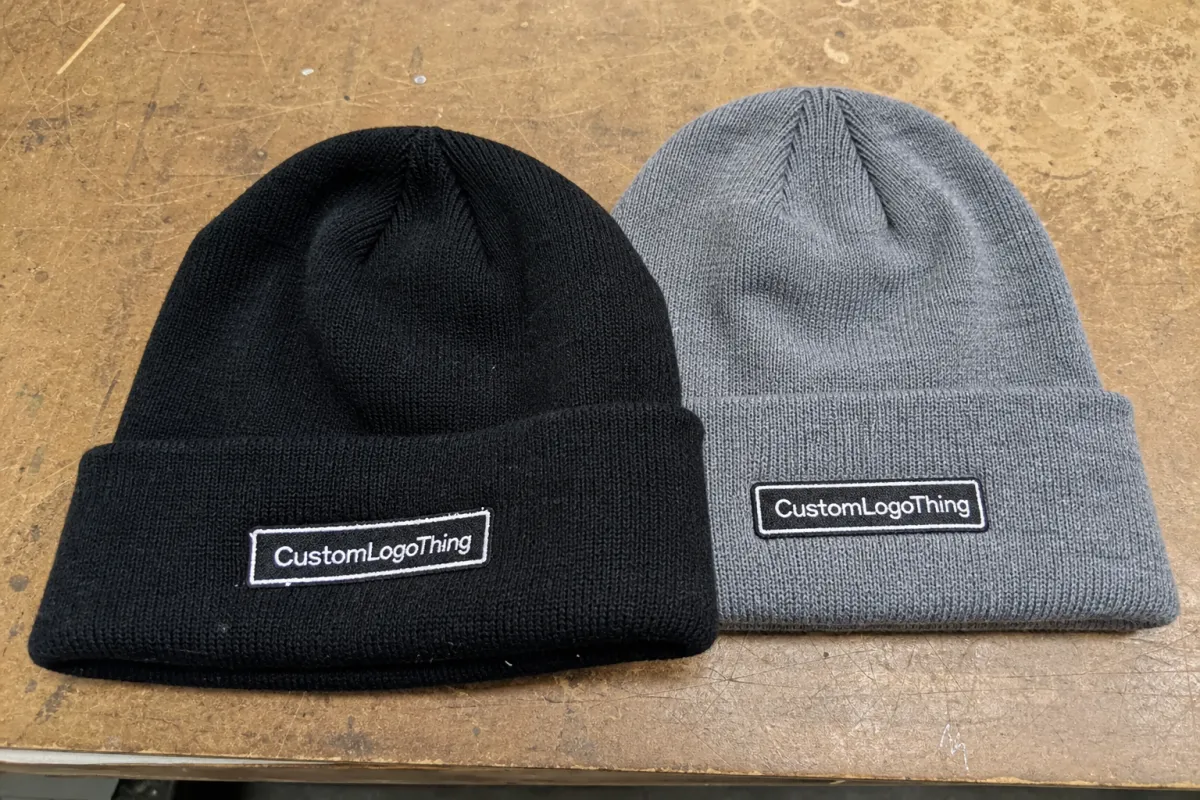
A beanie with a woven label simply reads as more complete. That sounds modest, but on a shelf or inside a gift bundle, small details carry a lot of weight. A label gives the eye a focal point, which helps a plain acrylic knit look like a brand asset instead of a blank commodity. That is especially valuable for pet treat bundles, fundraiser kits, holiday add-ons, and checkout displays, where the beanie is part of a larger purchase and not the main ticket item.
Clarity is the main reason buyers keep returning to woven labels. Embroidery adds texture, but it can struggle with tiny lettering and narrow linework. Printed patches can work for bold graphics, though they depend heavily on ink coverage and edge finishing. Rubber badges add dimension, but they can feel too heavy for a soft retail bundle. A woven label keeps the artwork readable, handles several brand colors well, and usually survives repeated handling without looking tired. In a pet treat Woven Label Beanies Unit Cost review, that durability often matters more than shaving a few cents off the decoration.
There is also a simple merchandising effect. A woven label can make a low-complexity beanie feel more intentional without pushing the product into a premium price tier it cannot support. Buyers who sell through retail channels know the difference between a product that looks “cheap but cute” and one that looks stable enough to reorder. The latter wins more often. Repeatability matters. So does the ability to re-run the same style next season without redesigning the label or rebuilding the art from scratch.
The most useful test is not whether the label looks impressive on a screen. It is whether the label supports the package story. If the beanie sits beside a premium treat pouch, the decoration needs to belong there. If the item is donated or sold through a nonprofit campaign, the label should read cleanly in photos and at a distance. If the beanie is a checkout add-on, the label has to earn attention fast. On that kind of product, the decoration is not decorative fluff; it is the thing that makes the item feel worth handling.
A strong woven label does not need to dominate the beanie. It needs to make the product easier to read, easier to gift, and easier to trust.
Beanie Body, Label Placement, and Stitch Construction
The knit body sets the ceiling for how polished the finished piece can look. A cuffed acrylic beanie is still the most common starting point because it offers stretch, predictable shape, and manageable cost. Rib-knit styles usually recover better after wear and can feel slightly more refined. Recycled blends help when sustainability claims matter to the buying brief. Fleece-lined beanies add warmth and comfort, but they also raise the unit price and can change how the label sits against the fabric.
Placement is not a minor detail. A center-cuff label is the most visible option and photographs well for e-commerce listings. A side-seam placement is quieter and can suit a more understated brand. Hem-edge tabs work well when the beanie is one part of a broader bundle and should not take over the front. If the label sits too close to a high-stretch area, the artwork can distort once the cuff is folded or worn. That problem is easy to miss in a flat mockup and obvious in a sample.
Construction affects the visual result more than many first-time buyers expect. A 1x1 rib and a 2x2 rib behave differently under tension. Double-layer cuffs create more room for decoration, but they also thicken the edge and can make a label feel visually heavier. Knit density, yarn twist, and fold depth all change the way the label sits. A label that looks balanced on a flat spec sheet may feel oversized once it is attached to a soft, stretchy beanie body.
Before quoting, the buyer should lock the label brief in plain terms: width, height, edge finish, thread count, matte or satin appearance, fold style, and attachment method. Flat sew, folded tab, and center fold are not interchangeable. Each one changes both the visual result and the labor involved. A clear brief shortens back-and-forth and helps prevent surprise charges later. If the same label family will appear on other accessories, keep measurements and color references in one file so reorders do not drift.
Brand consistency extends beyond the knit item itself. If the beanie is sold with pet treats, the label colors should sit comfortably beside the pouch, carton print, or hang tag. On a shelf, the full set should look like one decision. In the hand, the beanie still has to feel soft enough to wear. That balance is where experienced buyers usually save money: they avoid decorating a product so heavily that the accessory starts competing with the bundle around it.
Size, Color, and Packaging Specs Buyers Should Lock First
Size comes first. Adult, unisex, youth, and slouch styles all carry different fit expectations, and the stretch range matters if the order is meant for a mixed audience. A standard cuffed beanie usually covers a broad adult fit range, but a youth promo or family event needs a tighter brief. Head circumference, stretch tolerance, and cuff depth should be stated before quoting. Otherwise the price may look right while the fit is wrong.
Color is trickier than it sounds. PMS or hex references help, but yarn, knit density, and thread sheen can shift how a color appears. A digital screen is not a dyed yarn sample. Satin thread may read lighter than matte thread. If color match is critical, the safer route is a real swatch or strike-off, not a monitor image. Buyers sometimes spend too much time chasing a perfect digital match that will never exist once the item is folded, bagged, and placed next to treats.
Artwork preparation can save real time. Woven labels work best with vector files, clean outlines, and a realistic understanding of minimum line weight. Tiny text can disappear if the weave count is too coarse. Fine borders often need to be simplified. Edge-to-edge graphics lose breathing room once translated into threads. If the design is too detailed, reduce it before the quote stage. That is not a design compromise; it is a manufacturing correction.
Packaging has a larger effect on the final buy price than many teams expect. Individual polybags, hang tags, barcode labels, inserts, and carton count all affect labor and freight cube. Retail-ready packing usually costs more than bulk cartons, but it can save time in the warehouse and reduce handling damage. If the order must survive transit and distribution, package-test thinking is useful. The ISTA guidelines are a practical reference point for transport and packaging expectations.
If paper inserts or carton boards are part of the order, FSC-certified materials can support a sustainability claim without changing the knit itself. See FSC for the certification framework. Those choices may not affect the beanie body directly, but they affect how buyers judge the package as a whole.
Channel matters too. A retail program, charity kit, corporate promo, and gift-box bundle each call for a different packing approach. A fundraising kit may need labeled polybags for easy sorting. A retail shipment may need shelf-ready presentation. The quote should reflect the job the beanie is expected to do, not just the raw piece count.
Pet Treat Beanie Unit Cost, MOQ, and Quote Drivers
A serious pet treat Woven Label Beanies unit cost review separates fixed costs from variable ones. Yarn type, knit density, label complexity, color count, and packaging format all move the number. So do artwork edits required to make the label manufacturable. If the design has to be simplified, that is a production issue, not just a design note, because it can affect setup fees and timing.
MOQ is where many buyers misread pricing. Minimum order quantity is not only a gate to place the order. It is the point where setup costs stop dominating the piece price. Once loom setup, labeling prep, and packing planning are spread across enough units, the per-piece cost improves. That is why 500 units can look expensive next to 2,500 units even when the beanie body and label art are identical. The material cost does not fall much; the fixed expenses simply divide better.
| Beanie Style | Typical MOQ | Estimated Unit Cost Impact | Best Use |
|---|---|---|---|
| Cuffed acrylic | 300-500 pcs | $1.10-$1.80 before freight | Promo giveaways, retail add-ons, bundled pet treat sets |
| Recycled blend | 500-1,000 pcs | $1.40-$2.20 before freight | Sustainability-led campaigns, brand merch |
| Fleece-lined | 500-1,000 pcs | $2.10-$3.40 before freight | Cold-weather retail, higher perceived value |
| Slouch style | 300-800 pcs | $1.30-$2.10 before freight | Lifestyle merch, casual gifting |
Those numbers are directional, not universal. Thread count, label size, stitch density, and packing format can move them meaningfully. A woven label with more colors or tighter detail can add modest tooling fees. A simpler label usually keeps setup lean. The better way to compare quotes is to isolate the drivers: quantity by style or color, target ship date, label dimensions, destination, and whether the shipment needs retail-ready packaging or bulk cartons.
Buyers should also separate one-time charges from repeat-order pricing. If the label art will be reused, the initial loom or program setup is an investment that should disappear from later orders. That is why a strike-off or pre-production sample often pays for itself. One controlled check costs less than correcting a misread label size after several hundred pieces are already in motion.
Always ask for landed cost, not just factory price. Freight, packing, rush timing, and carton changes can move the real buy price more than the line item on the first quote. Two suppliers can look close on paper and land very differently at the dock. A disciplined buyer compares the complete picture, not only the headline number.
Production Steps and Lead Time: From Art to Shipment
The cleanest production runs begin with proofing. Before bulk knitting starts, confirm logo scale, thread colors, stitch translation, and label placement. Those are the hardest details to fix later. If a buyer approves a label that is too small, or places it where the cuff fold fights the artwork, the mistake may not surface until the sample stage. Once that happens, the calendar begins to slip.
Samples can come as a strike-off, a sewn sample, or both. Each has a different role. A strike-off shows whether the woven label reads correctly at actual scale. A sewn sample shows how the label behaves on the beanie body, including whether it lies flat, shifts on the cuff, or feels too stiff against the knit. Review it under normal lighting, not only under bright screen conditions. That matters when the beanie will be photographed or displayed in a retail rack.
The bulk process is straightforward, but every step takes time. Yarn procurement or dyeing comes first, then knitting, label attachment, trimming, shaping, final inspection, and packing. If carton marking or inserts are needed, that adds another layer. Lead time depends on quantity, color complexity, and whether the order moves by sea or air. Fast approval cycles help, but only if the buyer has already made the key decisions. A factory cannot move quickly through unclear instructions.
Most teams do not need a miracle schedule. They need a predictable one. Clear art, a single decision-maker for changes, and packaging instructions that are fully written out will usually save more time than chasing a rush. If the same label family will be reused later, keep the approved measurements and references together so the next run does not turn into a new interpretation.
In practical terms, a standard run may move from approved sample to packed goods in a few weeks. A more complex order with custom packaging or multiple colorways will take longer. Exact timing shifts with factory capacity, seasonality, and how often the brief changes after quoting. Speed matters, but only when the order is defined well enough to move without rework.
Quality Checks That Keep the Retail Presentation Clean
Quality on this product is mostly about visual discipline. The knit should be even. The cuff should fold symmetrically. The tension should stay consistent from piece to piece. If the beanie twists, stretches unevenly, or develops skipped stitches, the label will look worse than it is. A good sample tells you whether the body construction supports the brand presentation, not just whether the logo was woven correctly.
The label itself needs close inspection. Readability is the first test. If the smallest text disappears, the weave count is too coarse or the artwork is too detailed. Next comes edge quality. Clean edges, secure stitching, and no loose threads matter because retail buyers notice fray quickly. Thread colors should match the approved reference closely enough that the label and the knit body feel like one system, not two unrelated parts.
Packaging consistency matters just as much. Polybag clarity, fold size, barcode placement, carton density, and compression resistance all affect how the goods arrive. Good packing should protect the cuffs without crushing them flat for long periods. Overpacking creates hard creases. Underpacking creates shifting and abrasion. If the shipment will move through multiple distribution points, it is reasonable to take transit testing seriously and apply the same standards used for other consumer goods.
Common buyer mistakes are easy to spot. Approving artwork without checking scale is one. Skipping a sample is another. Changing label size after the quote is issued creates avoidable churn, and so does asking for a new fold style after production has already been lined up. Good suppliers flag these issues early, before they become expensive. Tiny text that will not survive weaving, a color shift in yarn, or a placement that distorts on a stretch knit should be caught before bulk starts.
Quality control is not only about rejecting defects. It is about keeping the retail presentation clean enough that the beanie supports the pet treat bundle instead of weakening it. That is the standard buyers should use every time they review samples and final goods.
Quote-Ready Next Steps for a Fast, Accurate Order Plan
If the goal is a useful quote, send the essentials together. Logo file, preferred beanie style, quantity, target delivery window, packaging format, and shipping destination give the supplier enough information to build a meaningful response. Without those details, the reply will usually be vague, and the buyer loses time sorting out revisions later. For a pet treat woven label Beanies Unit Cost Review, complete inputs matter more than polished wording.
Ask for tiered pricing. A buyer usually needs to compare how setup charges spread across 300, 500, 1,000, and 2,500 pieces before deciding where the best value sits. The real question is not which line is cheapest on paper. It is where the cost per piece aligns with the budget, the display plan, and the reorder expectation. That is easier to see when several quantity breaks are shown side by side.
Before approving anything, confirm the production choices one last time: label size, body color, fold style, and whether the order needs shelf-ready packing or bulk cartons. Late changes slow the job down because they can alter knitting instructions, label attachment, carton layout, and final inspection. The more complete the brief, the easier it is for the supplier to hold the schedule and the better the finished goods usually look.
For future runs, keep an internal reorder file with approved art, color references, measurements, packaging notes, and sample photos that show how the label should sit on the cuff. That file turns the next order into a straightforward repeat instead of a new interpretation. It also protects the brand look across seasons, which matters if the beanie is part of a retail line, donor program, or recurring pet treat bundle.
The cleanest buying habit is simple: ask for a line-item quote that shows MOQ, lead time, packaging details, and one-time setup charges. That gives a real basis for comparison. It also makes it easier to judge whether a slightly higher price is buying you lower risk, cleaner presentation, or a better repeat-order path.
FAQs
What is a realistic MOQ for pet treat woven label beanies?
MOQ depends on knit style, label size, and packaging, but many buyers see workable starting points around 300 to 500 pieces for simpler styles. The best price usually appears once setup is spread across a larger run, so it helps to ask for several quantity breaks and compare landed cost instead of only the lowest headline number.
How is unit cost calculated for woven label beanie orders?
Unit cost is driven by yarn choice, knit density, label complexity, color count, packaging, and whether the artwork needs simplification before production. Freight, sample fees, and carton changes can matter almost as much as the base factory price, which is why a full landed-cost quote gives a much clearer buying picture.
Can pet treat packaging colors be matched on the beanie label?
Yes, but yarn-to-color matching should be checked against real thread and knit samples because screen colors do not always translate perfectly. If exact matching matters to the brand, approve a strike-off or sample first so the final label and beanie body stay aligned with the package design.
What files are needed before quoting woven label beanies?
Send vector artwork, target quantity, preferred beanie style, label size, packaging needs, delivery date, and shipping destination. A complete request reduces back-and-forth and helps the supplier quote MOQ, lead time, and unit cost accurately.
How long does production usually take after sample approval?
Lead time depends on quantity, color matching, and packaging, but approval speed has a major effect on how quickly production can start. Once the sample is approved, bulk knitting, label attachment, finishing, and packing usually follow a predictable schedule if no changes are introduced.
For bundled retail items, fundraisers, or simple promo gifts, the smartest approach is to treat the cost review as a planning tool rather than a price check alone. The right quote should show MOQ, setup charges, packaging, and lead time clearly enough that the buyer can compare value with confidence.


