When medication packaging fails, the bag gets blamed first
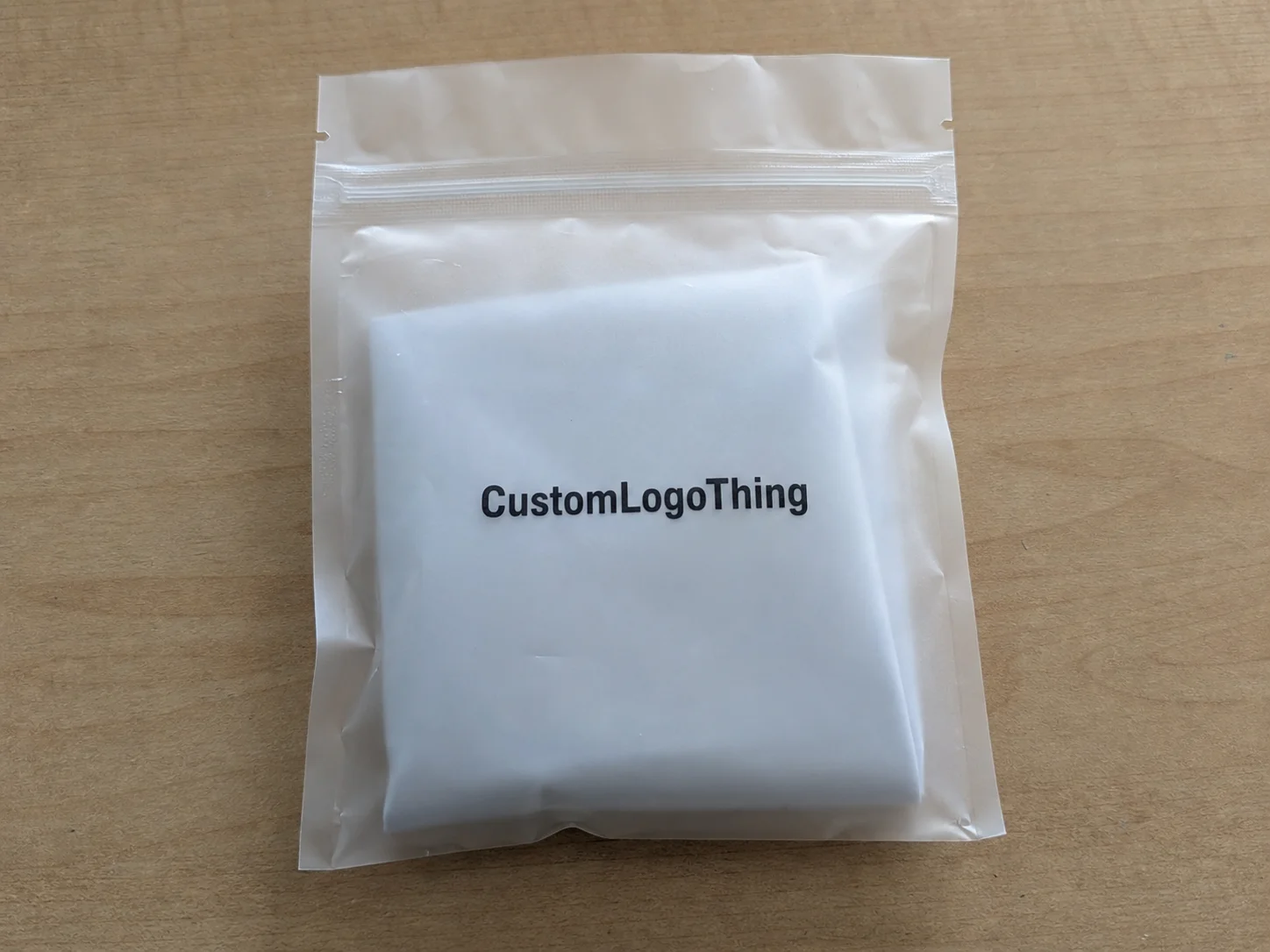
A pharmacy counter gets messy fast when the pouch is wrong. Buyers searching for a Pharmacy Frosted Zipper Bags supplier quote usually need more than a number on a spreadsheet. They need a bag that survives filling, resealing, shelving, shipping, and ordinary abuse without splitting, wrinkling into a mess, or making the product look cheap.
Small healthcare and wellness items expose packaging problems immediately. Refill packs slump. Sample kits spill. Labels become hard to read. A cloudy, flimsy pouch with a weak zipper can drag down a perfectly decent product presentation. Then the bag gets blamed. Fair enough.
The bigger problem is how many quote requests are still half-finished. Buyers send a rough size and maybe a logo file, then expect a meaningful price back. No thickness target. No fill weight. No note about lot coding, warning text, barcode panel, or whether the bag needs to stand. The supplier replies with a number, but it is barely a quote. More like a placeholder with good manners.
Frosted zipper bags sit in a useful middle ground for pharmacy-adjacent packaging. They give partial privacy without going fully opaque. Staff can still identify contents faster than with a solid-color pouch. On shelf, they look cleaner than plain Clear Poly Bags, which tend to wrinkle, glare, and advertise “cost cutting” from a distance.
From a packaging buyer’s side, the decision should come down to a few practical checks:
- Storage efficiency in the dispensary, stockroom, or fulfillment area
- Reseal performance after repeated opening and closing
- Print readability for usage text, warnings, and barcodes
- Fill speed during packing
- Real unit economics at your actual volume, not some fantasy annual forecast
The rest is noise. Pretty renders do not fix a zipper that misaligns. A cheap quote does not help if the pouch buckles once it is filled.
The sections below break down the specs, price drivers, order quantities, lead times, and quality checks that matter if you want a Pharmacy Frosted Zipper Bags supplier quote you can actually buy from.
What pharmacy frosted zipper bags need to do on the shelf and at the counter
Pharmacy packaging is rarely one format for every SKU. Common uses include vitamins, gummies, blister packs, wellness kits, topical sample packs, refill packs, and accessories such as droppers or measuring tools. A flat pouch for slim sachets is one job. A stand-up zipper pouch carrying heavier gummies is another.
The frosted effect matters for a reason. It softens visibility without fully hiding the contents. That works well for products where shoppers want a little discretion but store staff still need quick identification. Fully clear bags can feel too exposed. Fully opaque bags slow down picking and make stock checks less convenient.
The zipper needs to work in normal use, not just on a showroom sample. That means it should align consistently, resist accidental popping during transport, and stay usable after repeated openings. Grip matters too. If the zipper profile is too shallow or the lips are too slippery, older users and rushed staff will notice immediately.
A standard zipper is not child-resistant just because the product sits in a pharmacy channel. That assumption causes trouble. If the pack needs child-resistant performance, tamper evidence, or heat-seal-before-first-use features, those have to be specified from the start.
Print layout is another area where buyers underestimate the space requirement. Many pharmacy-related pouches need room for:
- Logo and product name
- Dosage or usage panel
- Warning statements
- Barcode or QR code zone
- Lot and expiry coding area
- Importer or distributor details
- Multilingual instructions in some markets
On frosted film, white ink support often makes the difference between legible and annoying. Fine black text directly over a hazy substrate can lose edge definition. Pale colors look elegant in a mockup and then vanish in real lighting. That is not a design mystery. It is just low contrast doing what low contrast does.
There are tradeoffs everywhere. A thicker bag feels better, sits straighter, and usually holds up better in handling, but it costs more and adds shipping weight. A lower-cost mono-PE structure may be fine for lightweight refill items. It may also feel underbuilt for heavier contents or a premium retail line. The right choice depends on product weight, handling frequency, shelf expectations, and whether the bag is meant to be reused for days or just carried home once.
Specifications that matter before you request a supplier quote
If you want a usable Pharmacy Frosted Zipper Bags supplier quote, send real specs. Not “medium size.” Not “same as our current bag” with no measurements. Real specs save days of back-and-forth and cut down on the kind of misunderstandings that become expensive after plates are made.
1. Core dimensions
Start with width, total height, and pouch format: flat, bottom gusset, or stand-up. Then note the usable fill area below the zipper. A 120mm x 180mm pouch does not give you the full 180mm once you account for the zipper track, seal area, and any tear notch margin.
If you do not know the bag size, send the product dimensions, count per bag, and target fill weight. That gives the supplier something concrete to work from.
2. Material structure
For many pharmacy-adjacent uses, PE-based structures are enough, especially for flexible refill-style packaging. If you want better stiffness, improved print appearance, or stronger dimensional stability, laminated constructions are more common.
Typical options include:
- Frosted PE/PE for simpler applications and easier recyclability in markets that accept mono-material PE streams
- PET/PE for better stiffness and print stability
- Matte laminated PET/PE or similar for a more premium look and firmer hand feel
If the product is moisture-sensitive, aroma-sensitive, or easily crushed, say so. Structure choice should follow the product, not a random sample somebody liked last quarter.
3. Total film thickness
Custom frosted zipper pouches for this category often fall around 120 to 220 microns total, depending on structure and use. Lightweight sample packs may sit at the lower end. Heavier refill items or retail pouches expected to hold shape usually need more body.
Thinner film cuts a few cents until side seals distort, the bag wrinkles badly, or the zipper area feels flimsy. Then the savings disappear.
4. Print method and coverage
Specify single-side or double-side printing, number of colors, and whether you need spot white underprinting. Full flood printing costs more than a restrained layout with clean transparent or frosted windows. Barcodes should sit on a stable, high-contrast panel. If scanners are involved, design for scanning, not just for approval on a laptop screen.
5. Construction details
Small features change both price and performance:
- Rounded or square corners
- Tear notch
- Hang hole
- Gusset depth
- Zipper position
- Side seal width
- Need for top heat-seal above the zipper
- Compatibility with tamper labels
6. Layout space for coding and compliance text
Leave enough quiet space for lot coding and expiry marking. Thermal transfer and inkjet coders do not perform well on every printed background. If your artwork covers every millimeter in dark flood color, coding clarity becomes a problem. Then production has to carve out a blank zone later, which is exactly the kind of avoidable mess that slows approvals.
7. Tolerances and sample expectations
Ask about size tolerance, color tolerance, and acceptable defect rate. Flexible packaging is not machined metal; there will always be normal variation. What matters is whether the supplier defines it clearly and controls it. A plain sample for fit testing and a pre-production sample for print and seal review are usually worth the extra step.
Pricing, MOQ, and unit cost: what changes your quote fastest
This is the part most buyers jump to first, which is sensible. A pharmacy frosted zipper bags supplier quote usually moves fastest on six variables: bag size, material structure, total thickness, print coverage, color count, and order quantity.
Custom printed zipper bags almost always come with a minimum order. Setup costs do not disappear because the PO is small. Plates, press setup, material loading, and conversion time still happen whether you buy 3,000 pieces or 30,000. That is why tiny custom runs often look overpriced. They are. By math, not by attitude.
For custom work, a realistic MOQ often starts around 3,000 to 10,000 pieces. Some suppliers can offer lower starting points through digital methods or shared material programs, but unit cost rises fast and size options may narrow.
| Order Profile | Typical Quantity | Estimated Unit Range | Common Use |
|---|---|---|---|
| Small custom run | 3,000-5,000 pcs | $0.18-$0.34 each | New SKU testing or limited launch |
| Mid-volume retail run | 10,000-30,000 pcs | $0.10-$0.22 each | Steady replenishment |
| Larger production run | 50,000+ pcs | $0.06-$0.15 each | Established products with stable demand |
Those are broad working ranges for mainstream pouch sizes with a standard zipper and normal print coverage. They are not promises. Oversized bags, very thick laminations, all-over color, metallic effects, or special closure requirements can push pricing higher.
There are usually extra cost lines Buyers Should Ask about early:
- Plate or cylinder fees for printed jobs
- Sampling charges for pre-production pieces
- Tooling cost for unusual dimensions or punch shapes
- Variable data or serialized coding if needed
- Rush production fees
Ask for pricing at multiple volume tiers, such as 5,000, 10,000, and 20,000 pieces. That exposes the real cost curve. Plenty of buyers focus on the smallest possible PO and ignore the fact that a slightly larger order may reduce unit cost enough to offset the extra inventory burden.
Also ask for carton pack count, carton size, and approximate gross weight. Freight, storage density, and pallet count affect the real cost more than people like to admit. A pouch that is one cent cheaper but ships in inefficient cartons can quietly erase that saving.
Production process and lead time from artwork approval to delivery
A standard production flow is not complicated, but it does have several points where delays creep in.
- Quote confirmation
- Artwork review
- Dieline approval
- Prepress and plate preparation
- Material preparation
- Printing
- Lamination if required
- Curing or settling time
- Slitting and zipper conversion
- Bag making
- Inspection
- Packing and shipment
For a straightforward custom job, production often runs about 12 to 18 business days after final approval. More complex laminated builds, busy press schedules, or special finish requirements can push that to 20 to 30 business days. Shipping time is separate. Air freight may add roughly 3 to 10 days depending on route and customs handling. Sea freight costs less but obviously takes much longer.
Three sample types are useful at different stages:
- Digital mockup for checking layout and text position
- Plain sample for size, fill fit, and shelf feel
- Pre-production sample for print, finish, and construction confirmation
Most timeline problems are not technical disasters. They are approval problems. Missing vector files. Late legal text changes. Barcode updates after plates are ready. Nobody confirming the exact coding area. Small delays stack up fast.
If the launch date is fixed, say so at the start. Ask whether split shipment is possible if timing gets tight. Sometimes a portion can move by air while the balance follows by sea. Not elegant, but still better than discovering the deadline issue after the order is packed.
Good suppliers should also explain their QC checkpoints. For these pouches, the basics usually include print registration, zipper alignment, seal integrity, dimensions, bag count, and visible cosmetic defects. If odor matters, ask whether the laminate has adequate curing time before packing. Rushed lamination can leave a smell that nobody wants near healthcare products.
For transit testing references, ISTA standards are useful. If sourcing documentation matters for related paper components or cartons, some buyers also ask about FSC certification where relevant.
How to compare suppliers without getting trapped by vague specs
The classic buying mistake is simple: one supplier quotes a thin PE pouch, another quotes a thicker laminated frosted zipper bag, and someone compares the two as if they are the same product. They are not even close.
Normalize the quote basis first. Compare the same:
- Bag size and format
- Material structure
- Total thickness
- Print colors and coverage
- Zipper type
- Need for top heat seal or tamper feature
- Carton pack quantity
- Incoterm and freight basis
Then look at technical clarity. A good supplier should be able to discuss print registration, zipper seal consistency, curl control, side-seal strength, barcode readability, and normal production tolerances without hiding behind vague language.
Useful questions include:
- What are the normal size and thickness tolerances?
- How is color variation managed between runs?
- What is the policy for confirmed defects or shortage claims?
- Can they provide a specification sheet and dieline before payment?
- How do they check zipper alignment and seal strength during production?
- Can they share plain samples in a similar size before final artwork approval?
There is also a real difference between a trader-style quote and a manufacturer-style quote. A trader may still be useful, but if a bag arrives curled, undersized, or with weak side seals, the response quality matters. Someone should be able to explain the cause and the correction, not just apologize and forward emails.
Simple rule: if two quotes are close in price, the supplier with clearer specifications and clearer QC language is usually the safer buy.
One more caveat. Frosted film can vary in haze level, stiffness, and surface feel from one structure to another. If appearance matters, do not approve based on a render alone. Ask for a plain material sample or nearest equivalent. That one step prevents a lot of disappointment.
Send these details for an accurate supplier quote
If you want less back-and-forth, send one complete inquiry instead of six scattered emails.
Your request should include:
- Product type and how the bag will be used
- Bag dimensions or current package size
- Estimated fill weight or item count
- Preferred material or performance requirement
- Thickness range if known
- Flat or stand-up format
- Frosted finish requirement
- Artwork files or at least a draft layout
- Quantity tiers, ideally three levels
- Delivery country and target timing
- Need for warning text, barcode, lot, and expiry area
- Any seal, tamper, or compliance requirement
If the product is new, include photos or basic dimensions of the item going inside. That helps the supplier recommend format, zipper position, and film thickness more accurately. It also reduces the chances of ordering a pouch that technically fits the item but looks sloppy once filled.
For awkward shapes or variable fill counts, plain samples are worth requesting before custom production. That is a cheap check compared with sitting on unusable inventory because the bag cannot close properly.
A solid quote should clearly show:
- Confirmed specifications
- MOQ
- Unit price tiers
- Plate, tooling, or setup fees
- Sample options and cost
- Production timing
- Shipping terms
- Carton packing details
That is really the goal. Not just to get a fast pharmacy frosted zipper bags supplier quote, but to get one that is specific enough to compare, approve, and place without discovering the missing details after production starts.
FAQ
What information do I need for a pharmacy frosted zipper bags supplier quote?
Provide bag size, pouch format, material preference, total thickness, print colors, artwork status, quantity tiers, packing method, and delivery destination. Include product type and fill weight so the supplier can recommend the right structure and zipper style. If you need warning text, barcodes, lot coding, or tamper features, say that upfront.
What is the MOQ for custom pharmacy frosted zipper bags?
MOQ depends on size, material, and print setup, but a practical starting range is often 3,000 to 10,000 pieces for custom printed runs. Lower MOQs may be possible, though unit cost usually rises sharply because setup cost gets spread over fewer bags.
How much does pricing vary by size and print?
Price changes most with bag dimensions, total thickness, material structure, print coverage, and order volume. A small one-color refill pouch can cost far less than a larger double-side printed laminated stand-up pouch, even if both are described casually as frosted zipper bags.
What lead time should I expect after approval?
Many standard custom jobs land around 12 to 18 business days after final approval. More complex structures, heavy print schedules, or late artwork changes can push production closer to 20 to 30 business days. Freight time is separate.
Can frosted zipper bags include warnings, barcodes, and batch areas?
Yes. Custom layouts can include warning text, barcode panels, QR codes, dosage instructions, lot coding zones, and expiry areas. On frosted film, text contrast and barcode background need attention so the finished pack stays readable and scannable.


