Beauty brands usually put the spotlight on cartons, inserts, and unboxing details, but the outer mailer is the part that actually takes the abuse. It gets stacked, compressed, dragged, tossed, and sometimes left in damp loading areas before it reaches a customer. That is why Poly Mailer Bags unit cost for beauty is not a small procurement question. It affects shipping cost, product protection, brand presentation, and the margin that remains after fulfillment.
There is no universal price for a beauty mailer. A bag that looks inexpensive on paper can become costly once artwork, setup, freight, and minimum order quantity are included. A slightly more expensive bag can be the better buy if it cuts damage, reduces replacement shipments, or avoids oversizing the parcel. The useful number is always the landed cost, not the factory quote by itself.
The beauty packaging problem nobody budgets for
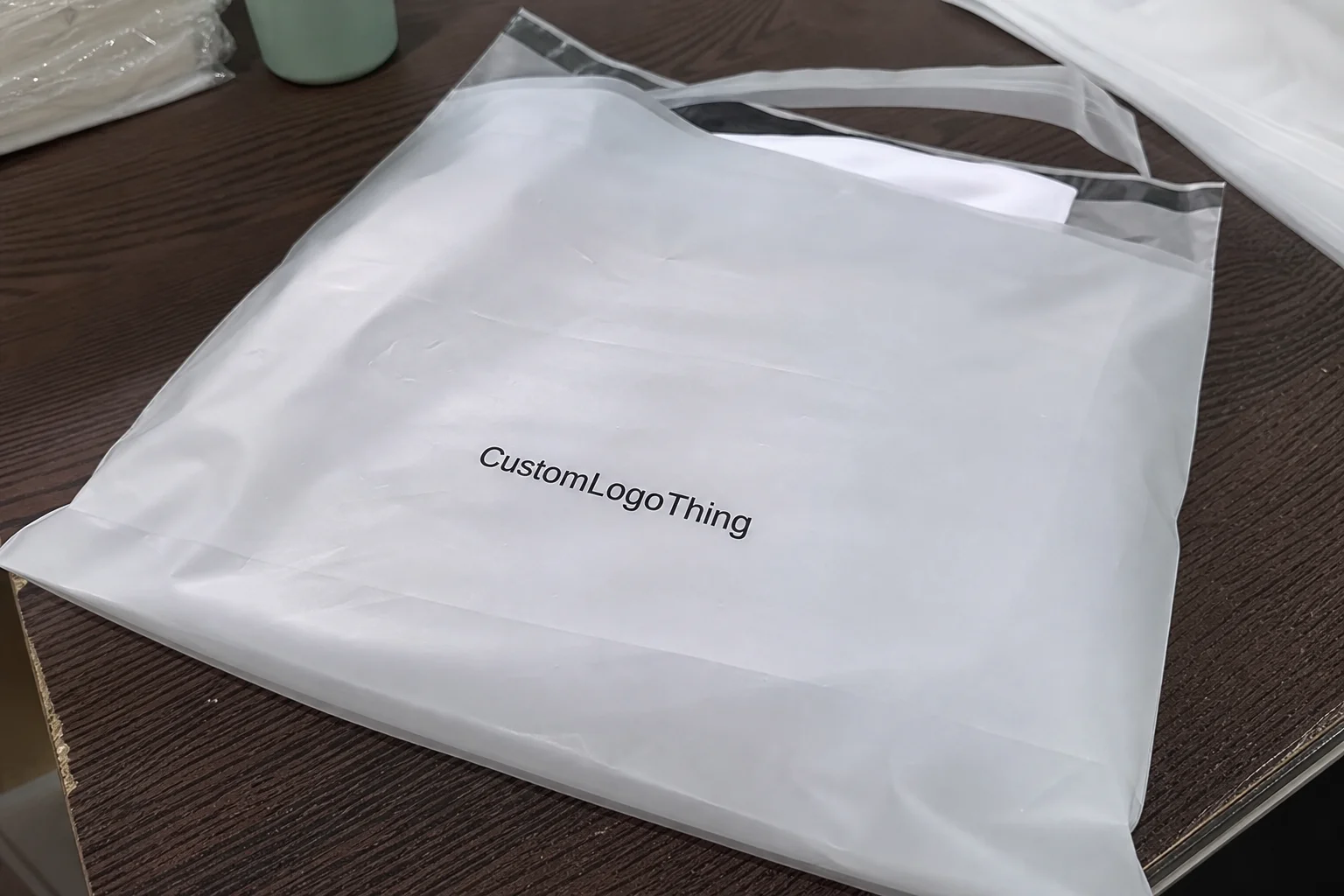
Beauty products are often small, but they are not always easy to ship. Glass serum bottles, rigid compacts, boxed kits, and sample bundles all create different packaging demands. The outer mailer has to protect the contents without adding much weight or bulk. That balance sounds simple until the product mix changes and the same mailer starts failing on a heavier SKU.
Poly mailers solve a few practical problems at once. They are light, so postage stays lower than it would with a carton-heavy shipper. They are compact, so they take up less warehouse space. They also give the customer a cleaner first touchpoint than a plain shipping bag, especially when the print is sharp and the seal holds flat. That does not make them luxurious by default. It just makes the shipment look intentional.
The hidden costs show up quickly if the spec is off. A bag that is too large uses extra film and raises freight weight. A bag that is too thin may split on a sharp box edge. A seal strip that does not hold can lead to return shipments, and returns are expensive in a way that is hard to recover from. One weak point in the shipping system can erase the savings from choosing the cheapest bag.
Practical rule: evaluate the mailer as part of the full shipping system. A lower unit price is not a win if the bag needs to be replaced, reinforced, or re-shipped.
For that reason, poly mailer Bags Unit Cost for beauty should be treated as a set of moving variables: size, thickness, print coverage, MOQ, shipping route, and whether you are buying stock bags or a custom run. Buyers who compare only the bag price tend to miss the cost that matters most, which is the total delivered cost per order.
What makes a beauty poly mailer worth buying
A useful beauty mailer does five things well. It protects the product, closes securely, resists tears, blocks visibility, and looks tidy enough to reflect the brand honestly. If one of those functions fails, the bag is not delivering its job, no matter how attractive the print looks in a mockup.
Most standard poly mailers are made from polyethylene film. Better versions use co-extruded structures, which combine layers for improved puncture resistance and a more consistent feel. That extra structure can raise cost slightly, but it usually pays back through fewer tears and better handling during fulfillment. For beauty brands shipping boxes with corners or heavier contents, that difference is not cosmetic.
The right mailer also depends on the product category. Skincare brands shipping boxed bottles often need stronger film and a more secure adhesive strip. Cosmetics subscription kits may prioritize lighter film and a polished logo. Sample sets usually need less material because the contents are small and the parcel is not stressed as much. A single packaging spec rarely suits every beauty SKU.
Branding choices that improve the bag without inflating the budget
One-color print is the easiest and usually the most economical branded option. It keeps press time lower and reduces the chance of registration issues. Full-coverage artwork raises cost because it uses more ink, more setup, and more time on press. Matte finishes often read as more premium, but the effect is only worth the extra spend if the rest of the packaging supports that look.
Clean, label-ready layouts are often underestimated. Many beauty brands add batch labels, warehouse stickers, or promo labels after the bags arrive. If the design leaves a sensible space for those labels, the team can avoid redesigning the mailer every time the assortment changes. That saves time and reduces waste in fast-moving operations.
Standard stock sizes are usually the lowest-cost path. Custom sizes make sense only when the product truly needs them, because nonstandard dimensions increase film usage and reduce production efficiency. If your order mix is broad, it is often better to standardize on a few sizes rather than order a custom bag for every product line.
For brands comparing formats, start with Custom Poly Mailers and work backward from the packed product dimensions, not the retail item alone. That avoids oversizing the mailer, which is one of the easiest ways to add waste without noticing it.
Poly mailer bag specifications that change unit cost
The quote changes as soon as the spec changes, which is normal. A request that says only “beauty mailers” is too vague to price accurately. A supplier needs exact dimensions, thickness, closure type, print details, and bag color before the numbers mean anything. Without that, any price is just an estimate with a short shelf life.
Size is the first cost driver. Larger bags use more film, and that increases both material cost and shipping weight. Thickness comes next. For lightweight beauty items, 50 to 60 microns is often enough. For heavier or sharper-edged products, 70 to 90 microns is a safer range. The exact choice depends on what is inside, how the parcel is packed, and how rough the delivery chain tends to be.
Closure quality matters more than many buyers expect. A strong adhesive strip can prevent accidental openings in transit, while a weak strip can cause returns or complaints that cost far more than the adhesive upgrade. Seal performance should be checked with simple handling tests, not just visual inspection. If the strip peels cleanly under light pressure, the bag may be underbuilt for real shipping conditions.
Spec changes that usually move the quote
- Custom size: typically costs more than stock dimensions because production is less efficient.
- Print sides: one-side print is usually cheaper than double-sided print.
- Color count: one-color logos cost less than multi-color artwork.
- Finish: matte treatment, metallic ink, and specialty textures increase cost.
- Film color: common film colors are more economical than custom dyed film.
- Seal strip: stronger adhesive may cost more, but weak adhesive is a false saving.
Beauty bundles are where unit cost rises quickly. Add a serum bottle, a carton, an insert card, and a sample pouch, and the package can exceed the space allowance for a standard bag. Once the parcel grows, film usage climbs and shipping charges often follow. A good buyer checks the packed shipment size, not just the product dimensions on a spec sheet.
For brands that care about sustainability claims, documentation matters more than marketing language. Recycled-content claims, recyclable structures, and material descriptions should be backed by supplier data sheets or formal certifications where available. The terms should match the actual structure of the bag. If the supplier cannot show how the material is defined, the claim should stay out of the sales copy.
Reference standards can also help frame expectations. Packaging groups such as ISTA publish transport-test methods that are useful when the shipment needs to survive compression or rough handling. A poly mailer does not need laboratory-level overengineering, but it should be tested against the conditions it will face in real distribution.
Poly mailer bags unit cost for beauty: pricing, MOQ, and quote drivers
For beauty brands, Poly Mailer Bags unit cost for beauty usually falls into a few price bands depending on whether the bag is stock or custom printed. The more customization you add, the more the quote shifts upward.
| Option | Typical MOQ | Approx. unit cost | Best for |
|---|---|---|---|
| Blank stock poly mailer | Low to medium | $0.05–$0.15 per piece | Fast replenishment, basic shipping |
| Simple one-color custom print | 1,000–5,000 pieces | $0.10–$0.25 per piece | Small beauty brands, clean branding |
| Full custom print with multiple colors | 3,000–10,000 pieces | $0.18–$0.40 per piece | Higher-end branding, repeat shipments |
| Special film, matte finish, or recyclable material | 5,000+ pieces | $0.22–$0.50+ per piece | Premium positioning, sustainability goals |
Those ranges are useful for planning, but they are not promises. A small mailer with minimal print can land at the lower end. A large bag with full coverage, special film, and higher freight can move well above the typical range. When the order is custom, the quote should always be checked against the final packed dimensions and the route the goods will take to reach the warehouse.
MOQ changes the economics quickly. Lower minimums are convenient, but the setup cost is spread across fewer bags, so the unit price rises. Larger runs reduce cost per piece, yet they tie up cash and storage space. That tradeoff works if you already know your reorder cycle. It becomes a problem if you guess wrong and sit on inventory that outlasts the product line it was meant to support.
What a supplier quote usually includes
- Material cost: film type, thickness, and bag size
- Printing: inks, color count, press time, and artwork setup
- Tooling fees: plates or special tools if the run requires them
- Setup charges: machine setup, proofing, and line adjustment
- Packaging: inner packs, cartons, and export packing
- Shipping: freight from factory to the delivery point
Comparing only the unit price is a common mistake. One supplier may quote a lower bag price but hide cost in tooling, freight, or weaker packing that creates damage on arrival. Another may quote a slightly higher unit price and still deliver a lower total landed cost because the shipping and setup are cleaner. The fair comparison is always the full quote for the same spec.
Simple choices help control the budget. Standard sizes, one-side print, fewer colors, and common film colors usually keep costs in check. A white, frosted, or clear-and-printed look often works well for beauty without forcing a dyed custom run. If you need a broader packaging comparison, Custom Packaging Products is a practical starting point before narrowing to a mailer spec.
Process and timeline: from artwork to production steps
The production flow is usually straightforward: inquiry, spec confirmation, artwork review, sampling if needed, approval, production, inspection, and shipment. What slows it down is missing information. A vague request can turn into several days of back-and-forth before anyone can price or schedule the run.
Stock mailers move fastest because the supplier already has the size and film available. Custom printed mailers need more time for artwork checks, plate making or setup, and line scheduling. A straightforward custom run often takes about 12 to 15 business days after proof approval, but heavier customization, unusual film, or busy production periods can add time.
Artwork quality affects the schedule more than many brands expect. Low-resolution logos, missing Pantone references, and late file changes can all delay the proof. If the size changes after artwork is approved, the print layout has to be rechecked. That is not a minor correction. It can reset part of the production sequence.
What to prepare before requesting a quote
- Exact bag dimensions, including gusset if used
- Target thickness in microns or mils
- Quantity and expected reorder frequency
- Print colors and whether print is on one side or both sides
- Logo files in vector format
- Pantone references if color matching matters
- Shipping destination and required delivery window
Once those details are clear, the quote becomes useful instead of decorative. It also becomes easier to see whether the supplier understands beauty shipping requirements or is simply selling generic plastic without much control over the details. In packaging, the difference shows up quickly in print quality, bag consistency, and the accuracy of repeat orders.
How to choose the right supplier for beauty shipping bags
Start with consistency, then print quality, then communication speed. Price matters, but it should not outrank the ability to deliver a bag that matches the spec from one batch to the next. A low quote is not useful if the dimensions drift or the adhesive seal fails under normal handling.
Ask for samples, finished product photos, or both. The goal is to check opacity, edge trim, seal strength, and print sharpness. If the bag is meant to protect premium skincare, hold it up to light. If the contents are visible through the film, the package already fails a basic expectation of privacy and presentation.
Repeat order consistency matters just as much as first-order quality. A second production run should match the first in print tone, film feel, and closure performance. That matters for brands with seasonal kits, private label replenishment, or recurring subscription shipments. Reordering should not feel like starting over.
Red flags that usually mean trouble
- Vague specs with no thickness, size, or finish detail
- No sample option or only stock photos
- Unclear lead times
- Quotes that do not mention setup charges or tooling fees
- Prices that are far below spec-matched competitors
- Poor answers about repeat orders and color matching
If a supplier hides freight, avoids discussing artwork details, or refuses to state MOQ clearly, the quote is not ready for procurement. A mailer may be simple, but it is still part of an operational system. It should be priced and delivered like one.
For brands with sustainability targets, ask what documentation is available for recycled content or recyclable structures. If you need a reference point for paper-based secondary packaging, FSC remains a useful standard to understand, even if the mailer itself is plastic. The larger principle is the same: claims should be traceable, and the material description should match what is actually being shipped.
Next steps to get an accurate quote and better unit cost
If you want a serious quote, send a complete spec sheet. Exact dimensions, thickness, quantity, print colors, finish, and delivery address are enough to start. A request that says only “need something nice for beauty products” forces the supplier to guess, and guesswork usually shows up later as a price correction or a schedule delay.
Compare at least two spec-matched quotes. Same size, same thickness, same print coverage, same shipping terms. Otherwise the comparison is misleading. A lower factory price does not mean a lower landed cost, and a cheaper bag can turn expensive once freight, setup, and waste are counted.
If the product is fragile or premium, test a small batch before committing to a larger run. That step is especially useful for glass bottles, boxed sets, and items with sharp corners. A mailer that works for samples may not work for a full kit, and it is better to find that out before the production order is scaled.
The cleanest way to improve Poly Mailer Bags unit cost for beauty is to control the spec, keep the design efficient, and evaluate the whole landed cost. Bags that look inexpensive can become costly if they fail in transit. Bags that look slightly more expensive can save money if they reduce damage, speed packing, and hold up across repeat orders. That is the real calculation.
What affects poly mailer bags unit cost for beauty packaging the most?
Size, thickness, print coverage, and MOQ usually move the price more than anything else. Freight and setup charges can matter a lot on smaller custom orders, especially if the bag needs special film or extra print work.
Are printed beauty poly mailers much more expensive than blank ones?
Yes, printed bags usually cost more because of setup and press time. A simple one-color logo on one side is usually the least expensive branded option, while full-coverage artwork raises the unit cost more noticeably.
What MOQ should a beauty brand expect for custom poly mailers?
MOQ varies by supplier and size, but custom orders often start in the low thousands. Lower MOQs are possible, though the price per piece is usually higher because setup is spread over fewer bags.
How long does production usually take for custom beauty mailers?
Stock bags can ship quickly, while custom printed bags usually need time for artwork approval and production scheduling. File revisions, color matching, and special materials can extend the timeline.
How can I lower unit cost without making the mailer look cheap?
Use a standard size, limit print colors, and choose a common film color. Keep the design clean so the bag still looks premium without expensive finishes or unnecessary print coverage.


