Beauty packaging gets judged quickly, and a mailer is often the first physical brand touchpoint long before a customer opens the product. If you are requesting a printed Poly Mailer Bags quote for beauty, the real question is not only “What is the unit price?” but also “Which structure, finish, and print method will protect the product, present the brand well, and still make sense on a fulfillment line?”
That is why experienced buyers ask for a printed Poly Mailer Bags quote for beauty early in the process. Size, film thickness, closure style, and artwork coverage can move the price more than many teams expect, and small changes in spec can create large differences in both appearance and landed cost. A bag that looks inexpensive on paper can become costly if it damages products, prints poorly, or adds avoidable shipping weight.
Why Beauty Brands Ask for Printed Mailer Quotes Before They Order
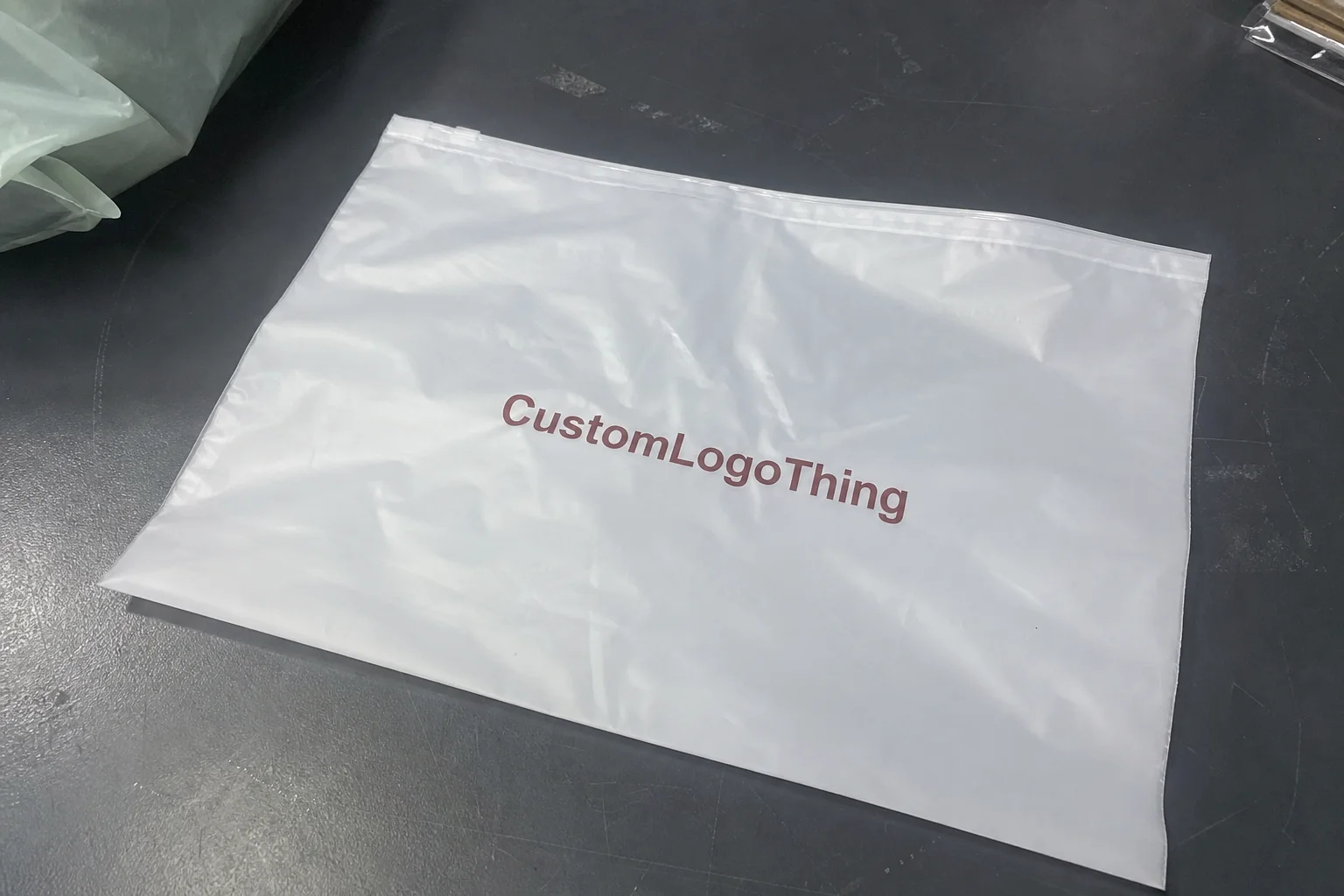
Skincare, cosmetics, haircare, and sample programs all depend on presentation, but they also depend on protection. A glossy exterior may help a brand look polished, yet the film still has to resist scuffing, moisture, and the compression that happens in parcel sorting and last-mile delivery. In practice, beauty brands are buying two things at once: a marketing surface and a shipping container.
That is where the quote process becomes useful. A well-prepared printed Poly Mailer Bags quote for beauty should show how the bag performs, not just how it looks in a mockup. Many buyers are surprised that the lowest unit price is not always the best value once you factor in print durability, damage reduction, and how much the mailer costs to ship by weight and carton count.
“For beauty packaging, a mailer has to look premium the moment it lands, but it also has to survive handling without scuffing, leaking, or splitting at the seal.”
That is especially true for subscription shipments and influencer kits, where presentation matters, but the shipment still has to move through standard e-commerce channels. A mailer that saves two cents but creates product returns is not a bargain. It is just a headache with a lower invoice.
There is also a practical reason to get pricing early: beauty assortments change often. Launch kits, seasonal promotions, refill programs, and sample drops can all use the same basic bag format, but the packed weight and visual requirements are rarely identical. A quote built around the wrong assumption can lead to either overbuilt packaging or a thin bag that fails at the point of use.
Printed Poly Mailer Bag Construction, Materials, and Finish Options
Most Custom Poly Mailers are made from co-extruded polyethylene film, usually a layered structure designed to balance strength, opacity, printability, and seal performance. Outer layers can be tuned for ink adhesion and surface appearance, while inner layers help with sealing and tear resistance. For beauty brands, opacity is often a practical issue, because product silhouettes, inserts, or bundle contents may need to stay hidden during shipping.
Finish changes the feel of the bag and the way customers read the brand. A glossy finish reflects more light and can make colors feel sharper. A matte finish tends to read softer and more premium, especially for skincare or clean-beauty branding. Some buyers ask for a frosted look or a metallic-style effect, although the exact result depends on the film structure and print method, not just the design file.
Printing is usually done in production runs where artwork simplicity helps consistency. Flexographic printing is common for many poly mailer programs, especially when the art uses solid colors and clear line work. Some higher-detail jobs may use gravure-style production depending on volume and equipment. The more colors, gradients, or fine registration details involved, the more important proofing becomes.
Function matters too. Beauty brands often ask for:
- Self-seal adhesive strips for fast packing
- Tear lines for easier opening on arrival
- Tamper-evident closures where product security matters
- Extra-wide seals for better closure consistency
For a buyer comparing options, a printed poly mailer is not just a bag. It is a small engineered package with a real job to do. If you need a broader packaging mix for a beauty launch, you can also review Custom Packaging Products that work alongside mailers, inserts, or retail cartons.
For products with sharper edges, glass components, or heavier kits, the bag may need a stronger gauge and better puncture resistance. That is one reason a quote should always start with the product, not the artwork. The printing can be beautiful and still be wrong if the structure is too light for the shipment.
Material details deserve more attention than they usually get in early sourcing conversations. A thin film may look acceptable in a sample photo, but if the seal area is narrow or the film stretches too easily, packing speed drops and failures rise. For beauty items with pumps, droppers, or rigid boxes, the buyer should ask how the bag behaves under compression, because the contents are rarely perfectly uniform once they are boxed and bundled together.
Size, Thickness, and Print Specifications That Shape the Quote
Finished size should be chosen around the actual packed item, not just the item itself. Beauty shipments often include tissue, sample cards, thank-you inserts, or a small secondary carton, and those extras can add enough bulk to change the correct bag dimensions. A mailer that is too tight slows packing and can split at the seal; one that is too large wastes material and makes the package look loose or underfilled.
Thickness is usually discussed in mils or microns depending on supplier preference. Lighter mailers may suit soft goods, sample sachets, or single lightweight items, while premium kits and multi-item orders generally need a heavier gauge. If the shipment includes boxes with sharp corners, bottle caps, or rigid compacts, extra puncture resistance is worth discussing early.
Print specifications also carry real cost impact. A one-color logo on one side is a very different job from full-coverage print on both sides with white backing and tight color matching. If the brand uses a dark background, white ink or an opaque structure may be required so colors do not sink into the film visually. Bleeds, registration complexity, and custom PMS matching all add setup and production demands.
| Typical mailer choice | Best fit | Key strengths | Quote impact |
|---|---|---|---|
| Light gauge, simple one-color print | Sample drops, lightweight skincare items | Lower cost, fast packing, less material | Lowest setup and unit pricing |
| Mid-gauge, two-sided print | Subscription beauty shipments | Better presentation, improved opacity | Moderate increase in print and film cost |
| Heavy gauge with opaque backing | Premium kits, boxed sets, fragile items | Higher puncture resistance, stronger concealment | Higher material and conversion cost |
The best quotes are the ones that translate those choices into usable production data: final dimensions, thickness, print areas, seal style, and whether the bag needs extra protection for transit. If you want a quote that is easier to compare side by side, send the spec as completely as possible before asking for revisions.
It also helps to be specific about what the mailer must hide. Beauty brands sometimes assume “opaque” is a single standard, but coverage can vary with film color, gauge, and print density. A black mailer with sparse printing behaves differently from a white mailer with a solid printed pattern. If privacy matters for product assortment or promotional bundles, that should be stated directly in the brief.
Cost, Pricing, and MOQ Factors Buyers Should Compare
The main drivers behind a printed poly mailer bags quote for beauty are straightforward, even if the final pricing looks complicated. Size, film thickness, number of colors, print coverage, order quantity, packaging configuration, and shipping destination all matter. Change any one of those and the price can move, sometimes more than a buyer expects.
Minimum order quantity is usually tied to setup economics and material utilization. Printing a small run still requires plate work, machine setup, registration checks, and waste allowance, so a tiny order can carry a high unit price. At higher volumes, the unit cost usually drops because those fixed costs are spread across more bags. That is why it makes sense to estimate demand realistically before asking for pricing.
From a buying perspective, the better comparison is not just unit price. It is total landed cost. That includes production price, freight, damage rate, and the amount of brand value the mailer adds when it arrives looking clean and consistent. A slightly higher-priced bag can still be the smarter choice if it reduces returns, hides contents well, and supports the customer experience.
Here is a simple comparison framework beauty buyers can use:
- Unit price at the target quantity
- Shipping weight and carton count
- Print quality and consistency across the run
- Damage risk for the contents being shipped
- Brand presentation on arrival
Quotes may also change when special features are added. Custom PMS matching, metallic-looking effects, unusual sizes, hang holes, perforations, or reinforced tear lines can all affect cost and lead time. None of those features are automatically bad; they just need to be priced honestly.
For many beauty buyers, the most useful price check is a side-by-side comparison of two or three specs that differ only in the variables that matter. That makes it easier to see whether the jump in cost is being driven by a functional upgrade or by a decorative detail that may not change the customer experience much.
For buyers who need a tighter compare, a direct conversation with Contact Us is usually the fastest way to align spec, MOQ, and shipping assumptions before the order moves forward.
Production Steps and Lead Time From Artwork to Finished Mailers
The production flow for a custom mailer is usually simple on paper, but each step matters. It typically starts with an inquiry, followed by specification review, artwork checking, quotation, proof approval, production, quality control, packing, and shipment. If any part of that chain is unclear, the schedule slows down.
Artwork readiness has a bigger effect on lead time than many teams realize. Final vector files, clean logo placement, clear color references, and complete dieline information help reduce revision rounds. If the design is still being adjusted or brand colors need close matching, expect a longer approval cycle. Simple jobs may be ready faster, while more complex layouts can need extra proofing before production begins.
Lead time also depends on factory load and material availability. If a certain film structure, finish, or adhesive type is not already in stock, sourcing can add days before production even starts. A pre-production sample or custom proof can also extend timing, but it reduces the risk of discovering an issue after the full run is already underway.
Buyers can speed the process by sending these details upfront:
- Finished bag dimensions
- Target quantity
- Logo files in vector format
- Color references or PMS targets
- Product type and packed weight
- Ship-to location or country
For a standard run, many projects move from proof approval to shipment in roughly 12 to 15 business days, though that depends on the print complexity, the revision count, and the current schedule. International freight or custom packaging configurations can extend the calendar. If the shipment is tied to a launch date, build in buffer time rather than assuming everything will run at the fastest possible pace.
Brands should also check whether the mailer needs to meet any internal or external performance expectations. For example, transit testing references such as ISTA can be useful when the package must withstand distribution stress, especially for fragile beauty items or bundled sets.
Quality control during production should be specific, not vague. Buyers should ask how color consistency is checked across the run, how seal strength is verified, and whether print scuffing is inspected before packing. For beauty packaging, a slight drift in color or opacity can be enough to make a shipment look off-brand, especially under strong retail lighting or when customers compare multiple orders side by side.
How We Support Beauty Packaging Buyers With Reliable Customization
Beauty packaging buyers usually want two things at once: a polished look and a bag that runs smoothly through fulfillment. That is the real job of a Custom Poly Mailer. It should print cleanly, seal consistently, and arrive in repeatable quality from one carton to the next. Flashy claims do not help much if the bag jams a packing line or shows visible variation across the shipment.
Support starts with spec guidance. If a brand is unsure which film thickness or closure style fits the product, the right answer should be based on actual shipping needs, not just on what sounds premium. A lightweight sample order does not need the same structure as a boxed holiday kit. The same is true for opaque black mailers versus translucent frosted styles; they are useful for different purposes.
Quality checks matter here. Buyers should expect attention to print alignment, seal integrity, opacity, adhesive consistency, and bag-to-bag uniformity. If a mailer is supposed to hide contents, the film should do that reliably. If the closure is meant to support high-speed packing, the adhesive should close cleanly and hold during transit.
For brands building a broader packaging system, the mailer can work alongside retail cartons, inserts, and promotional materials from Custom Poly Mailers and related packaging formats. That makes it easier to keep brand presentation consistent across shipping, retail, and sample programs.
Packaging standards can also guide expectations. FSC certification matters when paper components are involved, while EPA guidance on material recovery and waste reduction can help teams think more carefully about packaging choices and end-of-life impact. If your brand cares about that side of the program, the relevant resources are available at FSC and EPA.
“The best beauty mailer is the one that protects the product, looks consistent in the customer’s hand, and fits the fulfillment process without drama.”
There is a quiet operational benefit to standardizing the mailer as well. Once a brand settles on a size and film grade that works, reorders become easier to manage and warehouse teams have fewer surprises. That stability often matters more than a dramatic redesign, especially for teams shipping at volume.
What to Send for an Accurate Printed Poly Mailer Bags Quote for Beauty
If you want an accurate printed poly mailer bags quote for beauty, the most useful thing you can do is send a complete specification sheet instead of a short inquiry. The more clearly the use case is defined, the less back-and-forth there will be, and the easier it becomes to compare pricing, MOQ, and lead time across options.
Send these details first:
- Product dimensions and packed weight
- Desired bag size or target finished dimensions
- Thickness preference or material gauge
- Print colors, front and back coverage, and PMS targets
- Finish preference such as matte, glossy, or opaque
- Artwork files, ideally vector format
- Ship-to location for freight planning
It also helps to mention the product category. A skincare serum sample, a mascara bundle, a haircare kit, and a subscription shipment all behave differently inside the same style of bag. If you can share a sample photo of similar packaging or explain how the item will be packed, the estimate will usually be more accurate from the start.
For brands that want to move quickly, the best next step is simple: request a quote with the full spec sheet, then review the options against the actual packed product rather than an abstract bag size. That is how you avoid surprises in pricing and performance. If you are ready to start, send the details through Contact Us and ask for a printed poly mailer bags quote for beauty that matches your product, your quantity, and your launch timing.
One last point that saves time: include any nonnegotiable requirements in the first message. If the bag must fit a certain carton, carry a specific color target, or use a particular adhesive style, mention it up front. Those details affect both the quote and whether the bag will perform the way the operation needs it to.
What details do I need for a printed poly mailer bags quote for beauty products?
Provide finished size, quantity, thickness, print colors, artwork file, finish preference, and ship-to location. It also helps to share the type of beauty product so the recommended gauge and closure style fit the item properly.
What affects the price of custom printed poly mailers the most?
Size, film thickness, number of print colors, order quantity, and special finishes are the biggest cost drivers. Shipping cost and packaging configuration can also change the total landed price, especially for larger or heavier orders.
Is there a minimum order quantity for beauty brand mailers?
Yes, MOQ is usually tied to printing setup and material efficiency. Higher quantities generally lower the unit cost, so it helps to plan orders around expected usage instead of ordering too few pieces at once.
How long does production usually take after artwork approval?
Lead time depends on order complexity, revision speed, and the current factory schedule. Final timelines are confirmed after the specification review and proof approval, especially when custom colors or special finishes are involved.
Can I use custom poly mailers for skincare subscription shipments?
Yes, as long as the size, thickness, and seal strength are matched to the product weight and contents. For subscription kits, opaque film and a strong adhesive closure are especially useful for both presentation and protection.


