Why tea sellers overpay on shipping bags without noticing
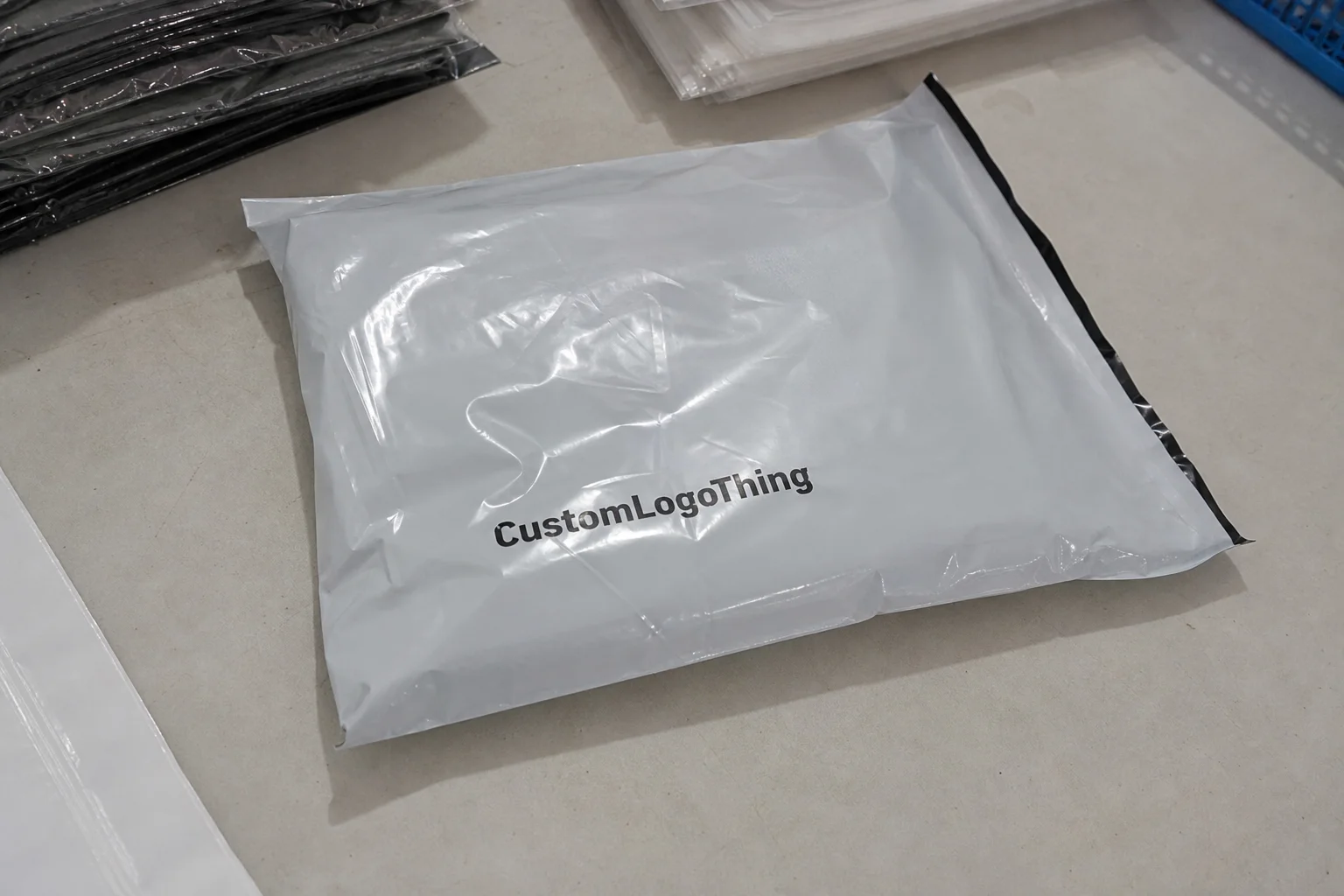
The Poly Mailer Bags unit cost for tea can look tiny on a quote sheet and still hurt margin if the specification is off. A bag that costs a few cents more, or a size that leaves too much air around the product, quietly adds waste across every parcel. Multiply that by hundreds or thousands of shipments, and the “small” difference becomes real money.
Tea is a margin-sensitive category because the product is light, but the packaging stack often is not. Loose-leaf tins, resealable inner pouches, branded inserts, moisture protection, and outer shipping mailers all compete for the same gross profit. A $14 tea order can absorb packaging costs faster than most sellers expect if each layer is chosen in isolation. At that point, the outer mailer is no longer a minor line item; it is part of the product economics.
Most buyers overpay in one of three ways. They overspec thickness because thicker sounds safer. They order too few units and get pushed into weaker bulk pricing or extra setup charges. Or they choose a custom size when a stock mailer would have shipped the same tea order cleanly. The target is not the lowest bag price. It is the lowest usable cost per shipped order, after waste, damage, and packing time are included.
That means comparing plain mailers, printed mailers, and custom sizing against the actual order mix. A single-pouch subscription shipment is not the same as a bundle order with three flavor packs and a thank-you card. Once those use cases are separated, the pricing picture gets much clearer.
Poly mailer bag options for tea packaging
Tea brands usually begin with three outer-mailer choices: standard poly mailers, tamper-evident mailers, and co-extruded film mailers. Standard PE mailers are the lowest-cost option and work well when the tea itself is already sealed in a foil pouch or another barrier bag. Tamper-evident mailers add a security seal and are useful when the customer experience benefits from visible opening evidence. Co-extruded films bring better puncture resistance and tear performance, which helps with sharper product edges, gift boxes, or subscription kits that include multiple items.
For many tea shipments, the outer mailer is not the primary barrier. The real barrier is inside: foil laminate pouches, metallized sachets, or lined tea bags. That is why the outer package only needs to protect against moisture, abrasion, and courier handling. If the tea is already sealed and the parcel is simple, a basic poly mailer can be enough. If the order includes rigid tins, sample kits, or multiple SKUs in one parcel, upgrading the mailer makes more sense.
Size is where a lot of quoting mistakes happen. Loose-leaf tea in a stand-up pouch might fit in a 9 x 12 inch mailer, while a two-product bundle with a card insert may need 10 x 14 inches or more. Sample packs and subscription trial sets often ship best in slightly taller mailers because the fold and seal area matter as much as the product footprint. A mailer that is too small slows packing and can stress the seal. One that is too large wastes film and can make the parcel look underpacked.
Print changes the economics as well. A plain stock mailer gives you the lowest entry cost per piece. A branded stock mailer sits in the middle, often with a one-color logo or a simple pattern. Fully Custom Printed Mailers sit at the top because they usually involve artwork approval, plate work, and more careful quality control. The buyer should choose based on volume and repeatability, not branding vanity. A neat one-color logo can do more for recognition than a crowded full-coverage design that raises cost without improving the package.
| Mailer type | Typical use | Cost level | Best fit for tea sellers |
|---|---|---|---|
| Plain stock poly mailer | Simple mail orders, low-SKU operations | Lowest | Startups, replenishment runs, testing demand |
| Branded stock mailer | Logo or small-print branding | Moderate | Brands wanting recognizable packaging without custom sizing |
| Fully custom printed mailer | Unique size, artwork, and finish | Highest | Higher-volume tea programs and premium subscription boxes |
For buyers comparing Custom Poly Mailers, the right choice usually comes down to order mix rather than marketing language. The best package is the one that fits the product, protects the contents, and avoids paying for features that will never be used.
Poly mailer specs that change performance and cost
Thickness is one of the first numbers buyers ask about, and for good reason. Poly mailers are often measured in microns or mils, and that gauge has a direct effect on tear resistance, puncture protection, and unit cost. A 50–60 micron mailer may work well for flat, sealed tea pouches. Move to 70–90 microns, and you generally get more protection, but the price rises too. Go thicker still and you may be paying for durability your shipment never uses.
Dimensions matter just as much. A well-sized mailer reduces internal movement and lowers the chance of edge damage. Flap length influences seal reliability. Tear notch design can improve opening, but not every tea brand needs it. Seal strength matters when parcels are handled by courier networks that compress, toss, and sort thousands of items every hour. If the adhesive is weak, everything else becomes irrelevant.
Tea shipments often benefit from moisture-resistant outer packaging even when the tea itself is sealed in an inner pouch. That is not because the poly mailer should become the primary barrier. It should not. The job is to keep the outer pack clean and intact during transit, especially in humid routes or wet weather. In practice, the outer layer protects presentation, while the inner pouch protects the product.
Print specification also changes both price and consistency. One-color branding is the easiest to control and usually the cheapest to produce. Multi-color graphics raise press complexity and increase the risk of registration drift. Coverage matters too. Full-front and back print uses more ink and may need tighter inspection. If you need Pantone matching for a premium tea brand, expect more back-and-forth before production is approved.
Good buyers ask for testing data rather than vague assurances. For lightweight but fragile tea orders, ask about drop resistance, seal integrity, and whether the mailer has been used successfully in courier handling scenarios similar to yours. Industry standards such as ISTA testing protocols are useful reference points when you want to reduce guesswork, especially if you are shipping across longer lanes or mixing product shapes in the same parcel.
“If the outer mailer is wrong, the order feels wrong. Customers may never mention the gauge, but they notice dents, split seams, and sloppy sizing immediately.”
Poly mailer bags unit cost for tea: pricing, MOQ, and quote drivers
Here is the practical truth about Poly Mailer Bags unit cost for tea: the price is never just the bag. It is size, film structure, print count, order quantity, and the cost to get the finished goods to your warehouse. Buyers who compare only ex-factory numbers often miss the parts that move the total landed cost.
For plain stock mailers, the unit cost can be very low at scale, especially if you accept standard sizes and standard colors. For printed mailers, the unit cost rises because of artwork handling, plate work or tooling fees, and setup charges. If you need a custom size, the price can climb further because the factory may need a dedicated production setup or a modified cutting process. None of this is unusual. It is how packaging manufacturing works.
MOQ is the other major driver. Lower MOQs are often available for stock sizes and simpler print jobs. Fully custom mailers generally need higher order quantities to make the economics work. If your tea brand is still testing flavors or seasonal bundles, a modest MOQ can be worth paying for. If you reorder the same pack month after month, the bulk pricing benefits can be substantial.
To make comparisons meaningful, ask suppliers to quote the same bag dimensions, film thickness, print colors, closure style, and shipping terms. Otherwise, the quote is almost useless. A low price on a 50-micron bag is not comparable to a higher price on a 70-micron bag with better adhesive and more print coverage. That is not apples to apples. It is a different spec, a different material load, and often a different freight profile.
| Quote factor | How it affects cost per piece | Buyer action |
|---|---|---|
| Bag size | Larger bags use more film and raise cost | Match the mailer closely to the packed tea order |
| Thickness | Higher gauge increases material cost | Choose the lightest spec that still passes handling needs |
| Print complexity | More colors and coverage increase setup and production cost | Start with one-color branding if volume is modest |
| Order quantity | Higher MOQ can reduce unit cost sharply | Forecast demand before requesting final pricing |
| Freight | Shipping can outweigh the bag price on smaller runs | Ask for delivered pricing, not just factory pricing |
As a rough buyer framework, a plain stock mailer sits at the lowest end of the range, a branded stock option adds a moderate premium, and a fully Custom Printed Mailer can cost materially more once setup is included. Exact numbers vary by size, film structure, print method, and freight route. For tea brands, the smarter question is not “What is the cheapest bag?” It is “What is the lowest cost per piece after damage, labor, and branding are accounted for?”
This is where the value equation becomes clearer. If a slightly higher unit cost reduces returns, protects presentation, and shortens pack-out time, the total package can be cheaper in practice. That is especially true for premium tea, subscription boxes, and gift sets, where packaging experience influences repeat purchase behavior more than most sellers admit.
Process and lead time from artwork to delivery
The ordering process is usually straightforward, but small errors create expensive delays. A typical run starts with specification review, then quote approval, artwork confirmation, prepress, production, quality check, and dispatch. If one step is rushed, the whole job tends to wobble. The biggest delays usually come from missing artwork files, unclear dimensions, or late changes to print color and layout.
Lead time depends on product type. Stock mailers can move quickly because the material and size already exist. Printed stock mailers take longer because artwork and print setup need approval. Fully custom mailers take the longest because the factory may need to create the size, prepare print plates, and run additional checks. If your tea business has seasonal peaks, reorder early. Waiting until the last box is nearly gone is how packaging disruptions happen.
Most buyers underestimate how much sample approval reduces risk. A digital proof confirms layout and logo placement, but it does not show the real feel of the film, seal strength, or opacity. A production sample is better when the order is premium or the tea pouch is unusually shaped. If you are matching multiple SKUs, get the sample before mass production, not after the shipment is on the water.
Here is a simple planning rule that works well for recurring tea shipments: reorder when you have enough packaging for the current lead time plus a safety buffer. If your supplier needs 12 to 15 business days after approval, and freight adds another week, do not let inventory dip to a single cycle’s worth of stock. Keep a buffer. It is cheaper than paying for panic shipping or emergency substitutions.
Packaging buyers who also manage sustainability requirements sometimes ask whether the mailer should be recyclable or use recycled content. If that matters to your brand, ask for documentation. The EPA recycling guidance is a useful reference point, but local collection rules still matter more than the claim on the bag.
How to choose a mailer supplier that fits tea orders
The best supplier is not the one with the lowest quoted number. It is the one that can repeat the same result across reorders. For tea brands, consistency matters because the customer sees the outer mailer before they see the product. A supplier should be able to hold thickness tolerances, reproduce print accurately, and maintain reliable adhesive performance across batches.
Factories that handle both stock and custom mailers usually give buyers more flexibility on lead time and MOQ. Traders can still be useful, especially when you want help sourcing multiple packaging items at once, but they may add margin and introduce another layer between you and the production line. That can slow file checks and make troubleshooting harder. For repeat tea runs, communication speed is part of product quality.
Ask for material certificates, QC photos, and basic production documentation if your tea brand sells at a premium level or ships into regulated channels. If the supplier is vague about film structure, print method, or adhesive type, that is a warning sign. Ask direct questions. What is the thickness tolerance? What is the seal strength? What is the exact MOQ, and does it apply per design or per size? Those answers tell you more than a glossy sales sheet.
Support also matters in the unglamorous parts of the job: file checks, sample timing, freight coordination, and reorder consistency. A supplier that answers quickly and flags a bad dieline or color mismatch before production saves you time and money. A cheap quote that arrives with hidden corrections later is not cheap.
For buyers reviewing broader packaging programs, it can help to compare related formats at Custom Packaging Products. Tea mailers rarely sit alone. They usually sit inside a larger system of pouches, labels, cartons, and inserts, and the supply chain should be managed that way.
Next steps to order the right tea mailers
Before requesting a quote, gather three things: bag dimensions, monthly order volume, and branding requirements. Those three inputs remove a surprising amount of back-and-forth. If you also know your tea pouch size, bundle style, and whether you need a tamper-evident seal, the quote will be much more accurate.
Ask for side-by-side pricing on plain stock, printed stock, and custom sizes. That comparison often reveals that the cheapest-looking option is not the most efficient once freight, waste, and handling are included. If your current mailer wastes material or slows pack-out, a slightly different format may actually lower total spend.
Request a sample or spec sheet before approval, especially if you ship odd-shaped tea gift sets or bundled sampler packs. It is far easier to catch a sizing or print issue on a sample than on a 5,000-piece production run. Production mistakes are expensive. Prevention is cheaper.
Finally, build a reorder point that respects lead time and a safety buffer. Tea sales can spike around holidays, subscriptions, and promotional drops. Packaging should not be the reason an order sits in the warehouse. The cleanest purchase decision is the one that matches unit cost, protection, and branding to the way tea actually ships.
If you are reviewing Poly Mailer Bags unit cost for tea for a new run, compare landed cost, MOQ, and print setup charges together, not separately. That is how you Buy Smarter, Avoid surprise costs, and keep your packaging aligned with the margin you actually need.
FAQ
What affects poly mailer bags unit cost for tea the most?
The biggest cost drivers are size, thickness, print complexity, and order quantity. Shipping and setup charges can change the true landed cost more than the bag price itself. Custom sizing usually costs more than stock sizing, but it can reduce wasted material and packing time.
Are printed poly mailers worth it for tea brands?
Yes, if the mailer is part of the brand experience or customer retention strategy. Printed mailers usually raise unit cost, but they can support repeat purchase behavior and stronger recognition from parcel to doorstep. For low-volume brands, a simple one-color print is often the most cost-efficient branded option.
What MOQ should I expect for custom tea mailers?
MOQ depends on the factory, print method, and whether the bag is stock or fully custom. Lower MOQs are usually available for standard sizes or simpler print jobs. Ask whether the MOQ applies per design or per size, because that changes the real buying threshold.
How do I compare quotes for tea shipping bags correctly?
Compare total landed cost, not just ex-factory unit price. Check whether artwork, plates, freight, and taxes are included or billed separately. Use the same bag size, material spec, and print details across every quote for an accurate comparison.
How far in advance should I reorder poly mailer bags for tea?
Reorder based on your supplier’s lead time plus a buffer for freight delays and artwork approval. Fast-moving tea brands should not wait until they are nearly out of packaging. A safety stock policy helps prevent fulfillment gaps during seasonal sales spikes or promotions.


