Tea is forgiving in some parts of the supply chain and unforgiving in others. The leaves themselves may travel well, but a crushed corner, a torn seam, or a bag that lets in moisture can make a polished product feel less considered the moment it arrives, which is why custom Poly Mailer Bags for tea brands deserve more attention than they usually get.
From a packaging buyer’s point of view, the outer shipper is doing several jobs at once: protecting the inner pack, supporting the brand story, keeping freight costs under control, and surviving the rough handling that happens between warehouse and doorstep. Get the spec right, and the mailer becomes a quiet part of a strong product packaging system. Get it wrong, and even good tea can arrive looking tired.
That balance is the real subject here: how to choose a mailer that protects well, prints cleanly, fits your packed product without wasted space, and still makes sense for a tea business that has to watch margins closely.
What custom poly mailers do for tea packaging
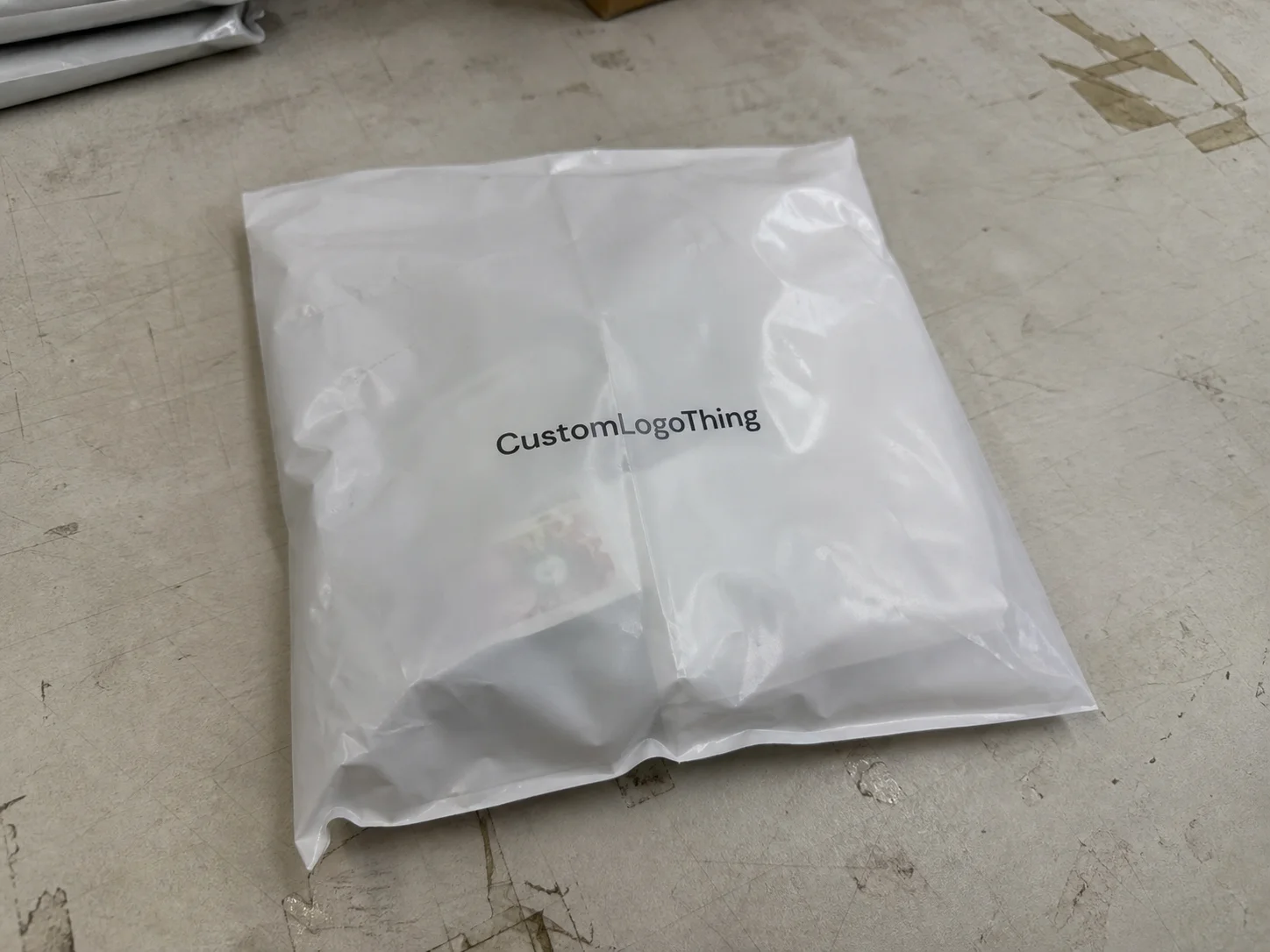
Custom Poly Mailer Bags for tea brands are lightweight shipping bags made from polyethylene film, usually used as the final outer layer around boxed tea, sample sachets, subscription orders, or smaller gift sets. They are not a replacement for careful primary packaging. Their job is to protect the finished pack on the trip out to the customer.
Tea often ships well because it is relatively light, but that does not mean it ships safely inside any bag. Corners can puncture thin film, warehouse humidity can affect closures, and stacked parcels can scuff the surface before the customer ever opens the box. A clean, well-sized poly mailer reduces those risks while keeping the outside presentation tidy.
Plain mailers do the job. Branded mailers do the job and also support package branding. A printed logo, a muted color block, a simple icon, or a short line of copy can turn the outer shipping layer into a small but useful brand touchpoint. That matters for tea because much of the category is emotional: customers are not only buying leaves, they are buying ritual, calm, and a sense of care.
Poly mailers fit into a broader packaging stack. Tea may already be sealed in a foil pouch, tucked into a carton, or packed in a rigid gift box. The mailer is the outer shield, not the hero. In retail packaging terms, that means the mailer should support the product without competing with it.
If the inner pack is already premium, the outer mailer does not need to be extravagant. It needs to be the right size, the right strength, and the right finish for the shipping route.
The practical decision is simple to say and harder to execute: choose a mailer that protects well without paying for extra thickness, oversized dimensions, or decoration that raises cost without improving performance.
How the material, seal, and print structure work together
A poly mailer is more than “just plastic.” The structure usually includes an outer polyethylene film, sometimes co-extruded layers for better tear resistance, a self-seal adhesive strip, and, in some cases, tamper-evident features. For tea brands, that construction matters because the mailer has to handle abuse while staying light.
Film thickness is often discussed in microns or mils, depending on the supplier. Thicker does not automatically mean better, but too thin is a common problem. Real-world performance depends on tensile strength, puncture resistance, seam quality, and how the bag behaves when it is dropped, dragged, or squeezed under other parcels. That is the difference between a bag that looks fine on a spec sheet and one that performs in distribution.
Print structure matters too. Simple one-color branding is usually the most economical route, especially for direct logos, small patterns, or short messaging. Multi-color flexographic printing can look sharp and polished, but ink coverage, registration, and print area all affect cost. Heavy full-coverage artwork usually costs more because it uses more ink and demands tighter print control.
Tea brands should also decide whether they want opaque or translucent film. Opaque film supports privacy and gives a consistent branded look. Clear or semi-clear options can be useful when product visibility matters, but for most tea shipments, privacy and a clean brand surface tend to win.
Seal integrity is a quiet but serious issue. Tea is aroma-sensitive, and while the mailer is not the primary freshness barrier, a weak seal can let in dust, incidental moisture, and rough-handling damage. For that reason, the adhesive strip should be tested with real product weight and a realistic closure press, not just finger pressure in a sample room.
For buyers who want to understand packaging performance standards more broadly, the ISTA testing framework is a useful reference point, especially if you are comparing shipping durability across different package formats.
Cost, pricing, and MOQ factors that shape your budget
Pricing for custom Poly Mailer Bags for tea brands usually comes down to a handful of practical variables: bag size, film thickness, print colors, custom sizing, shipping volume, and whether the job uses standard film or specialty material. If any of those change, the quote changes with it.
MOQ, or minimum order quantity, is one of the biggest budget levers. A lower MOQ gives flexibility, but the unit cost is usually higher. A slightly larger order can sometimes cut the per-unit price enough to make sense, especially if the brand is confident in the mailer size and artwork. That is why many buyers compare total landed cost rather than sticker price alone.
Here is a practical way to think about it:
| Mailers | Typical Use | Approx. Cost Impact | Notes |
|---|---|---|---|
| Plain stock mailers | Low-volume shipping, basic fulfillment | Lowest | No branding, fastest procurement |
| Simple branded mailers | Logo, one or two colors, standard sizing | Moderate | Usually the best balance for tea brands |
| Fully custom printed mailers | Full coverage, special finishes, exact sizing | Higher | Stronger visual impact, but more setup and print cost |
Oversized mailers cost more in material and freight, and they also take up more warehouse space. Undersized mailers are worse because they can crush corners, strain the seal, and create return or re-packaging costs. The cheapest unit price can become the most expensive choice if the bag is the wrong fit.
Simple branding usually costs less than matte soft-touch effects, metallic inks, heavy ink coverage, reinforced seams, or a second adhesive strip. Those options can make sense for premium tea lines, but they should be chosen for a reason, not because they sound impressive in a quote. Good package decisions usually start with use case, not decoration.
For brands comparing broader packaging investments, it helps to review options across other formats too, including Custom Poly Mailers and Custom Packaging Products, so the mailing format fits the rest of the packaging system.
One more practical point: freight can make a meaningful difference. A larger, heavier run may look cheap per bag, but the total bill rises once shipping, storage, and fulfillment labor are included. The landed cost is the number that really matters, especially for brands ordering across multiple tea SKUs.
For context, straightforward branded mailers often sit in a noticeably lower price band than fully custom, full-coverage prints, and the gap widens when special finishes or exact sizing are added. That is why buyers usually get the best value from a spec that stays close to standard dimensions and uses restrained artwork.
Production steps and timeline from artwork to delivery
The production path for branded mailers is usually straightforward, but each step can slow down if the details are not clear. A typical workflow includes specification review, artwork setup, proofing, material selection, print plate or setup preparation, production, quality checks, packing, and shipping.
Timeline is shaped by quantity, print complexity, and proof approval speed. A simple logo on a standard-size mailer can move faster than a custom size with full-coverage graphics and color matching requirements. If the brand responds quickly and the artwork is print-ready, the schedule usually stays tighter.
Proofing is not just a formality. It is where you catch a misspelled claim, a barcode issue, a print boundary problem, or a size mismatch. Once the order is in motion, every revision costs time.
Common delays include color corrections, missing label requirements, dimension changes after sampling, and back-and-forth over artwork placement. A tea brand launching a seasonal blend or subscription program should build enough lead time for a sample run and a test shipment. That way the outer bag is checked against the actual packed order, not just a drawing.
For production planning, a realistic lead time for custom Printed Poly Mailers is often measured in weeks rather than days. A simple run may move relatively quickly once artwork is approved, while custom sizing, special colors, or higher-volume orders can extend the schedule. Rush jobs are possible in some cases, but they usually come with tradeoffs in cost or flexibility.
Industry references such as PMMI and packaging resources can also help teams frame packaging requirements more clearly, especially when the mailer is one part of a larger fulfillment process.
From a production standpoint, the fastest jobs are the ones with a locked-in spec. When the buyer knows the mailer size, closure style, print goal, and shipping use case before requesting a quote, everything gets easier.
Step-by-step sizing and spec selection for tea shipments
Start with the product format. A loose-leaf pouch, a boxed sampler set, a gift bundle, and a subscription order all occupy different footprints. The mailer should be sized for the finished packed order, not the product before packing. That sounds obvious, but it is one of the most common sizing mistakes.
Measure the height, width, and depth of the completed shipment. Then add enough clearance for easy insertion, seal overlap, and any protective layer such as tissue, bubble sleeves, inserts, or paperwork. If the opening is too tight, the packer will fight the bag and the corners will get stressed. If it is too loose, the box will slide around and look sloppy.
Film thickness should match the contents. Light sachet shipments can often use a lighter gauge, while rigid tins or cartons with corners may need a stronger film and better seam construction. Shipping route matters too. A local parcel run is not the same as a long distribution chain with more stacking and more handling.
Think through the brand experience as well. Matte can feel calmer and more premium for tea, while glossy can feel brighter and more retail-oriented. Print placement matters too: front-center logo placement is simple, but a wraparound pattern or understated side print can feel more considered. Some brands add a tear strip, a returnable second seal, or a small printed note for a more polished unboxing moment.
Before you commit, test with actual product. A mailer that looks right on a spreadsheet can fail when the carton corners, label edges, or paperwork stack are inside it. Prototype testing is cheap compared with rework.
- Pack the tea exactly as it will ship.
- Measure the finished bundle, not the loose components.
- Choose the smallest bag that still loads comfortably.
- Check closure strength, seam behavior, and surface scuffing.
- Run a simple drop and compression test before approving volume production.
For sustainability-minded buyers, this is also where right-sizing matters. Smaller bags use less film, reduce freight volume, and usually improve packing efficiency. If you are comparing recycled-content options, ask for real performance data and test them with your own tea SKUs rather than assuming all blends behave the same.
Common mistakes tea brands make with mailer specs
The first mistake is choosing a mailer that is too thin for rigid tins or box corners. That often shows up as seam splits, punctures, or cosmetic wear that makes the shipment look rough even if the tea itself is fine. Tea brands spend a lot on product presentation, so it is frustrating when the outer pack undercuts that work.
The second mistake is cluttered artwork. If the bag is overloaded with graphics, it can interfere with shipping labels, barcodes, warning stickers, or handling marks. Good packaging design leaves room for the practical stuff. Good branding is clear, not crowded.
The third mistake is focusing on appearance and ignoring seal performance. Adhesive strips can behave differently in summer heat, humid storage, or dusty packing environments. A pretty mailer that pops open in transit is still a failed mailer.
Another common miss is warehouse planning. A brand may approve a beautiful custom format without thinking about carton pack-out, pallet density, or shelf space. Then the inventory lands, and fulfillment slows because the warehouse has to rework the flow. That is not a design issue; it is a planning issue.
And finally, some brands skip transit testing. Even a simple internal test—drop, compression, and shake—can reveal weak points before customers do. If the shipment will travel through a rough parcel network, the bag should be tested for that reality, not for wishful thinking. Packaging buyers often rely on ISTA-style thinking here because actual transit is messy, not gentle.
A mailer should survive the shipping journey, not just the approval meeting.
Expert tips for better branding, sustainability, and fulfillment
For tea, restrained visuals usually work best. Natural tones, minimal typography, and a clean matte finish often fit the category better than loud graphics. That does not mean the bag should be boring. It just means the outer mailer should feel aligned with the product’s calm, premium positioning.
If sustainability is part of the brand story, talk honestly about the material structure. Recycled-content options, downgauged film, and right-sized dimensions can all help reduce environmental impact, but performance still comes first. If a downgauged bag fails in transit, the savings disappear quickly in reships and damage claims. The U.S. EPA has useful broader packaging and waste-reduction guidance at EPA recycling resources.
Fulfillment speed matters too. A good outer mailer should be easy to load, easy to seal, and compatible with manual or semi-automated packing. Simple closure behavior helps a lot during busy periods. If the packers have to fight the bag, the whole line slows down.
Standardizing a few mailer sizes across product families is one of the smartest operational moves a tea brand can make. You reduce inventory complexity, simplify reordering, and make it easier for the warehouse to switch between orders without guessing. Most tea lines do not need twenty mailer sizes; they need a small set of sizes that cover most shipment scenarios.
Several practical specs are worth asking about before you approve production: film gauge, seam reinforcement, adhesive performance in warm storage, print tolerance, and whether the chosen size leaves enough room for labels and scan codes. These details sound small until a fulfillment team has to process hundreds of orders in a day.
If you want a broader view of how packaging choices affect brand presentation across formats, Case Studies can be a useful place to compare how different packaging formats support different selling channels, from direct-to-consumer shipments to retail-ready kits.
Actionable next steps before you request a quote
If you want pricing that is actually useful, prepare four details first: finished pack dimensions, order volume, print goal, and shipping conditions. Those inputs drive the quote more than almost anything else.
Next, gather a sample of the tea product or the inner carton. A real sample lets the supplier check fit, corner clearance, and seal behavior against the actual pack instead of an estimate. That one step often prevents expensive rework later.
It also helps to rank your priorities. Decide whether your top goal is lowest cost, strongest protection, or strongest branding. You can usually improve one or two of those categories at a time, but not all three equally.
Ask for a prototype or digital proof before placing volume production, especially if the job uses special colors, heavy ink coverage, or custom sizing. A good proof catches avoidable issues before they become expensive problems.
That is really the takeaway: custom Poly Mailer Bags for tea brands work best when they are sized, printed, and tested around the actual shipping journey, not just the design file. When the outer package is built around real handling conditions, the tea arrives looking like it was meant to be there.
Are custom poly mailer bags for tea brands safe for fragile tea boxes?
Yes, if the mailer is sized closely to the box and the film thickness matches the weight and corner profile of the packaged tea. For fragile boxes, a stronger outer mailer or a secondary insert can reduce punctures, seam stress, and cosmetic damage.
What size custom poly mailer should a tea brand choose?
Measure the finished packed order, not the loose product, then add room for sealing and any protective insert. Choose the smallest bag that allows easy loading without crushing corners or forcing the adhesive strip to stretch.
How much do custom poly mailer bags for tea brands usually cost?
Pricing depends on size, film thickness, print coverage, number of colors, and order quantity. Higher MOQs generally lower the unit cost, but the best value comes from right-sizing the bag and avoiding unnecessary decoration.
How long does production usually take for branded tea mailers?
Timeline depends on proof approval speed, print complexity, and material availability. Simple orders move faster, while custom sizes, multiple colors, and sampling can add extra time before shipping.
Can tea brands use recycled-content poly mailers without losing strength?
Often yes, but the exact performance depends on the film blend, gauge, and manufacturing structure. It is smart to test recycled-content options with real tea shipments to confirm seal strength, puncture resistance, and print quality.


