Buyer Fit Snapshot
| Best fit | Printed Belly Bands for Jars projects where brand print, material claims, artwork control, MOQ, and repeat-order consistency need to be specified before quoting. |
|---|---|
| Quote inputs | Share finished size, material target, print colors, finish, packing count, annual reorder estimate, ship-to region, and any compliance wording. |
| Proofing check | Approve dieline scale, logo placement, barcode or warning zones, color tolerance, closure strength, and carton packing before bulk production. |
| Main risk | Vague material claims, crowded artwork, missing packing details, or unclear freight terms can make a low unit price expensive after revisions. |
Fast answer: Printed Belly Bands for Jars: Branding, Fit & Costs should be specified like a repeatable production item. The safest quote records material, print method, finish, artwork proof, packing count, and reorder notes in one written spec.
Production checks before approval
Compare the actual filled-product size with the drawing, then confirm tolerance on folds, seals, hang holes, label areas, and retail display edges. Reserve space for logos, QR codes, warning copy, and material claims before decorative graphics fill the panel.
Quote comparison points
Review material grade, print process, finish, sampling route, tooling charges, carton quantity, and freight assumptions side by side. A quote is only useful when the supplier can repeat the same color, closure quality, and packing count on the next order.
Printed Belly Bands for jars do more work than most buyers expect. One wrapped strip can make a plain container feel finished, organized, and gift-ready without changing the jar itself. That is often the smartest place to spend packaging dollars when the product already looks good.
From a packaging buyer's point of view, the band has three jobs at once. It pulls the lid and body into one branded presentation. It can hide a mismatched closure or a jar shape that is not exactly glamorous. It also gives you a clean place for seasonal copy, ingredient highlights, or a short product story. Printed belly bands for jars are especially useful when you want the shelf to feel intentional without jumping into a full custom carton.
The details matter. Fit, stock choice, finish, and print coverage all change how the band behaves once it is wrapped around glass, plastic, or a specialty jar shape. A band that looks polished in a PDF can buckle on a tapered body, show a seam too clearly, or curl in cold storage. Below, I am walking through the practical side of the format so you can plan the next run with fewer surprises and a better read on cost, timing, and production risk.
A narrow band can change the whole read of a jar. If it is measured well and printed on the right stock, it looks like part of the package, not an afterthought taped on at the end.
Printed Belly Bands for Jars: Why They Change the Shelf Story
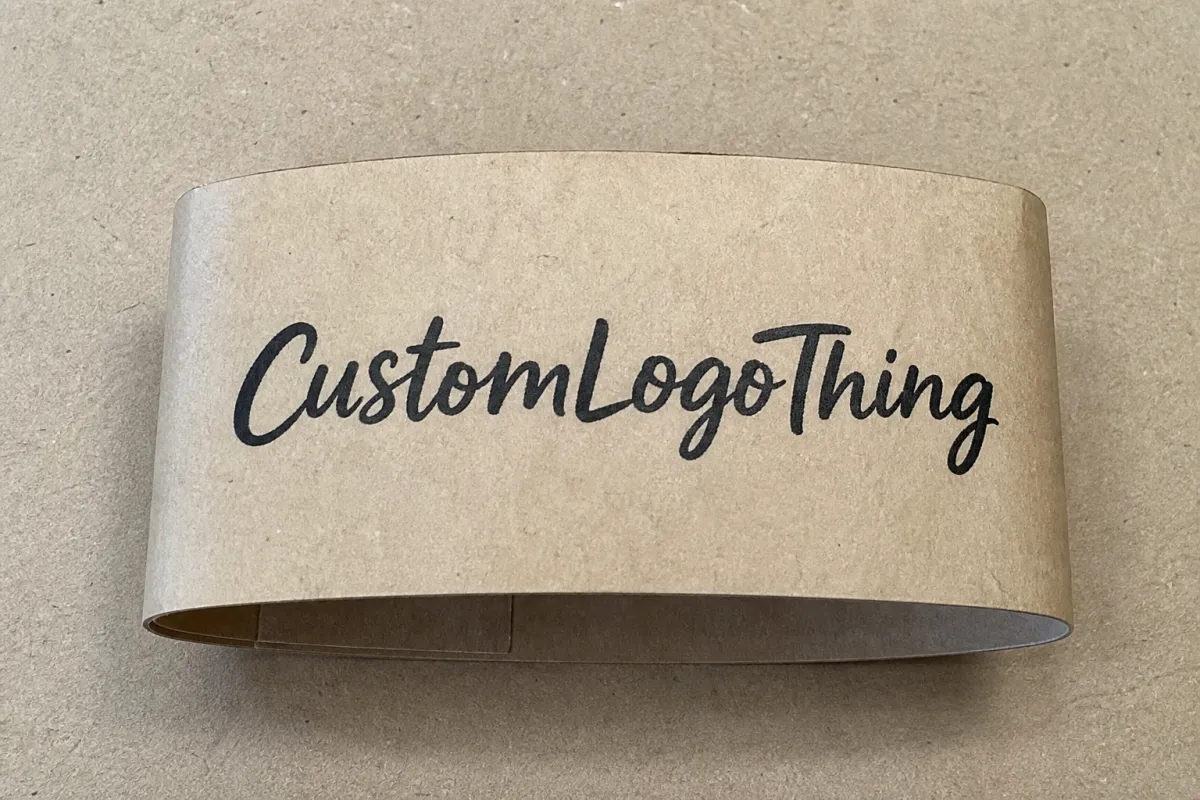
A jar already has a head start because customers can see the product, whether that is a candle, sauce, jam, cream, scrub, or dry good. The band does not need to hide that. It needs to frame it. That is the real strength of printed belly bands for jars: they create a visual anchor around the container, so the eye reads the package as one composed unit instead of a lid, a body, and a label that may or may not feel related.
That matters on shelf and in photos. If the lid is a different color from the jar, the band can tie it together. If the container is already attractive, the band can add restraint rather than covering the product. If you are launching a small-batch item, the band can make the packaging feel planned and repeatable even when the production run is still small. It is one of the few packaging components that can introduce brand structure without forcing a big tooling commitment.
Seasonal and limited-edition products benefit too. A jar label may stay the same while the band changes for holidays, promotions, gift sets, or ingredient updates. That makes the format useful for test markets and short campaigns, especially when you need a fast refresh and do not want to redesign the entire primary label. For many brands, printed belly bands for jars become the easiest way to keep the base jar steady while the branding stays flexible.
There is also a practical retail reason to use them. The band can cover a slight mismatch in lid finish, give more room for storytelling than a tiny front label, and create a more premium first impression with relatively little material. Buyers often want packaging that feels more expensive without driving the unit cost too far up. A well-designed belly band is one of the cleanest ways to get that result.
For food, bath, and home fragrance products, the band also gives operations a little breathing room. A full wrap label or carton can demand tighter registration, stricter panel placement, and more material. A belly band can be simpler to spec, faster to adjust, and easier to use across a product line. That flexibility is a real advantage when the jar itself is already doing most of the visual heavy lifting.
How Printed Belly Bands for Jars Work on Different Shapes
The basic idea is simple: the band wraps around the widest or most visible part of the jar and closes with a scored fold, a small adhesive point, or a friction fit. In production, though, geometry matters a lot. A straight-sided jar behaves very differently from a tapered one, and a hex jar creates corner pressure that can affect where the seam lands and how clean the print looks once wrapped.
Straight-sided and tapered jars
On straight-sided jars, the band is usually the easiest to size because the circumference stays consistent from top to bottom. That gives you more tolerance for layout, and it makes wrap testing more forgiving. Tapered jars need more care. Even a slight shoulder or inward flare can make the band ride up, buckle, or gap if the measured width is based on the wrong point of the container. The widest usable point should drive the dieline, not the jar's nominal capacity or marketing description.
For tapered formats, I usually recommend measuring the jar in three places: near the shoulder, at the center line where the band will sit, and near the lower body. That gives a clearer picture of the shape and helps the printer decide where the band should carry the main artwork. A centered graphic is easier to read than a design that drifts too high or too low once wrapped. It also reduces the chance that the seam lands right through a logo or flavor name.
Hex jars and specialty containers
Hex jars, square jars with rounded corners, and other specialty shapes are attractive because they feel different on shelf, but they can also introduce seam stress. Corners create visual breaks, and the band may need slightly more overlap or a different score treatment to lie flat. Wider cosmetic jars and food jars may also need more band height if the front panel carries a logo, flavor callout, and regulatory copy all at once.
That is why a dieline should be built around the actual container, not guessed from an online spec sheet. The nominal volume of a jar tells you almost nothing about how much material the band needs. A 12 oz straight-sided jar and a 12 oz hex jar can require very different wrap lengths, and the difference shows immediately if the band is cut too short.
Here are the measurements that matter most before you Request a Quote:
- True circumference at the intended band position
- Usable band height before the shoulder, lip, or taper starts
- Overlap allowance for a seam, glue dot, or tamper point
- Jar finish, especially if the lid or neck changes the visual balance
- Removal method, if the customer must open the band without tearing the rest of the package
Security and presentation can work together here. A band can be purely decorative, but it can also function as a light tamper-evident cue if the closure point is placed well. Perforations, die-cut windows, and fold lines give the designer more control over the customer experience. A window may show the product inside, while a perforation can make it easier to open without damaging the jar's branding.
For food items, it also helps to remember that the band is usually a secondary package component, not a food-contact material. If the design carries ingredients, allergen statements, net weight, or a barcode, those details still need to follow the product and legal requirements in your market. The band should support the label system, not create a second source of truth.
The best-performing jar bands are rarely the most complicated. They are the ones matched to the container shape with enough tolerance to wrap cleanly and enough restraint to keep the art readable from normal shelf distance.
Material, Finish, and Fit: The Key Factors That Matter
The material choice sets the tone immediately. A kraft band feels earthy and familiar. A coated white stock feels brighter and more retail-ready. A textured paper can make a hand-poured product feel artisanal, while a smoother board supports sharper color and tighter detail. With printed belly bands for jars, the stock is not just a print surface; it is part of the brand message.
Stock choices and print behavior
Uncoated paper absorbs ink more readily and usually gives a softer, less glossy look. It works well when you want an understated finish or a natural-food feel, but very fine type and dense solids may not appear as crisp as they would on a coated sheet. Coated stock gives better image sharpness and stronger color contrast, which helps on crowded wraps or small formats where copy has to stay legible. Kraft works well for earthy, handmade, or sustainability-led branding, but color management needs attention because the brown base changes how inks read.
If the jar is likely to be handled often, scuff resistance becomes part of the material conversation. Candle jars, bath products, and refrigerated foods are all vulnerable to wear in different ways. A band that looks perfect on press can still show finger marks, corner wear, or edge curl if the finish and stock weight are not matched to the product environment.
In many cases, a midweight paper or paperboard in the 14 pt to 24 pt range is enough for a belly band, depending on the width and the folding method. Wider bands or bands with a more rigid presentation may benefit from a heavier board, but heavier is not automatically better. Too much stiffness can make the wrap fight the jar instead of sitting naturally against it.
Finishes, handling, and shelf appearance
Finish changes both look and durability. A matte finish gives a quiet, modern feel and reduces glare under strong retail lighting. Gloss makes color pop and can help a product feel more lively, especially for bright food or gift items. Soft-touch adds a tactile, premium surface, though it should be used carefully when the package may rub against other items in shipping or display. Specialty varnish can draw attention to a logo, ingredient panel, or seasonal graphic without flooding the whole band with extra shine.
Fit and finish connect in ways that buyers sometimes overlook. A glossy band with a narrow overlap may show a seam more easily. A matte band can hide minor alignment issues better, but it may show handling marks sooner if the stock is too soft. The best result comes from matching print density, coating, and score depth to the way the jar will actually be packed, shipped, and handled by shoppers.
For brands thinking about sourcing documentation, FSC-certified paper is often the most straightforward route when paper content and chain-of-custody matter to the customer or retailer. The FSC system explains the certification model clearly at fsc.org, and that can be useful if the packaging program needs to support a sustainability claim or procurement checklist.
There is also an environmental side to the format itself. Because belly bands use less substrate than a full carton, they can reduce material consumption when the jar does not need a fully enclosed package. That does not make them the right choice for every product, but it does make them attractive when the brand wants a cleaner packaging footprint while still looking polished on shelf. For brands that are comparing options, the question is usually less about image and more about whether the jar needs protection from light, breakage, or theft. If it does not, a band can be the more efficient answer.
| Band Option | Best Use | Typical Look | Directional Unit Cost at 5,000 Units |
|---|---|---|---|
| Kraft uncoated, one-color print | Artisanal food, handmade candles, natural personal care | Warm, earthy, simple | $0.10-$0.18 each |
| Coated white stock, full-color print | Retail food, gift jars, premium shelf presentation | Bright, sharp, higher contrast | $0.14-$0.26 each |
| Textured paper with matte finish | Premium small batch, boutique gifting, wellness products | Soft, tactile, elevated | $0.18-$0.32 each |
| Coated stock with lamination or specialty varnish | Higher handling, chilled storage, premium retail display | Cleaner surface, better scuff resistance | $0.22-$0.45 each |
Note: These are directional ranges, not quotes. Width, print count, die cutting, finishing, and quantity can move the numbers quite a bit, but the table gives a useful starting point for planning.
For packaging teams that want a broader technical reference, the Institute of Packaging Professionals at packaging.org is a solid resource for terminology and packaging fundamentals, especially when you are trying to align marketing, operations, and procurement around the same spec language.
Production Process and Timeline: From Artwork to Delivery
Once the shape and material are set, the production path is fairly predictable, but the pace depends on how ready the project is when it lands. The usual sequence runs from concept, to dieline setup, to artwork review, to proofing, to print, to finishing, and finally to packing and delivery. Every one of those steps can move quickly if the inputs are clean, or drag if dimensions, copy, or color expectations are still shifting.
A good quote package makes the schedule easier to manage. At minimum, the supplier should have the jar dimensions, band height, estimated quantity, print colors, finish preference, and whether the band will be shipped flat or pre-assembled. If the art includes a barcode, ingredients, legal text, or a regulatory panel, that information should be part of the first round, not added after the proof is already in motion. That is the fastest way to avoid rework.
Timeline also depends on whether the job is a simple printed sheet with a score line or a more involved custom-cut band with perforations, windows, or unusual folds. A plain band is easier to move through press and finishing. A complex band may need extra waste allowance, a more careful registration setup, or a second proof if the seam area lands in a sensitive part of the artwork.
One point buyers sometimes underestimate is the value of a physical proof or sample. A flat PDF can show color placement, but it cannot tell you how the band behaves around glass, where the seam lands, or whether the fold line creates a visible break in a critical logo element. A sample jar wrapped with the actual band stock is worth far more than a pretty screen mockup when the product is going to a retailer or a seasonal launch.
If the finished jar will travel inside another carton or ship in a display-ready tray, it can also be smart to check the secondary pack structure. Transit vibration, compression, and abrasion all affect how the band looks when the customer opens the case. When a product has to survive parcel handling or retail distribution, test methods from organizations such as ISTA can help frame the discussion, even if the jar band itself is not the thing being tested directly.
As a rule of thumb, many straightforward belly band runs can move from proof approval to delivery in roughly 10 to 15 business days when materials are in stock and the artwork is final. More complex jobs, specialty finishes, or busy press schedules can push that longer. If the project is tied to a seasonal release, I would build in extra room rather than assuming the shortest timeline will hold. That small cushion is cheaper than rushing a correction through production, and it is easier on everyone involved.
Cost, Pricing, MOQ, and Quote Factors to Plan For
Pricing for printed belly bands for jars usually comes down to a few main variables: size, stock, print complexity, finishing, quantity, and whether the band needs special cutting or folding. Because the format is relatively material-light, setup and handling often matter more than buyers expect. Two bands that look almost identical on a shelf can land in very different price brackets if one requires a custom die and the other is a simple straight cut.
The relationship between MOQ and unit cost is important. Smaller runs tend to carry a higher per-piece price because the setup, press make-ready, and cutting time are spread over fewer finished bands. Once quantity rises, the unit cost usually softens. That does not mean the bigger run is always the right answer, but it does mean buyers should think beyond the sticker price of the first quote and look at the cost curve across likely volumes.
Artwork complexity is another pricing lever. A one-color kraft band with simple black type is not the same thing as a full-color premium wrap with tight color matching, foil, varnish, and multiple seam-sensitive panels. The print surface may be the same size, but the run on press is not. If the brand uses several SKUs, even small copy changes between scents or flavors can affect setup if the artwork is not built for variable data from the start.
The most accurate quotes come from clean inputs. A buyer should provide actual jar dimensions, target band height, print count, finish preference, target quantity, and packing requirements. If the band needs to ship flat, be pre-glued, or arrive nested in a certain case quantity, that should be part of the spec. Nothing slows a quote more than a missing measurement followed by a pile of assumptions.
Here are the biggest cost drivers in plain terms:
- Quantity — more units generally lower the per-piece cost
- Stock selection — coated, textured, and specialty papers cost more than basic uncoated sheets
- Finishing — lamination, varnish, foil, or die-cut windows increase labor and material cost
- Cut complexity — simple straight bands cost less than custom shapes or tight perforation work
- Color count — more inks and tighter registration usually mean more press time
- Rush schedule — expedited turnaround can add meaningful premium
Some buyers also miss the smaller add-ons. Proofing, sample rounds, special ink matching, insert packing, and waste allowance for difficult folds can all change the final number. None of these are unusual, but they need to be visible before approval so there are no surprises when the invoice arrives.
For planning purposes, I would treat the following as a practical range for many programs: a simple one-color band on standard stock may sit near the lower end of the price spectrum, while a premium full-color band with specialty finish and custom cutting can climb well above that. If the project is only a few hundred units, the unit cost can rise quickly because setup costs are being absorbed by a small run. If the project is several thousand units and the art is stable, the economics improve noticeably.
That is also why buyers should ask one simple question before approving the quote: does this spec reflect the way the jar will actually be sold, or just the way it looks in a mockup? The answer usually exposes where the money is really going.
Common Mistakes with Printed Belly Bands for Jars
The good news is that most problems with jar bands are preventable. The bad news is that the same few mistakes keep showing up because they look small on paper and become obvious only after the band is wrapped. A clean job usually starts with careful measurement and a realistic view of the packaging environment.
- Measuring the wrong diameter — the widest point, shoulder, and taper all affect the final fit, so the body size on a spec sheet is not enough.
- Overcrowding the layout — too much text, too many icons, or a loud background can make the band hard to read from arm's length.
- Ignoring the environment — humidity, refrigeration, oil contact, and frequent handling can all change how the stock performs.
- Skipping a real sample — even a small shift in stock thickness or scoring can change how the band closes around the jar.
- Leaving artwork approval too late — a seasonal launch can slip simply because the proof was not signed off in time.
Moisture is a bigger issue than many buyers expect. A band that lives in a chilled case or a damp storage room may curl at the edge, lose surface clarity, or look worn before the product sells through. For food jars, bath products, and anything that moves through cold storage, it is worth asking whether a better coating or more stable stock would save trouble later.
Another frequent issue is copy placement. A beautiful logo can get buried if it sits too close to the seam or fold. Batch information, barcode space, and legal text should be planned early so they do not force the design into a crowded compromise at the last minute. Once the band is cut, there is very little room to fix a layout that was too ambitious.
Finally, do not assume the same band will work equally well across all jar sizes in a product family. A narrow format may scale neatly from one jar to another, but a wider or more tapered container often needs a fresh dieline. That extra setup is usually cheaper than forcing one universal wrap to behave on every size in the line. It also makes the shelf system look cleaner, which is a nice side effect when buyers compare a three-SKU line side by side.
Expert Tips and Next Steps for a Smoother Packaging Run
If you want a cleaner experience with printed belly bands for jars, start with the simplest possible brief and build from there. A measured sample jar, a rough quantity target, and a clear brand goal will get you much farther than a vague request for "something premium." The more the supplier understands the jar, the shelf environment, and the launch timing, the better the recommendation will be.
- Measure the real jar at the exact band position, not just the catalog diameter.
- Decide on the visual goal: natural, premium, seasonal, giftable, or retail-strong.
- Choose a stock direction such as kraft, coated white, textured paper, or a more moisture-tolerant option.
- Set the quantity range so the quote reflects realistic unit economics.
- Request a dieline and proof that shows the band around the actual jar shape.
- Test the sample in real conditions including handling, temperature, and shelf lighting.
That last step matters more than many teams expect. A package can look beautiful in a design file and still fail in the room where it is sold. Bright retail lights can flatten certain colors. Chilled storage can affect adhesion. A narrow seam can be obvious under glare. Real-world testing is where the small details surface, and that is the best time to catch them.
If the run is tied to a larger packaging program, keep the secondary pack in mind too. A jar band may be the headline, but case packing, shipping orientation, and retailer handling all influence the final customer experience. When the outer pack is stable and the jar is protected, the belly band has a much better chance of arriving looking exactly as intended.
At the end of the process, the goal is not to make the band complicated. It is to make it fit cleanly, print clearly, and support the product without wasting material or time. That is why printed belly bands for jars remain such a practical choice: they are simple enough to move quickly, but detailed enough to make a real difference on shelf.
Frequently Asked Questions
How do printed belly bands for jars stay on without full adhesive?
Many bands rely on a snug wrap, a scored fold, or a small glue point rather than full-surface adhesive. The fit does most of the work if the circumference and overlap are measured correctly. For gift or retail packaging, a light adhesive tab or seal point can keep the band aligned during handling without making removal difficult.
What stock works best for printed belly bands for jars in humid conditions?
A coated or more moisture-tolerant stock often performs better than a very soft uncoated paper in humid storage. If the jars are chilled or handled often, ask about scuff resistance and whether a protective finish is worth adding. Testing the chosen stock on a real jar in the real environment is the most reliable way to confirm performance.
How much bleed should I allow for printed belly bands for jars?
A standard bleed is usually built around the trim edge so color or images extend past the final cut line. Exact bleed needs depend on the printer's workflow, but the key is to supply artwork with safe margins and clear cut guidance. If the design has a pattern or wraparound image, check the dieline carefully so the seam does not interrupt important content.
What affects the price of printed belly bands for jars the most?
Quantity, stock choice, and finishing usually have the biggest effect on unit cost. Custom cutting, specialty coatings, and tight color matching can raise the quote even when the band looks simple from the outside. Higher quantities often reduce unit cost because setup time is spread across more finished bands.
Can printed belly bands for jars work on curved or tapered containers?
Yes, but the dieline has to account for the change in circumference so the band does not gap, twist, or buckle. Tapered jars often need extra attention to scoring, overlap, and band height to keep the print centered and readable. A physical sample is especially helpful for curved jars because a flat mockup cannot show how the band behaves in the round.
Takeaway: If you are planning printed belly bands for jars, start with the real container, choose stock based on the storage environment, and approve a wrapped sample before production. Those three steps catch most fit and finish problems before they cost you time, stock, or a reprint.
Related packaging resources
Use these related guides to compare specs, costs, quality checks, and buyer decisions before making the final call.