Buyer Fit Snapshot
| Best fit | Printed Carton Sleeves with Logo projects where brand print, material claims, artwork control, MOQ, and repeat-order consistency need to be specified before quoting. |
|---|---|
| Quote inputs | Share finished size, material target, print colors, finish, packing count, annual reorder estimate, ship-to region, and any compliance wording. |
| Proofing check | Approve dieline scale, logo placement, barcode or warning zones, color tolerance, closure strength, and carton packing before bulk production. |
| Main risk | Vague material claims, crowded artwork, missing packing details, or unclear freight terms can make a low unit price expensive after revisions. |
Fast answer: Printed Carton Sleeves with Logo: Sustainable Packaging should be specified like a repeatable production item. The safest quote records material, print method, finish, artwork proof, packing count, and reorder notes in one written spec.
Production checks before approval
Compare the actual filled-product size with the drawing, then confirm tolerance on folds, seals, hang holes, label areas, and retail display edges. Reserve space for logos, QR codes, warning copy, and material claims before decorative graphics fill the panel.
Quote comparison points
Review material grade, print process, finish, sampling route, tooling charges, carton quantity, and freight assumptions side by side. A quote is only useful when the supplier can repeat the same color, closure quality, and packing count on the next order.
Printed carton Sleeves with Logo do a lot more work than their modest footprint suggests. A well-made sleeve can sharpen shelf presence, separate product variants, and support a cleaner sustainability story without forcing a full carton redesign. That matters because plenty of packaging systems already have solid structure; what they really need is clearer branding, better messaging, and less unnecessary board. In other words, the sleeve is often the practical fix, not a fancy extra.
From a buyer’s point of view, printed carton sleeves with logo sit in a useful middle ground between cost control and visual lift. An existing carton, tray, or insert can be wrapped with a branded outer layer, then adjusted for seasonal promotions, limited editions, or retailer-specific campaigns. In practical terms, that means less material than a fully printed box, fewer variables to manage, and a quicker path from artwork to shelf. That part is especially handy when the schedule is already tight and nobody wants to start over from scratch.
One condition matters more than the sales pitch. The sleeve only performs well when sizing, board choice, print coverage, and line handling all line up. Miss those details and the sleeve becomes a source of friction. Get them right and printed carton sleeves with logo can look premium, ship flat, and use less material than a fully covered folding carton. I have seen good sleeves save a program from a costly repack, but I have also seen a nice-looking concept turn into a headache because the carton tolerance was never checked against the real fill.
Printed Carton Sleeves with Logo: Why They Punch Above Their Weight
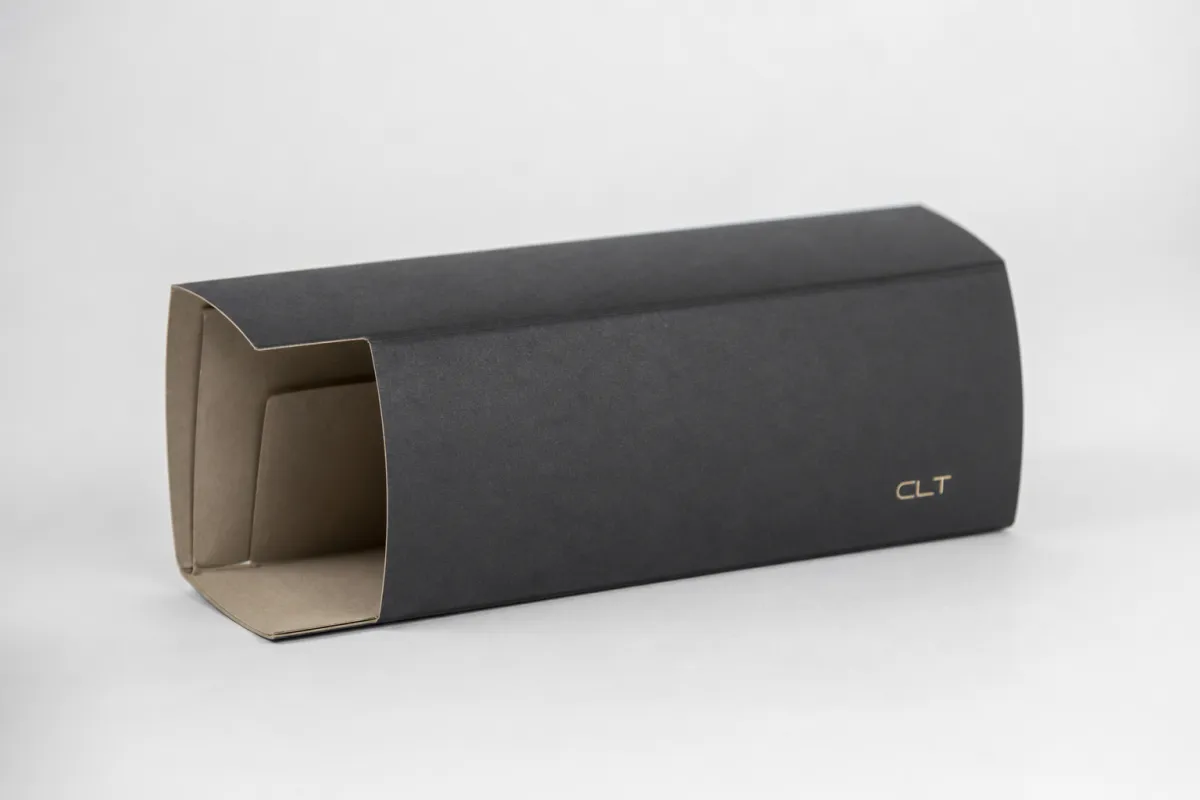
A sleeve looks simple, almost plain, until it is on shelf and doing its job. The form is just a band, shell, or wrap, yet it can shift a consumer’s first impression in seconds. That is one reason printed carton sleeves with logo show up in categories where the base pack already works, but the branding feels generic, dated, or hard to change quickly. Products packed in plain cartons, pouches, tray packs, or inner boxes often need a stronger outer identity without retooling the whole pack.
Cost savings can be real. A full-coverage printed folding carton often uses more printed surface area, more ink, and more finishing than a sleeve applied to an existing pack. If the inner carton already provides structure and product protection, printed carton sleeves with logo allow the outer layer to carry the branding while the base pack handles the mechanics. That is not a downgrade. Buyers get the visual lift they want, and operations teams avoid a needless redesign cycle. It is a pretty sensible trade when the pack already does its core job well.
Seasonal promotions are an easy fit. Limited editions fit just as well. Multi-SKU families gain a lot from sleeves because the variable layer can change while the core carton stays consistent. On a shelf crowded with twelve flavors, scents, or sizes, that separation matters. printed carton sleeves with logo also help contract packaging programs, since one base pack can be branded differently for different customers without changing the main carton structure. That flexibility can save a lot of back-and-forth, and sometimes a few gray hairs too.
Sustainability belongs in the discussion, though it needs clear framing. Less board does not automatically mean better. A sleeve that is too heavy, too coated, or too oversized can erase the environmental benefit quickly. Still, compared with a large fully printed carton, printed carton sleeves with logo often reduce material use, especially when the design keeps ink coverage disciplined and avoids decorative effects that do not serve a function. That is where the environmental logic starts to hold up, and it is also where the honest claims begin.
A sleeve only earns a sustainability claim when it is right-sized, fit-for-purpose, and compatible with the rest of the pack. Push it past that point and the claim gets shaky fast.
Brand psychology plays a role too. Shelf shoppers do not read every line; they register shape, contrast, and hierarchy. A sleeve creates a visible frame around the product, which helps a logo or key claim land faster. In many categories, printed carton sleeves with logo are a cheaper route to stronger perceived value than trying to force luxury cues into the entire carton structure. Cosmetics, specialty foods, supplements, gift items, and short-run retail packs rely on that logic for good reason.
Flexibility is another advantage that gets overlooked. If artwork needs to change monthly, or a retailer wants a temporary campaign, the sleeve can carry the variation while the base pack stays steady. For brands managing multiple print versions, printed carton sleeves with logo are usually easier to coordinate because the marketing change sits on one component instead of three or four. That can make approvals less of a slog, which is never a bad thing.
For packaging recovery and material choices, industry guidance from organizations such as the Forest Stewardship Council and the U.S. EPA Sustainable Materials Management framework is useful context. Those sources do not focus on sleeves alone, but they reinforce the main principle: the lightest effective package usually makes the most sense.
How Printed Carton Sleeves with Logo Work
In structural terms, a sleeve is a paperboard band or shell that fits around another package. It can wrap a folding carton, a tray, a rigid insert, a bottle carrier, or a pouch bundle, depending on the application. In the most common version, printed carton sleeves with logo are die-cut, scored, printed on sheeted board, then folded and glued or friction-fit into place. The exact build depends on the product shape and the speed of the packing line.
That production logic deserves more attention than it usually gets. A sleeve that looks polished on screen may buckle if the score lines are off by just a few millimeters. Strong sleeve design starts with the object it wraps, not with the artwork. If the carton has sharp corners, a tall profile, or a tight nesting requirement, the sleeve needs enough tolerance to install cleanly. That is why printed carton sleeves with logo are best developed alongside the base pack dimensions, not after them.
Substrate choice affects both print quality and sustainability. Kraft board gives a natural look and supports recycled positioning, but it changes the way brand colors appear. SBS or coated white board gives brighter logos and stronger contrast. Recycled board usually sits somewhere in the middle. Many printed carton sleeves with logo are made on board in the 300-400gsm range, though lighter or heavier stock can make sense depending on product weight and whether the sleeve must hold shape during retail handling.
Print method comes next. Offset printing is common for color-critical work and mid-to-high volumes because it delivers clean registration and predictable brand color. Digital printing works better for short runs, multiple versions, or fast promotional work. Flexographic printing can suit simpler graphics or utility-driven packaging. The right choice depends on quantity, color complexity, and lead time. Anyone claiming a universal winner is leaving out the line-item math, and that is usually where the real answer lives.
Functional features should enter the plan early. Many printed carton sleeves with logo include barcode zones, tamper-evident closures, hang tabs, die-cut windows, or perforations for easy opening. Each feature affects die complexity and assembly time. A small window can reveal product color through the pack. A tear strip can improve opening. A barcode placed too close to a fold can turn unreadable once the sleeve is wrapped. Small choices like these carry real consequences, especially once the line starts moving.
Calling the sleeve a branding layer is useful, but it should not hide the operational reality. If the sleeve is part of a retail-ready pack, it has to survive transport vibration, pallet pressure, humidity swings, and handling on the line. Packaging engineers often test against transit standards such as ISTA methods or relevant ASTM protocols because shelf appearance means very little if the sleeve scuffs, drifts, or opens before the product reaches the store.
The best printed carton sleeves with logo are the ones that fade into the background once they are doing their job. The sleeve should feel intentional. It should be easy to apply, easy to read, and easy to recycle where the local system allows it. If it creates confusion in packing or checking, it is too clever for its own good.
That is also why suppliers usually ask for a dieline, product sample, or exact carton measurements before quoting. With printed carton sleeves with logo, a 1-2 mm tolerance issue can determine whether the sleeve slides smoothly or stalls on the line. Buyers who understand that tend to get better pricing and fewer surprises.
Key Factors That Affect Cost, Pricing, and Unit Cost
Pricing for printed carton sleeves with logo is shaped by a small group of variables that are easy to name and harder to separate in a real quote. Board grade comes first. Print coverage follows. Then come the number of inks, special finishes, die complexity, glue requirements, and the total order size. The simplest sleeve, printed in one color on recycled board with a standard cut, can be far cheaper than a multi-color version with foil, embossing, and a custom window.
MOQ has a direct effect on unit cost. A low-volume run often carries a higher per-piece price because setup, plates, proofing, die cutting, and waste are spread across fewer sleeves. Larger orders relieve that pressure. That is why printed carton sleeves with logo can look expensive at 500 units but much more reasonable at 5,000 or 10,000. The economics are straightforward enough; the setup cost has to land somewhere.
Landed cost deserves attention, not just unit cost. Freight, packaging, warehousing, and even the way sleeves are stacked can change the real budget. Flat-packed sleeves are space-efficient, but oversized formats or complicated assemblies can increase handling costs. A low piece price can stop looking attractive quickly if it comes with expensive air freight or special palletization. That risk is even higher with printed carton sleeves with logo for seasonal promotions, where timing pressure tends to raise logistics expense.
| Option | Typical Build | Indicative Unit Cost at 5,000 pcs | Best For |
|---|---|---|---|
| Basic recycled sleeve | Single-color print, standard die cut, no special finish | $0.10-$0.18 | Utility branding, short promotions, budget-conscious packs |
| Mid-tier branded sleeve | Offset print, 2-4 colors, matte or aqueous coating | $0.18-$0.32 | Retail shelves, product family branding, regular replenishment |
| Premium sleeve | Heavy board, foil, embossing, window or perforation | $0.35-$0.65+ | Gift packs, luxury cues, high-impact launches |
These ranges are directional, not a quote. They still show the pattern clearly. Printed carton sleeves with logo do not have one price. They have a price structure shaped by material, decoration, and operational complexity. A buyer who asks for “cheap” without specifying board weight, finish, or run length is usually setting up a poor comparison.
Finishes deserve special attention. Lamination, soft-touch coating, UV varnish, foil, and embossing can raise perceived value, but they also increase cost and may complicate recycling. If the sleeve’s main role is brand recognition and SKU separation, then a clean print on a well-chosen board may be the smarter move. In many cases, printed carton sleeves with logo create more shelf impact through color contrast and typography than through ornamental effects. I know that sounds almost too simple, but simple is often what holds up in production.
Another hidden cost is design churn. Every artwork revision can trigger extra prepress work, proofing, and time. If the sleeve is built around a stable modular template, later changes become cheaper. Experienced buyers often standardize the base dieline and vary only the branding layer. For printed carton sleeves with logo, that approach can reduce waste and save internal time.
A practical rule helps here: if the sleeve is replacing a larger printed area on a carton, compare the full material and finishing package, not just the sleeve quote. Sometimes the sleeve is cheaper. Sometimes it is not. The answer depends on ink coverage, trim size, and how much of the existing carton still needs printing. Buyers who treat printed carton sleeves with logo as a system rather than a standalone part usually make better financial decisions.
Process, Timeline, and Production Steps for Printed Carton Sleeves with Logo
The strongest projects begin with a tight brief. Before requesting quotes for printed carton sleeves with logo, gather the carton dimensions, the product weight, the desired finish, the target run length, the packing method, and the sustainability constraints. If the sleeve needs to slide over a carton already sealed with labels or glue, say so. If it must fit an automated applicator, mention that as well. A vague brief tends to produce a vague quote, and vague quotes waste time.
The workflow usually starts with dieline creation or review. Artwork placement, proofing, and fit confirmation follow. For straightforward printed carton sleeves with logo, a digital proof may be enough for layout approval, but a physical sample is the better option when tolerances are tight or the surface finish matters. From there, the job moves into plate making or digital setup, then printing, cutting, folding, and packing. A short production run can reveal whether the sleeve behaves properly on the line before a larger order is released.
Lead time depends on the process. Small digital jobs can move in a relatively short window if the artwork is ready and the dieline is locked. Offset work, specialty finishes, and high-volume production usually need more time because setup, curing, and finishing add steps. For printed carton sleeves with logo, a realistic buffer makes more sense than a rush promise. If the schedule is tight, the risk usually shows up in proofing, not in the machine room.
The usual delay points are easy to predict. Missing measurements slow down the dieline. Late artwork changes reset approvals. Color expectations that were never defined in a Pantone reference or sample create disputes. Sometimes the project stalls because sign-off sits with three departments, each waiting for someone else to make the first move. That happens more often than people admit. With printed carton sleeves with logo, the fix is practical: lock the dimensions early, define the print target, and keep the approval chain short.
A pilot run can reveal more than a stack of presentations. A short batch lets you check fit, adhesive behavior, shelf appearance, barcode scanability, and line speed. It also shows whether the sleeve catches on corners, wrinkles under pressure, or scuffs during transport. That matters because printed carton sleeves with logo are not just printed surfaces; they are working parts of a packaging system.
For cartons that travel far or stack high, transit testing makes sense. ISTA guidance helps teams think about vibration, shock, compression, and environmental stress. There is no need to run a lab-grade program for every SKU, but a sleeve exposed to rough handling should not be validated by eye alone. The same logic applies to storage conditions. Humidity can soften board. Temperature swings can affect glue or print finish. Those details may not be glamorous, yet they often decide whether the pack lands neatly on shelf or comes back as a complaint.
Typical jobs follow a pattern like this: brief and dimensions, 1-3 days; dieline and artwork prep, 2-5 days; proofing, 1-3 days; sample approval, if needed, 3-7 days; production and finishing, often 5-15 business days depending on volume and queue. Those numbers are not fixed, but they are useful enough for planning. Anyone ordering printed carton sleeves with logo should ask for a schedule with milestones, not just a promised ship date.
Step-by-Step Guide to Designing Printed Carton Sleeves with Logo
Begin with the job, not the decoration. What does the sleeve need to do? Does it only need to brand the product, or does it need to hide a generic base carton, separate a promotion, carry compliance text, or frame the pack with a more premium look? That answer should shape the design of printed carton sleeves with logo before anyone argues about color palettes.
Measure everything twice. That sounds basic, but sleeve projects fail on measurement more often than on artwork. Record the carton’s length, width, and height; note any rounding, tuck flaps, folds, or tuck-in tolerances; then confirm the amount of overlap needed for the wrap. If the sleeve is applied by hand, a little extra tolerance may help. If it is machine-applied, precision matters more. With printed carton sleeves with logo, a small dimensional error can ripple into packing inefficiency across thousands of units.
Decide what the sleeve should communicate. Most brands get only a few seconds of shelf attention, so the design hierarchy needs discipline. The logo should be visible. The product name should be readable. Any required compliance copy should be placed with care. Barcode placement should stay clear of folds. If the pack is meant to feel minimal, resist the urge to add one more badge, icon, or claim. The strongest printed carton sleeves with logo often look clearer because they say less.
Build around the dieline. Leave essential text away from score lines, keep key graphics inside safe zones, and account for registration shifts. A textured kraft board may make ink look a little softer. A coated white board may sharpen contrast. Both are useful in different ways. If the logo uses thin strokes, test whether those strokes survive the chosen substrate. For printed carton sleeves with logo, typography often matters more than illustration because the sleeve’s job is to signal quickly, not narrate a long brand story.
Use the design to support production, not fight it. Large blocks of heavy ink coverage can increase drying time. Tiny reversed text can disappear on rough board. A window cutout can add visual interest, but it also weakens stiffness and changes cutting cost. If the sleeve will be packed into outer cases, think about how it stacks flat and whether the edges catch. Good printed carton sleeves with logo are designed for shelf view, yes, but also for the carton packer, the warehouse team, and the retailer who has to open the case fast.
A few choices pay off repeatedly:
- Keep hierarchy tight: logo, product name, and one primary claim are often enough.
- Use one structural template: standardize the sleeve shape and vary artwork by SKU or promotion.
- Test the finish: matte, gloss, soft-touch, and uncoated board all communicate differently.
- Confirm recyclability claims: if the pack claims recycled content or FSC sourcing, make sure the supplier can document it.
- Prototype before scale-up: a short run is cheaper than discovering a fit problem on full volume.
Design also needs to reflect the market. A prestige cosmetic pack can handle more whitespace, stronger contrast, and a quieter palette. A fast-moving food SKU may need bold color blocks and immediate flavor differentiation. Printed carton sleeves with logo are adaptable enough to serve both, but only if the design language matches the category and the retailer environment.
One point gets missed often: the sleeve can carry the sustainability message without shouting about it. A modest recycled-content note, a simple FSC mark where appropriate, and a clean layout often work better than oversized green icons. Consumers are getting better at spotting packaging that talks about sustainability without demonstrating it. Printed carton sleeves with logo earn trust when they look considered, not preachy.
As a packaging exercise, the design process is a sequence of trade-offs. Shelf presence versus ink coverage. Premium feel versus recyclability. Tight fit versus fast application. The most effective printed carton sleeves with logo do not erase those trade-offs; they make them visible early enough to manage.
Common Mistakes That Undercut Sustainability and Shelf Impact
The first mistake is overspecifying the sleeve. Heavy board, thick coatings, multi-layer effects, and decorative finishes can push the pack toward higher cost and weaker recyclability without adding meaningful value. A sleeve should not be treated like a miniature luxury box unless the category truly needs that signal. Many printed carton sleeves with logo work best with restrained materials and focused design.
The second mistake is poor sizing. A loose sleeve looks careless. A tight sleeve slows the line, creases at the corners, and can damage the carton during insertion. If the pack is hand-applied, a wider tolerance may be acceptable. If it is machine-applied, tolerance control becomes critical. Too many printed carton sleeves with logo fail because the team measured the product carton but ignored the real variation between filled units, not just the nominal drawing.
The third mistake is weak print planning. Low-contrast logos, crowded messaging, and barcode placement near a fold can quietly strip away the sleeve’s marketing value. If the shopper cannot read the key claim in under a second, the sleeve is carrying dead weight. Clear typography and disciplined spacing can make printed carton sleeves with logo feel premium even when the substrate is simple.
The fourth mistake is forgetting the warehouse and the shelf. Humidity can curl board. Compression can flatten a poorly scored sleeve. Retail handling can scuff the corners. A design that looks elegant in a PDF may turn fragile once it is stacked, shipped, and opened repeatedly. For printed carton sleeves with logo, durability is not separate from brand experience; it is part of it.
Recycling problems get glossed over in marketing copy more often than they should. If the sleeve uses excessive lamination or mixed materials, recyclability may become more complicated depending on the local system. That does not mean coatings are always bad. It means the finish should have a clear purpose. If the goal is only to make the design shinier, the sustainability case weakens fast. Buyers who request printed carton sleeves with logo should ask whether the finish helps protection, readability, or shelf life. If it does not, skip it.
Another common issue is trying to do too much on one panel. A sleeve is a narrow format. It is not a brochure. It is not a landing page. It is a visual handshake. The best printed carton sleeves with logo focus on a few messages: brand, product, variant, and maybe one proof point. Everything else should live elsewhere in the pack architecture or the digital channel.
To avoid these mistakes, some teams use a simple internal checklist before approval:
- Does the sleeve fit the real carton, not just the nominal dimension?
- Can the logo be read from shelf distance?
- Is the substrate the lightest one that still performs?
- Do the finish and coatings support the recycling goal?
- Has the pack been checked for warehouse and line handling?
That kind of checklist sounds basic, but basic is often where packaging discipline lives. Printed carton sleeves with logo reward teams that are precise about the boring parts.
Expert Tips and Next Steps for Printed Carton Sleeves with Logo
If you want stronger quotes, give suppliers a better brief. A useful spec sheet for printed carton sleeves with logo should include carton dimensions, product weight, run length, target market, preferred substrate, finish expectations, packing method, and any sustainability requirements such as FSC certification or recycled content targets. The more complete the brief, the less time gets lost in back-and-forth.
Compare at least two or three suppliers using the same document. That makes the differences easier to see. One supplier may have a lower unit cost but a slower lead time. Another may offer better proofing support or a wider board selection. A third may be stronger on specialty finishes. With printed carton sleeves with logo, the best choice is not always the cheapest per piece; it is the one that balances cost, control, and schedule.
Ask for samples whenever you can. A physical sample can reveal things a screen never will: roughness, stiffness, color shift, fold behavior, and how the sleeve feels in hand. If the SKU matters, run a short prototype batch. Then test fit, shelf appearance, and line speed. For printed carton sleeves with logo, that extra round of verification often prevents the kind of mistake that is expensive to correct after production.
Think in phases. Phase one is fit. Phase two is print performance. Phase three is logistics. If the sleeve passes all three, it is ready to scale. If it fails one, fix the issue before the order grows. That sounds straightforward, yet too many teams jump from concept approval to full run without a practical prototype. Printed carton sleeves with logo reward patience here.
One final packaging-buyer lesson: treat the sleeve as part of a system, not a decorative add-on. The carton, insert, label, case pack, and shelf environment all affect performance. A sleeve that looks excellent in isolation may not survive the full journey. The most durable programs connect design, procurement, and operations early. That is especially true for printed carton sleeves with logo, because the format sits at the intersection of branding and physical handling.
For teams working with custom packaging suppliers, the next step is usually simple: define the pack, choose the substrate, approve the dieline, and lock the artwork against the real dimensions. Done well, printed carton sleeves with logo can deliver a cleaner brand presentation, a lighter material profile, and a more flexible packaging system without forcing a full carton redesign.
The real value is practical, not flashy. A sleeve should make the pack easier to understand, easier to produce, and easier to justify. When that happens, printed carton sleeves with logo stop being an extra and start becoming part of the packaging strategy.
What materials are best for printed carton sleeves with logo?
Recycled board, kraft paperboard, and SBS are the most common choices. The best option depends on product weight, desired print quality, and the visual tone you want. If sustainability is a priority, ask for FSC-certified or high-PCR content options and confirm whether the finish still supports recycling in your target market. For many brands, printed carton sleeves with logo work best on the lightest board that still holds shape and prints cleanly.
How much do printed carton sleeves with logo usually cost?
Price is driven by board grade, size, ink coverage, finishing, and MOQ. Simple sleeves with minimal print are far cheaper than specialty versions with foil, embossing, or custom windows. Ask for a quote based on total landed cost, not just unit cost, because freight, setup, and storage can change the real budget quickly. In practice, printed carton sleeves with logo may range from roughly ten cents to well over sixty cents per unit depending on volume and finish.
What is the typical turnaround time for printed carton sleeves with logo?
Lead time usually includes artwork approval, proofing, production, and shipping, so even fast jobs need a realistic buffer. Small digital runs can move quickly, while higher-volume offset or specialty-finished sleeves usually need more time for setup and finishing. A clean brief shortens the schedule. With printed carton sleeves with logo, the biggest delays usually come from late artwork changes or missing measurements rather than from the press itself.
Do printed carton sleeves with logo replace the main carton?
Usually no. A sleeve is meant to wrap or brand an existing package, not replace the structural carton itself. It is especially useful when the base pack is already functional and you only need stronger branding, seasonal messaging, or SKU differentiation. That is why printed carton sleeves with logo are so common in promotional programs and multi-SKU lines.
How can printed carton sleeves with logo be made more sustainable?
Use the lightest board that still performs, minimize coatings and laminations, and keep the artwork clean so you are not overprinting unnecessary coverage. Right-size the sleeve, test for fit, and choose recyclable or lower-impact finishes where possible. The best printed carton sleeves with logo support shelf impact and waste reduction at the same time, rather than forcing one to cancel out the other.
Related packaging resources
Use these related guides to compare specs, costs, quality checks, and buyer decisions before making the final call.


