Skincare brands often need garment bags before they ever sell a hoodie, robe, or uniform. That is the practical reason buyers search for custom Custom Plastic Garment Bags for skincare brands: they need clean, made-to-size protective packaging for robes, towels, headbands, influencer kits, spa wraps, and launch gifts that cannot show up wrinkled, dusty, or half-branded.
The wording sounds awkward because the search intent is awkward. Buyers are usually not looking for fashion packaging in the abstract. They are trying to solve a specific packaging problem: how to present soft goods cleanly, protect them during handling, and keep the brand looking controlled from the first warehouse touch to the final unboxing. That is where custom printed Plastic Garment Bags earn their place.
Skincare packaging also has less tolerance for visual noise than many other categories. Oils, lotions, fragrance sets, and white textiles make smudges, scratches, weak seals, and muddy print obvious fast. A bag that looks acceptable for basic apparel may look cheap beside a cream-colored robe or a minimalist spa kit.
Why Skincare Brands Use Garment Bags for More Than Clothes
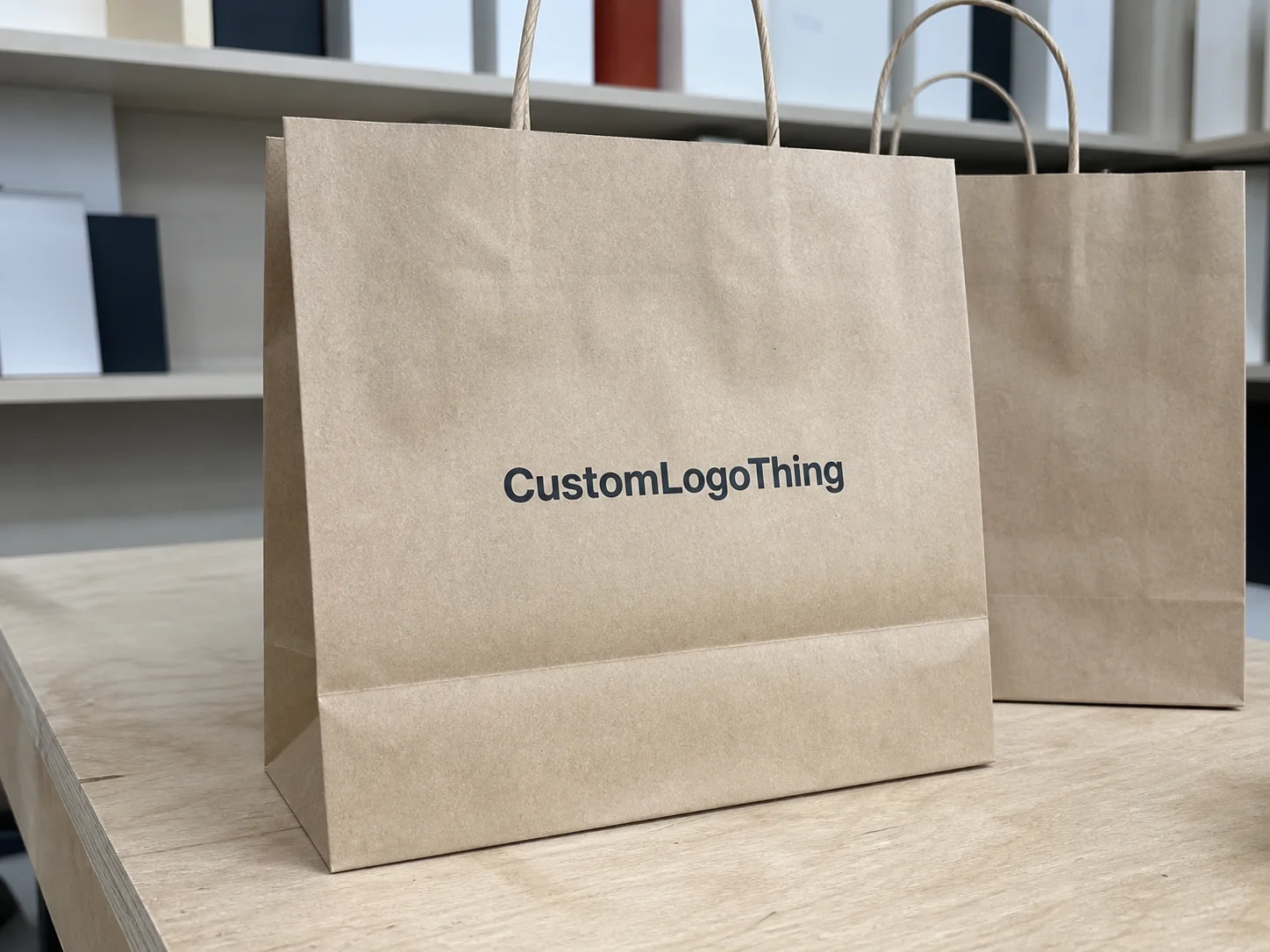
A skincare brand may not think of itself as an apparel business, but soft goods show up everywhere. Spa robes go into VIP kits. Facial towels get bundled with cleansers. Headbands ship with mask sets. Retailers ask for gift-with-purchase sets. Influencer mailers need to look organized after being handled by three warehouses, one courier, and someone with a box cutter who is having a long day.
That is why garment bags are often less about fashion and more about control. They keep soft goods dust-free, folded, visible, and tied to the right SKU. A clear or frosted bag with a clean logo can also reduce mix-ups during fast fulfillment, especially when several similar-looking bundles are packed in the same run.
From a buyer's point of view, the bag has three jobs. It protects the product from dust, moisture exposure, finger marks, and carton scuffing. It improves presentation when the kit is opened. It helps with identification, especially if the bag includes a barcode zone, size label, batch sticker, or simple product description.
Do not treat it like a luxury accessory unless the product actually needs that level of spend. A garment bag is a functional piece of branded packaging. It can look premium, yes, but it still has to pack quickly, stack cleanly, survive shipping, and fit the product without looking like a loose liner. For skincare, that balance matters more than dramatic design.
Practical rule: if the item is white, cream, pastel, fluffy, folded, scented, or part of a PR kit, test the bag with the real product inside before approving production.
How Printed Plastic Garment Bags Actually Work
A printed plastic garment bag is a flexible film bag, usually made from LDPE, HDPE, recyclable poly, PCR-content film, or a biodegradable film option, cut and sealed to fit garments or soft branded items. It can carry a logo, repeat pattern, care message, barcode zone, recycling mark, suffocation warning, or simple product name. Nothing mysterious. The execution is where people get burned.
The common formats are straightforward. Flat garment bags work for folded robes, towels, wraps, and headbands. Side-gusset bags create more room for thicker bundles. Wicketed bags are useful on faster packing lines because the bags stay stacked and easy to pull. Flap bags with adhesive closure are clean for retail packaging and influencer kits. Drawstring garment bags fit spa robes and gifting. Hanger-hole bags make sense if the item hangs in storage or retail backrooms.
Material choice changes the feel more than many buyers expect. LDPE is softer, quieter, and usually reads more premium in the hand. HDPE is crisper and often cheaper, though it can feel more utilitarian. Frosted film hides fingerprints and gives a softer skincare look. Clear film helps product visibility, which is useful when fulfillment teams need to see color, size, or bundle contents quickly. Matte white film can look clean, but opacity and ink adhesion need real testing.
Print method matters too. Flexographic printing is common for larger production runs, one to four spot colors, and repeat logos. Digital printing can help with shorter runs or more color flexibility where available, though film compatibility and cost vary. Screen printing works on certain heavier films or specialty looks, but it is rarely the cheapest path for a large run.
Many skincare teams choose frosted LDPE, matte white film, or clear recyclable poly because those options feel cleaner than shiny bargain-bin plastic. That does not mean they are always best. If the product needs visibility, clear may beat frosted. If the brand wants a minimal clinical look, a small one-color logo on matte film may beat a full printed pattern. The right choice depends on the product, not the mood board.
Custom Custom Plastic Garment Bags for Skincare Brands: Specs That Decide Premium or Cheap
Size is the first spec to get right. A bag should fit the folded robe, towel set, spa wrap, or kit insert with enough room for easy packing, but not so much extra film that the product swims around. For a folded robe measuring 12 x 14 x 2 inches, a bag around 14 x 17 inches with a gusset or slightly larger flat profile may work. For a thin headband set, that same bag would look oversized and waste material.
Thickness is the next decision. Lightweight protection often sits around 1.5 to 2 mil. Everyday retail garment bags usually land around 2 to 3 mil. Premium kits, reusable-feel bags, heavier robes, and zipper formats may need 3 to 4 mil. Thicker film feels sturdier, but it raises cost, increases carton volume, and may be overkill for a single-use towel sleeve.
Closures deserve more attention than they usually get. An adhesive flap gives a tidy retail pack and keeps dust out. A zipper or slider feels more reusable and works for premium spa kits, but it adds cost and bulk. A drawstring fits robes and gifting better than a flat adhesive flap in some cases. Open-top bags are fine for warehouse garment protection, but they are weaker for presentation and transport.
Print coverage can make or break the look. A small centered logo often feels clinical, clean, and very skincare-friendly. A full repeat pattern can build stronger package branding, but it gets busy quickly on clear or frosted film. Heavy ink coverage can also rub, crack, or reduce the clean feel buyers expect from skincare product packaging. In practice, restraint usually ages better than a crowded layout.
Compliance language is not decoration. If the bag says recyclable, compostable, biodegradable, or made with PCR content, the material and disposal reality need to support that claim. The EPA recycling guidance is a useful starting point for understanding how messy real-world recycling can be. Local rules vary, and flexible plastic film is not accepted everywhere. Packaging law is not a mood board.
| Spec Choice | Typical Range or Option | Best For | Tradeoff |
|---|---|---|---|
| LDPE film | 2 to 4 mil | Premium robe, towel, and gift kit packaging | Higher unit cost than basic HDPE |
| HDPE film | 1.5 to 3 mil | Economical garment protection and warehouse packing | Crisper feel, less soft in hand |
| Frosted film | Usually 2 to 3 mil | Clean skincare presentation and fingerprint hiding | May reduce product visibility |
| Adhesive flap | Permanent or resealable strip | Retail packaging and PR kits | Needs testing for packing speed and seal strength |
| Zipper or slider | Often paired with 3 to 4 mil film | Reusable-feel premium kits | Adds cost, weight, and carton volume |
Cost, MOQ, and Unit Cost: What Changes the Quote
Pricing depends on film type, thickness, size, print colors, ink coverage, closure, quantity, packing requirements, and whether custom tooling or printing plates are needed. Anyone promising one universal price for Custom Custom Plastic Garment Bags for skincare brands is either simplifying hard or guessing. Neither helps your launch budget.
Simple one-color custom poly garment bags in larger runs usually cost far less than multi-color, thick, zipper, frosted, or specialty-finish bags. A basic clear LDPE bag with a one-color logo may land in a very different bracket from a 4 mil frosted zipper bag with two-sided printing and individual folding. For many custom printed bags, realistic quote comparisons may show something like $0.18 to $0.45 per unit at mid-volume for simpler specs, while heavier specialty formats can climb above $0.60 to $1.20 per unit. Those numbers depend on size, supplier, freight, and order quantity, so use them as planning ranges, not a fixed market rate.
MOQ is the annoying but rational part of custom packaging. Lower minimums help with launches and test runs, but unit cost rises because setup, artwork handling, plates, machine time, waste, and packing labor are spread across fewer bags. Larger runs reduce unit cost, but they also create inventory risk if the product size, branding, or kit configuration changes.
Common cost adders include PMS color matching, metallic ink, frosted film, tinted film, resealable adhesive strips, zipper closures, hanger holes, gussets, individual folding, inner poly packs, carton labeling, and export carton requirements. Setup fees are normal in flexographic printing. They are not a hidden penalty. Ask whether the plate or setup charge is one-time, reusable for reorders, and tied to the exact artwork size.
Quote two or three quantities at once. A useful request might ask for 1,000, 5,000, and 10,000 pieces using the same artwork and bag size. That shows the unit-cost curve clearly. It also helps finance compare a launch run against a reorder plan without sending several separate revision rounds back and forth.
For broader comparisons across custom printed boxes, mailers, inserts, and soft goods bags, review the Custom Packaging Products page before locking the bag spec. Garment bags are often one piece of a larger retail packaging system, not a standalone plastic sleeve.
Process and Timeline From Artwork to Finished Bags
The normal process is simple on paper. Confirm the bag style. Choose material and thickness. Provide product dimensions. Review artwork. Approve a dieline or digital proof. Produce a physical sample if needed. Print production. Finish, fold, pack, carton, and ship. Each step can move quickly, or each step can become a bottleneck if the details arrive late.
Stock film and one-color printing move faster. Custom film colors, special closures, heavy ink coverage, physical samples, and stricter color matching add time. A practical timeline for many custom printed Plastic Garment Bags is often 10 to 20 business days after proof approval for straightforward production, plus shipping. Add more time for pre-production samples, imported materials, complicated closures, or launch-season factory queues.
Skincare launches should not order bags after influencer kits are already being packed. That is how rush fees, air freight, and poor compromises happen. Start quoting while the robe, towel, or headband sample is still being finalized. Better yet, build packaging decisions into the same calendar as product photography, custom printed boxes, carton testing, and fulfillment planning.
Artwork readiness affects quote accuracy. Have vector logo files, PMS references, print placement, barcode zones, recycling copy, suffocation warning requirements, and any required retailer marks ready before requesting a final number. If you only send a low-resolution PNG and the phrase “make it luxe,” expect delays. Expect revisions too, because film printing does not forgive loose file prep.
A digital proof confirms layout, scale, copy, and placement. A physical sample confirms feel, opacity, thickness, closure strength, and how the bag behaves with the actual product inside. For high-visibility PR kits or retail bundles, a sample is usually worth the time. For a simple internal warehouse sleeve, a digital proof and material reference may be enough.
Shipping is its own line item. Garment bags are light, but cartons can be bulky by volume. Air freight may save a launch date, but it can erase margin quickly. Ask for packed carton dimensions, carton weight, and ship-from timing before making promises to marketing, retail buyers, or fulfillment teams.
If your soft goods are going into a shipper or retail carton, consider basic transit testing guidance from ISTA. Flexible bags do not replace proper carton strength, void fill, or product protection. They are one layer in the system.
Common Buying Mistakes Skincare Teams Make
The first mistake is choosing the bag based only on the lowest unit price. Thin film, weak seals, and muddy print can make a $90 skincare kit feel like a clearance sample pack. Saving six cents per bag is not impressive if the robe arrives scuffed or the adhesive flap fails during packing.
The second mistake is ordering the exact product size with no packing tolerance. Soft goods compress, fold, puff back up, and shift. A towel bundle that measures 10 x 12 inches on a desk may need extra width, extra height, or a gusset once it is folded by real people at real speed. Build in room without making the bag look oversized.
Opacity gets ignored too often. White robes, pastel towels, cream spa wraps, and light headbands can look dull or gray behind the wrong film. Clear may be right for visibility. Frosted may be right for presentation. Matte white may be right for a clinical look. Test it under the same lighting used for photography, retail shelves, or kit assembly.
Too much ink is another common problem. Skincare branding often works best with restraint. Heavy coverage can feel loud, rub during transit, or make the bag look less clean. A small logo, one soft brand color, and a tidy information zone can do more than a giant all-over print that tries too hard.
Fulfillment has to be part of the decision. A beautiful bag that slows packing, sticks to gloves, traps air, tears at the closure, or requires fussy folding is not beautiful for long. Ask the packing team how they will open it, fill it, seal it, label it, scan it, and place it into the shipper. That feedback is worth more than another round of font debate.
Sustainability claims need discipline. If the bag uses PCR content, ask what percentage. If it says recyclable, check whether the material is actually accepted in the target market. If it says compostable or biodegradable, request documentation and understand the disposal conditions. ASTM standards may apply depending on the claim and material type. Vague green language is risky and, frankly, lazy.
Artwork scale is the quiet troublemaker. A logo that looks elegant on a laptop screen can look oddly tiny on a 24-inch garment bag. It can also look shouty if scaled too large across a folded robe. Print a paper mockup at actual size. Tape it to a plain bag. Hold it at arm's length. That catches mistakes faster than a second PDF round.
Next Steps Before You Request a Bag Quote
Before requesting a quote, gather the basics. You need the product type, folded product dimensions, target bag style, film preference, thickness range, closure type, print colors, print location, order quantity, shipping destination, and launch deadline. Without those details, the supplier is filling in blanks, and every blank can change the price.
- Product: robe, towel set, headband, wrap, influencer kit, or retail bundle.
- Size: folded product length, width, and height, plus packing tolerance.
- Material: clear LDPE, frosted LDPE, HDPE, PCR-content film, or another approved option.
- Thickness: 1.5 to 2 mil for light protection, 2 to 3 mil for retail-ready use, or 3 to 4 mil for premium and heavier items.
- Closure: adhesive flap, zipper, slider, drawstring, open top, hanger hole, or gusseted format.
- Artwork: vector logo, PMS colors, print size, safe zones, barcode placement, recycling copy, and warning text.
- Quantity: test run, mid run, and reorder volume for better unit-cost comparison.
Pack one real sample product into a plain bag or paper mockup before approving size. It is low-tech, cheap, and embarrassingly effective. You will see whether the folded item catches on the closure, whether the film traps too much air, whether the logo lands in the right visual zone, and whether the filled bag stacks cleanly in a carton.
Choose two acceptable material options before quoting. For example, ask for clear LDPE and frosted LDPE at the same size and thickness. Or compare 2.5 mil adhesive flap against 3 mil zipper. That gives you tradeoffs instead of a single quote that may be technically correct but commercially useless.
Ask whether setup fees apply again on reorders. Confirm whether printing plates are stored, whether artwork changes trigger new fees, and whether PMS color matching has a tolerance range. For regulated claims, request documentation before artwork approval. For paper-based outer packaging or mixed material kits, FSC guidance may also matter; the Forest Stewardship Council is a useful reference for certified fiber claims.
Need examples of how packaging choices play out across actual product launches and branded sets? The Case Studies section is useful for comparing presentation, cost, and production complexity across different custom packaging builds.
The cleanest result usually comes from specifying the bag around the real product, packing process, budget, and launch date. A pretty logo on plastic is not a packaging strategy. Custom Custom Plastic Garment Bags for skincare brands work best when the material, size, closure, and print choices support the actual kit instead of fighting it.
FAQ
What are custom plastic garment bags for skincare brands used for?
They are used for spa robes, towels, headbands, wraps, influencer kits, retail bundles, promotional soft goods, and gift-with-purchase sets. The bag protects items from dust, handling marks, light moisture exposure, and packing confusion while adding clean branded presentation. They are especially useful when skincare brands sell or gift textile items alongside creams, serums, masks, or spa products.
What thickness should skincare brands choose for custom garment bags?
For lightweight protection, 1.5 to 2 mil may work. For retail-ready robe or towel packaging, 2 to 3 mil is the more common practical range. For premium kits, reusable-feel bags, zipper styles, or heavier items, 3 to 4 mil can feel sturdier, but it raises unit cost and carton volume.
How much do custom printed plastic garment bags cost?
Cost depends on bag size, film type, thickness, print colors, coverage, closure, quantity, and setup requirements. Simple one-color bags in larger runs are usually the most economical. Zippers, gussets, frosted film, metallic ink, heavy print coverage, and low quantities increase the unit cost.
What is the typical MOQ for custom garment bags for skincare packaging?
MOQ varies by material, print method, and supplier, but custom Printed Plastic Bags usually require production quantities rather than tiny retail-style orders. Lower MOQs can be possible for simpler designs or digital print options, though the unit price is usually higher. Ask for quote breaks at several quantities so you can compare test-run cost against reorder cost.
How long does production take for custom plastic garment bags?
The timeline depends on artwork readiness, proof approval, material availability, print complexity, sampling, production queue, and shipping method. Simple stock-film bags with one-color printing move faster than custom film colors, zipper closures, or physical sample approvals. For skincare launches, start quoting before final kit assembly so packaging does not become the bottleneck.


