Buyer Fit Snapshot
| Best fit | packaging buyers who need clearer specs, stronger internal paths, and repeatable quote decisions where brand print, material, artwork control, and repeat-order consistency matter. |
|---|---|
| Quote inputs | Share finished size, material target, print colors, finish, packing count, annual reorder estimate, and delivery region. |
| Proofing check | Approve dieline scale, logo placement, barcode or warning zones, color tolerance, and any recyclable or compostable wording before bulk production. |
| Main risk | Vague material claims, crowded artwork, or missing packing details can create delays even when the unit price looks attractive. |
Fast answer: Printed Hang Tags for Apparel: Costs, Materials & Process should be specified like a repeatable production item. The safest quote includes material, print method, finish, artwork proof, carton packing, and reorder notes in one written spec.
What to confirm before approving the packaging proof
Check the product dimensions against the actual filled item, not only the sales mockup. Ask for tolerance on folds, seals, hang holes, label areas, and retail display edges. If the package carries a logo, QR code, warning copy, or legal claim, reserve that space before decorative graphics fill the panel.
How to compare quotes without losing quality
Compare board or film grade, print process, finish, sampling route, tooling charges, carton quantity, and freight assumptions side by side. A lower quote is only useful if the supplier can repeat the same color, closure quality, and packing count on the next order.
Printed Hang Tags for Apparel: Costs, Materials & Process
Printed Hang Tags for apparel do a lot more than carry a price, a barcode, or a style number. A shopper usually touches the tag before they read the garment story, and that first contact sends a signal about quality long before a fitting room comes into play. I have watched buyers pick up two nearly identical tees, notice one tag felt heavier and cleaner, and suddenly describe that shirt as “more finished.” That reaction is not fluff. It is packaging psychology with a receipt attached.
There is also a practical side that gets missed in glossy brand decks. Printed Hang Tags for apparel sit at the intersection of branding, compliance, retail operations, and production planning. A tag that looks elegant but arrives with unreadable barcodes or awkward stringing is not a premium detail; it is a problem wearing a nice outfit. The reverse is true too. A simple, well-built tag can make a budget garment feel intentional and retail-ready.
When buyers ask about printed hang tags for apparel, I usually start with the same questions: what stock is the garment asking for, how many pieces are needed, what information has to fit on the face, and how much time is left before the launch ship date? Those answers shape everything else. Price, finish, and turnaround are downstream decisions. Skip the basics and you end up making expensive guesses.
Printed Hang Tags for Apparel: Why They Matter Fast
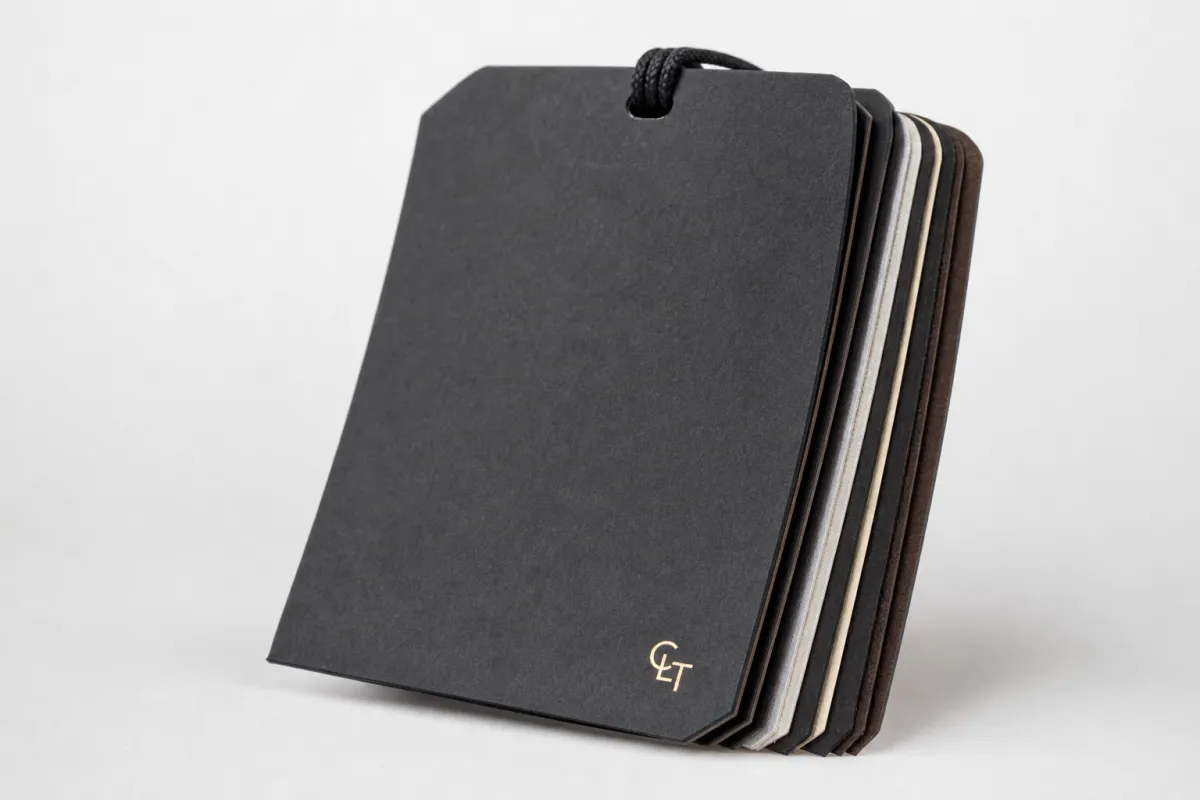
The quickest way to understand printed hang tags for apparel is to think of them as a tiny storefront. They are one of the first visible brand assets a shopper encounters, and in a crowded retail setting that first impression has maybe seconds to work. The board thickness, color accuracy, finish, and print clarity all communicate a lot, often faster than the garment itself.
That matters because apparel is rarely judged on fabric alone. A tag can suggest premium, utility, sustainability, youthfulness, heritage, or value positioning before the consumer reads a single line of copy. A kraft tag on an outdoor shirt says something different from a high-gloss card on a fashion tee. Same shirt, different expectation. Same stitching, different story.
Printed hang tags for apparel also serve a role that is partly marketing and partly operations. They can hold product names, sizes, barcodes, QR codes, care notes, fabric content, and sourcing claims. The best versions make that data easy to scan while still feeling like part of the brand language. The worst ones cram in too much, and suddenly the tag reads like a warehouse label that wandered onto a sales floor by mistake.
One thing brands underestimate is how much tactile detail influences perceived value. A tag that is too thin curls at the corners. A weak punch tears after a few touches. Ink that rubs off makes the entire product feel cheaper than it is. On the other hand, a well-chosen 18pt or 20pt board, crisp registration, and a finish that suits the garment can raise the perceived quality without touching the cut-and-sew cost at all.
From a retail buyer's perspective, consistency is the real test. If a collection includes six colorways and the tag system falls apart across them, the line starts to feel improvised. Printed hang tags for apparel are one of the most efficient places to prove control across a range. That is especially true for brands selling through wholesale, where a buyer may compare your products against three competitors in the same sitting.
Practical rule: if the garment sells on trust, the tag should reinforce trust. If the garment sells on style, the tag should look like it belongs in the same design family.
There is a reason experienced merchandisers treat hang tags as part of the product architecture. They are not an afterthought. They are a visible promise. A tee with a clean tag feels more complete than the same tee dangling from a rough strip of paper. Kinda unfair, maybe, but that is how retail works.
How Printed Hang Tags for Apparel Are Made
The production flow for printed hang tags for apparel is straightforward on paper and a little less forgiving in real life. It usually moves from artwork review to proofing, then printing, finishing, inspection, packing, and shipment. The real complexity hides in the handoffs. One missed assumption in the file can create a delay that costs more than the tags themselves.
Artwork setup is the first technical checkpoint. A good supplier checks trim size, bleed, safe areas, barcode quiet zones, fold lines, and drill-hole placement before anything goes to press. That sounds routine because it is routine, but routine is exactly where expensive mistakes like to hide. A barcode too close to a cut line or legal text set too near a crease can force a remake after the dies are already made.
Stock choice changes both the look and the behavior of the tag. Coated paper gives sharper image reproduction and a more polished finish. Uncoated stock feels softer and often reads as more natural. Kraft has a more rustic, earthy tone. Textured boards carry a premium handfeel. Synthetic or moisture-resistant materials make sense when the tags may be exposed to damp storage, heavy handling, or outdoor retail environments. If the brand is making environmental claims, FSC-certified paper is one route buyers often ask about, and the FSC organization is a useful reference point for forestry standards and certification language.
Print method is the next fork in the road. Digital printing is often the better fit for short runs, fast samples, and variable data. Offset printing usually becomes more economical at higher quantities because setup costs spread across more units. For printed hang tags for apparel, black-only work is naturally cheaper than full-color art, and a tag with one or two spot colors will generally be easier to keep consistent than a photo-heavy layout. That does not mean one method is always better. It means the project should match the press, not the other way around.
Finishing is where the tag starts to feel like a brand object instead of a paper rectangle. Die cutting shapes the outline. Corner rounding softens handling. Hole punching prepares it for stringing. Scoring supports fold-over designs. Coating or lamination changes how the surface reflects light and how it survives rubbing. Foil stamping, embossing, debossing, and spot UV can all move a tag upmarket, but each step adds setup and often a bit more risk. Printed hang tags for apparel do not need every finish under the sun. They need the finish that fits the product and survives real use.
Stringing and bundling are the final physical steps, and they matter more than people think. Some orders ship flat for factory assembly. Others arrive pre-strung with cotton cord, elastic loop fasteners, plastic pins, or branded string. Pre-strung printed hang tags for apparel save labor on the packing line, but they also change carton density and shipping volume. If a factory is attaching tags at speed, the assembly method can either help or slow the whole operation. That tradeoff is worth discussing before the order is locked.
For brands comparing suppliers, I always suggest thinking like a packaging buyer, not only a designer. The best printed hang tags for apparel are the ones whose material, print method, and finish all support the same use case. A glossy tag might suit beauty-adjacent merch or fashion accessories. A heritage workwear line may read better on uncoated stock with a restrained imprint. There is no universal winner, and anyone pretending otherwise is selling a shortcut.
Printed Hang Tags for Apparel Cost, Pricing, and MOQ
Pricing for printed hang tags for apparel depends on more than quantity, even though quantity is the first number everyone asks about. The biggest cost drivers are stock thickness, print coverage, color count, die cutting, hole punching, finishing complexity, packing format, and whether variable data is involved. A plain one-color tag on standard board is much easier to produce than a multi-step premium build with foil, soft-touch coating, and custom cord. That difference shows up fast in the quote.
As a practical sourcing range, simple printed hang tags for apparel can land around $0.06-$0.15 per unit at higher volumes. Mid-tier tags with thicker stock, full-color printing, and light finishing often sit closer to $0.15-$0.30 per unit. Premium tags with textured board, foil, embossing, or specialty coatings can move above that, especially on shorter runs. These figures are general market ranges, not promises. Run size, material availability, and finishing mix can swing the number more than people expect.
MOQ matters because printers have to balance setup time, waste, and labor. A digital supplier may accept a few hundred pieces. Offset and specialty finishing usually make more sense at 1,000, 2,500, 5,000, or higher. Lower MOQ typically raises unit price. That is normal, not a penalty. For a seasonal launch, a smaller run of printed hang tags for apparel can actually be the safer move because it limits storage and reduces the chance of sitting on outdated inventory.
There is a second layer to pricing that often gets left out of the first conversation: packing and presentation. If the factory wants tags sorted by size, colorway, SKU, or shipment destination, the labor changes. If tags need to be banded, bagged, pre-counted, or packed in a sequence that matches garment assembly, that changes too. A quote without packing instructions is only half a quote. I have seen teams think they were comparing two suppliers fairly, only to discover one price excluded the kind of bundling the warehouse actually needed.
Freight can be another sneaky line item. Heavy board, pre-strung sets, and dense cartons all affect shipping weight and volume. Printed hang tags for apparel might look tiny in the hand, but multiply them across thousands of pieces and the carton math starts to matter. That is why I recommend asking for landed pricing whenever possible, not just unit pricing. The headline number is not the whole story.
| Tag Type | Typical Stock | Print / Finish | Best For | Price Impact |
|---|---|---|---|---|
| Basic retail tag | 14pt-16pt coated or uncoated board | 1-2 color print, drilled hole | Everyday basics, volume programs | Lowest |
| Mid-tier branded tag | 18pt board or kraft stock | Full color, corner rounding, stringing | Fashion basics, lifestyle apparel | Moderate |
| Premium presentation tag | Thicker textured board | Foil, embossing, soft-touch, custom cut | Luxury, boutique, outerwear | Highest |
For brands comparing vendors, the cleanest approach is to request identical specs from every supplier. Printed hang tags for apparel can look cheaper until a setup fee, a finishing surcharge, or a packing charge appears later. Apples-to-apples quoting is tedious, yes, but it is the only way to know whether the lower price is real or just better disguised.
If the product line will reorder, think about repeatability before you think about embellishment. The best printed hang tags for apparel are not always the fanciest. They are the ones that can be reproduced with stable quality and stable cost, quarter after quarter, without somebody on your team having to babysit every reprint. That predictability is worth real money once a line starts moving through wholesale and replenishment.
Printed Hang Tags for Apparel Process and Timeline
Once the spec is locked, the process for printed hang tags for apparel usually follows a familiar route: file review, proof approval, printing, finishing, packing, and shipment. On a clean order, that sequence is orderly. On a messy order, proofing is usually the step that drags on longest. Not the press. Not the die. The proof.
- Artwork and dieline review to confirm size, bleed, safe area, barcode placement, and any fold or drill details.
- Proof approval, including color expectations, line weight, barcode readability, and finish notes.
- Printing on the selected stock, with checks during production for registration and color consistency.
- Finishing such as die cutting, drilling, foiling, coating, folding, or stringing.
- Final inspection, bundling, boxing, and shipment.
The real schedule split is between approval time and production time. A simple printed hang tags for apparel order may only need a few production days after sign-off, but a proof can sit while the brand debates legal copy, barcodes, size logic, or whether the logo should be 2 mm larger. That may sound minor. It is not. In print, small decisions can create big delays.
For standard tags with straightforward print and finishing, an 8-15 business day turnaround after final proof approval is common, plus shipping time. More complex printed hang tags for apparel - especially those with foil, embossing, special die cuts, or custom packing - can take longer. Rush jobs are possible, but the tradeoff is usually fewer finish choices, tighter tolerances, or a higher unit price. No magic there, just production reality.
Seasonal planning helps more than most teams admit. If a collection needs to hit stores on a fixed date, the hang tags should be approved before carton packing begins, not after. Printed hang tags for apparel become a headache only when they are treated like a detail that can wait. The safer approach is to place them on the same critical path as size labels, hangers, folding tickets, and other merchandising components.
Transit and handling deserve their own mention. For brands shipping through distribution centers or third-party logistics providers, pre-packed tags need to survive box movement, stacking pressure, and repeated handling. The ISTA testing framework is often used for shipping and handling risk, and that mindset is useful here even if the order is small. A tag bundle that crushes in transit, loses alignment, or arrives mixed by SKU can create chaos at the factory floor.
Reorders are usually faster, but only if the file discipline is solid. Keep the approved dieline, final artwork, stock name, finish notes, barcode data, and string instructions in one place. Printed hang tags for apparel should be archived like any other controlled component. If the team has to reverse-engineer a previous order, the reprint is already more expensive than it should be.
Common Mistakes When Ordering Printed Hang Tags for Apparel
One of the most common mistakes is choosing a stock by screen preview instead of touch. Printed hang tags for apparel are physical objects, and the feel of the board changes the meaning of the garment. A 14pt gloss sheet, an 18pt textured card, and a kraft stock all send different signals. If the clothing line depends on warmth, utility, or premium weight, the wrong substrate can quietly work against the product.
Another frequent error is under-specifying the artwork. A barcode too close to the edge, a drill hole placed over a logo, or legal text that is too small to read can all trigger rework. Printed hang tags for apparel need real safety margins because die cutting and drilling are mechanical operations, not pixel-perfect acts. Designers hate hearing that. Printers hear it all the time because the machine does not care how the mockup looked.
Buyers also get distracted by unit price. A low quote for printed hang tags for apparel can stop being attractive once setup, freight, finishing, banding, or assorting fees are added. I have seen projects where the quoted savings vanished as soon as the supplier learned the tags needed to be sorted by colorway and packed for a factory that wanted a specific sequence. The true number is landed cost, not the price that sounds good in an email.
Skipping proof review is another way to get burned. Color shifts happen, especially when the source art is not prepared cleanly. Matte and soft-touch finishes can soften contrast. Metallic foil can change the balance of a layout. Printed hang tags for apparel benefit from a digital proof at minimum, and a physical sample is even better when the design is premium or the deadline is tight. That extra step can save a lot of pain later.
Handling is another overlooked issue. String length, knot type, hole reinforcement, and bundle size all affect how quickly a production team can attach the tag. If workers have to fight the string or sort mixed bundles, labor time goes up. Printed hang tags for apparel should be designed for the hand that uses them, not only for the eye that buys them. That sounds obvious until you see a line stalled because the string is too short and the hole tears on the first pull.
Finally, brands often fail to keep a clean record of the approved version. That becomes expensive when a reorder comes around. Save the final dieline, approved artwork, stock choice, finish notes, and barcode settings together. If your product line includes multiple SKUs, keep the tag spec connected to the broader apparel identification system so the next run of printed hang tags for apparel can be reproduced accurately instead of recreated from scratch.
Expert Tips for Better Printed Hang Tags for Apparel
The strongest printed hang tags for apparel are designed for handling, not just for the mockup. That means checking the layout at actual size, making the most important information the easiest to find, and choosing a finish that still reads clearly after the tag is punched, strung, and clipped to the garment. A polished render can hide all kinds of problems. A physical sample usually tells the truth within about ten seconds.
Match the material to the product category. A heavyweight outerwear line can support thicker board, deeper color, and a more tactile finish. A basic tee often looks cleaner with a simpler printed tag and less visual noise. Printed hang tags for apparel should echo the garment's price point and use case. If the product is meant to feel casual and accessible, an overworked tag can feel off. If the product is positioned as premium, a flimsy tag undercuts the story before the customer even reads it.
Keep the information hierarchy disciplined. Brand name first, then product or style name, then size or variant details, then care, compliance, sustainability, and barcode information if needed. That order helps shoppers process the tag quickly and gives retail teams the data they need without clutter. Printed hang tags for apparel tend to fail when too many messages compete for attention at once. The eye gets tired, and buyers stop reading.
Approving one master sample and locking the spec before reorders is a smart habit. If the first run works, do not casually change the stock, cord, or finish unless there is a real production reason. Consistency is a quality signal. The same logic applies to any related component in the range, including matching retail labels and tags, because mixed branding cues can make the whole line feel less confident.
Field-tested advice: the cheapest way to improve printed hang tags for apparel is usually not a fancy finish. It is better hierarchy, better stock choice, and better file discipline.
If sustainability messaging matters, make sure the claim is true and documented. FSC references, recycled content language, and similar statements should line up with supplier records and brand policy. Printed hang tags for apparel can support that story, but only when the paper, the sourcing trail, and the wording all match. Green claims that cannot be backed up look shaky fast, and shoppers are not blind to that.
For multi-channel brands, think about the tag in photographs, on racks, and in cartons. A matte stock behaves differently than gloss under studio lights. Dark kraft can swallow fine text if the type is too small. Printed hang tags for apparel live in more than one environment, so the smartest version is the one that works everywhere, not just in the design file. That usually means testing the tag in the real places it will appear.
Next Steps for Printed Hang Tags for Apparel Projects
If you are ready to source printed hang tags for apparel, start with a clean spec sheet. Define quantity, trim size, stock, finish, stringing method, barcode needs, and deadline before requesting quotes. That one step cuts down the back-and-forth and makes pricing much easier to compare. It also tells the supplier where the project can simplify and where a premium choice might actually be worth it.
Gather artwork files, barcode data, and brand standards before proofing starts. Printed hang tags for apparel move faster when the supplier is not chasing a logo file, a missing color reference, or a style note that should have been finalized earlier. If the line includes multiple SKUs, use a naming system that keeps versions organized. It is not glamorous work, but it prevents expensive confusion later.
Ask for a digital mockup or sample if the order includes specialty finishes, Custom Die Cutting, or a tight launch window. A proof is not a formality. It is the safest place to catch legibility problems, hole placement conflicts, and finish surprises. For printed hang tags for apparel, a small sample run is often worth the time because it confirms both the look and the actual production behavior. That is especially true when the design includes metallics or very fine type.
Keep the launch timeline honest. If carton packing, product photography, and retailer delivery all depend on the tags, build in slack for proof revisions and transit delays. Printed hang tags for apparel are small, but they sit inside a larger chain that includes design approval, print production, packing, and distribution. Miss one link and the schedule starts to wobble. Usually it wobble. Sometimes it just falls over.
Most of all, choose the version of the tag that matches the product and the channel. A luxury capsule, a mass-market basics program, and rugged workwear do not need the same paper, finish, or visual treatment. Printed hang tags for apparel work best when the material, print method, and timeline all point in the same direction. That is how the tag feels intentional instead of generic.
Here is the clean takeaway: lock the spec before you shop price, choose a stock that matches the garment's positioning, and approve a physical sample whenever the finish or timeline is tricky. Do those three things and printed hang tags for apparel stop being a loose end. They become a controlled, repeatable part of the product.
What materials are best for printed hang tags for apparel?
Most brands choose coated or uncoated paper stock for everyday apparel because it prints cleanly and keeps costs manageable. Kraft, textured, and thicker premium boards work well when the tag needs a more elevated or natural feel. Synthetic stocks make sense when the tag may face moisture, heavy handling, or outdoor retail conditions.
How much do printed hang tags for apparel usually cost?
Cost depends mainly on quantity, stock thickness, print method, and finishing details like foil, lamination, or embossing. Simple tags at higher volumes usually lower the unit price, while short runs and premium finishes raise the per-tag cost. Shipping, setup, and packing requirements can also affect the final number, so quote comparisons should use the same specs.
What is the typical turnaround for printed hang tags for apparel?
Standard turnaround often includes artwork approval time plus several production days for printing, finishing, and packing. Complex finishes, custom die lines, or high-volume orders can extend the schedule, especially if proofs need revisions. The safest plan is to lock specs early and build in extra time before a launch, season change, or retail ship date.
What should be printed on apparel hang tags?
At minimum, many hang tags include the brand name, product name or style, size, and a barcode or SKU reference. Brands often add care highlights, fabric details, sustainability notes, or origin information when space allows. The layout should prioritize readability so the most important information is visible at a glance.
Can printed hang tags for apparel include special finishes or variable data?
Yes, printed hang tags for apparel can include foil, embossing, spot UV, soft-touch coating, and other tactile finishes. Variable data such as serial numbers, barcodes, QR codes, or SKU-specific text is also possible when the print setup supports it. The key is to confirm compatibility early, because not every finish or data requirement works the same way on every stock.


