If you are pricing a printed Poly Mailer Bags quote for skincare, the real question is not just what the bag costs. It is whether the mailer protects a lotion bottle, keeps a serum set looking clean on arrival, and still fits the shipping budget once freight, setup, and reorders are accounted for. Skincare orders are usually light, but they are rarely simple. They can include glass droppers, pump bottles, sample cards, sachets, inserts, or bundled sets that change the packed size in small but expensive ways.
That is why experienced buyers ask for a quote before the artwork is finalized. A mailer spec can shift quickly once the finished pack-out is measured, and that shift affects film usage, print layout, adhesive placement, and carton counts. If the dimensions are guessed early, the quote often becomes useless later. If the measurements are based on the real packed order, the number is far more reliable and much easier to defend internally.
The best quotes also reflect the shipping method. A poly mailer that works well in a controlled warehouse can fail when it is exposed to repeated conveyor handling, mixed parcels, or heavier items in the same box. For skincare brands, the goal is not to overbuild every shipment. It is to choose the lightest structure that still gives dependable transit performance and a presentation that matches the product line.
“A good mailer fits the product, the line speed, and the carrier network. Miss one of those, and the extra cost usually shows up somewhere else.”
Why skincare brands ask for printed mailer quotes early
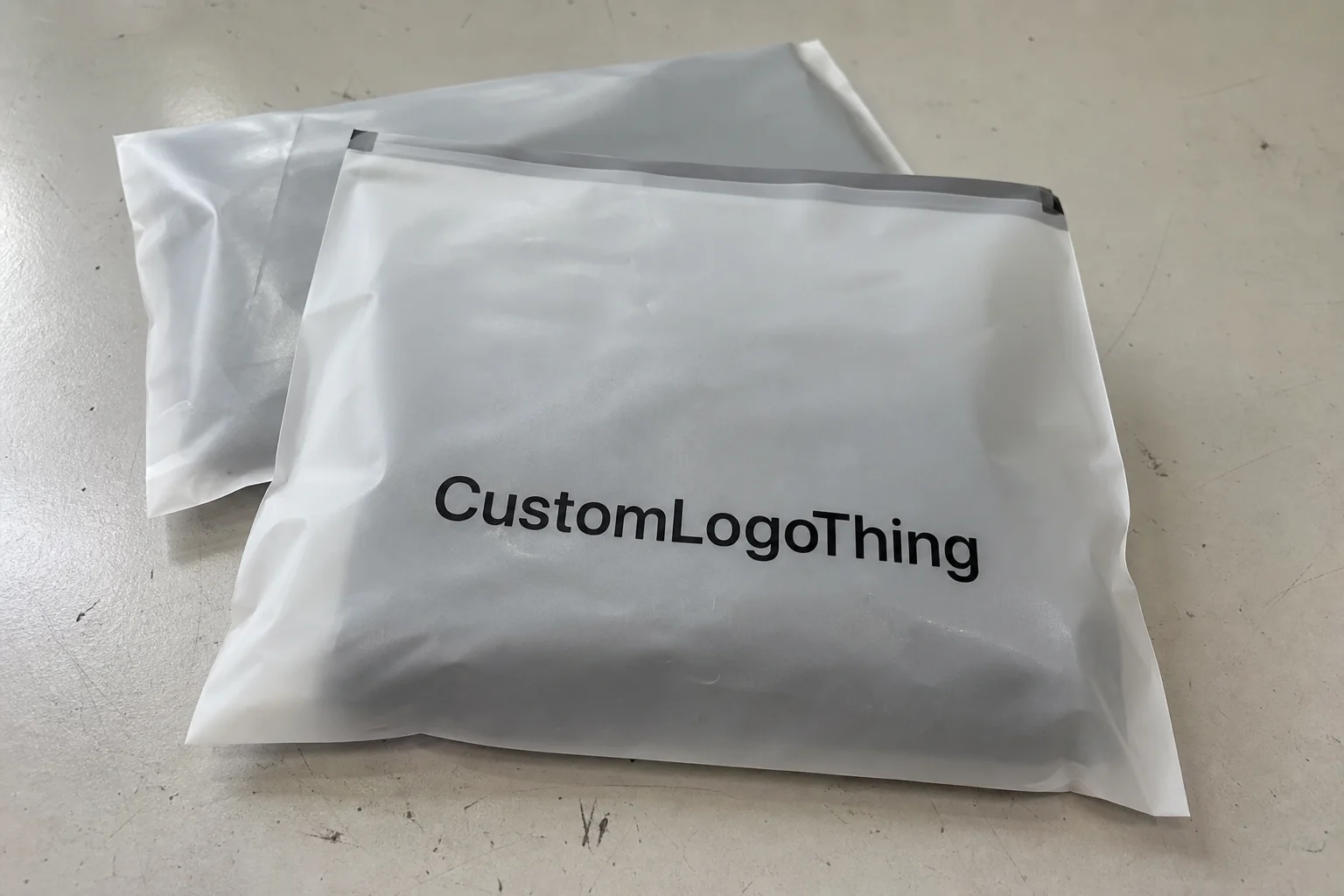
Skincare packaging sits in a practical middle ground. It is usually too light to justify a rigid shipper for every order, but it still needs more protection than a plain envelope. A well-sized poly mailer can reduce shipping volume, keep fulfillment simple, and lower the amount of secondary packaging used on flat items, kits, and replenishment orders. That benefit disappears when the bag is oversized or too thin for the contents.
The most common mistake is treating the mailer as the last piece of the launch. A design team may build attractive artwork first, then discover the bag needs to be resized because the bottle cap is taller than expected, the set includes a tissue wrap, or the insert adds more depth than the original mockup showed. That is how a simple order turns into a round of revisions. A printed Poly Mailer Bags quote for skincare is only useful if it reflects the finished pack, not a rough guess at the product alone.
Early quoting also helps operations. Mailer width affects how many units fit into a carton, how much room they occupy on a pack table, and how quickly staff can seal each order. In high-volume e-commerce, even small differences in handling time matter. A bag that is easy to open, fill, and seal can shave seconds off each order. That sounds minor until it is multiplied across thousands of shipments.
There is also a branding issue. A clean printed mailer signals that the shipment was planned, not improvised. That does not mean the bag has to be elaborate. It means the print, size, and finish should fit the price point of the product inside. A matte white mailer with sharp registration can work better for a premium serum line than a crowded full-color design that looks busy once folded and handled.
Skincare-friendly mailer construction, film options, and print methods
Most skincare mailers are made from LDPE or a co-extruded poly film. LDPE is flexible and seals cleanly, which keeps it useful for lightweight orders and straightforward branding. Co-extruded film layers can add strength and improve print performance, especially when the bag needs better tear resistance or a smoother outer surface for graphics. For skincare shipments, that mix is often the most practical choice because it balances durability and cost.
Film thickness matters more than many first-time buyers expect. A lighter gauge may be enough for sachets, sample kits, or flat promotional packs. Once the shipment includes glass bottles, jars, or a set with multiple pieces, puncture resistance becomes a real concern. Typical custom mailers for skincare sit somewhere around 2.5 mil to 4 mil, though the right spec depends on the packed weight, how the product is cushioned, and how rough the carrier network tends to be.
Closure style should be chosen with the packing line in mind. A peel-and-seal adhesive strip is standard because it speeds up packing and gives a neat closure with less handling. For brands shipping daily volume, that small workflow improvement is not cosmetic. It reduces labor time and lowers the chance of inconsistent sealing. If the product set is being opened and resealed in-store or at events, a different closure plan may be more useful, but for direct-to-consumer shipments, adhesive closure is usually the cleanest option.
Print method changes both appearance and economics. Flexographic printing works well for solid colors, logos, and repeatable designs at scale. Gravure can produce richer coverage and finer detail, but it is usually better suited to larger programs that justify the setup. The main question is not which process sounds more advanced. It is which process fits the art, the quantity, and the level of consistency the brand needs across reorders.
Finish is another detail buyers sometimes underestimate. A matte surface softens glare and can feel more premium in photos and unboxing videos. Glossy film reads brighter and can carry saturated colors well, but it also shows scuffs and fingerprints more readily. Opaque white film is useful when the artwork needs stronger contrast or when the contents should not show through. If recycled content is part of the spec, ask for a sample first; post-consumer material can change stiffness, odor, and surface appearance slightly, which matters on premium beauty lines.
For buyers who want a distribution-based check on bag performance, review the test structure rather than relying on visual inspection alone. Packaging groups and transit-test resources, including the ISTA framework, are useful when you want to compare protection needs against real shipping conditions.
| Option | Typical fit | Strength and look | General cost impact |
|---|---|---|---|
| LDPE single-layer mailer | Lightweight skincare samples, flat kits | Good flexibility, moderate puncture resistance | Lowest |
| Co-extruded poly mailer | Direct-to-consumer skincare, mixed SKUs | Better tear resistance, cleaner print surface | Moderate |
| Thicker opaque printed mailer | Glass bottles, jars, premium sets | Higher durability, better privacy and branding | Higher |
What to specify before requesting a printed poly mailer bags quote for skincare
A reliable quote starts with reliable inputs. If the dimensions only reflect the bottle and ignore the insert, tissue wrap, sample card, or outer pouch, the final bag will feel tight or seal poorly. The better method is to measure the finished pack-out and not just the primary product. Include the tallest item in the set, any protective wrapping, and the extra thickness introduced by promotional material or retail inserts.
For a useful printed Poly Mailer Bags quote for skincare, the request should spell out bag size, thickness, number of print colors, artwork coverage, and closure style. Front-only printing costs less than front-and-back coverage. A simple logo will usually be cheaper than full-bleed art with large solid areas. If the design needs an opaque backing, white underprint, or a precise Pantone match, say that early. Those details change the press setup and the pricing model.
The product type matters too. A tube-based skincare line often has a different pack shape than a glass dropper set, even if the order count is similar. Bottles, jars, and pump tops need more room around them so the mailer closes without stressing the seal. Sample sachets can usually use a lighter structure, but once they are bundled with cards or cartons, the overall footprint grows fast.
The most useful request also includes a little operational context. If the mailer is for subscription replenishment, a retail launch, or wholesale sample fulfillment, that changes the recommendation. The same is true for storage conditions, since film handling can be affected by heat, humidity, and how long the bags sit before use. For fast-moving packing lines, it helps to note whether the bag must be easy to open with gloves, whether the adhesive needs a stronger tack, and whether the order will include any barcode or warning text.
Use this checklist when preparing the request:
- Bag dimensions based on the finished packed order.
- Film thickness in mils, or a target range if you are comparing options.
- Print details including number of colors, artwork file format, and coverage area.
- Closure preference such as peel-and-seal adhesive.
- Order quantity and expected reorder rhythm.
- Product type such as jars, tubes, bottles, sets, or samples.
- Special notes such as white underprint, barcode space, or fragile contents.
That last line is often skipped, then regretted later. If a bag needs safety copy, lot space, or handling instructions, the print layout has to make room for it from the start. Moving text after proof approval can create a delay that would have been avoidable with a more complete brief.
Pricing, MOQ, and unit cost factors that shape your quote
Custom mailer pricing is shaped by a small set of variables: size, film thickness, print coverage, number of colors, and total volume. If the design uses large dark panels, full-bleed art, or a heavy ink load, the cost moves up. If the bag is a standard size and the artwork is simple, the quote usually becomes more efficient. Simple does not always mean plain, though. A clean one-color logo on a good film can look more premium than a crowded design printed across a weak substrate.
MOQ, or minimum order quantity, is where setup cost becomes visible. The press has to be prepared, film has to be run, and the first pieces need to be checked before the rest of production moves forward. That setup gets spread across all units in the order, which is why larger quantities usually reduce the unit price. A 1,000-piece run almost always carries a higher per-bag cost than 5,000 or 10,000 pieces built to the same specification.
For a working reference, a simplified skincare mailer might fall around $0.18 to $0.28 per unit at 5,000 pieces, while thicker film, more colors, or broader coverage can push the price higher. That range is not a promise. It is a useful starting point for budget planning. Material markets move, setup requirements vary, and freight is separate from the bag price. If a quote looks unusually low, compare the specification line by line. Sometimes the lower number is missing plates, proofing, freight, or the thickness you thought was included.
Lead time can change the economics too. Tight schedules may require a preferred slot in production, faster artwork sign-off, or expedited material allocation. In plain terms, rush jobs rarely land at the low end of the range. If a skincare launch is date-driven, the quote request should state the target ship window early so the schedule can be priced correctly rather than padded later with urgency fees.
Here is a concise way to compare the main cost drivers:
| Factor | What it does to cost | Buyer takeaway |
|---|---|---|
| Bag size | Larger film area increases material use | Size it to the finished pack, not a loose estimate |
| Thickness | Heavier gauge costs more per bag | Use enough strength for transit, not extra film by default |
| Print colors | More colors usually mean more setup and production time | Keep artwork efficient where possible |
| Order volume | Higher volumes spread setup cost across more units | Price against expected reorder demand if you can |
If you are comparing formats across the product line, the broader selection at Custom Packaging Products can help frame whether a mailer, carton, or mixed shipping setup is the better fit for the order profile.
For sustainability questions, a poly mailer is not automatically the wrong choice. It depends on the shipping profile, how much void fill a carton would require instead, and whether the film can be recovered in local recycling streams. The EPA’s recycling resources are a practical reference if you are reviewing packaging and waste assumptions: EPA recycling guidance.
Production steps and timeline from artwork approval to shipment
A well-run custom mailer order follows a fairly predictable path. First comes inquiry and spec confirmation, where size, thickness, print layout, and quantity are aligned. Then the artwork is reviewed for safe zones, color placement, and whether the design actually fits the bag structure. After that, the proof is approved, production begins, quality checks are completed, and the finished bags are packed for shipment.
Most delays are avoidable. Missing dimensions force revisions. Low-resolution artwork slows proofing. A last-minute change to a logo shade or seal placement can reset the schedule. The same happens when a brand approves a mockup without checking where the fold line lands or whether the branding panel disappears once the bag is sealed. Those errors are small on screen and obvious in production.
Sampling is worth considering before a full run, especially for new skincare packaging. A pre-production sample or proof sample gives you a chance to test fit, closure, print placement, and appearance before the order is locked in. That step is especially valuable for glass containers, bundled sets, or premium packs where the mailer is part of the product experience rather than just a shipping shell.
Typical timing often looks like this:
- Artwork review: 1-3 business days, depending on file readiness.
- Proof approval: 1-2 business days if approvals move quickly.
- Production: often 12-15 business days after final approval, though larger or more complex runs may need longer.
- Transit: separate from production and depends on destination and freight method.
Quality control should not be treated as a formality. At minimum, the run needs checks for film gauge consistency, seal integrity, print registration, color variance, and adhesive performance. If the artwork includes a barcode, safety copy, or a traceable lot mark, those details should be checked on the proof and again on the first production samples. A pretty bag that fails on seal strength or shows poor registration near the adhesive strip is not a finished product.
If your launch depends on a fixed delivery date, keep production time and shipping time separate in the schedule. They are different risks. A bag can finish on time and still arrive late if freight is not planned correctly, and a tight production window can create unnecessary pressure on approvals. Clear timing makes the whole order easier to manage.
What good packaging support should verify
Good packaging support is not just about sending over a price sheet. It starts with questions that help remove bad assumptions. For skincare shipments, the better suppliers ask about fragility, leak risk, pack-out style, storage conditions, and how often the order will repeat. Those details determine whether a lighter film is fine, whether the bag needs more opacity, and whether the adhesive has to hold up under a busy line speed.
Repeatability is the other part of the job. If the first order works but the reorder shifts in size, tone, or seal behavior, the packing team will feel it immediately. A few millimeters of extra width can change how the bag fits in a carton. A small difference in adhesive tack can slow the line or create rework. That is why accurate records matter. Once a spec is approved, it should be easy to repeat without re-litigating the basics every time.
Practical support also means being direct about tradeoffs. A heavier gauge can improve durability, but it adds cost and may not be necessary for every SKU. A premium matte finish may look better, yet a glossy surface can be better for strong color blocks. A larger bag can make packing easier, though it also increases material use and freight volume. The right answer depends on the product, not on what sounds best in a catalog.
For brands deciding between a mailer and another shipping format, the comparison should be made against the actual use case rather than a generic packaging rule. A light serum sample line has different needs from a glass bottle refill program, and a subscription insert pack behaves differently from a retail order. That is where a measured quote is useful: it turns the decision into a spec comparison, not a guess.
Next steps to get an accurate order quote and move forward
If you are preparing a Printed Poly Mailer Bags Quote for skincare, gather the essentials before sending the request. The cleaner the input, the faster the proofing process and the fewer revisions later. The most useful quotes are built on real pack-out data, not assumptions about what the bag might hold.
At minimum, prepare these three items:
- Size: finished dimensions of the packed order.
- Print details: colors, logo placement, and artwork file format.
- Pack-out style: what the bag will actually carry and whether it includes inserts, bottles, or sets.
Ask the supplier to separate unit price, setup expectations, proofing assumptions, and freight. That makes comparison much easier and keeps a low headline number from hiding a weak spec or an expensive shipping surprise. If the proof looks correct, check the seal line, logo scale, and any required text one more time before approval. Small errors are much cheaper to catch on screen than after production starts.
It also helps to think one reorder ahead. If the monthly use rate is likely to hold steady, include that estimate in the request. A clear reorder pattern makes it easier to plan production, maintain consistency, and keep the next order from stalling behind the first one.
The strongest quote is the one that reflects the actual job: protect the product, move quickly through fulfillment, and look consistent on every shipment. If those three pieces are clear, the price is much easier to judge and the packaging choice is much easier to justify.
FAQs
What details do I need for a printed poly mailer bags quote for skincare?
Provide bag dimensions, quantity, film thickness, print colors, and artwork files. It also helps to note the skincare product type, pack-out style, and whether the bag is for retail shipping or sample fulfillment. If there is a launch date or delivery window, include that too so the quote reflects production and transit needs.
How do I choose the right size for skincare mailer bags?
Measure the finished packed item, not just the bottle or jar. Inserts, protective wrap, and secondary pieces all change the final footprint. Leave enough room for easy sealing without creating excess empty space that lets the shipment shift in transit. If you ship several SKU combinations, size the bag around the largest common pack-out.
What affects the unit cost of custom printed poly mailers the most?
Size, thickness, print coverage, number of colors, and order quantity are the biggest cost drivers. Rush production or unusual specifications can raise the price compared with standard options. A cleaner design and standard dimensions usually give the best value, especially for repeat skincare shipments.
Can printed poly mailers protect skincare products during shipping?
Yes, for many lightweight skincare orders they provide solid protection when sized correctly and paired with proper inner packing. Heavier glass items or fragile sets may need additional cushioning or a different shipper. Film thickness and seal quality matter a great deal for puncture resistance and closure security.
How long does production usually take after proof approval?
Production time depends on order size, print complexity, and current factory load. Artwork approval must be complete before the job moves into manufacturing. Shipping transit time is separate from production, so both should be built into your plan, especially if you are tying the order to a launch or replenishment schedule.


