Buyer Fit Snapshot
| Best fit | Printed Product Sleeves for Retail projects where brand print, material claims, artwork control, MOQ, and repeat-order consistency need to be specified before quoting. |
|---|---|
| Quote inputs | Share finished size, material target, print colors, finish, packing count, annual reorder estimate, ship-to region, and any compliance wording. |
| Proofing check | Approve dieline scale, logo placement, barcode or warning zones, color tolerance, closure strength, and carton packing before bulk production. |
| Main risk | Vague material claims, crowded artwork, missing packing details, or unclear freight terms can make a low unit price expensive after revisions. |
Fast answer: Printed Product Sleeves for Retail: Material, Print, Proofing, and Reorder Risk should be specified like a repeatable production item. The safest quote records material, print method, finish, artwork proof, packing count, and reorder notes in one written spec.
Production checks before approval
Compare the actual filled-product size with the drawing, then confirm tolerance on folds, seals, hang holes, label areas, and retail display edges. Reserve space for logos, QR codes, warning copy, and material claims before decorative graphics fill the panel.
Quote comparison points
Review material grade, print process, finish, sampling route, tooling charges, carton quantity, and freight assumptions side by side. A quote is only useful when the supplier can repeat the same color, closure quality, and packing count on the next order.
On a crowded shelf, the package that gets noticed first often wins the first look, and that is exactly where printed product sleeves for retail earn their keep. They can turn a plain carton, tray, or multipack into something that looks seasonal, premium, or easier to shop, without forcing a full redesign of the base pack. A small change in the outer layer can change how a shopper reads the whole product in less than a second, which is a tiny window and a very expensive one to miss.
That flexibility matters because retail programs rarely stay still. SKUs get refreshed, promotions change, regions need different copy, and buyers want faster visual updates without taking a whole packaging line offline. printed product sleeves for retail answer that problem with a format that is simple in concept, but surprisingly precise in execution. A sleeve can absorb change where a rigid carton cannot, and it can do so while acting as a carton sleeve, an overwrap, or a piece of shelf-ready packaging depending on the program.
I have seen that play out in real launches. A beverage brand once needed three retailer-specific looks for the same base tray, and the sleeve handled the split without forcing a warehouse full of different cartons. The line kept moving, the buyer got their custom version, and the operations team did not have to invent a new headache. That is the practical appeal: the sleeve is not just a graphic layer, it is a controlled shortcut.
What Printed Product Sleeves for Retail Are
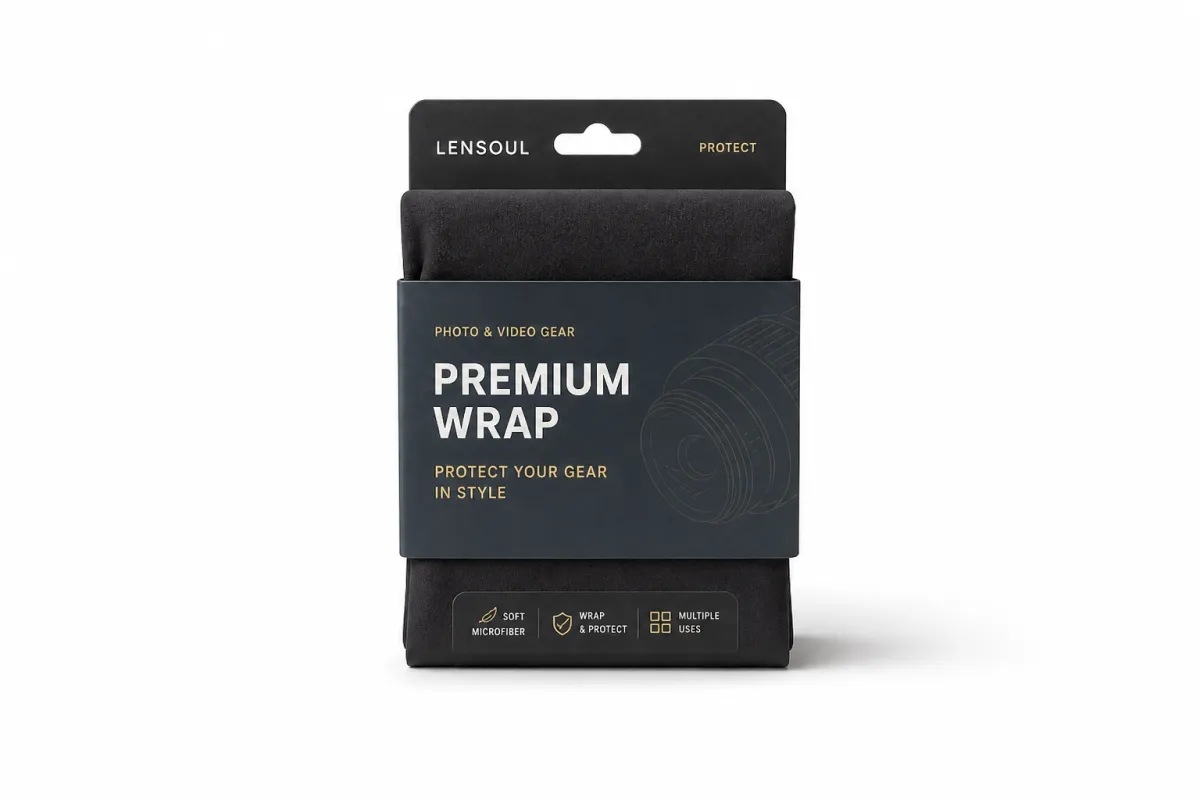
printed product sleeves for retail are outer wraps or partial covers that slip over a primary package to add branding, product information, promotional messaging, or seasonal graphics. In practical terms, a sleeve gives you a visible communication layer without rebuilding the entire structure underneath. That is why brands use them on cartons, trays, gift sets, subscription boxes, food packs, cosmetics, and promotional retail packaging where the base container stays the same but the message needs to change. The sleeve becomes the part of the package that can move at retail speed.
The key distinction is simple. A label usually carries targeted information and sits on one panel or one limited area. A full carton replaces the package structure itself. A sleeve sits in the middle, both physically and financially. It adds more visual real estate than a label, but it does not carry the material and tooling burden of a completely new carton. For many programs, that middle ground is exactly where printed product sleeves for retail make the most sense. It is the packaging equivalent of changing the jacket without rebuilding the book.
From a retail buyer's point of view, sleeves are useful because they can be swapped faster than a full package format. If a brand needs a holiday version, a price-point version, a retailer-exclusive look, or a regional copy change, the sleeve can handle the update while the primary pack remains stable. That lowers disruption on the production side and reduces waste when the base package is already dialed in. A stable base plus a changing shell is easier to manage than two brand-new components.
In stores, the sleeve does heavy lifting at the moment of choice. Shoppers usually do not read a spec sheet first; they scan for color, contrast, shape, and cues that make the product feel worth picking up. Well-designed printed product sleeves for retail can create that shelf signal with surprisingly little material, especially when the artwork, structure, and finish are planned around the real package dimensions rather than a perfect-looking mockup. Shelf impact is often won by the smallest visual nudge, not the loudest claim.
One common mistake is treating the sleeve like decoration only. Good sleeves do more than look nice. They help organize SKUs, support compliance copy, reinforce a retail story, and make the pack easier to merchandise. That is the real value: a cleaner path from brand idea to shelf execution. A strong sleeve should solve at least one operational problem while it sells the product.
There is also a trust issue that gets overlooked. If the sleeve is built to look richer than the product can support, shoppers notice. Not always consciously, but they do notice. An overstated finish, a flimsy substrate, or copy that promises too much can make the pack feel a little off. The best sleeves stay honest about the product they are wrapping.
How Do Printed Product Sleeves for Retail Work on Packout Lines?
On the production side, printed product sleeves for retail usually start as printed sheets or roll stock, depending on the print method and the finishing plan. The artwork is laid out on a dieline, then cut, scored, or slit so the sleeve can fold cleanly and sit flush around the product or primary carton. In some programs, the sleeve is a simple wrap that slides over the base pack. In others, it is a more structural form with locking tabs, perforations, or a tuck feature that keeps the sleeve from shifting in transit. The assembly method shapes the design as much as the artwork does.
Application method matters more than many teams expect. For short runs, manual placement may be the best choice because it keeps tooling simple and makes last-minute adjustments easier. For larger volumes, semi-automated or fully automated equipment is often the better route because it improves placement consistency and reduces labor variance. Either way, the sleeve has to be designed for the way it will actually be applied, not just for the way it looks on screen. A tidy rendering means little if the line operator has to fight it at every unit.
Dimensional tolerance is where sleeve projects either feel smooth or become a headache. A sleeve that is too tight can scuff, buckle, or open seams under humidity changes. A sleeve that is too loose can drift on the shelf and make the package look cheap. That is why scoring depth, registration, and fold accuracy matter so much. When printed product sleeves for retail fit correctly, they look intentional from several feet away and still hold up when a shopper handles the pack. Fit is visual proof that the engineering was done honestly.
Adhesive strategy is another decision point. Some sleeves are glue-applied at a seam, while others rely on friction fit or a locking structure. The right choice depends on product weight, packing speed, storage conditions, and whether the sleeve needs to survive distribution vibration. If you are shipping through rough handling or stacked cases, it is smart to test the sleeve under real conditions rather than assuming it will behave well because the prototype looks neat on the table. Distribution is full of small shocks that a tabletop sample never sees.
Versioning is one of the biggest operational advantages of printed product sleeves for retail. A base container can stay unchanged while the sleeve changes by SKU, retailer, language, or region. That is especially useful for multi-market launches, limited-edition promotions, and private label programs where the content changes faster than the structural package. A sleeve program can behave like a fast editorial system inside a slow manufacturing one.
One practical note from the floor: if the pack is going through a hot room, a humid warehouse, or a fast hand-apply station, that environment should be part of the design brief. I have watched sleeves pass a lab check and then start to curl in a real distribution center where the climate was less kind. The paperwork was fine. The shelf reality was not. Kinda annoying, but avoidable.
Typical workflow before launch
- Discovery: confirm the product type, retail environment, and why the sleeve is needed.
- Dieline planning: verify dimensions, seam location, and any automation constraints.
- Artwork setup: place copy, barcodes, panels, and finishes on the approved template.
- Proofing: review digital proofs for layout, copy, and color intent.
- Sampling: test physical sleeves on real product units or cartons.
- Production: print, cut, finish, inspect, pack, and ship.
That timeline can move fast when the artwork is ready and the format is simple. More often, the smart move is to allow time for one round of sampling, because a small adjustment to score depth or wrap width can save a much bigger problem later. For teams running printed product sleeves for retail across several SKUs, that sample stage is where the program either becomes manageable or becomes expensive. One careful physical check often replaces three rounds of apologizing later.
Key Factors That Shape Sleeve Design and Performance
Material choice sets the tone for the entire project. Paperboard, SBS, kraft, and film each bring different strengths to printed product sleeves for retail. SBS and coated paperboard usually deliver the cleanest print and a crisp, premium feel. Kraft signals a more natural, earthy position and can be a good fit for eco-forward branding. Film can be useful where moisture resistance or flex is important, but it changes the tactile feel and may require different print and finishing decisions. The stock is never just a substrate; it signals the product's character before the shopper reads a word.
For thickness, many sleeve programs live in the range of 16 pt to 24 pt paperboard, or roughly 230 gsm to 350 gsm depending on the stock and the intended rigidity. That is not a fixed rule. A light sleeve can work well on a small carton, while a heavier pack or a premium set may need more stiffness to avoid curling and edge wear. The final choice should match the package weight, shipping method, and shelf life of the promotion. A sleeve that bows under its own weight can undo a polished design instantly.
Print method should follow the run length and the artwork complexity. Digital printing is often attractive for short runs, versioned artwork, or late-stage changes because plate costs are low and setup is quick. Offset printing tends to shine when the artwork has tight color demands and the quantity justifies the press setup. Flexographic printing can be efficient for longer runs and simpler graphics, especially when speed and repeatability matter more than a highly layered visual effect. printed product sleeves for retail work best when the print process is chosen for the business reality, not just the design wish list. Production math has a way of exposing wishful thinking.
Structural decisions matter just as much as ink and substrate. Sleeve width, depth, seam placement, perforations, and tuck style all influence fit and user experience. If the sleeve needs an easy-open feature, that should be built in early, not added as an afterthought. If the pack is displayed hanging, faced on shelf, or shipped in a case pack, those conditions should shape the die line from the start. The sleeve should support merchandising, not fight it. A good structural choice can save labor as well as shelf real estate.
Finishes are where many brands get tempted to overdo things. Matte can feel refined and reduce glare under harsh lighting. Gloss can sharpen contrast and make color pop. Soft-touch often adds a tactile premium cue, though it can be more vulnerable to scuffing depending on the coating system. Foil, spot UV, and embossing can create strong visual hierarchy, but they should be used with restraint. A sleeve that tries to do everything can end up costing more without actually improving shopability. With printed product sleeves for retail, the finish needs to earn its place. Quiet finishes often outperform the flashy ones once the pack hits fluorescent light.
Retail requirements are the final filter. Barcodes need to scan cleanly. Legal copy has to stay readable. Nutrition panels, ingredient declarations, or warning statements cannot be buried in decorative clutter. If a retailer has specific merchandising rules, those rules should be part of the brief before artwork starts. That is especially true for printed product sleeves for retail used in food, wellness, and cosmetics, where the visual layer still has to meet compliance expectations. The shelf can be unforgiving, and so can the buyer.
If the project has any sustainability language attached to it, be careful with the claims. "Recyclable" or "responsibly sourced" means different things in different regions, and not every paper or coating system is accepted the same way by every recovery stream. That is where a good supplier should be able to separate marketing language from documented material facts. A little caution here protects the brand later.
For teams that want to validate environmental claims or material sourcing, two useful references are the Forest Stewardship Council and the EPA Sustainable Materials Management resources. For distribution and performance testing, the ISTA standards are often part of the conversation, especially if sleeves will travel through real transit stress. Those references matter because shelf success can start with supply chain discipline.
- Paperboard: best for crisp graphics and stable shelf presentation.
- Kraft: useful for natural branding and lower-ink aesthetics.
- Film: better when moisture resistance or flexibility matters.
- Soft-touch or matte coating: good for premium feel, but check scuff resistance.
Printed Product Sleeves for Retail Cost and Pricing
Price for printed product sleeves for retail is shaped by a handful of predictable variables: substrate, print method, color count, size, finishing complexity, dieline setup, and quantity. A small run with heavy coverage and specialty finishing will cost more per unit than a larger run on standard board with a simple varnish. That is not a surprise, but it is where many quote comparisons go off track, because people compare unit price without comparing the entire production picture. A quote that ignores finishing labor can look friendly and still mislead the budget.
Lower quantities usually carry a higher per-piece cost because setup, prepress, and finishing time get spread over fewer units. Still, short runs can be the right business move when the sleeve supports a launch, seasonal change, limited-edition offer, or retailer-specific promotion. In those situations, the value comes from speed and flexibility, not from chasing the lowest possible unit price. printed product sleeves for retail often make sense exactly because they reduce the need to rework the whole package system. They buy optionality, and optionality has value when the calendar is tight.
Artwork changes also affect pricing in ways that are easy to overlook. A program with multiple SKUs, regional text differences, or repeated proof revisions creates more prepress work. Specialty finishes like foil, embossing, or spot UV can add tooling or extra passes. Even a tiny change in seam placement can require a revised dieline and another review round. So while material cost matters, it is rarely the only cost that matters. The hidden cost usually lives in revision time and production interruptions.
| Production Approach | Typical Use | Indicative Unit Range | Strengths | Tradeoffs |
|---|---|---|---|---|
| Digital print, short run | Launches, seasonal trials, small SKU counts | $0.28-$0.75 each at 500-2,000 pieces | Fast setup, easy versioning, lower prepress cost | Higher unit price, fewer finishing options |
| Offset print, mid run | Core retail programs, moderate volume | $0.12-$0.32 each at 5,000-20,000 pieces | Strong color consistency, good image quality | Plate and setup costs, longer lead time |
| Flexo print, long run | Repeat programs, high volume, simpler graphics | $0.08-$0.22 each at 25,000+ pieces | Efficient on volume, strong repeatability | Less ideal for highly detailed artwork |
Those numbers are directional, not a promise. Final pricing depends on sheet size, waste allowance, finishing, shipping, and how much hand labor is needed to apply the sleeve. A quote that looks low at first glance can become expensive if it assumes a narrow tolerance, a special laminate, or extra assembly steps. With printed product sleeves for retail, the better question is often, "What does this sleeve save us compared with a full new carton?" That question usually exposes the real economics faster than unit price alone.
That comparison usually reveals the real economics. A sleeve can be cheaper than retooling a primary pack, especially if the base container is already in production and the retailer only needs a visual change. It can also be a better fit than a label overwrap when you need more graphic space, stronger shelf impact, or a more premium finish. In other words, the best quote is not always the cheapest quote. The best quote is the one that balances impact, manufacturability, and waste reduction. Retail packaging has a habit of rewarding the choice that looks expensive but behaves efficiently.
One practical budgeting habit I wish more teams used: ask the printer to price the sleeve both ways, once as a pure unit cost and once as a total program cost including sampling, finishing, freight, and any hand assembly. Those two numbers are often miles apart. The unit price can flatter you, but the full program price tells the truth.
Step-by-Step Timeline for Launching a Sleeve Program
A well-run sleeve project starts with a clear brief. Before anyone opens a design file, define the product, the retail environment, the shelf position, and the reason printed product sleeves for retail are being used. Is the goal seasonal branding, SKU separation, retail compliance, premium positioning, or a promotional refresh? That answer drives almost every later decision, from stock selection to finishing. Without that answer, the project drifts into opinion.
After the brief comes structural planning. The team should measure the actual product or carton, not a theoretical dimension from a spec sheet that might be out of date. Measure width, depth, height, closure points, and anything that could affect fit, including bulges, flaps, corners, or tamper features. If the sleeve is going through automatic application, that process needs to be part of the dieline discussion from the start. A sleeve that works by hand may fail on a line if the seam location or score depth is wrong. Packaging tolerances are small; production tolerances are not always generous.
Next comes artwork development and proof review. This is where the copy hierarchy, barcode placement, and retail claims should be checked with real discipline. In many sleeve projects, the design looks strong on screen but weak under store lighting because the contrast is too low or the type size is too small. Physical samples catch those problems early. When dealing with printed product sleeves for retail, a sample is not a luxury. It is one of the cheapest risk controls available. The cost of one sample is usually smaller than the cost of one failed launch.
Production usually moves through a familiar sequence: final approval, print, cut, finish, quality inspection, packout, and shipment. The exact order can shift depending on the material and finishing stack, but the important point is that each stage introduces its own variables. Foil and embossing can slow the schedule. Multiple SKUs can lengthen proof cycles. Distance between plant and fulfillment center can add several days, especially if the project requires case packing or kitting before outbound shipment. A calendar built only on ideal conditions has a way of unraveling.
Typical timing ranges
- Simple short-run sleeve: often 7-12 business days after proof approval.
- Mid-run sleeve with standard finish: often 12-18 business days after proof approval.
- Complex sleeve with foil, embossing, or multiple SKUs: often 18-30 business days, depending on sampling and material availability.
Those ranges assume the artwork is ready and the approval cycle is reasonably tight. If the team needs several proof rounds, regulatory review, or dimensional changes after sampling, the schedule extends quickly. That is why experienced buyers build some cushion into the launch calendar. It is far easier to hold a finished sleeve in inventory for a week than to explain why a retail promotion missed its placement date. printed product sleeves for retail reward careful planning more than rushed heroics. The schedules that look boring on a spreadsheet tend to be the ones that actually ship.
A practical launch plan also includes a checkpoint for physical handling. Someone should open cartons, pull sleeves from the pack, apply them, and examine the result under store-like lighting. That simple test often reveals whether the finish fingerprints too easily, whether the seams open, or whether the graphics disappear at normal shelf distance. A sleeve that survives the office table is not automatically ready for the aisle. Retail is less kind than a conference room.
And if you are coordinating with more than one supplier, get everyone looking at the same proof set. The carton maker, printer, and fulfillment team can each catch different issues. That sounds obvious, but in practice, projects get split across too many inboxes and the sleeve winds up being "approved" in three different versions. That is where trouble likes to hide.
Common Mistakes to Avoid with Retail Sleeves
The first mistake is designing for the mockup instead of the real package. On a flat screen, everything looks square and perfectly centered. On a physical pack, tolerances, closures, adhesive lines, and product fill can shift the sleeve enough to create skew or buckling. If the artwork was built without testing on the actual carton or unit, printed product sleeves for retail can look polished in prepress and awkward on shelf. A beautiful render is not proof of a usable structure.
The second mistake is weak copy hierarchy. Retail sleeves need a clear reading order. The brand, product name, variant, size, and legal information should not compete for the same visual weight. If everything shouts, nothing stands out. Small legal type is especially risky because it may look acceptable in the file, then collapse in the physical world once the sleeve is wrapped and viewed at angle. The eye reads confusion before it reads detail.
The third mistake is overusing finishes. Foil, spot UV, soft-touch, and embossing can all be effective, but they should support the retail job rather than decorate every empty area. Extra finishing that does not improve clarity or conversion is just cost. In many cases, a strong layout, good stock, and clean color work harder than a pile of effects. That is especially true for printed product sleeves for retail, where the structure itself already adds a premium cue. A sleeve does not need to shout luxury if the form already suggests it.
The fourth mistake is ignoring handling and logistics. The sleeve needs to survive packing, stacking, shipping, opening, and shelf stocking. Store staff often have only a few seconds per unit, so the pack should be easy to orient and easy to place. If the sleeve is too tight, too slippery, or too complex to assemble, the floor team will not love it, and that can hurt presentation in ways the design team never sees. Elegant packaging that slows store labor is rarely elegant for long.
The fifth mistake is skipping sample approval. I have seen plenty of sleeve programs where one physical proof would have saved a costly reprint. The proof is where fit, color, barcode readability, and tactile feel become real. For printed product sleeves for retail, a few prototypes can prevent bigger losses later, especially on promotions where the launch window is narrow. A single day spent testing can save a week of cleanup.
The sixth mistake is assuming the shelf will forgive a close call. It usually will not. If the sleeve is just a little too busy, a little too dark, or a little too fragile, shoppers will move on. They do not send feedback forms from aisle seven. They just pick up the cleaner option and keep walking.
"A sleeve should make the shelf decision easier, not the production floor harder."
Expert Tips and Next Steps for Printed Product Sleeves for Retail
My first recommendation is to design around one clear retail job. A sleeve can do a lot, but it performs best when it has a primary purpose. Maybe it is there to separate SKUs, signal a holiday edition, support a retailer exclusive, or give a basic carton a more premium look. Once that job is defined, printed product sleeves for retail become easier to spec, quote, and approve. Clarity at the start prevents decorative drift later.
Second, build a spec sheet before you ask for pricing. Lock down the substrate, finished size, score locations, color expectations, quantity range, and finish requirements. If you already know the sleeve needs to fit a 12 oz carton with a 1/8 inch seam tolerance and a matte aqueous coating, say so early. Clear specs reduce back-and-forth and help suppliers give you a quote that is actually usable. Suppliers can price certainty; they cannot price guesswork very well.
Third, test on real product samples, not just CAD drawings. Place the sleeve on actual units, look at it under retail lighting, and view it from several distances. One foot, three feet, and six feet can all reveal different problems. A barcode might scan fine in the office but fail if the placement is too close to a fold. A soft-touch finish might feel rich in hand but show rub marks during handling. Those are not minor details; they shape whether printed product sleeves for retail succeed after launch. The shelf will report back quickly if something is off.
Fourth, compare short-run flexibility with long-run efficiency. A small seasonal promotion may be better served by digital print and a low minimum order. A core SKU with stable demand may justify offset or flexo economics. There is no single right answer, only the right answer for the forecast, the lead time, and the shelf strategy. Good packaging decisions usually look boring in the spreadsheet and excellent in the market.
Finally, keep the decision tied to the retail outcome. If the sleeve improves shelf presence, clarifies the offer, and reduces packaging disruption, it is doing its job. If it only adds decoration, the program may need a harder look. That is the practical way to think about printed product sleeves for retail: not as a clever embellishment, but as a packaging tool that should earn its place in the line, the warehouse, and the aisle. The best sleeves feel obvious after the fact, which is usually the mark of good work.
For next steps, gather the product dimensions, collect brand artwork, define the quantity range, and request samples or quotes with the actual structure in mind. Then review the first physical proof carefully before approving production. That sequence keeps the project grounded and gives printed product sleeves for retail the best chance to move smoothly from concept to store shelf. The closer the first proof is to the real pack, the fewer surprises you buy later.
If you want a clean internal checklist, the order is simple: measure the real pack, confirm the sleeve's retail job, ask for a structural sample, and check the proof under store lighting before you sign off. Do those four things and you avoid most of the expensive mistakes.
Frequently Asked Questions
What are printed product sleeves for retail used for?
They add branding, promotions, product information, or seasonal messaging without changing the main package. They are especially useful when a brand needs fast visual changes across multiple SKUs or limited runs, and they can improve shelf presence while keeping the base container consistent. In many programs, they do the work of a new pack without the cost of starting over.
What materials work best for printed product sleeves for retail?
Paperboard and SBS are common for crisp print and a premium feel. Kraft can suit natural or eco-forward positioning, while film may be better where moisture resistance matters. The best choice depends on product weight, shelf environment, handling conditions, and the finish you want to achieve. Material choice should follow the job, not the trend.
How long does it take to produce retail product sleeves?
Turnaround depends on artwork readiness, sample approval, quantity, and finishing complexity. Simple projects can move quickly after proof approval, while custom structures and specialty finishes take longer. Building in time for sampling is the best way to avoid launch delays. Speed is useful, but only when the sleeve fits and scans the first time.
How much do printed product sleeves for retail cost?
Unit cost is driven by quantity, substrate, print method, finishes, and setup requirements. Short runs usually cost more per piece, but they can reduce risk for launches or promotions. Comparing the sleeve to a full package change often shows where the real savings come from. The cheapest per-unit quote is not always the cheapest project.
How do I make sure a sleeve fits the package correctly?
Measure the actual product or carton carefully, including any bulges, folds, or closure points. Ask for a dieline or sample before production and test it on real units. Check fit, alignment, barcode placement, and readability under store conditions. If the sleeve is going to live on a line and in an aisle, it should be tested in both places.
Can printed product sleeves for retail work for premium products?
Yes, and they often do a very good job there. A sleeve can make a standard base pack feel more considered through better structure, richer stock, or a restrained finish. The key is matching the tactile and visual treatment to the price point. Overdoing the effects can make a premium product feel oddly try-hard, and that is never a good look.
Related packaging resources
Use these related guides to compare specs, costs, quality checks, and buyer decisions before making the final call.


