Tea buyers usually discover reseal problems after the first complaints come back, not on the first quote. A bag that holds aroma, opens cleanly, and closes with a predictable slider can prevent far more than a few cents of waste, which is why Slider Lock Clothing Bags unit cost for tea should be judged against shelf life, presentation, and reclose performance rather than bag size alone.
For tea packaging, unit price only makes sense inside the larger picture: material choice, closure reliability, fill behavior, and how the bag looks after it has been handled a few times. A low quote can still be expensive if the zipper track is hard to align, the film feels flimsy, or the bag does not hold up through packing and shipment. That is the practical way to think about the category.
Why tea brands watch seal quality before unit price
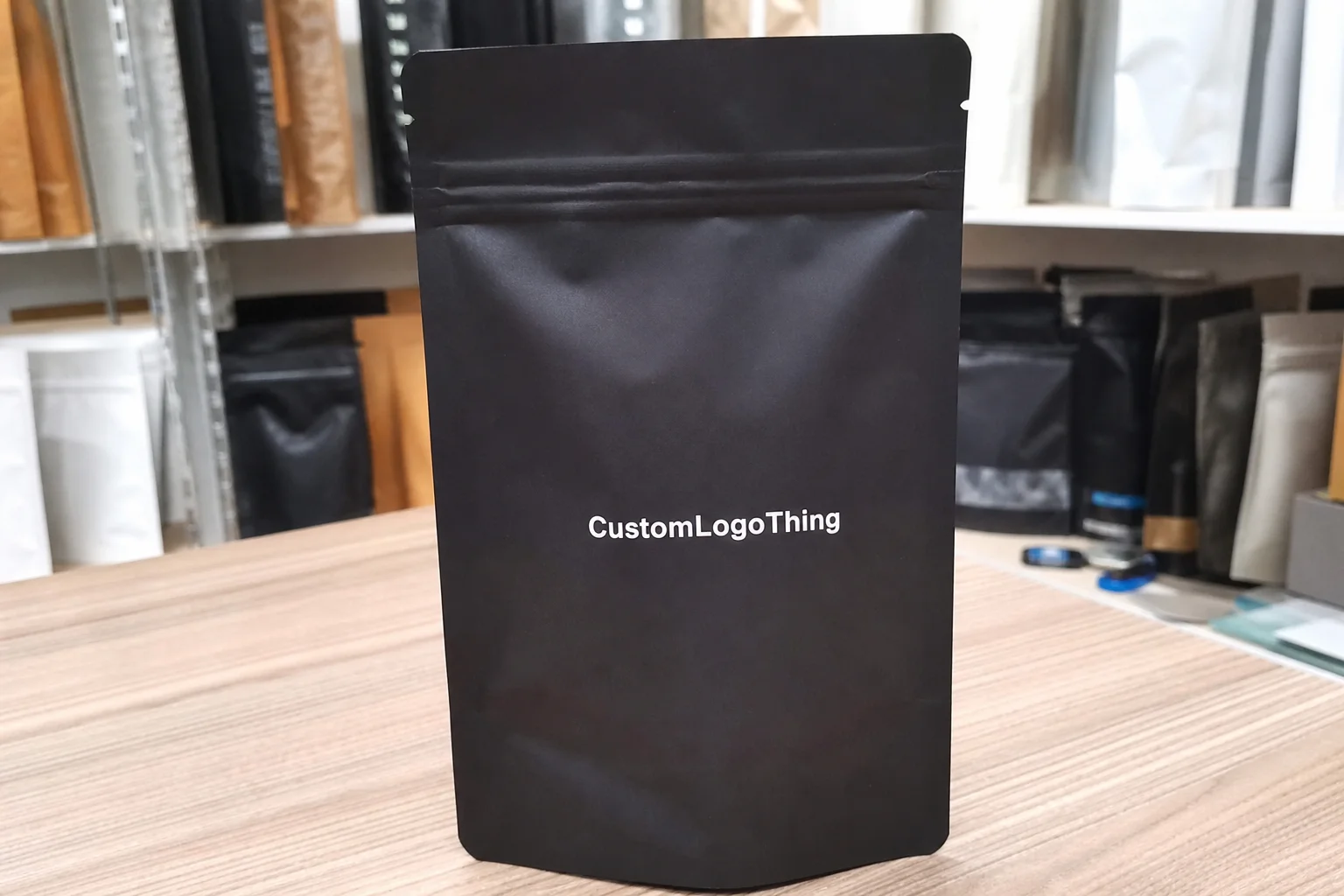
On paper, a lower unit cost is easy to defend. In practice, a tea bag that does not close consistently can create waste, returns, and customer frustration that costs more than the initial savings. Loose-leaf tea, herbal blends, and tea dust all benefit from a closure that feels predictable, because repeated opening and closing is part of normal use, not a special case.
The slider matters because it changes how the consumer interacts with the pack. A well-made slider lock reduces the chance of a half-sealed closure, which is common on bags that rely only on a stiff zipper track or a fussy press-to-close profile. For sample packs, gift sets, and retail bundles, the buyer is not only paying for a bag. They are paying for a cleaner unboxing experience, better shelf presentation, and a pack that helps preserve aroma between uses. That is why Slider Lock Clothing Bags unit cost for tea is usually a packaging-system decision, not a bag-only decision.
A cheaper bag that creates one extra complaint per carton often costs more than the better bag on the front end. Packaging buyers feel that quickly once the product is in the market.
Seal quality also affects how a tea brand is judged on the shelf. If the closure looks flimsy or the film wrinkles badly around the zipper path, buyers and end customers notice. The pricing conversation should start with product protection, then move to unit cost. If the structure does not hold the product correctly, the quote is the wrong starting point.
There is a second issue that often gets ignored: consistency across the run. Tea brands typically need repeatable performance from the first carton to the last, especially when the packs are filled on an existing line. A bag that works nicely in a small sample run but becomes temperamental at volume is not a bargain. That is why experienced buyers ask about seal width, slider tolerance, and how the film behaves after heat exposure and handling.
What a slider lock bag needs to do in tea packaging
A slider lock bag is a simple structure with a film body, side seals, a bottom seal, and a zipper track operated by a small sliding piece. For tea, that structure needs to do a few specific jobs well. It has to protect aroma, resist handling damage, and reopen without tearing the seal line. If the pack is headed for retail, a hang hole or euro slot may also matter, especially for display walls and clip strips.
Loose-leaf tea, tea sachets, sample portions, and promotional gift kits all use this format differently. A 20 g sample bag does not need the same body width or gusset depth as a 250 g retail bag. The wrong size creates excess headspace or a bag that bulges after filling, which changes shelf appearance and can stress the closure. Buyers sometimes focus on dimensions only, but the real fit question is whether the pack can be filled cleanly, sealed neatly, and opened repeatedly without annoyance.
Film clarity matters more than many teams expect. If the tea itself is part of the visual sell, a cloudy laminate or overly heavy print can weaken the presentation. If the product needs more barrier, a multi-layer structure may be worth the added cost. The right answer depends on whether the priority is basic containment, retail display, or longer aroma retention.
Tea fines deserve special attention. Fine particles can collect near the zipper path, and sloppy filling can leave debris in the seal area. That does not mean the bag format is wrong. It means the filling line, the zipper design, and the target tea particle size all need to be considered together. A packaging team that understands this will ask about fill behavior before it talks about graphics.
Another practical factor is the bag mouth. If the opening is too narrow, the line operator spends extra time keeping the fill neat. If it is too wide for the product size, the bag can look underfilled and shift awkwardly on shelf. Neither problem shows up in a price quote, but both show up in production.
Key specifications to lock down before you request a quote
Before a supplier can give a clean price, the bag spec needs to be concrete. Size, material, closure style, and print coverage all affect the final quote, and small changes can move the order into a different production setup. The more precise the brief, the fewer surprises in sampling and the lower the chance of rework.
- Finished size: width, height, and gusset depth, if any.
- Film gauge: a lighter film can reduce cost per piece, while a heavier gauge may improve feel and durability.
- Material choice: LDPE, LLDPE blend, or multi-layer film if barrier performance matters.
- Zipper style: standard slider, reinforced slider, or a more rigid closure profile.
- Print layout: one-color logo, multi-color artwork, matte finish, gloss finish, or full-bleed coverage.
- Pack function: sample pack, retail sale unit, gift kit, or back-of-house portioning bag.
Food-contact expectations should be clarified early. Tea is not a casual packaging category, because odor neutrality, clean sealing, and material suitability all matter. If your team needs broader packaging references, the Flexible Packaging Association at packaging.org is a useful industry starting point, and ISTA’s test methods at ista.org help buyers think through shipping performance.
Recycling claims need discipline too. Do not assume a mixed-layer pouch fits a curbside recycling stream just because the carton around it is paper-based. If your sustainability brief is strict, ask whether the film structure fits your market claims or whether a mono-material option is available. That matters for compliance, but it also matters for brand trust. The right packaging claim is specific, not optimistic.
For tea buyers, the most common missed detail is fill weight. A bag sized for 50 g may work badly at 80 g if the tea is bulky, fluffy, or irregular in cut. The same issue can appear in reverse: an oversized bag around a small fill can look inflated, waste material, and make the product feel less considered. A good quote starts with the product, not just the bag outline.
slider lock clothing bags unit cost for tea and what changes the quote
The biggest mistake buyers make is treating price as a single number instead of a set of tradeoffs. Slider Lock Clothing Bags unit cost for tea changes with order quantity, tooling complexity, print coverage, and how much handling the bag needs before it is ready to fill. Bulk pricing usually improves as volume rises, but not in a straight line, because setup charges and any tooling fees have to be spread across the run.
If the bag uses a standard footprint and a simple clear film, the quote is usually much easier to control. Once the order adds custom print, a premium barrier layer, or a heavier slider, the cost per piece rises, but the pack may also perform better on shelf and in transit. That is why a buyer should ask for tiered pricing, not just one number. It makes the breakpoints visible and helps purchasing decide whether a visual upgrade is worth the added spend.
| Order profile | Typical MOQ | Cost per piece | What drives the price |
|---|---|---|---|
| Plain clear slider bag, standard size | 5,000 to 10,000 pcs | $0.10 to $0.18 | Basic film, standard slider hardware, low setup complexity |
| Light branded print, one to two colors | 5,000 to 10,000 pcs | $0.14 to $0.24 | Print setup, artwork handling, modest color coverage |
| Retail print with matte or gloss finish | 8,000 to 15,000 pcs | $0.20 to $0.34 | Higher ink coverage, finish choice, tighter proof control |
| Heavier gauge or barrier-focused tea pack | 10,000 to 20,000 pcs | $0.26 to $0.45 | Film structure, stronger closure feel, more material per unit |
Those ranges are not a final quote, but they are realistic enough to help a buyer plan. Small runs can be economical if the artwork is simple and the bag is based on a standard structure. Once the project becomes highly customized, the line between packaging cost and product marketing spend gets thinner, because print and finishing start carrying more weight in the total budget.
Ask for three quote tiers if possible: a plain version, a lightly branded version, and a fully custom retail version. That makes the decision cleaner, especially if the purchasing team needs to balance tea pack appearance against margin. It also makes it easier to compare supplier proposals without guessing how much of the number is true material cost and how much is setup. If a supplier cannot separate those pieces clearly, the comparison is not strong enough yet.
For pricing reviews, it helps to ask about film thickness in microns or mils, the slider specification, and whether the quote assumes a standard sealing profile or a reinforced one. Those details matter because they change the amount of resin, the behavior of the zipper track, and the degree of quality control needed on the line. A cheap quote built on vague assumptions is not reliable.
Process and lead time: how the order moves from spec to shipment
Most delays start before production even begins. The usual sequence is straightforward: spec confirmation, artwork review, proof approval, production scheduling, quality control, packing, and dispatch. Each step depends on the one before it, so a late artwork change or an unclear measurement can push the order back several days.
- Confirm the bag spec: final size, material, print style, and zipper type.
- Review artwork: check logo placement, color count, and bleed areas.
- Approve a proof: make sure the print and dimensions match the order intent.
- Schedule production: the factory slots the job against material availability and line capacity.
- Inspect and pack: verify seal quality, count accuracy, and carton labeling before shipment.
For standard custom runs, buyers often plan around 12 to 15 business days after proof approval. More complex jobs, especially those with heavier print coverage or special film structures, can take longer. The biggest variables are not mysterious. They are artwork readiness, component availability, and whether the order fits a normal production lane or needs special handling.
Stock components usually move faster than fully custom builds. A common film body with a standard slider can shorten scheduling time, while custom color matching, unique dimensions, or a special retail finish may require more planning. If the launch date is firm, buyers should say so early. It helps the supplier decide whether the project can be run on a normal timeline or needs an accelerated plan.
Lead time also depends on how often the proof changes. One clean proof cycle is manageable. Three rounds of revisions are not. That is why clear artwork files and a precise spec sheet matter just as much as price. A project that enters production with loose definitions usually loses time to preventable corrections.
Quality control should not be treated as a final formality. A useful inspection covers seal integrity, zipper function, print alignment, bag dimensions, and carton count. For tea, it is also sensible to check whether the bags open and close smoothly after filling tests, because product dust can reveal weaknesses that empty-bag inspection misses.
Why buyers source tea-ready slider lock bags from a packaging partner
A packaging partner does more than quote film thickness. The right supplier helps convert a buying brief into a practical bag spec, then checks whether the structure will fill well, seal well, and ship well. That support matters for tea, because the product has both sensory and retail requirements. Aroma protection, shelf appearance, and repeated opening all have to work at once.
Repeatable quality is the real advantage. Stable dimensions reduce filling-line headaches, consistent seal feel reduces customer complaints, and properly packed cartons reduce the risk of damaged bags arriving at the receiving dock. For brands that sell both sample packs and retail packs, the same supplier can also help standardize family sizing so the range looks coherent across the shelf.
Experienced guidance can prevent waste before it starts. A buyer may ask for a thin bag because the quote looks better, only to discover that the film wrinkles badly or the bag flexes too much when full. A good partner will flag that early. In the same way, if the tea is dense and the fill weight is high, the supplier should say whether the bag wall, slider style, or gusset depth needs to change.
That is where slider lock clothing bags unit cost for tea becomes a practical sourcing question rather than a price question alone. A slightly higher unit cost can be the cheaper decision if it cuts rejects, protects product aroma, and avoids repacking. Buyers who think that way usually end up with fewer surprises after launch.
There is also a merchandising angle. Tea packaging is often part of the brand story, and a neat resealable bag helps that story hold together after the first opening. A supplier who understands that will ask better questions about finish, graphics, and consumer handling, not just dimensions and volume. That usually leads to cleaner samples and fewer back-and-forth revisions.
What to send for an accurate quote and a clean first run
If you want a useful quote, send the facts that actually change the build. Five items usually cover most of the decision-making: finished bag size, quantity, material preference, artwork files, and the intended use, whether that is sample packs, retail sale, or gift kits. That gives the supplier enough data to price the job without padding for unknowns.
- Finished size in millimeters or inches.
- Quantity with a target MOQ if you already have one.
- Material preference if you need clarity, barrier, or a specific feel.
- Artwork in a usable format, plus any color guidance.
- Reference image or existing bag sample if you want to match a current style.
A reference photo helps more than many teams expect. If you already have a bag you like, a picture can reveal things that a text brief misses, such as zipper height, seal width, finish, and how much the film reflects light on shelf. Those details change both appearance and price. A physical sample is even better if there is a current pack worth matching.
After the quote, ask for the spec sheet, review the proof carefully, and confirm the production window before launch. If the order is tied to a seasonal promotion, that timeline should be locked before artwork is finalized. It is easier to adjust a graphic than to recover a missed ship date. That is especially true when cartons, labels, or retail display plans depend on the bags arriving on time.
It also helps to define the acceptance criteria up front. If the zipper must close fully with one hand, say so. If the print needs to stay clear of the slider channel, say so. If the tea is aromatic enough that barrier performance matters, say so. These are small details on paper and major ones in the finished pack.
For buyers comparing options, the cleanest decision is the one based on spec, not guesswork. That is the simplest way to judge Slider Lock Clothing Bags Unit cost for tea without losing sight of seal quality, presentation, and the real cost of a bad fit.
What affects slider lock clothing bags unit cost for tea sample packs?
Size, film thickness, zipper style, print coverage, and order quantity are the main cost drivers. Small runs usually carry a higher unit cost because setup and material waste are spread across fewer bags. A quote becomes more accurate when the buyer shares the exact fill weight and desired finish.
What MOQ should I expect for custom slider lock tea bags?
MOQ depends on whether the order is plain, lightly printed, or fully custom. Standard sizes and simple print layouts usually support lower minimums than custom shapes or specialty films. Ask for tiered pricing so you can compare the MOQ breakpoints before committing. If the run needs special tooling, expect the minimum to rise.
Can slider lock bags be printed for retail tea packaging?
Yes, logos, usage notes, and product details can be printed on the film surface. Print method and color count affect both appearance and price. The artwork should be finalized early so the proof stage does not delay production. If the design needs a matte or gloss effect, build that into the first quote.
Are these bags suitable for food-contact tea packaging?
They can be, provided the chosen material and production process meet the required food-contact expectations. Buyers should confirm odor neutrality, seal integrity, and any compliance documentation they need. For loose-leaf tea, the bag design should also protect aroma and reduce moisture exposure. The supplier should be able to state the material structure clearly.
What do you need from me to quote slider lock clothing bags unit cost for tea quickly?
Send finished dimensions, quantity, material preference, print files, and whether the bags are for samples or retail sale. A reference image or existing bag sample helps avoid spec mistakes. If timing matters, include your target ship date so lead time can be checked against production capacity, and that gives you the clearest read on slider lock clothing bags unit cost for tea without guessing at hidden setup charges or spec changes.


