Fitness apparel packaging has to protect folded garments, support fast packing, and present the product cleanly across ecommerce, wholesale, events, and retail. Buyers searching for printed Slider Lock Clothing Bags quote for fitness usually need more than a broad packaging menu. They need the right bag size, film thickness, closure style, print layout, MOQ, and Lead time before they can compare suppliers.
Slider-lock bags are popular because they solve several practical problems at once. They are easier to open and reseal than loose sleeves, help apparel stay folded, and give tees, leggings, shorts, bras, socks, and sets a more finished presentation. A repeatable bag spec also reduces packing mistakes and makes reorders easier. The goal is not to create complicated packaging. It is to create a bag the packing team can use consistently and the customer can receive in good condition.
Why Fitness Buyers Ask for Slider-Lock Bags First
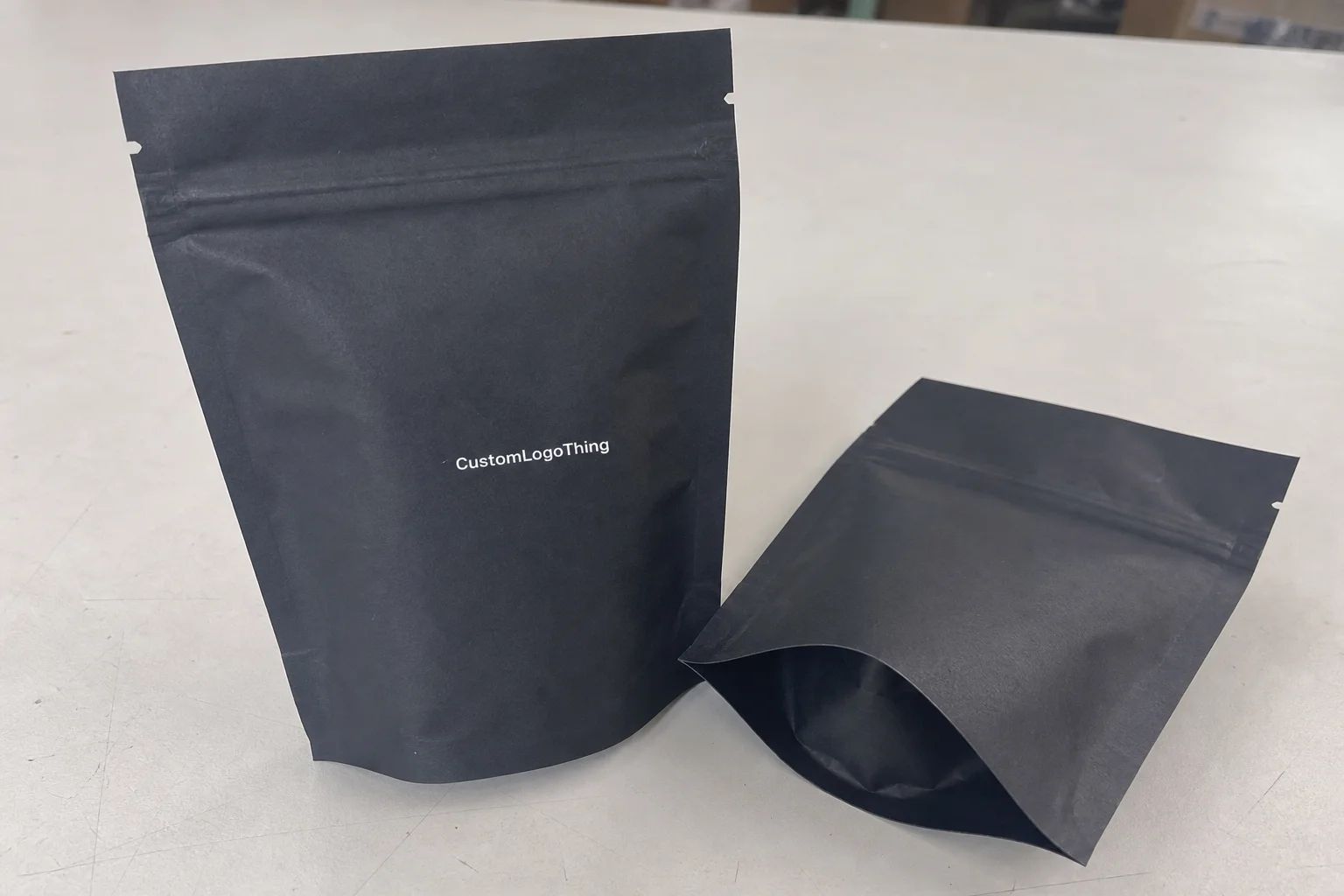
Most fitness programs depend on repeatability. The fold should slide into the same opening every time. The logo should sit in the same position on every bag. The closure should work the same on the first unit and the final carton. A slider-lock format keeps those variables under control without adding much labor.
A plain clear sleeve may cost less, but it can feel unfinished and may not reseal well after inspection or handling. A mailing bag protects shipment better, but it hides the product. Slider-Lock Clothing Bags sit between those formats. They show the garment, keep it cleaner, and still allow warehouse or retail teams to move quickly.
For fitness brands, image consistency matters because the same product may appear in a direct-to-consumer order, a gym retail wall, a launch kit, or a wholesale carton. Standardizing dimensions, print placement, and slider color helps the pack read as one system instead of a collection of one-off packaging decisions.
A low unit price does not help if the bag is the wrong size, the slider drifts off track, or the print becomes hard to read once cartons are stacked.
The first quote conversation should focus on how the bag will be used. Is the apparel packed for direct shipping, retail display, warehouse storage, or kit assembly? Does it need a hang hole, barcode panel, size mark, or ventilation? Will the bag be opened once during fulfillment or handled several times before the customer sees it? Those answers shape the spec more than a generic request for a custom bag.
Bag Format, Print Area, and Closure Details
A slider-lock apparel bag usually has a clear or frosted body, a sealed bottom, and a zipper track with a plastic slider. The structure is simple, which is useful. Fewer unnecessary features make it easier to keep the closure aligned, the usable opening predictable, and the print consistent.
Print can be minimal or more functional. Common layouts include a front logo, a small size indicator, a barcode panel, care note, or short brand message. Full-panel artwork is possible, but it needs careful planning because the design must remain legible when the bag is filled, stacked, or partly folded inside a carton.
The best layout depends on the channel. Retail packaging may need stronger visual polish. Fulfillment packaging may need a clean functional zone for scanning and sorting. In many programs, the strongest option is simple: logo on the front, operational information on the back or lower panel, and enough clear film to show the garment without crowding the design.
Closure quality deserves close attention. A stiff slider slows packing. An uneven track forces hand correction. A weak zipper can open under pressure in transit. These are small problems by unit, but they become expensive when multiplied across thousands of bags. Samples should be checked for smooth opening, clean resealing, and performance after repeated cycles.
Extra features should have a clear job. Hang holes help with retail pegs. Size indicators help teams sort many variants. Frosted film can soften the appearance, but it reduces product visibility and may raise cost. Colored sliders can support internal sorting, though they are rarely worth adding unless the workflow needs them. Every feature should support packing, presentation, traceability, or inspection.
Material, Thickness, and Fit Specs for Apparel
Material choice affects feel, durability, product visibility, and price. For lighter inner packaging, 2.5 to 3 mil film, roughly 60 to 75 micron, is often enough for tees, socks, and lightweight sets. For products that are handled more often, or for buyers who want a stiffer retail feel, 3 to 4 mil film, roughly 75 to 100 micron, is common. The thickest film is not always the best choice. The right gauge depends on the garment, handling route, and presentation goal.
Fit should start with folded garment dimensions, not flat garment size. Add allowance for the slider track, bottom seal, insert card, hang tag, or any extra item placed inside the bag. If the bag is too tight, the fold compresses and packing slows. If it is too loose, the product shifts, the presentation looks weaker, and carton space is wasted.
Usable dimensions matter as much as outside dimensions. A bag may look correct on a spec sheet but still perform poorly if the opening is too narrow or the seal reduces the interior height. For that reason, suppliers should confirm fit against actual folded samples whenever possible.
Before finalizing the spec, confirm these details:
- Film gauge: 2.5, 3, or 4 mil depending on handling and presentation needs.
- Bag width and height: based on folded product size, not raw garment measurements.
- Seal style: bottom seal quality affects strength, finish, and consistency.
- Slider color: clear, white, black, or coded color if sorting requires it.
- Print count: one-color logo, two-color mark, or broader branding.
- Surface finish: clear, frosted, or semi-opaque depending on visibility and tone.
- Extra features: hang holes, barcode windows, size labels, or ventilation if needed.
If the bags will sit inside ecommerce cartons, ask how the inner pack performs under stacking, vibration, and repeated handling. The bag does not need to behave like an outer mailer, but it should not tear at the seam, open under pressure, or look worn before the customer receives it. Programs with heavier shipping exposure can benefit from checking the spec against shipment expectations before approval.
Clear film is usually the most economical and easiest to inspect. Frosted film hides scuffs better, but it changes how the garment shows through the bag. Thicker film feels more substantial, but it may be unnecessary for lightweight apparel. A good spec supports the product and route to market instead of adding cost for features that do not improve the result.
Printed Slider Lock Clothing Bags Quote for Fitness: Pricing, MOQ, and Unit Cost
The price of a custom slider-lock bag usually comes down to size, film thickness, print colors, print coverage, slider hardware, and order volume. A clear one-color bag is not priced the same as a frosted multi-panel bag with custom sizing. That is why two quotes can differ widely even when the basic request sounds similar.
For a Printed Slider Lock Clothing Bags quote for fitness, the supplier should show price breaks clearly. Small trial quantities carry more setup cost per unit because press and finishing time are spread across fewer bags. Reorders usually improve pricing if the dimensions, artwork, film, and slider type stay the same.
| Program Type | Typical Spec | MOQ | Indicative Unit Price | Comments |
|---|---|---|---|---|
| Test run | Clear PE, 2.5-3 mil, one-color logo | 500-1,000 pcs | $0.32-$0.55 | Useful for launch samples or small trainer drops |
| Core ecommerce order | Clear or frosted PE, 3-4 mil, one- or two-color print | 3,000-5,000 pcs | $0.18-$0.32 | Common balance of appearance and cost |
| High-volume reorder | Repeat spec, streamlined artwork, standard slider color | 10,000+ pcs | $0.12-$0.22 | Best pricing when the spec is locked and unchanged |
These figures are indicative, not universal. Larger print coverage, custom slider colors, frosted effects, odd dimensions, tight registration, or extra print positions can raise the price. Buyers often focus on thickness, but artwork and print method can change the quote just as much as material.
MOQ should be read alongside sell-through. A lower minimum can help launches and limited drops, but the unit price is usually higher. A larger MOQ can reduce unit cost, but only makes sense if the SKU will sell through before the design or size mix changes. Ask for tiered pricing at sample, production, and reorder quantities so the launch cost and replenishment cost are both visible.
Freight and packing assumptions should also be clear. A quote can look favorable until carton count, palletization, or shipping method is added. The cleanest quote separates unit cost, setup or tooling, and logistics assumptions so landed cost is easier to compare.
Process and Lead Time From Proof to Shipment
Most delays happen before production begins. A normal workflow includes specification review, artwork check, digital proof, proof approval, scheduling, printing, finishing, inspection, and shipment. If measurements are unclear or artwork changes repeatedly, the calendar stretches before the order even reaches the line.
For simple one-color jobs, lead time is often 12 to 15 business days after proof approval. More complex work, such as multi-color print, frosted film, or special hardware, may take 18 to 25 business days. Large orders may need additional time for material allocation and line scheduling.
The fastest way to protect the schedule is to submit a complete brief. Include folded garment size, quantity, print colors, finish preference, slider preference, and any special features in one pass. If the project has a fixed launch date, state it early so the supplier can confirm whether the timing is realistic before approval.
Use this order of operations to keep the project moving:
- Confirm folded garment dimensions and target quantity.
- Share artwork in a production-ready format.
- Specify print count, slider preference, and film finish.
- Review the proof and return corrections clearly.
- Confirm the production start date, not only the estimated ship date.
A realistic schedule is more valuable than an optimistic one. The order should not move to production until the proof, dimensions, and delivery assumptions are clear.
Supplier Criteria That Matter for Gym Apparel Programs
Unit price matters, but repeatability matters more over the life of the program. Fitness packaging works best when dimensions stay tight, print registers cleanly, and the closure behaves the same across the run. If the width shifts, the packing team notices. If the seal varies, cartons look uneven. If the print drifts, the brand presentation weakens.
A qualified supplier should be able to explain sizing tolerance, print registration, seal integrity, film type, thickness, and closure format in plain language. These are baseline requirements for a bag that may need to be reordered later. The supplier should also understand the difference between direct-to-consumer shipping, retail shelving, event fulfillment, and warehouse storage because each channel may push the spec in a different direction.
Before placing an order, ask these questions:
- Can the supplier repeat the exact bag size on a reorder?
- Does the quote separate bag cost, print setup, and freight assumptions?
- Can you review a sample or digital proof before production starts?
- Is artwork reviewed in-house or passed through several hands?
- What changes would trigger a new setup charge?
The answers reveal whether the supplier can manage specification detail, proof control, and reorder consistency. A small price difference is often justified if the first order arrives on spec and the reorder can run without rebuilding the file.
The buying test is simple: the sample should match the spec, the proof should match the artwork, and the repeat order should not require redesign. If any of those parts are uncertain, resolve them before production begins.
How to Request a Quote and Approve the Order
A fast quote starts with a complete brief. Include folded garment size, order quantity, print colors, closure preference, film finish, and the intended use of the bag. Retail presentation, kit packing, ecommerce fulfillment, and warehouse handling are not the same use case, and they can lead to different recommendations.
The brief should explain what the bag must do. A premium gym launch may need cleaner print and a more polished finish. A membership kit may need easier sorting and faster packing. A wholesale order may need stronger handling and better stacking behavior. Once the use case is clear, the supplier can quote with fewer assumptions.
Before approval, compare the quote against three things:
- Spec match: Does the bag fit the garment without forcing the fold?
- Cost structure: Are setup, freight, and unit price all visible?
- Repeatability: Can the same spec be reordered without redesign?
If the sample fits, the proof matches the file, and the pricing band supports the launch plan, the order is ready. If one of those points is off, fix it on paper first. Changing a dimension before approval is far cheaper than correcting finished packaging after production.
A useful printed slider lock clothing bags quote for fitness should make the buying decision clear: what the bag is made from, how it will print, what it costs at each quantity, what assumptions are included, and how long production will take. If those pieces are visible, comparison becomes straightforward. If they are missing, the quote is not finished.
What do I need to get an accurate printed slider lock clothing bags quote for fitness?
Provide folded garment dimensions, target quantity, print colors, film finish, and whether the bags are for retail presentation, ecommerce fulfillment, or warehouse packing. Include special requirements such as frosted film, hang holes, size labels, or barcode panels. Ask for pricing at multiple volumes so you can compare launch and reorder costs.
What size works best for folded gym apparel?
Start with the folded item size, then add allowance for the slider track, seal area, and easy insertion. For multi-piece sets, confirm the combined thickness before selecting the bag width. Thicker hoodies, joggers, or sweatpants may need a larger format than tees or leggings.
How does printing affect the final unit cost?
More print colors, larger coverage, extra print positions, and tighter registration usually raise the price. A simple one-color logo is typically more economical than full-panel branding. Artwork changes after proof approval can also add cost and delay production.
What is a normal MOQ for custom slider-lock clothing bags?
MOQ varies by size, film spec, and print complexity. Smaller runs are often possible, but the unit price is higher because setup is spread across fewer bags. If you expect reorders, ask for a repeatable production spec and price breaks at several quantities.
How long does production usually take after approval?
Lead time depends on volume, print setup, material availability, and special features, but the clock usually starts after proof approval. Simple one-color jobs move faster than multi-color or special-finish orders. Incomplete measurements and repeated artwork revisions are common causes of missed ship dates.


