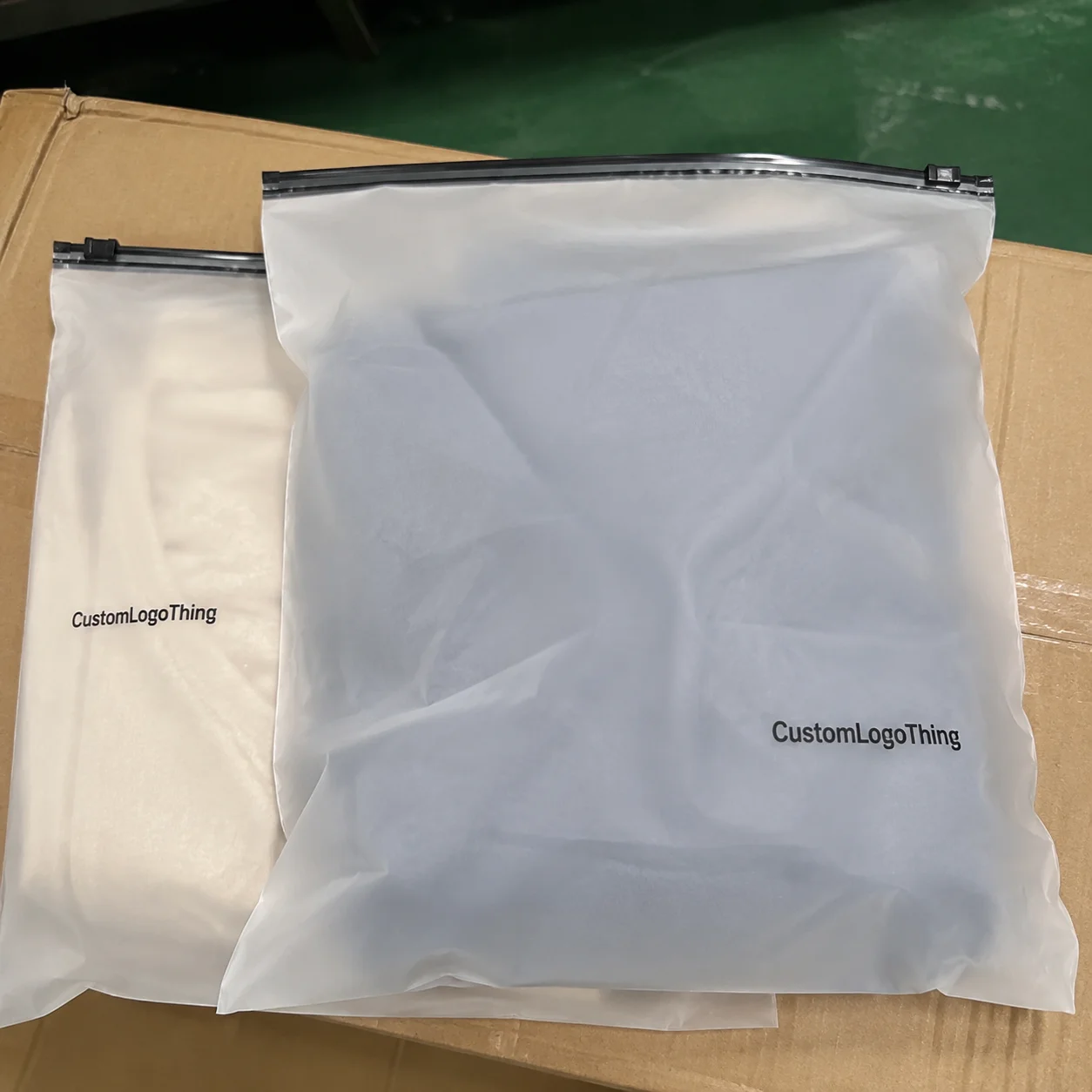
slider lock clothing bags unit cost for fitness programs becomes a practical buying question once gym tees, leggings, sports bras, hoodie drops, and bundled training sets need to arrive clean, folded, and ready to present. A plain poly bag can handle basic fulfillment, but a slider-lock bag gives the package a resealable closure, better inspection control, and a more finished look when the garment moves from packing table to warehouse bin, retail shelf, or customer doorstep.
The cost is not only the price of a piece of film. Size, gauge, closure construction, print coverage, order quantity, carton packing, and freight all shape the final number. A bag that is too light may save a few cents and then create wrinkles, split corners, or repacking labor. A bag that is oversized may look harmless on the quote and still raise storage, carton, and shipping costs across a full apparel launch.
Why Fitness Apparel Brands Switch to Slider-Lock Bags
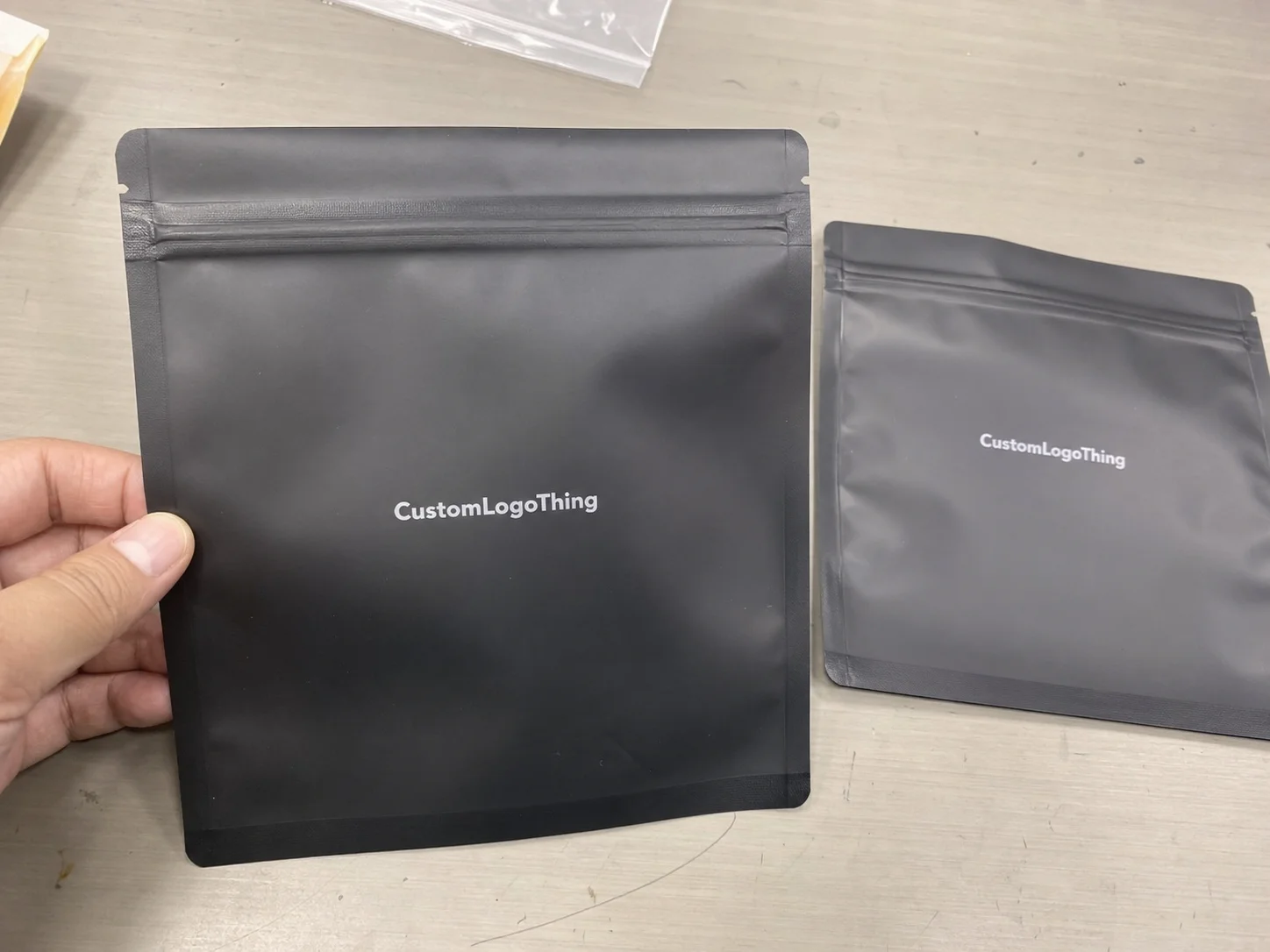
Fitness apparel has one stubborn packaging problem: soft goods move. A folded tee can shift inside a loose bag, leggings can twist at the waistband, and two-piece sets can separate visually when the pack has too much empty space. Slider-lock bags help because the opening can be closed again after inspection, retail checking, return handling, or kitting.
For buyers comparing packaging options, the better question is whether the bag protects presentation through the full route. That route may include folding, barcode scanning, carton compression, courier handling, inventory counting, and a customer opening the package before deciding whether to keep or return the item. Resealability matters most for apparel that may be touched more than once before its final sale.
A basic self-seal bag can be efficient for one-way fulfillment. The weak point appears after the adhesive strip collects lint, loses tack, or gets opened by a warehouse team during a size check. A slider track keeps the opening more controlled and reduces the chance of a garment slipping out during bin movement or carton repacking.
Not every fitness order deserves the same specification. A 160gsm performance tee can sit neatly in a lighter film, while a fleece hoodie or jogger set may need a thicker gauge and a wider finished size. Folding method changes the fit as much as garment size does. Apparel packed into inner cartons for retail distribution faces different handling than direct-to-consumer orders dropped into mailers.
Buying tip: Quote the bag around the folded garment dimensions, not the apparel size label. A medium tee and a medium hoodie may share a size tag, but they do not behave the same inside film.
Material Choices That Control Clarity, Strength, and Feel
Most slider-lock apparel bags use polyethylene film, often LDPE, LLDPE, or a blend chosen to balance softness, clarity, puncture resistance, and seal strength. LDPE usually gives a flexible hand feel and clean presentation. LLDPE can improve toughness, especially around folded waistbands, zipper pulls, drawcord ends, and other pressure points that push against the film during carton handling.
Thickness is one of the first cost drivers. Many apparel presentation bags sit around 2 mil to 4 mil, depending on garment weight and handling requirements. Lightweight tanks, bra tops, and compression shorts may work well in thinner film. Hoodies, bundled training sets, and thick cotton joggers often justify the added material cost of a heavier gauge because the bag resists stretching, corner stress, and a tired-looking pack.
Clarity also affects the decision. Clear film makes color, fold quality, labels, and hangtags easier to inspect, which helps with retail merchandising and kit assembly. A slightly hazier film may still be suitable for warehouse fulfillment, especially when the brand expression sits on a printed label, hangtag, or outer mailer. Buyers sometimes overpay for maximum clarity on bags that will never be displayed, then underpay for strength on programs with frequent returns and repacking.
Finish changes perceived value and handling behavior. Gloss film looks crisp under retail lighting. Matte film can feel more premium, though it may show scuffs differently and can cost more depending on resin choice, additive package, and print method. Printed branding may be as simple as a one-color logo and size grid, or as detailed as care icons, QR codes, product information, and multiple print zones. More print coverage usually means more ink, longer setup, tighter registration checks, and additional inspection time.
Sustainability claims need careful wording. Recyclability depends on film structure, additives, labels, inks, contamination, and local collection programs. Buyers can review broader guidance from the EPA sustainable materials management resources, then ask suppliers for resin identification, recycled-content documentation, and any applicable test data. If recycled content is requested, confirm whether the material is post-consumer, post-industrial, or a blend, and whether it changes clarity, odor, color, or film consistency.
Sizing and Closure Specs That Keep Apparel Neat in Transit
Start with the folded garment. Measure the actual folded width, height, and thickness after the apparel team approves the folding board or packing method. Then add enough clearance for insertion without forcing operators to push fabric into the corners. Too tight, and pack-out slows down. Too loose, and the garment slides, wrinkles, or looks undersized.
A practical allowance is often 0.5 inch to 1 inch on width and height for light apparel, though bulky pieces may need more. For sets, measure the combined fold rather than each item separately. A sports bra and legging pack can stack thicker than expected because elastic bands create firm edges. Bundled promotions, such as a tee plus shorts plus resistance band, may need a side gusset or a different pack style instead of a larger flat bag.
The closure is not decorative hardware. Slider width, track profile, end stops, and alignment all affect the user experience. A narrow slider can look tidy on small bags, but it may feel weak on a large hoodie bag if the track flexes or the slider binds. Track strength matters during reclosure, particularly in return workflows where the bag may be opened and closed several times.
Vents or small hole punches can help trapped air escape during carton packing. Without venting, stacks of apparel bags can puff up, making carton counts inconsistent and increasing dimensional weight. Hang tabs are useful for retail display, but they add material, tooling considerations, and stress points. If a bag will hang with a garment inside, the punch location and reinforcement need to match the filled weight, not the empty sample.
Fitness assortments rarely fit one universal bag well. Sports bras, shorts, tees, leggings, hoodies, and two-piece sets all fold differently. A serious quote may include three or four sizes instead of one oversized option. That can complicate the minimum order conversation, but it often reduces waste, improves presentation, and keeps the packing team from fighting loose or strained film all day.
- Sports bras and shorts: compact bags with good clarity and easy reclosure usually work best.
- Leggings: allow enough length for a clean fold and enough width to keep waistband pressure away from the track.
- Hoodies and joggers: heavier film, more depth, or revised carton packing may be needed to prevent compression damage.
- Promotional bundles: test the finished pack because mixed items create uneven thickness and pressure points.
Slider Lock Clothing Bags Unit Cost for Fitness and MOQ Breakdown
Slider Lock Clothing Bags unit cost for fitness orders usually moves with five core variables: finished size, film thickness, closure style, print coverage, and total quantity. Resin pricing, freight, carton count, and production scheduling also matter, but most early quote differences trace back to those five specification choices.
For rough planning, a small unprinted slider-lock apparel bag may land around $0.12 to $0.24 per piece at moderate quantities. Larger printed bags for hoodies or bundles may run closer to $0.28 to $0.55 per piece. Highly custom sizes, heavy gauges, specialty finishes, hang features, or multi-color print can push higher. These ranges are planning numbers, not fixed promises, because resin markets, freight lanes, and order configuration can shift the final landed cost.
MOQ depends on how custom the order is. Stock-style, unprinted bags may start at lower quantities because film, track components, and converting setups are already available. Custom printed bags often require higher minimums because press setup, artwork approval, ink handling, and production time need enough volume to make the job practical. Specialty sizes may also bring tooling fees or setup charges if the supplier needs a new seal configuration, print plate, or track setup.
| Bag Type | Typical Use | Common Planning Range | MOQ Pattern | Cost Notes |
|---|---|---|---|---|
| Unprinted clear slider bag | Basic fulfillment for tees, shorts, and light sets | $0.12-$0.24 per piece | Lower if a stock size is available | Useful for testing fit before branded production |
| One-color printed slider bag | Logo packaging for fitness apparel drops | $0.18-$0.35 per piece | Usually higher than unprinted stock | Artwork setup and print registration affect cost per piece |
| Heavy-gauge slider bag | Hoodies, joggers, and bundled sets | $0.28-$0.55 per piece | Depends on size and film availability | Higher resin usage and carton cube can increase landed cost |
| Specialty finish or custom feature bag | Retail display, premium kits, or hangable packs | $0.35-$0.75+ per piece | Often custom-run minimums | May include hang holes, tint, matte finish, or special closure parts |
Bulk pricing can be attractive, but landed cost is the number worth comparing. Freight, duties, carton packing, palletization, and warehouse receiving rules can change the real math. A larger bag may look only a few cents higher on the quote, then add cost through lower carton counts and more storage space. That difference shows up quickly when a brand is packing thousands of units for a seasonal release.
Quote comparison should be strict. Confirm finished size, gauge, resin type, closure design, print colors, print location, carton quantity, and whether tooling fees are included or separate. If one quote includes setup charges and another pushes them into a later approval step, the lower headline price may not be the better buy. Clear specifications before approval save more money than arguing after production starts.
A useful pricing request includes tiers at 2,500, 5,000, 10,000, and 25,000 pieces when the program has growth potential. Those tiers show where the cost per piece drops enough to justify a larger buy. They also separate a pilot run from a replenishment order that needs steadier inventory planning.
Production Steps, Proofing, and Lead Time Expectations
The production path is straightforward, but it depends on clean information. First comes spec collection: finished bag size, film gauge, closure style, print requirements, quantity, packing method, and destination. The supplier reviews artwork, confirms the dieline, checks print location, and prepares a proof. After approval, the order moves through material allocation, printing if required, bag converting, inspection, packing, and shipment.
Lead time depends on component availability and print complexity. Simple stock-material orders may move in about 7 to 12 business days after approval. Custom printed or specialty-size runs often require 15 to 25 business days or more. Larger replenishment orders can take longer when film extrusion, closure components, or print scheduling must be lined up before converting begins.
Proofing is not a formality. A 0.5 inch error in bag width can slow a packing line. A logo placed too close to the slider can look crowded once the garment is inserted. A barcode printed on a wrinkle-prone area may scan poorly after carton compression. Good proofing should include dimensions, print position, color references, closure orientation, and any tolerance notes that affect fit.
Quality checks should cover film thickness, finished dimensions, closure function, print registration, and carton counts. For apparel programs with repeated reorders, buyers should also ask how production retains approved specs from run to run. Many teams also ask about transit testing or packaging performance standards. For demanding distribution environments, the International Safe Transit Association provides recognized test procedures that can help frame shipping risk, especially when inner apparel packaging is part of a larger carton or kit.
Rush orders are possible in some cases, but they are not always the best value. If the film is in stock, artwork is simple, and the bag size matches an existing setup, a supplier may compress the schedule. If the job needs a custom size, special print, or new closure configuration, steady planning usually produces cleaner quality control and better pricing.
How to Vet a Packaging Supplier for Fitness Programs
Repeatability is the first test. A supplier can make one attractive sample and still struggle to hold film gauge, closure alignment, and print registration across production and reorders. Fitness Brands That replenish monthly or quarterly need the second order to match the first closely enough that customers and warehouse teams do not notice a downgrade.
Ask direct technical questions. What is the film gauge tolerance? Is the bag LDPE, LLDPE, or a blend? Are recycled-content options available, and what documentation supports the claim? How is the slider track attached or formed? What is the finished-size tolerance? A reliable supplier should answer in plain language and explain why each spec affects price or performance.
Pilot support matters. Many fitness brands test a new product line with 500 to 2,000 units, then scale if the launch performs. A supplier who can support evaluation quantities, then quote realistic replenishment tiers, is easier to work with than one who only gives a single bulk number. Still, custom printed slider bags may require practical minimums because production equipment has setup time that does not disappear just because the buyer wants a small batch.
Good suppliers provide spec sheets, proof images, packing details, carton dimensions, and clear payment terms. Those details help buyers compare value instead of guessing from a low headline price. If a quote for Slider Lock Clothing Bags unit cost for fitness packaging does not name the gauge, size, print count, or closure type, it is not complete enough for a production decision.
Reorder handling is another useful filter. Stored artwork, approved dielines, color targets, and prior purchase details reduce back-and-forth on the next run. For branded apparel programs, that discipline can matter as much as the first order price. A few cents saved with a weak supplier can disappear through repacking labor, delayed launches, or inconsistent presentation.
What to Send for a Quote and the Next Buying Step
An accurate quote starts with the right inputs. Send finished bag dimensions, not only garment size. Include garment type, folded measurements, target quantity, film preference, print colors, logo files, closure preference, destination, and target ship date. If the apparel will be sold as a premium kit or retail display item, say that upfront because the presentation standard may change the recommended film and proofing steps.
- Finished bag size: width, height, and gusset if needed.
- Garment details: tee, legging, sports bra, hoodie, shorts, set, or bundle.
- Film target: clear, matte, tinted, recycled-content option, or a specific gauge such as 2 mil, 3 mil, or 4 mil.
- Branding: print colors, artwork file, print location, barcode needs, size grid, and care icons.
- Quantity: expected order size plus requested price tiers for MOQ and bulk pricing comparison.
- Logistics: destination zip code, port, warehouse rules, carton limits, and required delivery window.
Samples are worth the time when the package will be visible to the customer before purchase or included in a subscription kit. A pre-production proof is also sensible for premium fitness apparel launches, especially if the bag carries printed branding or needs to fit a folded set cleanly. The proof should be checked by whoever owns packing, not only the person approving artwork, because pack-out speed and presentation both belong in the buying decision.
For Custom Logo Things buyers, the cleanest next step is to request two or three spec options. One can prioritize lower cost per piece, one can balance branded presentation and strength, and one can cover premium retail display. That gives procurement, marketing, and operations a shared view of the tradeoffs before approval.
Slider Lock Clothing Bags Unit cost for fitness orders should be judged by MOQ, material choice, closure performance, print needs, timing, and landed cost together. Compare the specs, confirm the production window, identify any tooling or setup charges, and approve production only after final size, gauge, artwork, carton pack, and destination cost are clear.
FAQ
What affects slider lock clothing bags unit cost for fitness orders?
The biggest drivers are bag size, film thickness, closure type, print coverage, and total quantity. Freight, carton packing, tooling fees, and setup charges can also change landed cost. Unit price usually drops as quantity rises, but each quote should use the same size, gauge, resin type, closure, and print specification before pricing is compared.
What is a practical MOQ for custom fitness apparel slider bags?
MOQ depends on whether the order is stock, custom size, printed, or built with special features. Simple unprinted runs can often start lower than fully custom branded runs, while printed or specialty-size bags may require a higher minimum to cover setup time. Ask for tiered pricing so you can see where a larger order lowers the unit cost enough to justify the inventory.
Can slider lock bags protect damp gym clothing during shipping?
They can contain damp apparel and help keep the rest of the shipment cleaner, but they are not a moisture-control system. For wet or high-sweat items, film thickness, seal quality, ventilation, and packing method matter more than the slider alone. If a product may ship after intense use, ask whether vents, absorbent inserts, or another packaging style should be tested.
How long does production usually take after approval?
Timing depends on artwork approval, component availability, order size, and print complexity. Simple orders with stock materials may move in about 7 to 12 business days after approval, while custom sizes or multi-color printed runs can take 15 to 25 business days or more. A reliable supplier should give a clear production window before the order is approved.
What should I send to get an accurate quote quickly?
Send finished bag dimensions, garment type, folded measurements, quantity, print requirements, and destination zip code or port. Include preferences for film clarity, thickness, recycled content, finish, and closure style so the supplier does not have to guess. If timing matters, state the needed ship date upfront so the quote reflects realistic production scheduling.